A granular cell tumour is a rare, usually benign growth that can appear almost anywhere in the body. It most commonly develops on the tongue, but it can also grow on the skin, under the skin, in skeletal muscles, or in internal organs. In this article, we explain what this tumour is, what causes it, how it is diagnosed, and what treatment options are available to Canadians.
What Is a Granular Cell Tumour?
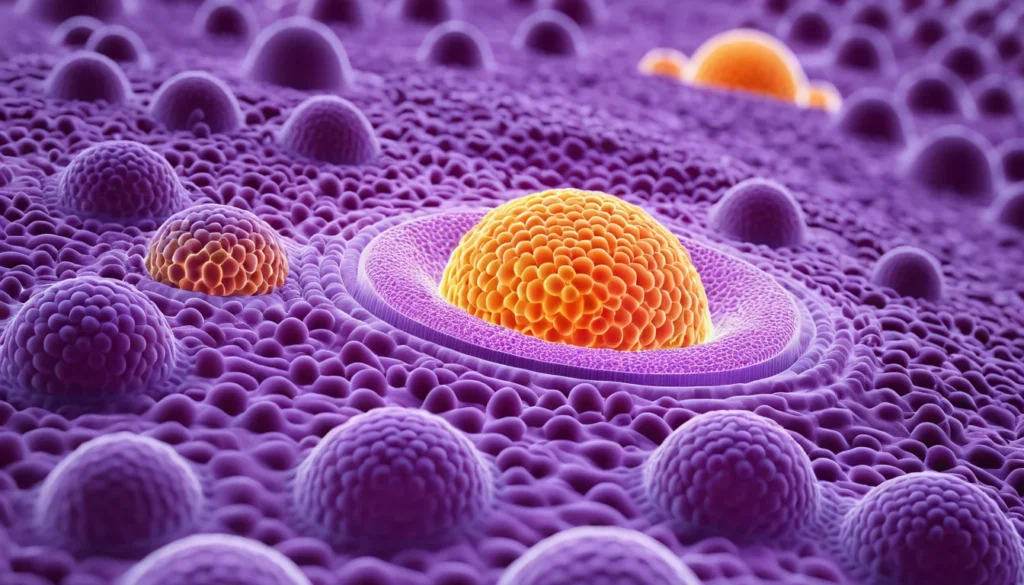
A granular cell tumour is a rare type of soft tissue growth made up of cells with a distinctive grainy, or granular, appearance under a microscope. These cells are believed to come from Schwann cells, which are the cells that wrap around nerve fibres in your body.
Most granular cell tumours are benign, meaning they are not cancerous. However, in a small number of cases — roughly two to three percent — they can behave in a malignant, or cancerous, way. For this reason, any unusual lump or growth should always be checked by a healthcare provider.
This type of tumour is also sometimes called an Abrikossoff tumour or a granular cell myoblastoma. These older names are still used in some medical literature. However, “granular cell tumour” is the most widely accepted term today.
Where Does a Granular Cell Tumour Appear?
One of the most notable features of a granular cell tumour is that it can grow in many different locations throughout the body. No single area is completely off-limits for this type of growth.
Common Locations
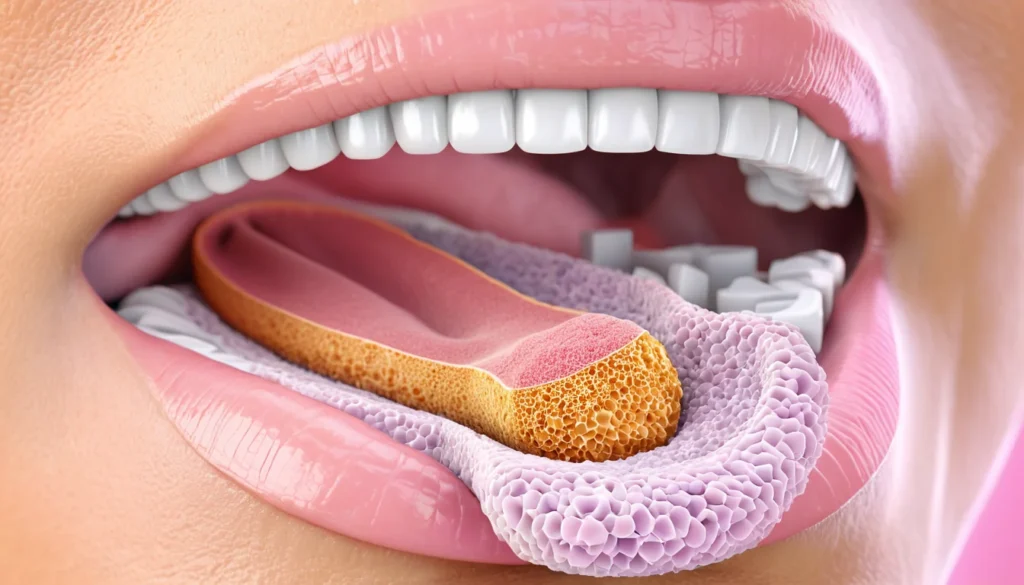
The tongue is the most frequent site, accounting for roughly one-third of all cases. When it appears on the tongue, it usually looks like a small, firm, painless lump. It is often pale or whitish in colour.
Other common locations include:
The skin and tissue just beneath the skin
The neck and head area
The chest wall
The upper limbs, especially the arms
The breast tissue
Less Common Locations
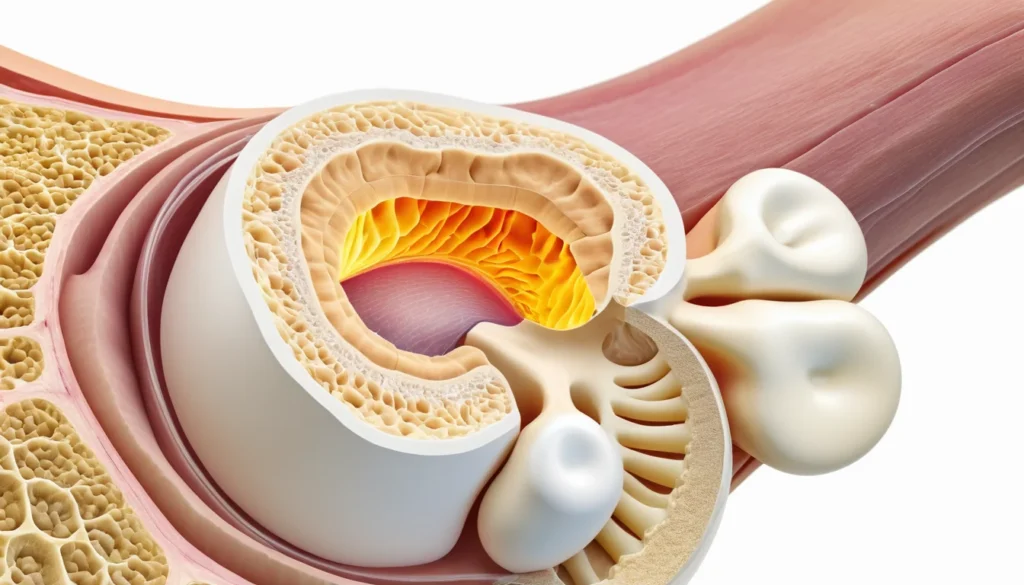
In some cases, a granular cell tumour can develop deep inside the body. This includes skeletal muscles, which are the muscles you use to move your body. It can also appear in internal organs such as the esophagus, stomach, or respiratory tract.
When the tumour grows in an internal organ, it is less likely to be noticed early. This is why regular check-ups with your family doctor are so important for catching any unusual changes in your body.
Who Is at Risk of Developing a Granular Cell Tumour?
Granular cell tumours are rare overall. However, certain groups of people appear to develop them more often than others. Understanding the risk factors can help you stay informed and aware.
Age and Sex
These tumours are most commonly diagnosed in adults between the ages of 40 and 60. They are seen more frequently in women than in men. However, they can technically occur at any age, including in children.
Other Risk Factors
Research suggests that granular cell tumours may be slightly more common in people of African descent, though the reason for this is not fully understood. In addition, some studies have found a possible link to certain genetic conditions, though this connection is still being investigated.
It is important to note that having one or more of these risk factors does not mean you will develop a granular cell tumour. Most people with these characteristics never develop one at all. Furthermore, many people who develop this tumour have no known risk factors.
Symptoms of a Granular Cell Tumour
Recognising the symptoms of a granular cell tumour early can make a significant difference in how quickly it is treated. Fortunately, many of these tumours cause clear, visible changes that are easy to notice.
Common Symptoms
The most common symptom is a small, firm lump or nodule. This lump is usually:
Slow-growing
Painless or only mildly tender
Firm to the touch
Yellowish, whitish, or skin-coloured
Between one and three centimetres in size
When the tumour appears on the tongue, it may cause mild discomfort while eating or speaking. However, many people do not notice any discomfort at all.
Symptoms in Internal Organs
When a granular cell tumour develops inside an organ, the symptoms depend on where it is located. For example, a tumour in the esophagus may cause difficulty swallowing. A tumour in the airways may lead to a persistent cough or breathing difficulties.
Because these internal symptoms can mimic many other conditions, a proper medical evaluation is always necessary. Do not try to self-diagnose based on symptoms alone. Your family doctor or a specialist can help determine the true cause.
How Is a Granular Cell Tumour Diagnosed?
Diagnosing a granular cell tumour typically involves a combination of physical examination, imaging tests, and a biopsy. Your healthcare provider will guide you through the appropriate steps based on your situation.
Physical Examination and Imaging
Your doctor will first examine the lump or area of concern. They will assess its size, texture, and location. In many cases, they will also order imaging tests such as an ultrasound or an MRI to get a clearer picture of the tumour’s size and depth.
These tests help determine whether the tumour is located near important structures such as blood vessels or nerves. As a result, they are very helpful in planning any further steps, including surgery.
Biopsy
The only way to confirm a diagnosis is through a biopsy. During this procedure, a small sample of tissue is removed from the tumour and examined under a microscope by a pathologist. The granular appearance of the cells is what confirms the diagnosis.
In Canada, this type of procedure is typically arranged through your family doctor, who may refer you to a specialist such as a surgeon or a dermatologist. If you do not have a family doctor, a walk-in clinic can be a good starting point. For more information on finding healthcare services in your province, visit Health Canada’s official health information resource.
Treatment Options for a Granular Cell Tumour
The good news is that most granular cell tumours respond well to treatment. Because the majority are benign, the primary goal of treatment is complete removal of the tumour.
Surgical Removal
Surgery is the most common and most effective treatment for a granular cell tumour. The surgeon removes the tumour along with a small margin of healthy tissue around it. This helps ensure that no tumour cells are left behind.
When the tumour is completely removed with clear margins, the chance of it coming back is very low. However, if any tumour cells remain at the edges, there is a higher risk of recurrence. Therefore, complete removal is always the goal.
Follow-Up Care
After treatment, regular follow-up appointments are important. Your doctor will monitor the area to make sure the tumour has not returned. In most cases, a granular cell tumour does not come back after complete surgical removal.
In the rare cases where the tumour is malignant, additional treatment such as radiation therapy or chemotherapy may be needed. Your specialist will discuss the best approach for your individual situation. You can also find general information about tumour treatment options at the Mayo Clinic’s patient education centre.
Multiple Tumours
In some patients, more than one granular cell tumour can develop either at the same time or at different times. This is known as multifocal disease. Each tumour is typically treated individually with surgical removal. Your healthcare team will create a plan that addresses all affected areas.
When to See a Doctor
It is always a good idea to have any new or unusual lump checked by a healthcare provider. Do not wait and hope it goes away on its own, especially if it is growing or causing discomfort.
You should see a doctor if you notice:
A new lump or bump anywhere on your body
A growth on your tongue or inside your mouth
A lump that is slowly growing in size
Difficulty swallowing or unexplained hoarseness
A persistent cough that is not related to a cold or infection
In Canada, your first step should be to contact your family doctor. If you do not have one, a walk-in clinic can assess you and refer you to the appropriate specialist if needed. Early diagnosis almost always leads to better outcomes. For additional guidance on rare tumours and soft tissue growths, Healthline’s medical content library offers helpful, evidence-based information.
As always, the information in this article is intended for general health education only. Please speak with your family doctor or a qualified healthcare provider for advice specific to your health situation.
Frequently Asked Questions About Granular Cell Tumours
Is a granular cell tumour cancerous?
Most granular cell tumours are benign, meaning they are not cancerous. However, in approximately two to three percent of cases, a granular cell tumour can be malignant. This is why a biopsy is always needed to confirm the nature of the growth.
What causes a granular cell tumour?
The exact cause of a granular cell tumour is not fully understood. Most experts believe these tumours originate from Schwann cells, which surround nerve fibres throughout the body. No single lifestyle factor has been definitively linked to their development.
Can a granular cell tumour come back after surgery?
When a granular cell tumour is completely removed with clear surgical margins, the recurrence rate is very low. However, if any tumour cells remain at the surgical edges, there is a higher chance the tumour will return. Regular follow-up with your doctor is recommended after treatment.
Where does a granular cell tumour most commonly appear?
The tongue is the most common location for a granular cell tumour, accounting for roughly one-third of all cases. These tumours can also appear on the skin, in the neck, the breast, the chest wall, and occasionally in internal organs. They can technically develop almost anywhere in the body.
How is a granular cell tumour treated in Canada?
In Canada, the standard treatment for a granular cell tumour is surgical removal. Your family doctor will typically refer you to a surgeon or specialist who will perform the procedure. Most provincial health plans cover the diagnosis and treatment of this condition.
Is a granular cell tumour the same as a granular cell myoblastoma?
Yes, granular cell myoblastoma is an older name for the same condition now called a granular cell tumour. The term myoblastoma was used because it was once thought these tumours came from muscle cells. Modern research has since shown they most likely originate from nerve-related cells called Schwann cells.
Key Takeaways
A granular cell tumour is a rare, usually benign growth that can appear almost anywhere in the body.
The tongue is the most common location, but the skin, muscles, and internal organs can also be affected.
Most cases are not cancerous, but a small percentage can be malignant, so medical evaluation is always necessary.
Diagnosis requires a biopsy, and treatment is typically surgical removal.
When completely removed, recurrence is uncommon and outcomes are generally very good.
If you notice any new or unusual lump, contact your family doctor or visit a walk-in clinic as soon as possible.
Always consult a qualified healthcare provider for advice tailored to your personal health needs.