Gout symptoms treatment is essential knowledge for the thousands of Canadians who suffer from this painful form of arthritis each year. Gout occurs when excess uric acid in the blood forms sharp, needle-like crystals in your joints, triggering sudden episodes of intense pain, redness, and swelling that can make even the lightest touch unbearable.
Understanding Gout Symptoms Treatment Options in Canada
Understanding what causes gout is the first step toward effective management and long-term relief. In Canada, gout is one of the most common inflammatory joint conditions, and its prevalence continues to rise due to dietary habits, aging populations, and increasing rates of obesity. In this comprehensive guide, you will learn how to recognize gout early, explore the medications and lifestyle changes available through the Canadian healthcare system, and discover when it is time to see a doctor.
What Is Gout?
Gout Symptoms Treatment Options Available in Canada
| Treatment Option | How It Works | Benefits | Key Considerations |
|---|---|---|---|
| NSAIDs (e.g., Naproxen, Indomethacin) | Reduces inflammation and pain during acute flares | Fast-acting relief, widely available by prescription in Canada | Avoid with kidney disease or stomach ulcers; not recommended long-term |
| Colchicine | Decreases uric acid crystal-induced inflammation | Effective for acute attacks and flare prevention | May cause nausea or diarrhea; dose adjustment needed for kidney impairment |
| Corticosteroids (e.g., Prednisone) | Suppresses immune response and reduces joint inflammation | Useful when NSAIDs and colchicine are contraindicated | Short-term use preferred; monitor blood sugar in diabetic patients |
| Allopurinol | Lowers uric acid production in the body | Long-term prevention of gout attacks and kidney stones | Covered by most provincial drug plans; start after acute flare resolves |
| Febuxostat | Blocks xanthine oxidase to reduce uric acid levels | Alternative for patients intolerant to allopurinol | Available in Canada; use with caution in cardiovascular disease |
| Lifestyle Modifications | Reduces dietary purines and supports healthy uric acid levels | Complements medication; improves overall health outcomes | Limit red meat, alcohol, and sugary drinks; increase hydration and low-fat dairy |
Arthritis is a broad term that covers more than 100 different joint diseases. Gout accounts for about 5% of all arthritis cases. It is one of the most common inflammatory joint conditions in Canada.
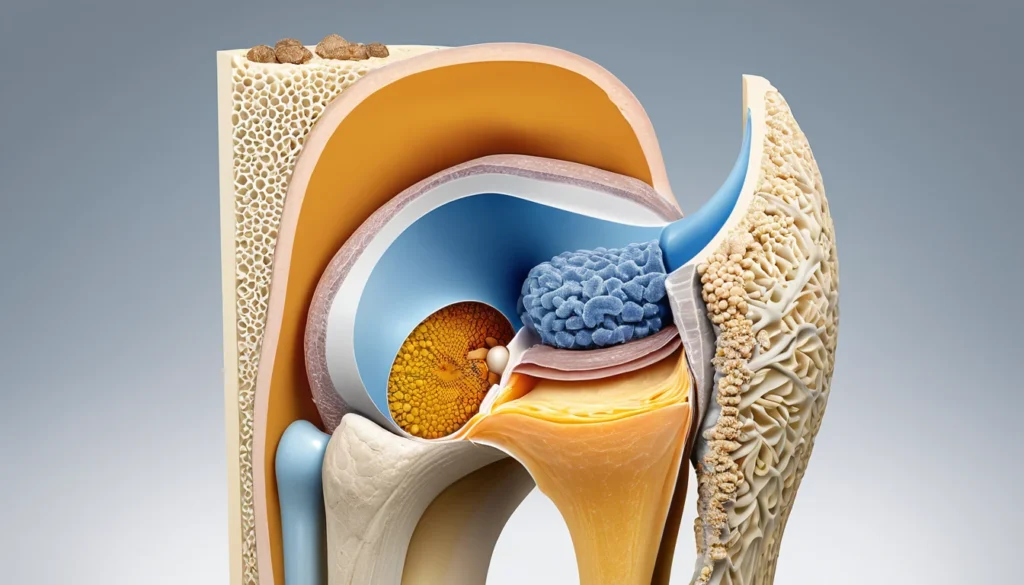
Gout develops when excess uric acid — a waste product made by the body — circulates in the blood. Over time, it forms needle-like crystals called sodium urate crystals. These crystals deposit in certain joints, causing sharp pain and inflammation.
Uric acid is normally produced when the body breaks down substances called purines. Purines are found naturally in many foods and in the body’s own cells. When the kidneys cannot remove uric acid fast enough, levels in the blood rise too high. This condition is called hyperuricaemia.
Common Causes of Gout
Several factors can cause uric acid to build up in the body. Understanding these causes can help you lower your risk.
Genetic and Medical Factors
Genetics play a big role in gout. If a close family member has gout, your own risk is higher. Kidney disease can also reduce the body’s ability to flush out uric acid, leading to dangerous build-up.
Certain medical conditions raise the risk of developing gout. These include untreated high blood pressure, diabetes, high cholesterol (also called hyperlipidaemia), and atherosclerosis (hardening of the arteries). Managing these conditions with your family doctor is an important step in prevention.
Lifestyle and Diet Factors
Diet has a strong influence on uric acid levels. Foods rich in purines break down into uric acid during digestion. Therefore, eating large amounts of these foods raises your risk.
High-risk foods and habits include:
Red meat and organ meats
Seafood such as shrimp, lobster, and sardines
Beer and other alcoholic beverages
Sugary drinks sweetened with fructose
Being overweight or obese
Certain medications can also trigger gout. For example, diuretics (sometimes called water pills) and low-dose aspirin can raise uric acid levels. Always talk to your pharmacist or doctor before changing any medications.
Gout Symptoms to Watch For
Gout symptoms often appear suddenly, usually at night. The pain can be so severe that even a bedsheet touching the joint feels unbearable. Recognizing these symptoms early helps you get treatment faster.
Gout most commonly affects the big toe. However, it can also occur in the foot, ankle, knee, wrist, or fingers. Men are significantly more likely to develop gout than women. It is rarely seen in children or young adults.
The Four Stages of Gout
Gout progresses through four distinct stages. Knowing which stage you are in helps guide treatment decisions.
1. Asymptomatic Hyperuricaemia
In this early stage, uric acid levels in the blood are already high. However, you have no pain or other symptoms. Treatment is usually not needed at this point, but lifestyle changes can help prevent progression.
2. Acute Gout Attack
This is when symptoms appear. Uric acid crystals have built up in the joint spaces, causing sudden and intense pain. The affected joint becomes red, warm, swollen, and very tender. An acute attack can last several days to a few weeks.
3. Intercritical Period
This is the calm phase between attacks. You feel no symptoms at all. However, crystals may still be forming silently in the joints. Without treatment, future attacks are likely and may be more severe.
4. Chronic Tophaceous Gout
In this advanced stage, uric acid crystals deposit in soft tissues throughout the body. Hard lumps called tophi can form under the skin near joints. This stage can lead to permanent joint damage and reduced mobility.
How Is Gout Diagnosed?
A doctor can often diagnose gout based on your symptoms and a physical examination. However, additional tests help confirm the diagnosis and rule out other conditions.
A blood test can measure your uric acid level. A high result supports a gout diagnosis. In addition, your doctor may perform a joint fluid test. This involves inserting a thin needle into the affected joint to withdraw a small amount of fluid. When examined under a microscope, the presence of urate crystals confirms gout.
In Canada, your family doctor can order these tests directly. You may also be referred to a rheumatologist — a specialist in joint and autoimmune diseases — for further assessment. Health Canada supports access to specialist care through provincial health plans across the country.
Gout Treatment Options
The good news is that gout is very treatable. Treatment focuses on two goals: relieving pain during an acute attack and preventing future attacks by lowering uric acid levels.
Medications for Gout
Several types of medication are used to manage gout. Your doctor will recommend the best option based on your health history.
Anti-inflammatory drugs (NSAIDs): These help reduce pain and swelling during an acute attack. Common examples include ibuprofen and naproxen.
Colchicine: This medication is very effective at reducing gout pain, especially when taken early during an attack.
Corticosteroids: If NSAIDs are not suitable, corticosteroids like prednisone can reduce inflammation quickly.
Uric acid-lowering medications: Drugs such as allopurinol help reduce the overall level of uric acid in the blood. These are taken long-term to prevent future attacks.
For more detailed information about these medications, the Mayo Clinic’s gout treatment guide provides a thorough and reliable overview.
Lifestyle Changes That Help
Medication works best when combined with healthy lifestyle choices. These changes can significantly reduce the frequency and severity of gout attacks.
Avoid or limit alcohol, especially beer
Reduce your intake of red meat and seafood
Drink plenty of water every day to help the kidneys flush out uric acid
Maintain a healthy body weight
Exercise regularly, but rest the affected joint during a painful flare-up
Avoid crash diets, as rapid weight loss can temporarily raise uric acid levels
Furthermore, increasing dietary fibre from vegetables, whole grains, and legumes supports overall metabolic health. A balanced diet is one of the most effective tools for long-term gout management.
When to See a Doctor
You should see a doctor as soon as possible if you experience sudden, severe joint pain. Early treatment reduces joint damage and shortens the duration of an attack. Do not wait to see if the pain goes away on its own.
In Canada, you have several options for getting care quickly. Your family doctor is your first point of contact and can diagnose gout, order tests, and prescribe treatment. If your regular doctor is unavailable, a walk-in clinic can assess you and provide short-term relief during an acute attack.
If your gout is frequent, severe, or not responding to treatment, your family doctor can refer you to a rheumatologist. Most provincial health plans in Canada cover this type of specialist visit. Healthline’s guide to gout also offers helpful information you can review before your appointment.
As always, the information in this article is for general educational purposes. Please consult your family doctor or a qualified healthcare professional for advice suited to your personal health situation.
Frequently Asked Questions About Gout
What are the first signs of gout?
The first sign of gout is usually a sudden and intense pain in a joint, most often the big toe. The joint may also become red, warm, and swollen. Many people notice symptoms appearing overnight or in the early morning hours.
What foods trigger a gout attack?
Foods high in purines are the biggest dietary triggers for gout. These include red meat, organ meats, shellfish, and beer. Sugary drinks containing fructose can also raise uric acid levels and bring on an attack.
Can gout be cured permanently?
Gout cannot always be cured permanently, but it can be very well controlled with the right treatment. Long-term medications like allopurinol can keep uric acid levels low and prevent future attacks. Healthy lifestyle changes also play a major role in keeping gout under control.
Is gout covered under Canadian provincial health plans?
Yes, most diagnostic tests and doctor visits related to gout are covered under provincial health plans in Canada. Coverage for medications varies by province and individual benefit plans. Ask your family doctor or pharmacist about drug coverage options available in your province.
How long does a gout attack last?
An acute gout attack typically lasts between three and ten days with proper treatment. Without treatment, the pain and swelling may persist for two to four weeks. Starting medication early in an attack usually shortens its duration significantly.
Who is most at risk of developing gout in Canada?
According to Mayo Clinic’s overview of gout causes and symptoms, this information is supported by current medical research.
For more information, read our guide on urine test results that help diagnose uric acid levels.
Men over the age of 40 are most commonly diagnosed with gout in Canada. Women’s risk increases after menopause. People with obesity, high blood pressure, diabetes, or a family history of gout also face a higher risk.
Key Takeaways
Gout is a painful inflammatory arthritis caused by excess uric acid forming crystals in the joints.
It most often affects the big toe, but can occur in any joint.
Men are more likely to develop gout than women, and risk increases with age.
Diet, alcohol use, body weight, and certain medications all influence uric acid levels.
Gout progresses through four stages, from asymptomatic hyperuricaemia to chronic tophaceous gout.
Diagnosis involves a blood test and sometimes a joint fluid analysis.
Treatment combines medication to relieve pain and lower uric acid, along with healthy lifestyle changes.
In Canada, your family doctor or a walk-in clinic can assess and treat gout. Specialist referrals are available through provincial health plans.
Always speak with your doctor before making changes to your diet, medications, or treatment plan.
Frequently Asked Questions
What is gout and what causes it?
Gout is a painful form of inflammatory arthritis caused by a buildup of uric acid in the blood. When uric acid crystallizes in joints, it triggers sudden, severe pain and swelling. Common triggers include red meat, alcohol, seafood, obesity, and certain medications like diuretics.
What are the most common gout symptoms and treatment options in Canada?
Gout symptoms include intense joint pain, swelling, redness, and warmth, most often in the big toe. Treatment in Canada includes NSAIDs like ibuprofen, colchicine, and corticosteroids for flares. Long-term management uses uric acid-lowering medications like allopurinol, available by prescription through Canadian physicians.
How is gout treated during a flare-up?
During a gout flare-up, treatment focuses on reducing inflammation and relieving pain. Doctors typically prescribe NSAIDs, colchicine, or corticosteroids. Resting the affected joint, applying ice, and staying well hydrated also help. Most flares resolve within 7 to 10 days with proper gout symptoms treatment.
Can you prevent gout attacks through diet and lifestyle changes?
Yes, gout attacks can often be prevented by limiting purine-rich foods like red meat, organ meats, and shellfish, and reducing alcohol, especially beer. Staying hydrated, maintaining a healthy weight, and avoiding sugary drinks significantly lower uric acid levels and reduce the frequency of painful flares.
When should you see a doctor in Canada for gout symptoms?
See a doctor immediately if you experience sudden, severe joint pain with redness and swelling, especially in your big toe. Seek urgent care if you develop fever alongside joint pain, as this may indicate infection. In Canada, your family physician or walk-in clinic can diagnose and treat gout effectively.