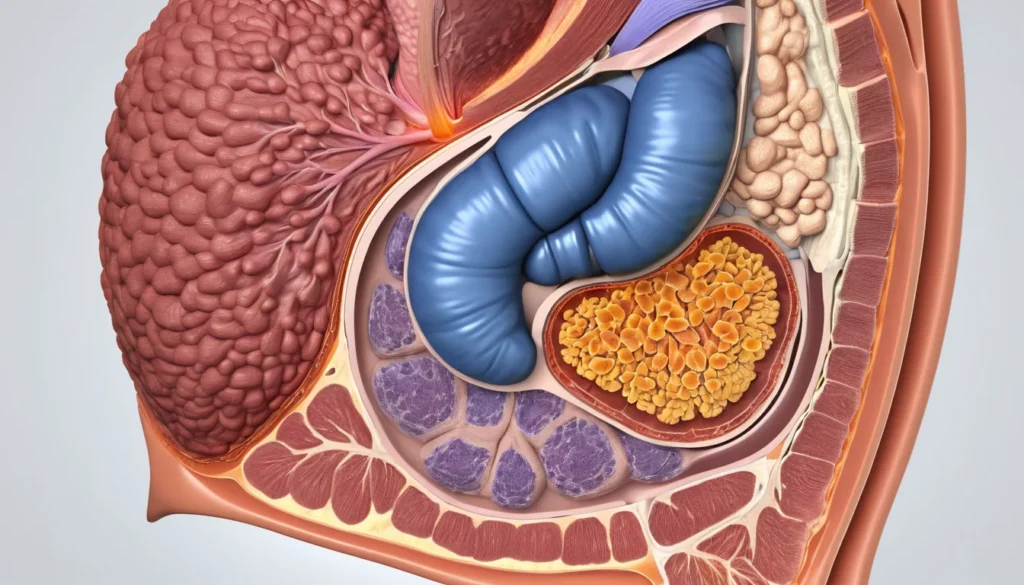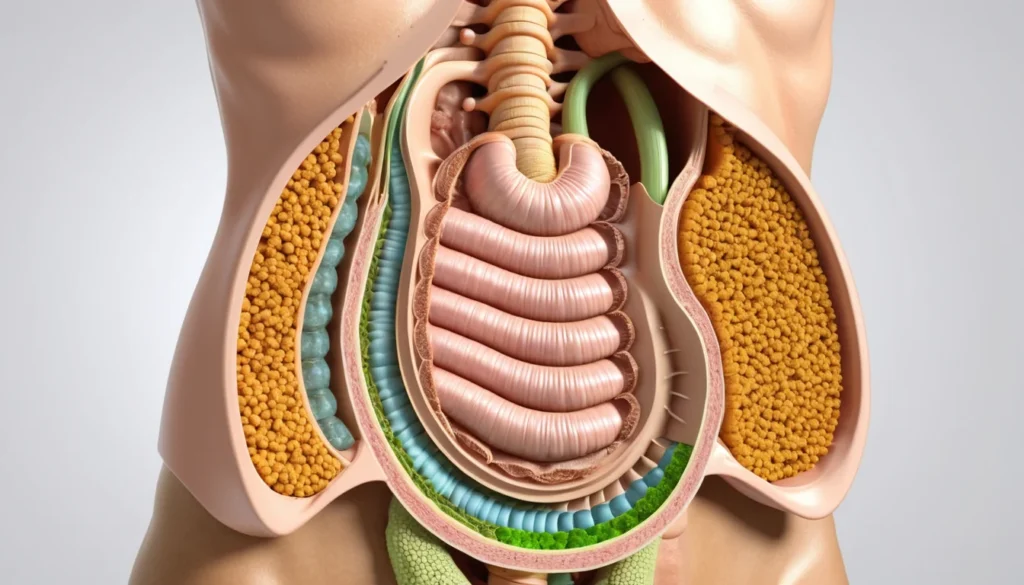
Gluten intolerance is a condition that causes digestive discomfort after eating foods like bread, pasta, or crackers. It affects a significant number of Canadians, yet many people live with it for years without a proper diagnosis. Understanding the symptoms, causes, and safe food choices can make a real difference in your daily health and quality of life. This article explains everything you need to know, including when to speak with your family doctor or visit a walk-in clinic.
What Is Gluten Intolerance?
Gluten is a protein found in wheat, rye, and barley. It shows up in most grain-based foods we eat every day, including bread, pasta, cereals, and baked goods. When someone has gluten intolerance, this protein irritates the lining of the intestine and causes uncomfortable symptoms.
Mild gluten intolerance can be unpleasant, but the symptoms are usually temporary. However, it is important to understand that gluten intolerance is not the same as a food allergy. In most cases, eating gluten does not cause a severe, immediate reaction — unless the person also has celiac disease.
According to Health Canada, gluten-related conditions are among the most common dietary concerns affecting Canadians today.
Gluten Intolerance vs. Celiac Disease: What Is the Difference?
Many people use these two terms interchangeably, but they are not the same thing. Gluten intolerance — sometimes called non-celiac gluten sensitivity — causes digestive discomfort without triggering an immune response that damages the intestine. Celiac disease, on the other hand, is a serious autoimmune and genetic condition.
What Is Celiac Disease?
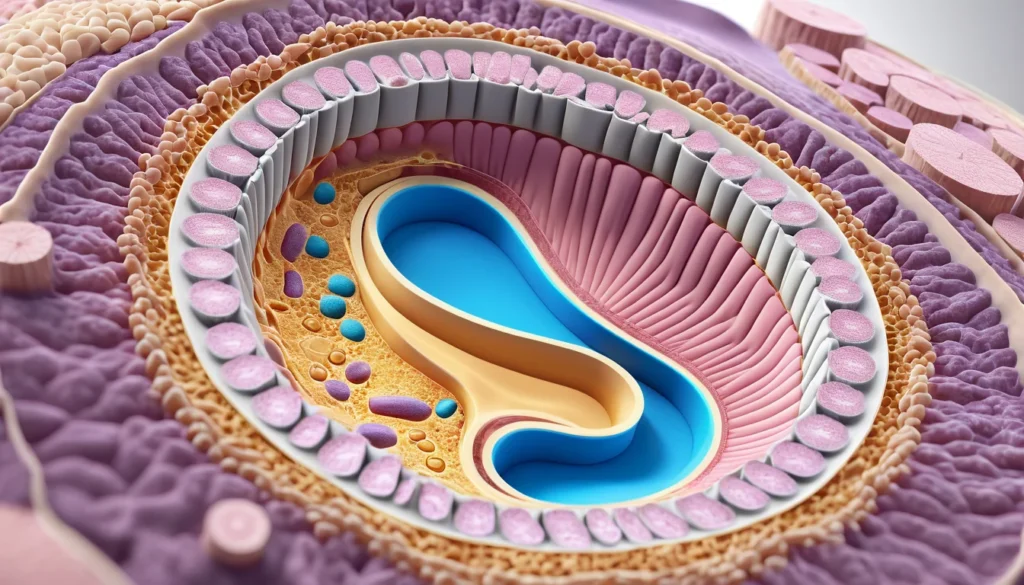
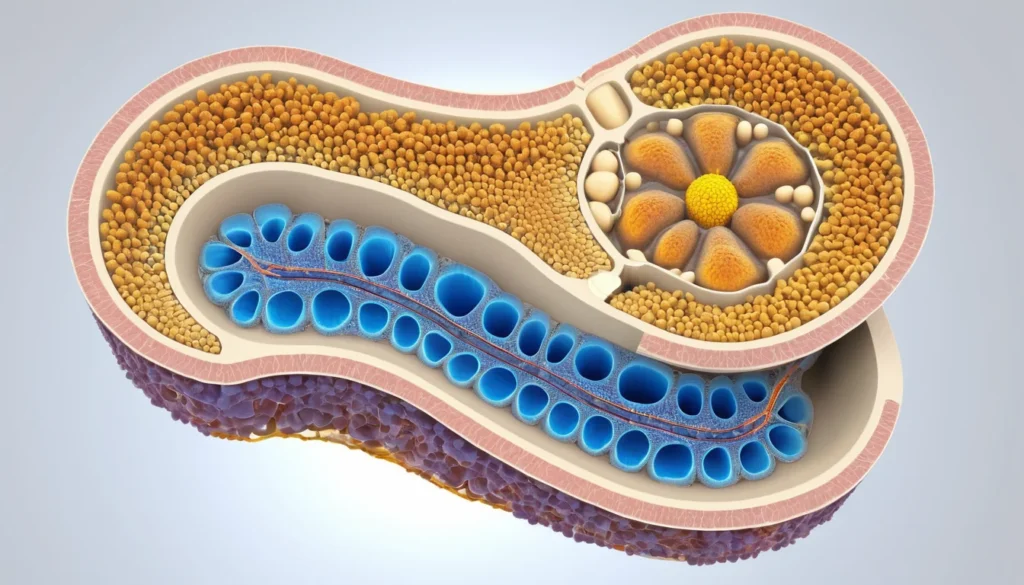
When a person with celiac disease eats gluten, their immune system attacks the small intestine. Specifically, it damages tiny finger-like projections called villi. These villi normally protect the intestine and absorb nutrients from food.
When the villi are damaged, the body cannot absorb nutrients properly. As a result, celiac disease can lead to serious health complications, including malnutrition, anemia, osteoporosis, depression, and growth problems in children. It is also linked to other autoimmune conditions such as type 1 diabetes and rheumatoid arthritis.
Celiac disease is also known as gluten-sensitive enteropathy or celiac sprue. It is a multi-system disease, meaning it can affect many parts of the body — not just the digestive system. You can learn more about the condition through the Mayo Clinic’s overview of celiac disease.
Is Celiac Disease Common in Canada?
For a long time, celiac disease was considered rare. However, researchers now believe it is far more common than previously thought. Many Canadians are living with undiagnosed celiac disease because symptoms can be subtle and easy to mistake for other conditions. Specialists estimate it can take more than 10 years for some people to receive a confirmed diagnosis.
Gluten Intolerance vs. Wheat Allergy
Gluten intolerance and a wheat allergy may seem similar, but they involve completely different responses in the body. A wheat allergy is a traditional allergic reaction. It involves immune cells called basophils and mast cells responding to immunoglobulin E (IgE) antibodies. In plain terms, the body develops antibodies against wheat as if it were a harmful substance.
With a wheat allergy, symptoms tend to appear quickly — often after just one exposure. With gluten intolerance or celiac disease, symptoms usually build up over a longer period of regular gluten consumption.
Furthermore, a person can have a wheat allergy without having celiac disease, or they can have celiac disease without being allergic to wheat. These are two separate conditions that require different approaches to diagnosis and management.
Symptoms of Gluten Intolerance
The symptoms of gluten intolerance vary widely from one person to another. Some people experience mild digestive discomfort, while others have symptoms that affect multiple systems in the body. This wide range of symptoms is one reason the condition is so often missed or misdiagnosed.
Digestive Symptoms
The most common symptoms related to the gut include:
Abdominal bloating and distension
Stomach cramps and pain
Alternating bouts of diarrhea and constipation
Foul-smelling or greasy stools (steatorrhea)
Excessive gas and flatulence
Nausea and vomiting
Gurgling sounds from the stomach
Symptoms Beyond the Gut
Because celiac disease and severe gluten intolerance affect the whole body, many symptoms appear outside the digestive system. These can include:
Fatigue and low energy
Anaemia (low iron)
Joint pain and arthritis
Headaches and migraines
Depression, anxiety, and irritability
Difficulty concentrating or attention difficulties
Numbness or tingling in the hands and feet
Hair loss
Mouth sores or ulcers
Skin rashes, including dermatitis herpetiformis (a blistering, intensely itchy rash)
Bone density loss and osteoporosis
Unexplained weight loss
Infertility
Growth difficulties in children
Hypoglycemia (low blood sugar)
Vitamin and mineral deficiencies
Dermatitis herpetiformis — a specific skin condition marked by blistering and severe itching — can be a clear indicator of celiac disease on its own, even without obvious digestive symptoms.
Foods to Avoid and Safe Foods on a Gluten-Free Diet
Managing gluten intolerance largely means changing what you eat. Knowing which foods to avoid and which ones are safe helps you plan meals with confidence.
Foods to Avoid
Anyone managing gluten intolerance should avoid the following:
Wheat in all its forms (including spelt, kamut, and durum)
Rye
Barley
Oat bran (oats are often cross-contaminated with wheat)
Wheat germ and wheat bran
Graham flour and gluten flour
Most commercial breads, pastas, cereals, and biscuits
Safe Foods on a Gluten-Free Diet
Fortunately, there are many naturally gluten-free foods that are nutritious and widely available across Canada. These include:
Quinoa
Buckwheat
Popcorn
Cornmeal (polenta)
Millet
Rice (all varieties)
Potatoes
Tapioca
Soy
Flax
Gluten-free certified breads, pastas, and cereals made from the above ingredients
Most major Canadian grocery stores now carry a wide range of gluten-free products. However, always check labels carefully, as cross-contamination during manufacturing is common. Healthline’s guide to the gluten-free diet offers helpful tips for getting started.
How Is Gluten Intolerance Diagnosed?
Getting a proper diagnosis for gluten intolerance — and especially for celiac disease — is important before making any dietary changes. This is a critical point that many people overlook.
If you stop eating gluten before being tested, your intestine will begin to heal. As a result, the blood markers and tissue samples used to detect celiac disease may no longer show any signs of the condition. This can lead to a false negative result, making diagnosis much harder.
Blood Tests
Your doctor will typically start with blood tests. The most common ones check for:
Endomysial antibodies (EMA) — proteins the immune system produces in response to gluten
Tissue transglutaminase antibodies (tTG-IgA) — another marker associated with celiac disease
Intestinal Biopsy
If blood test results suggest celiac disease, your doctor will likely refer you for a biopsy of the small intestine. A small tissue sample is taken to look for damage to the villi. This biopsy is currently the gold standard for confirming a celiac disease diagnosis.
When to See a Doctor
If you regularly feel unwell after eating grain-based foods, it is worth talking to a healthcare provider. Do not self-diagnose or start a gluten-free diet on your own before getting tested — as explained above, this can interfere with accurate results.
In Canada, you can start by booking an appointment with your family doctor. If you do not have a family doctor, a walk-in clinic can be a good first step. Your doctor can order the appropriate blood tests and refer you to a gastroenterologist (a digestive health specialist) if needed. Most provincial health plans cover these diagnostic tests when ordered by a physician.
Speak with your doctor promptly if you experience unexplained weight loss, persistent diarrhea, severe fatigue, or any combination of the symptoms listed in this article. Early diagnosis leads to better long-term outcomes.
Frequently Asked Questions About Gluten Intolerance
What are the most common signs of gluten intolerance?
The most common signs of gluten intolerance include bloating, stomach cramps, diarrhea, constipation, and fatigue. Some people also experience headaches, joint pain, skin rashes, or brain fog. Symptoms vary widely, which is why a proper diagnosis from a doctor is important.
Is gluten intolerance the same as celiac disease?
No, gluten intolerance and celiac disease are not the same condition. Celiac disease is a serious autoimmune disorder that causes the immune system to damage the small intestine when gluten is consumed. Gluten intolerance (non-celiac gluten sensitivity) causes discomfort but does not trigger the same immune-driven intestinal damage.
Can gluten intolerance develop later in life?
Yes, gluten intolerance and celiac disease can develop at any age, even in adults who previously had no issues with gluten. Genetic factors play a role, and symptoms can be triggered by events such as pregnancy, surgery, infection, or significant stress. If you notice new digestive symptoms, consult your family doctor.
How is gluten intolerance tested in Canada?
In Canada, your family doctor or walk-in clinic physician can order blood tests to screen for gluten intolerance and celiac disease. The most common tests check for endomysial antibodies and tissue transglutaminase antibodies. If results are positive, a referral for an intestinal biopsy is usually the next step, and these tests are typically covered by provincial health plans.
What foods are safe to eat with gluten intolerance?
People with gluten intolerance can safely eat naturally gluten-free foods such as rice, quinoa, buckwheat, millet, potatoes, and corn. Fresh fruits, vegetables, meats, fish, eggs, and most dairy products are also safe. Always check food labels for hidden gluten or cross-contamination warnings, especially on packaged products.
Should I go gluten-free before seeing a doctor?
No — you should not start a gluten-free diet before being tested for gluten intolerance or celiac disease. Removing gluten from your diet causes the intestine to heal, which can make blood tests and biopsies appear normal even when the condition is present. Always get tested first, then make dietary changes based on your doctor’s guidance.
Key Takeaways
Gluten intolerance causes digestive discomfort after eating foods containing wheat, rye, or barley.
It is different from celiac disease, which is a serious autoimmune condition that damages the small intestine.
It is also different from a wheat allergy, which involves a faster, IgE-driven immune response.
Symptoms range from bloating and diarrhea to fatigue, joint pain, skin rashes, and nutrient deficiencies.
Do not go gluten-free before being tested — it can interfere with getting an accurate diagnosis.
See your family doctor or a walk-in clinic to get blood tests and a referral if needed.
Safe foods include rice, quinoa, buckwheat, millet, potatoes, and certified gluten-free products.
Most provincial health plans cover the blood tests and procedures needed for diagnosis.
This article is for informational purposes only and does not replace professional medical advice. Always consult your doctor or a qualified healthcare provider for diagnosis and treatment recommendations tailored to your situation.