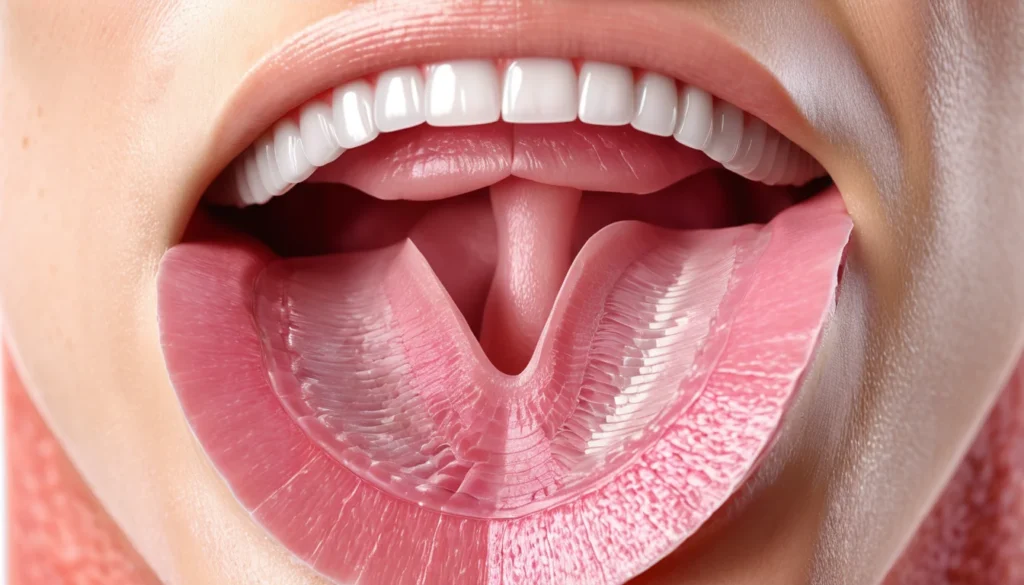
Glossitis is an inflammation of the tongue that causes swelling, colour changes, and a smooth or glossy appearance. It can make eating, speaking, and swallowing uncomfortable. In some cases, it leads to the loss of taste buds — and with them, your sense of taste. This article explains what glossitis is, what causes it, and how it is treated in a Canadian healthcare setting.
What Is Glossitis?
Glossitis happens when the tongue becomes inflamed. The tongue may swell, turn red, and lose its normal bumpy texture. Those bumps — called papillae — are your taste buds. When they disappear, food can taste different or flavourless.
There are two main forms. Acute glossitis comes on suddenly, often due to an allergic reaction. Chronic glossitis comes back over time and is usually a sign of another underlying health condition. Both forms are treatable, especially when caught early.
According to Mayo Clinic, tongue changes are often a clue that something else is going on in the body, so they should never be ignored.
Types of Glossitis
Glossitis is not a single condition. It comes in several forms, each with its own causes and symptoms.
Acute Glossitis
This type appears suddenly and often causes severe symptoms. It is most commonly triggered by an allergic reaction to food, medication, or other irritants. It requires prompt attention because the swelling can, in rare cases, affect breathing.
Chronic Glossitis
Chronic glossitis is the most common form. It tends to recur and is usually a symptom of another medical condition, such as anaemia or an immune system disorder. Treating the root cause often clears up the tongue inflammation as well.
Idiopathic Glossitis
In this form, the exact cause is unknown. However, it directly affects the muscles of the tongue. As it progresses, up to 50% of the taste buds can be lost, which significantly affects the sense of taste and eating enjoyment.
Atrophic Glossitis
Also called Hunter’s glossitis, this type occurs when a large number of taste buds are lost. The tongue changes colour — often turning a deep, dark red — and becomes very smooth. It is frequently linked to nutritional deficiencies, especially low iron or vitamin B12.
Burning Tongue Syndrome
This form mainly affects the tip of the tongue and the roof of the mouth. It can affect people of any age, but it is most common during menopause. For this reason, it is sometimes called menopausal glossitis. The burning sensation can range from mild to quite intense.
Common Causes of Glossitis
Several different things can trigger glossitis. Understanding the cause helps your doctor choose the right treatment.
Allergic Reactions
Allergies are a leading cause of acute glossitis. Reactions to certain foods, medications, or oral care products — like toothpaste or mouthwash — can cause the tongue to swell rapidly. Some blood pressure medications are also known irritants.
Infections
Certain infections can inflame the tongue. For example, oral herpes (herpes simplex virus) can cause blisters and soreness on and around the tongue. Bacterial and fungal infections, such as oral thrush, can also lead to glossitis.
Iron Deficiency
Low iron levels are a very common cause of glossitis in Canada. Iron helps the body produce healthy red blood cells, which carry oxygen to muscles and tissues — including the tongue. When iron is too low, the tongue muscle can weaken and become inflamed. A simple blood test can check your iron levels.
Learn more about nutritional health and iron from Health Canada.
Dry Mouth
Saliva keeps the tongue moist and healthy. Without enough saliva, the tongue can become irritated and prone to inflammation. Dry mouth can be a side effect of certain medications or a symptom of conditions like Sjögren’s syndrome.
Oral Injury or Irritation
Physical damage to the mouth can also cause glossitis. Ill-fitting dentures or braces can rub against the tongue and cause sores. Eating very spicy food regularly or using tobacco products can irritate the tongue over time.
Risk Factors
Some people are more likely to develop glossitis than others. The following factors can raise your risk:
Injuries to the mouth or tongue
Wearing dentures, retainers, or braces
Oral herpes infection
Low iron or vitamin B12 levels
Eating heavily spiced foods regularly
Chronic dry mouth
Allergies to food or medications
Immune system disorders
Heavy alcohol use or smoking
Symptoms of Glossitis
Symptoms can vary depending on the type and cause of glossitis. However, the most common signs include:
Pain or tenderness in the tongue
Swelling of the tongue
Changes in tongue colour (pale, bright red, or dark red)
A smooth, shiny surface where taste buds once were
Difficulty speaking, chewing, or swallowing
Partial or complete loss of taste
A burning or itching feeling on the tongue
In severe cases, the swelling can be significant enough to partially block the airway. This is a medical emergency. Call 911 or go to your nearest emergency department immediately if you have serious trouble breathing.
Diagnosing Glossitis
A dentist or doctor can usually diagnose glossitis during a routine oral exam. They will look at the tongue for swelling, blisters, colour changes, and the absence of taste buds. They may also ask about your medical history, diet, medications, and lifestyle habits.
Furthermore, your doctor may order blood tests or a saliva sample to check for infections, iron deficiency, vitamin deficiencies, or immune system problems. This helps rule out other conditions that may be causing your symptoms. In some cases, a referral to a specialist — such as an oral medicine specialist or an ear, nose, and throat (ENT) doctor — may be recommended.
Treatment Options for Glossitis
The main goal of treatment is to reduce inflammation and address the underlying cause. Most people with glossitis do not need to be hospitalized. However, severe swelling may require urgent care.
Medications
Your doctor may prescribe antibiotics if a bacterial infection is present. Antifungal medications are used if oral thrush is the cause. Pain relievers can help manage discomfort while the tongue heals.
Nutritional Supplements
If glossitis is caused by low iron or vitamin B12, your doctor will likely recommend supplements. In Canada, your provincial health plan may cover blood tests to check for these deficiencies. Correcting the nutritional gap often resolves the tongue inflammation over time.
Dietary Changes
Your doctor may suggest avoiding foods and substances that irritate the tongue. This includes spicy foods, alcohol, and tobacco. A softer, gentler diet during flare-ups can reduce pain and speed up recovery.
Oral Hygiene
Good oral hygiene is an important part of treatment. Brushing gently twice a day and flossing regularly helps keep the mouth healthy. Using a mild, non-irritating toothpaste is also recommended, especially if your toothpaste may be contributing to the irritation.
For more information on managing oral health conditions, visit Healthline’s oral health resource centre.
When to See a Doctor
You should see your family doctor or visit a walk-in clinic if your symptoms last more than 10 days, or if they keep coming back. Do not wait if your tongue swelling is severe or getting worse.
Seek emergency care right away if you experience:
Difficulty breathing due to tongue swelling
Severe trouble swallowing
A rapidly enlarging tongue
For milder symptoms, your family doctor can refer you to a dentist, an oral specialist, or another appropriate provider through your provincial health plan. In many provinces, you can also start by calling 811 (Health Link or Telehealth) to speak with a registered nurse about your symptoms.
As always, speak with a qualified healthcare provider before starting any new treatment. Only a doctor can properly diagnose your condition and recommend the right care for you.
Preventing Glossitis
While not all cases of glossitis can be prevented, there are several steps you can take to lower your risk.
Brush and floss regularly to maintain good oral hygiene
Stay well hydrated to prevent dry mouth
Eat a balanced diet rich in iron, B vitamins, and fibre
Avoid tobacco and limit alcohol consumption
See your dentist regularly for check-ups
Manage any known allergies carefully
Have your iron and vitamin levels checked annually, especially if you follow a plant-based diet
In addition, if you wear dentures or braces, make sure they fit properly. Ill-fitting dental appliances are a surprisingly common cause of tongue irritation and inflammation.
Frequently Asked Questions About Glossitis
What does glossitis look like?
Glossitis typically makes the tongue appear smooth, shiny, and red. The tongue may also look swollen or feel tender to the touch. The normal bumpy texture disappears because the taste buds (papillae) have become inflamed or have been lost.
Is glossitis contagious?
Glossitis itself is not contagious. However, if it is caused by an infection — such as oral herpes or a bacterial infection — that underlying infection may be passed to others. Treating the root cause is the best way to protect both yourself and those around you.
How long does glossitis last?
Acute glossitis often clears up within a few days once the trigger is removed or treated. Chronic glossitis may last longer and tends to recur if the underlying cause — such as a nutritional deficiency or immune condition — is not addressed. Most cases improve significantly with proper treatment.
Can a vitamin deficiency cause glossitis?
Yes. Low levels of iron, vitamin B12, folate, and other nutrients are well-known causes of glossitis, particularly atrophic glossitis. In Canada, a blood test through your family doctor or walk-in clinic can quickly identify whether a nutritional deficiency is contributing to your symptoms.
Can glossitis go away on its own?
Mild cases of glossitis sometimes resolve on their own once the irritant is removed — for example, after stopping a new medication or switching toothpaste. However, if symptoms persist for more than 10 days or keep recurring, it is important to see a doctor or dentist to find and treat the underlying cause.
Is glossitis serious?
In most cases, glossitis is manageable and responds well to treatment. However, severe glossitis can cause significant swelling that blocks the airway — which is a medical emergency. If you have trouble breathing because of tongue swelling, call 911 immediately.
Key Takeaways
Glossitis is an inflammation of the tongue that causes swelling, colour changes, and loss of taste buds.
It can be acute (sudden) or chronic (recurring), and comes in several forms including atrophic glossitis and burning tongue syndrome.
Common causes include allergies, infections, iron deficiency, dry mouth, and oral injuries.
Treatment focuses on reducing inflammation and addressing the root cause — often with medication, supplements, or dietary changes.
Good oral hygiene, a balanced diet, and regular dental check-ups can help prevent glossitis.
See your family doctor or a walk-in clinic if symptoms last more than 10 days or keep coming back.
Seek emergency care immediately if tongue swelling affects your ability to breathe.