Gillespie syndrome is a rare genetic disorder that affects both the eyes and the brain. It causes a distinctive combination of eye abnormalities, balance and coordination problems, and developmental delays. First identified over 40 years ago, fewer than 30 cases have been reported in medical literature worldwide. This article explains what Gillespie syndrome is, how it affects the body, and what Canadian families should know.
What Is Gillespie Syndrome?
Gillespie syndrome is a rare genetic condition that doctors classify under congenital disorders — meaning it is present from birth. It affects the eyes, the cerebellum (the part of the brain that controls movement and balance), and overall development.
Because it is so rare, many family doctors and even specialists may not immediately recognise it. However, understanding its key features can help families seek the right care sooner. If you suspect your child may have a congenital eye or neurological condition, speak with your family doctor or visit a walk-in clinic as a first step.
For more background on rare genetic conditions, Health Canada provides resources on rare diseases and how to access care.
Key Symptoms of Gillespie Syndrome
Gillespie syndrome presents with three main features that doctors look for together. These are partial or complete absence of the iris, non-progressive cerebellar ataxia, and intellectual or developmental delays. In many cases, all three are present from early childhood.
Eye Abnormalities: Aniridia
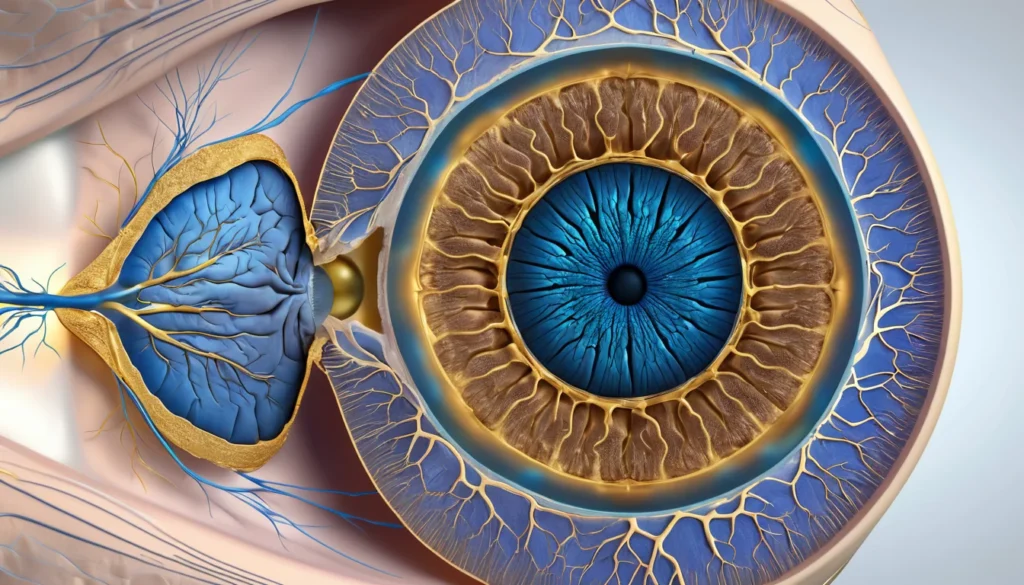
The most visible sign of Gillespie syndrome is aniridia — the partial or complete absence of the iris. The iris is the coloured ring around the pupil in the eye. When it is missing or underdeveloped, the pupil appears very large and does not respond normally to light.
Doctors may also observe related eye conditions alongside aniridia. These can include:
Foveal hypoplasia — underdevelopment of the fovea, the central part of the retina responsible for sharp vision
Ptosis — drooping of the upper eyelid
Nystagmus — involuntary, repetitive eye movements
Importantly, people with Gillespie syndrome do not typically develop cataracts or a condition called corneal pannus as they age. This is actually one feature that helps doctors tell it apart from other forms of isolated aniridia.
Cerebellar Ataxia: Balance and Coordination Problems
Cerebellar ataxia refers to poor muscle tone, balance, and coordination caused by problems in the cerebellum. The cerebellum sits at the back of the brain and coordinates all voluntary movement. When it does not function properly, everyday movements become difficult.
Children and adults with Gillespie syndrome may have trouble with the following:
Walking without assistance — their gait is often unsteady, sometimes described as similar to someone who is intoxicated
Speaking clearly, due to poor control of the muscles used in speech
Writing and fine motor tasks that require precise hand movements
The ataxia in Gillespie syndrome is described as non-progressive. This means it does not get worse over time the way some other neurological conditions do. However, the challenges it creates are still significant and require ongoing support.
In some cases, brain imaging reveals cerebellar hypoplasia (underdevelopment of the cerebellum) or cerebellar atrophy (shrinkage of brain tissue). These structural changes help explain the coordination difficulties seen in affected individuals.
Intellectual and Developmental Delays
Many children with Gillespie syndrome experience delays in both motor and intellectual development. They may take longer to reach milestones like sitting, walking, and talking. Some children also show psychomotor delay, which means they develop voluntary movement control more slowly than expected.
In cases where brain atrophy is present, a degree of intellectual disability may also occur. However, the level of cognitive impact varies from person to person. Not every child with Gillespie syndrome will have the same level of intellectual difficulty.
Early intervention programmes — including physiotherapy, speech therapy, and occupational therapy — are available through many provincial health plans across Canada. Asking your family doctor for referrals early can make a meaningful difference in a child’s development.
What Causes Gillespie Syndrome?
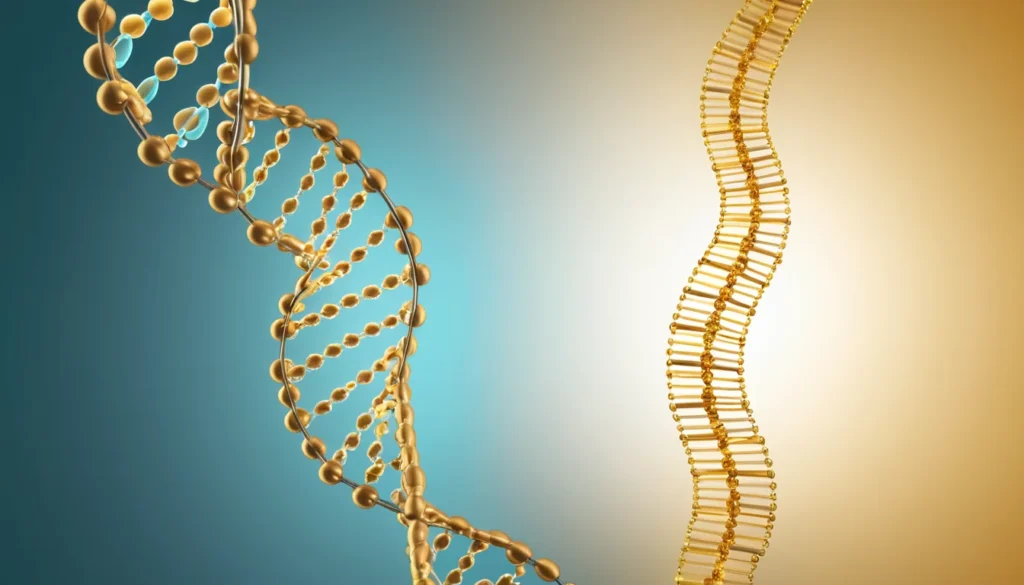
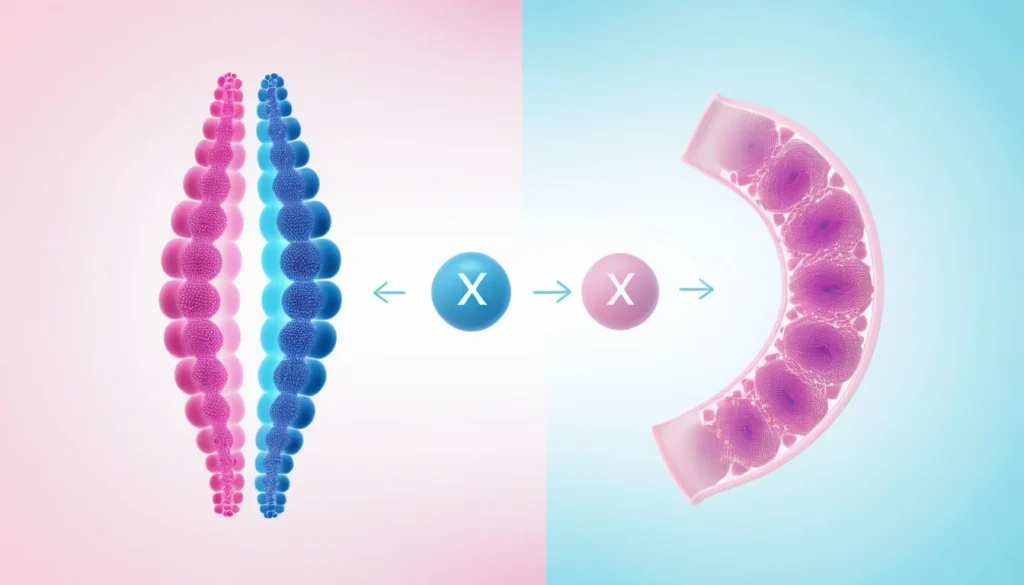
Gillespie syndrome is caused by a genetic change that is inherited in an autosomal recessive pattern. This means a child must inherit one copy of the altered gene from each parent in order to develop the condition. Parents who each carry one copy of the gene usually show no symptoms themselves.
Because the condition is so rare, researchers are still studying its exact genetic causes. Since it was first described in 1965, fewer than 30 cases have been documented in medical literature worldwide. As a result, our understanding of the full genetic picture continues to evolve.
For families with a history of rare genetic conditions, genetic counselling is available in Canada. Your family doctor can provide a referral to a genetics specialist at a hospital or regional health centre.
How Is Gillespie Syndrome Diagnosed?
Diagnosing Gillespie syndrome requires a thorough evaluation by a team of specialists. Because its features overlap with other conditions, an accurate diagnosis can take time. However, early diagnosis is important for planning the right support and interventions.
Clinical Evaluation
A doctor will typically begin with a detailed physical exam and review of the child’s development. An ophthalmologist (eye specialist) will examine the eyes closely for signs of aniridia and related abnormalities. A neurologist will assess muscle tone, coordination, and balance.
Brain Imaging
An MRI of the brain is often used to look for structural changes in the cerebellum. These images may show cerebellar hypoplasia or atrophy. This information helps confirm the diagnosis and guides treatment planning.
Genetic Testing
Genetic testing can identify the specific gene changes linked to Gillespie syndrome. This is helpful both for confirming the diagnosis and for understanding the risk to other family members. In Canada, genetic testing is typically available through hospital genetics departments and is often covered under provincial health plans.
Learn more about how Mayo Clinic describes cerebellar ataxia and its diagnostic process.
Associated Conditions and Complications
In addition to the three main features, some people with Gillespie syndrome may have other health concerns. One example is congenital pulmonary artery stenosis. This is a narrowing of the pulmonary artery, which carries blood from the heart to the lungs.
This heart condition reduces blood flow and can cause abnormal heart sounds (a heart murmur) and fainting episodes. However, it is not present in every case of Gillespie syndrome. The good news is that pulmonary artery stenosis can often be treated successfully with surgery.
Because of the potential for heart involvement, children diagnosed with Gillespie syndrome should receive a full cardiac evaluation. A paediatric cardiologist can assess whether any heart abnormalities are present and recommend appropriate care.
Treatment and Management in Canada
There is currently no cure for Gillespie syndrome. However, a range of supportive treatments can greatly improve quality of life. Treatment is focused on managing each symptom and helping the individual reach their full potential.
A typical care plan may include:
Physiotherapy — to improve balance, muscle tone, and mobility
Occupational therapy — to help with daily tasks and fine motor skills
Speech-language therapy — to address speech and communication difficulties
Low vision support — including adaptive tools and visual aids for those with significant vision loss
Special education programmes — to support learning and development at the child’s own pace
Cardiac surgery — if pulmonary artery stenosis is present and requires treatment
In Canada, many of these services are available through provincial health plans, children’s hospitals, and community health centres. Families can also access support through rare disease networks and advocacy organisations. Your family doctor or paediatrician is the best starting point for coordinating this care.
For more information on managing rare conditions, the World Health Organization offers guidance on rare diseases and the importance of early intervention.
When to See a Doctor
If you notice that your child’s eyes look unusual — for example, the coloured part of the eye appears absent or very small — speak with your family doctor right away. Similarly, if your child seems to have difficulty with balance, coordination, or is not meeting developmental milestones, do not wait.
You can start by booking an appointment with your family doctor or visiting a walk-in clinic. They can assess your child’s symptoms and refer you to the appropriate specialists, such as a paediatrician, ophthalmologist, or neurologist.
Early referral is especially important for children with suspected genetic or neurological conditions. The sooner support programmes begin, the better the outcomes tend to be. Provincial health plans across Canada cover referrals to specialists, so do not hesitate to ask.
Always consult a qualified healthcare provider for any medical concerns. This article is for informational purposes only and does not replace professional medical advice, diagnosis, or treatment.
Frequently Asked Questions About Gillespie Syndrome
What is Gillespie syndrome?
Gillespie syndrome is a rare genetic disorder characterised by partial or complete absence of the iris (aniridia), cerebellar ataxia (poor coordination and balance), and intellectual or developmental delays. It is present from birth and is caused by an inherited genetic change. Fewer than 30 cases have been reported in medical literature worldwide since it was first identified in 1965.
Is Gillespie syndrome the same as aniridia?
No, Gillespie syndrome is not the same as isolated aniridia. While both conditions involve absence or underdevelopment of the iris, Gillespie syndrome also includes cerebellar ataxia and developmental delays. In addition, people with Gillespie syndrome typically do not develop cataracts or corneal pannus, which are common complications in isolated aniridia.
How is Gillespie syndrome inherited?
Gillespie syndrome follows an autosomal recessive inheritance pattern. This means a child must inherit one altered gene from each parent to develop the condition. Parents who each carry one copy of the gene usually do not show any symptoms themselves.
Can Gillespie syndrome be treated?
There is no cure for Gillespie syndrome, but symptoms can be managed with supportive care. Treatment may include physiotherapy, speech-language therapy, occupational therapy, low vision support, and special education programmes. If a heart condition such as pulmonary artery stenosis is present, it can often be corrected with surgery.
Does Gillespie syndrome get worse over time?
The cerebellar ataxia associated with Gillespie syndrome is described as non-progressive, meaning it does not typically worsen over time. However, the challenges it causes — such as difficulties with walking, speaking, and coordination — remain ongoing. Regular follow-up with a healthcare team helps manage these challenges effectively.
Where can Canadians find support for Gillespie syndrome?
Canadians affected by Gillespie syndrome can start by speaking with their family doctor or paediatrician for referrals to specialists. Many provincial health plans cover access to neurologists, ophthalmologists, and genetics departments at children’s hospitals and regional health centres. Rare disease organisations and patient advocacy networks can also provide valuable community support and resources.
Key Takeaways
Gillespie syndrome is a rare genetic disorder present from birth, affecting the eyes, cerebellum, and development.
The three main features are aniridia (absent or partial iris), non-progressive cerebellar ataxia, and developmental delays.
Unlike isolated aniridia, Gillespie syndrome does not typically lead to cataracts or corneal pannus.
It is inherited in an autosomal recessive pattern — both parents must carry the gene for a child to be affected.
Some individuals may also have a heart condition (pulmonary artery stenosis) that can often be treated surgically.
There is no cure, but early intervention through physiotherapy, speech therapy, and educational support can significantly improve outcomes.
Canadian families should speak with their family doctor to access specialist referrals and provincial health plan resources.
Always consult a healthcare professional for personalised medical advice.