Gestational diabetes is a type of diabetes that develops during pregnancy. It happens when the body cannot produce enough insulin to keep blood sugar at a healthy level. In Canada, it affects roughly 3 to 20 percent of pregnancies, depending on risk factors. The good news is that with the right care, most women manage it well and go on to have healthy babies.
What Is Gestational Diabetes?
Gestational diabetes is not the same as Type 1 or Type 2 diabetes. Those types last a lifetime. Gestational diabetes usually goes away after the baby is born.
It most often develops between weeks 24 and 28 of pregnancy. This is why your doctor or midwife will likely offer you a glucose screening test around this time. In Canada, this screening is a routine part of prenatal care covered by most provincial health plans.
However, having gestational diabetes does raise your future health risks. Women who have it are more likely to develop Type 2 diabetes within five years of giving birth. Therefore, follow-up care after delivery is important.
What Causes Gestational Diabetes?
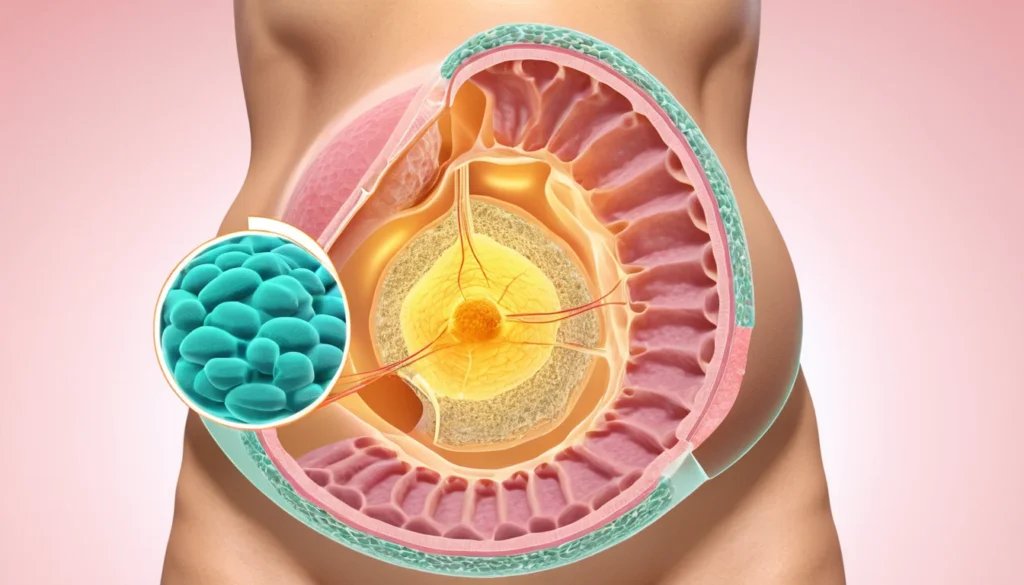
During pregnancy, the placenta produces hormones that help the baby grow. However, these hormones also block the normal action of insulin in the mother’s body. This is called insulin resistance.
As a result, the pancreas needs to produce much more insulin than usual. In some women, the pancreas simply cannot keep up. When that happens, blood sugar rises too high, and gestational diabetes develops.
This process is a normal part of pregnancy to some degree. However, in women who develop gestational diabetes, the body’s response goes beyond what it can handle on its own.
According to Health Canada, maintaining healthy blood sugar levels during pregnancy protects both mother and baby from serious complications.
Risk Factors for Gestational Diabetes
Some women are more likely to develop gestational diabetes than others. Knowing your risk factors helps you and your healthcare provider plan ahead.
Higher-Risk Groups
Women who had gestational diabetes in a previous pregnancy — between 30 and 60 percent will develop it again
Women who are overweight or obese before pregnancy
Women over the age of 25 — risk increases by about 4 percent for each year after 25
Women under 25 who are overweight
Women with a parent or sibling who has Type 2 diabetes
Women from higher-risk ethnic backgrounds, including South Asian, East Asian, African, Hispanic, and Indigenous communities
Women who previously gave birth to a baby weighing more than 4 kilograms (about 9 pounds)
Women with polycystic ovary syndrome (PCOS)
Women who smoke
Signs That May Point to Undiagnosed Diabetes
In some cases, gestational diabetes was actually present before the pregnancy went undetected. Signs that may suggest this include a history of multiple miscarriages, a previous stillbirth with no known cause, or a previous baby born with a high birth weight.
If any of these apply to you, speak with your family doctor or obstetrician early in your pregnancy.
Symptoms of Gestational Diabetes
Many women with gestational diabetes have no symptoms at all. This is one reason why routine screening during pregnancy is so important.
When symptoms do appear, the most common ones include:
Increased thirst
Frequent urination
Increased hunger
Blurred vision
Unusual fatigue
It is easy to overlook these signs. Frequent urination and hunger are also common in a normal pregnancy. However, if these symptoms feel more intense than expected, mention them to your healthcare provider.
In addition, if symptoms are quite noticeable, it may mean that diabetes was present even before the pregnancy began. Your doctor can check this with a simple blood test.
The Mayo Clinic’s overview of gestational diabetes symptoms provides a helpful reference for what to watch for during your pregnancy.
How Gestational Diabetes Affects You and Your Baby
Keeping blood sugar in a healthy range is essential. When blood sugar stays too high, it can cause problems for both mother and baby.
Risks to the Baby
High birth weight: Extra glucose crosses the placenta and causes the baby to grow too large (called macrosomia). This can make vaginal delivery more difficult or impossible.
Low blood sugar after birth: Babies born to mothers with gestational diabetes can have low blood sugar (hypoglycaemia) shortly after delivery.
Higher risk of obesity and Type 2 diabetes later in life
Risks to the Mother
High blood pressure: Gestational diabetes increases the risk of hypertension and preeclampsia during pregnancy.
Higher chance of C-section due to the baby’s size
Greater risk of Type 2 diabetes within five years after delivery
Recurrence in future pregnancies
However, when gestational diabetes is well managed and blood sugar levels stay normal, the risks to both mother and baby drop significantly. This is why early detection and consistent monitoring matter so much.
How Is Gestational Diabetes Managed?
Most women can manage gestational diabetes through healthy eating, regular physical activity, and careful blood sugar monitoring. Your healthcare team will guide you through a plan that works for your situation.
Healthy Eating
A registered dietitian can help you build a meal plan that keeps blood sugar steady. In general, this means eating regular meals and snacks, choosing high-fibre foods, and limiting sugary drinks and refined carbohydrates. Whole grains, vegetables, lean proteins, and healthy fats are all helpful choices.
You do not need to follow a complicated or restrictive diet. Small, balanced meals spread through the day can make a real difference.
Physical Activity
Regular, moderate exercise helps the body use insulin more effectively. Walking, swimming, and prenatal yoga are all good options. Aim for at least 30 minutes of moderate activity most days, unless your doctor advises otherwise.
Blood Sugar Monitoring
Your doctor will show you how to check your blood sugar at home using a small device called a glucometer. You will likely check it several times a day — before and after meals. Keeping a log helps your healthcare team adjust your plan if needed.
Insulin or Medication
If diet and exercise are not enough to control blood sugar, your doctor may prescribe insulin injections or oral medication. This is safe during pregnancy and does not mean you have failed in your self-care. Some women simply need extra help.
For more information on blood sugar management during pregnancy, visit the World Health Organization’s fact sheet on diabetes.
When to See a Doctor or Go to a Clinic
Always speak with your family doctor or obstetrician if you suspect gestational diabetes or if your symptoms change. Most provinces cover gestational diabetes screening and management under their public health plans, so cost should not be a barrier.
Go to a walk-in clinic or call your family doctor right away if you experience any of the following:
You lose consciousness or feel extremely confused
Your blood sugar drops below 2.8 mmol/L (50 mg/dL) and does not improve after eating sugar
You feel very drowsy and your blood sugar is still low after treatment
You notice your baby moving less than usual or movement stops
You have been vomiting or have had diarrhea for more than six hours
Your blood sugar rises above 13.9 mmol/L (250 mg/dL) and a urine test shows ketones
You are unsure how to respond to a low blood sugar episode
If you are on insulin and your blood sugar does not return to normal after a missed or extra dose, contact your healthcare provider the same day. Do not wait.
Your care team may include your family doctor, obstetrician, endocrinologist, and a registered dietitian. In Canada, referrals to these specialists are typically available through your provincial health plan.
This article is for informational purposes only. Always consult your doctor, midwife, or a qualified healthcare provider for advice specific to your pregnancy and health.
Frequently Asked Questions About Gestational Diabetes
What is gestational diabetes and when does it develop?
Gestational diabetes is a type of diabetes that develops during pregnancy, usually between weeks 24 and 28. It happens when the body cannot produce enough insulin to manage rising blood sugar levels. It typically goes away after the baby is born, but it does increase the mother’s risk of developing Type 2 diabetes later in life.
Can gestational diabetes harm my baby?
Yes, uncontrolled gestational diabetes can cause the baby to grow too large, which can complicate delivery. Babies may also be born with low blood sugar. However, with proper management, most women with gestational diabetes have healthy pregnancies and babies.
Does gestational diabetes go away after birth?
In most cases, gestational diabetes resolves on its own after delivery. However, women who have had it are at higher risk of developing Type 2 diabetes within five years. Your doctor will recommend follow-up blood sugar testing after your baby is born.
How is gestational diabetes treated in Canada?
Gestational diabetes is managed through healthy eating, regular physical activity, and blood sugar monitoring. If these steps are not enough, your doctor may prescribe insulin or oral medication. Treatment and screening are generally covered under provincial health plans across Canada.
What are the warning signs of gestational diabetes?
Many women with gestational diabetes have no symptoms at all, which is why routine screening is so important. When symptoms do occur, they can include extreme thirst, frequent urination, unusual hunger, blurred vision, and fatigue. If you notice these symptoms during pregnancy, speak with your family doctor or midwife promptly.
Will I get gestational diabetes again in my next pregnancy?
There is a significant chance of recurrence. Between 30 and 60 percent of women who had gestational diabetes in one pregnancy will develop it again in a future pregnancy. However, maintaining a healthy weight and active lifestyle between pregnancies can help lower this risk.
Key Takeaways
Gestational diabetes develops during pregnancy when the body cannot produce enough insulin to manage blood sugar.
It most often appears between weeks 24 and 28, and routine screening is part of standard prenatal care in Canada.
Risk factors include being overweight, being over 25, a family history of Type 2 diabetes, and certain ethnic backgrounds.
Many women have no symptoms — screening is the only reliable way to detect it.
Most cases are managed with healthy eating, exercise, and blood sugar monitoring.
If diet and activity are not enough, insulin or medication is safe and effective during pregnancy.
Gestational diabetes usually resolves after delivery, but raises the long-term risk of Type 2 diabetes for the mother.
Always speak with your family doctor, midwife, or obstetrician if you have any concerns about your blood sugar during pregnancy.