Genetic testing is a powerful medical tool that can reveal important information about your health and your family’s future. It examines your DNA to detect changes in genes or chromosomes that may cause disease. For many Canadians, genetic testing can help guide major life decisions — from family planning to cancer prevention. This article explains how genetics works, what the main types of genetic testing are, and when it might be right for you.
What Are Genes and Why Do They Matter?
Genes are small sections of your cells that carry biological information. They act like a set of instructions that control how your cells grow and develop. Every person inherits half of their genes from their mother and half from their father.
Genes contain DNA (deoxyribonucleic acid), a substance found inside the cell’s nucleus. DNA holds the full blueprint for your body. Your genes influence traits like hair colour, eye colour, and blood type. They can also affect your risk of developing certain health conditions.
When genes change in an unexpected way, these changes are called mutations. Some mutations are harmless. However, others can disrupt how the body works and lead to inherited disorders or diseases.
Understanding Chromosomes
Every human cell contains 46 chromosomes, arranged in 23 pairs. You inherit one chromosome in each pair from your mother and one from your father. Chromosomes carry your genes and play a key role in your overall health.
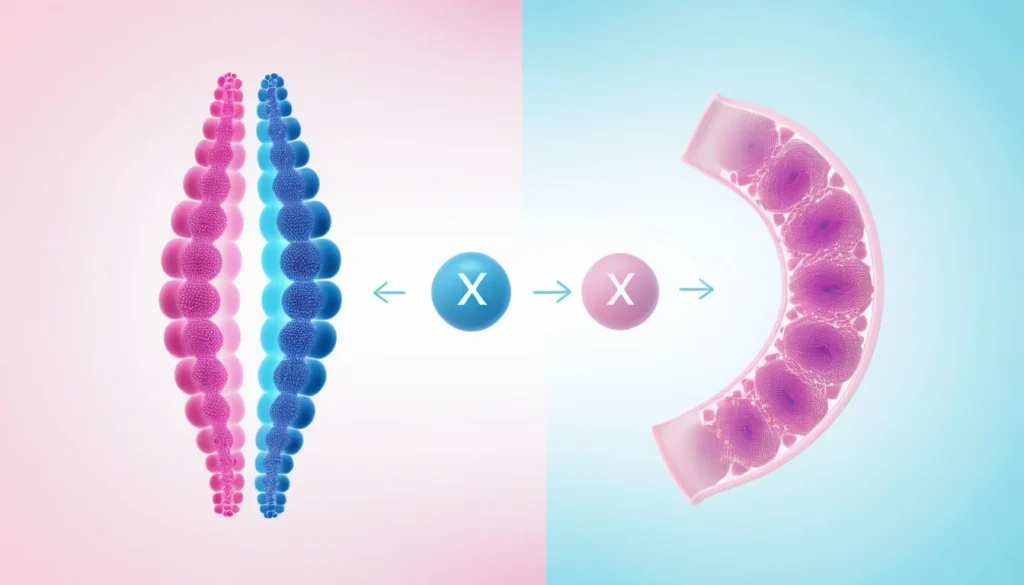
One of these 23 pairs determines biological sex. These are called the sex chromosomes, labelled X and Y. A person who inherits two X chromosomes (XX) is biologically female. A person who inherits one X and one Y chromosome (XY) is biologically male.
Sometimes chromosomes have errors in their number or structure. These errors can cause conditions such as Down syndrome. In addition, certain gene mutations passed down through families can increase the risk of serious illness later in life.
What Is Genetic Testing?
Genetic testing examines samples of DNA to look for mutations in genes or irregularities in chromosomes. A lab technician checks the number, arrangement, and characteristics of your chromosomes. Testing can be done using blood, saliva, urine, hair, tissue, or other biological samples.
The information from a genetic test can help you and your doctor make important health decisions. For example, if a test shows you carry a gene linked to breast cancer, your family doctor may recommend more frequent screening or preventive steps. Health Canada supports access to genetic services through provincial health programmes across the country.
In Canada, genetic testing is often available through referrals from your family doctor or a specialist. Provincial health plans may cover certain tests, particularly those ordered for medical reasons. It is always best to speak with your doctor first to understand what is covered in your province.
The 5 Main Types of Genetic Testing
There are five main types of genetic testing used in healthcare today. Each serves a different purpose and provides different information.
1. Carrier Identification
This test checks whether a person carries a gene mutation for a specific inherited disease — even if they show no symptoms themselves. It is often recommended for people with a family history of a hereditary condition, such as cystic fibrosis or sickle cell disease. The results can help couples decide whether to have children or explore other options.
2. Prenatal Genetic Testing
Prenatal testing checks whether a developing baby has a genetic abnormality, such as Down syndrome. Doctors may recommend this test during pregnancy, especially if the mother is over 35 or has a relevant family history. The results can guide decisions about ongoing care and pregnancy management.
3. Newborn Screening
In Canada, all newborns are routinely screened for a range of metabolic and genetic conditions shortly after birth. One example is phenylketonuria (PKU), a condition where the body cannot break down a certain protein properly. Catching these conditions early allows doctors to start treatment right away, giving babies the best possible start in life.
4. Late-Onset Disease Testing
This type of genetic testing checks whether a person carries a mutation that may increase their risk of developing a disease later in life. Common examples include hereditary breast and ovarian cancer (linked to the BRCA1 and BRCA2 genes) and Huntington’s disease. This test is most useful for people who have close relatives already diagnosed with a hereditary condition.
Knowing your risk in advance gives you more options. Therefore, you and your doctor can work together on a prevention plan, such as increased monitoring or lifestyle changes. Mayo Clinic provides a detailed overview of genetic testing that many Canadians find helpful.
5. DNA Fingerprinting (Genetic Identification)
DNA fingerprinting uses genetic material to identify individuals. It is commonly used in paternity testing, criminal investigations, and the identification of human remains. This method is more accurate than traditional techniques such as dental X-rays or fingerprint analysis.
Reasons to Consider Genetic Testing
People choose genetic testing for many different reasons. Here are some of the most common ones:
You have a family history of a hereditary disease and want to know your personal risk.
You are planning a pregnancy and want to understand any risk of passing on a genetic condition to your child.
You are currently pregnant and your doctor has recommended prenatal screening.
You want to take preventive action against a disease you may be at higher risk for.
You need to confirm or rule out a diagnosis based on your symptoms.
Furthermore, some people pursue genetic testing simply to better understand their own health. However, it is important to think carefully before testing, since the results can have emotional and practical consequences for you and your family.
Risks and Considerations of Genetic Testing
While genetic testing can be very helpful, it is not without its challenges. There are three main areas to consider before you decide to test.
Emotional and Psychological Impact
Finding out you carry a gene for a serious illness can cause significant anxiety or depression. It may also affect your relationships with a partner or other family members. As a result, genetic counselling is strongly recommended before and after testing. A genetic counsellor can help you understand what the results mean and how to cope with them.
Medical Decisions After Testing
A positive test result may lead you to consider preventive treatments or closer medical monitoring. Some of these options are well proven and effective. However, others may carry their own risks or may not yet have strong evidence behind them. Always discuss your options with a qualified healthcare provider before making any decisions.
Privacy and Insurance Concerns
Genetic testing can be expensive, and not all costs are covered by provincial health plans in Canada. Many people also worry about how their genetic information might be used by insurance companies or employers. It is worth asking your doctor and insurer about privacy policies before you proceed. The World Health Organization outlines ethical guidelines for genetic testing that are worth reviewing.
When to See a Doctor
If you are thinking about genetic testing, your first step should be a conversation with your family doctor. They can assess your personal and family health history, explain your options, and refer you to a genetic specialist if needed.
If you do not have a family doctor, you can visit a walk-in clinic to get started. A doctor there can review your concerns and help you access the right services in your province. Many provinces also have dedicated genetic counselling clinics connected to major hospitals and health centres.
Do not wait until you are sick to ask questions. Genetic testing works best as part of an informed, proactive conversation with your healthcare team. As always, please consult your doctor before making any decisions based on genetic health information.
Frequently Asked Questions About Genetic Testing
Is genetic testing covered by provincial health plans in Canada?
Coverage for genetic testing varies by province and by the reason for testing. Tests ordered by a doctor for medical reasons — such as prenatal screening or newborn screening — are often covered. However, direct-to-consumer genetic testing kits are generally not covered by provincial health plans.
How accurate is genetic testing?
Genetic testing performed in a certified medical laboratory is highly accurate for detecting specific gene mutations or chromosomal changes. However, a positive result does not always mean you will develop a disease — it may only indicate an increased risk. Your doctor or a genetic counsellor can help you interpret what the results mean for you.
What happens during a genetic testing appointment?
During a genetic testing appointment, a healthcare provider will collect a sample — usually blood or saliva — and send it to a laboratory for analysis. The results can take anywhere from a few days to several weeks, depending on the type of test. You will usually meet with a doctor or genetic counsellor to discuss the results and next steps.
Who should consider carrier genetic testing?
Carrier genetic testing is recommended for people who have a family history of a specific hereditary condition, such as cystic fibrosis, Tay-Sachs disease, or sickle cell disease. It is especially useful for couples who are planning a pregnancy and want to understand the risk of passing a condition to their child. Your family doctor can refer you to a genetic specialist for this type of testing.
Can genetic testing predict all diseases?
No — genetic testing cannot predict all diseases. It can identify specific gene mutations that increase the risk of certain conditions, but most diseases are influenced by a combination of genetics, lifestyle, and environment. Genetic testing is a useful tool, but it is not a crystal ball.
Is genetic testing safe?
The physical process of genetic testing is very safe, as it typically only requires a blood or saliva sample. The more important considerations are the emotional and privacy-related risks that can come with receiving genetic information. Speaking with a genetic counsellor before and after testing can help you navigate these challenges effectively.
Key Takeaways
Genes and chromosomes carry the biological information you inherit from your parents and influence your health, traits, and disease risk.
Genetic testing examines your DNA to detect mutations or chromosomal changes that may cause inherited conditions.
There are five main types of genetic testing: carrier identification, prenatal testing, newborn screening, late-onset disease testing, and DNA fingerprinting.
Testing can provide valuable information for family planning, disease prevention, and medical decision-making.
Consider the emotional, medical, and privacy implications before pursuing genetic testing.
Always speak with your family doctor or visit a walk-in clinic first to get the right referral and understand your provincial coverage.
Genetic counselling is strongly recommended before and after any form of genetic testing.