Genes are tiny segments of DNA that control how your body is built and how it works. Every human being has thousands of genes, and together they shape everything from your eye colour to your risk of certain diseases. Understanding how genes work can help you make better decisions about your health. In this article, we explain genes in plain language — no science degree required.
What Are Genes?
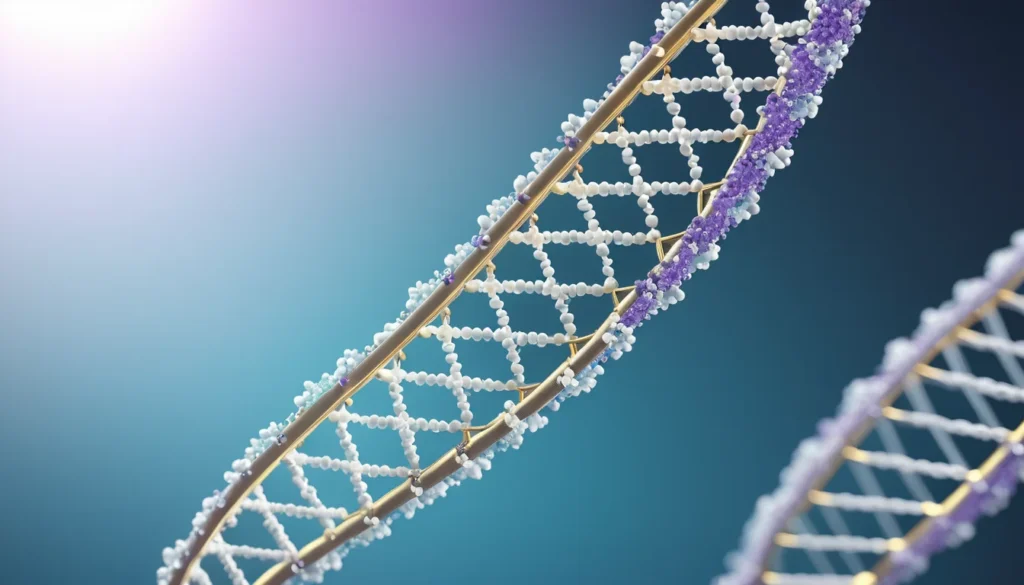
A gene is a specific section of DNA that contains instructions for making a protein. Proteins do most of the work inside your cells. They build tissues, fight infection, carry oxygen, and much more.
Think of your DNA as a very long instruction manual. Each gene is one chapter in that manual. Your body reads those chapters to know how to grow, repair itself, and function every day.
All of your DNA together — every single gene in every cell — is called your genome. The human genome contains roughly 20,000 to 25,000 genes. For more detail, visit the World Health Organization’s guide to genetic terms.
Where Are Genes Located?
Genes sit on structures called chromosomes, which are found inside almost every cell in your body. Each gene has a fixed location on a chromosome. That location is called a locus (plural: loci).
This location stays the same from one generation to the next. That is why traits like height or blood type are passed down so reliably through families.
Humans have 23 pairs of chromosomes, for a total of 46. Because chromosomes come in pairs, you carry two copies of almost every gene — one from your biological mother and one from your biological father.
The X and Y Chromosomes
The only exception involves the sex chromosomes, called X and Y. Females typically carry two X chromosomes (XX). Males typically carry one X and one Y chromosome (XY).
Therefore, genes found only on the X or Y chromosome exist as just one copy in biological males. This is important because it affects how certain genetic conditions are inherited. For example, some conditions like colour blindness appear more often in males for this reason.
What Are Alleles?
Because you have two copies of most genes, those copies are not always identical. Different versions of the same gene are called alleles.
Eye colour is a classic example. The gene that influences eye colour can come in versions for blue, brown, green, and other colours. Each version is a different allele.
The combination of alleles you carry determines your traits. This is why two brown-eyed parents can sometimes have a blue-eyed child — it depends on which alleles each parent passes on.
Homozygous vs. Heterozygous
When both copies of a gene are the same allele, you are called homozygous for that gene. For example, if both copies carry the allele for blue eyes, you are homozygous for that trait.
However, when your two copies carry different alleles, you are called heterozygous. In that case, one allele may have a stronger effect than the other. The stronger allele is called dominant, and the weaker one is called recessive.
Understanding this distinction matters a great deal when it comes to hereditary diseases. Learn more from Healthline’s explanation of homozygous and heterozygous genes.
How Genes Are Linked to Hereditary Disease
A hereditary disease is a condition caused by a mutation — a change or error — in one or more genes. These mutations can be passed from parent to child. Not all mutations cause disease, but some do.
Doctors and geneticists classify hereditary diseases by how they are inherited. The two main patterns are recessive and dominant transmission.
Recessive Genetic Conditions
A condition is called recessive when both copies of a gene must carry a mutation for the disease to appear. If only one copy carries the mutation, the person is a carrier. Carriers usually have no symptoms themselves, but they can pass the mutation to their children.
Cystic fibrosis is a well-known example of a recessive genetic condition. In Canada, it affects roughly 1 in 3,600 children. If both parents are carriers, each child has a 25% chance of inheriting the condition.
Dominant Genetic Conditions
A condition is called dominant when just one mutated copy of a gene is enough to cause disease. In other words, even one faulty allele out of the two copies can lead to symptoms.
Huntington’s disease is a well-known dominant genetic condition. If a parent carries the mutation, each child has a 50% chance of inheriting it. As a result, dominant conditions often appear in every generation of an affected family.
Other Patterns of Inheritance
Some conditions follow more complex patterns. For example, some are X-linked, meaning the mutated gene sits on the X chromosome. Others involve multiple genes working together, or a combination of genes and environment. These are called multifactorial conditions.
Heart disease, type 2 diabetes, and many cancers fall into this multifactorial category. Your genes may raise your risk, but lifestyle choices also play a major role.
Genetic Testing in Canada
Genetic testing checks for mutations or changes in your genes, chromosomes, or proteins. It can help diagnose a condition, assess your risk of developing one, or guide treatment decisions.
In Canada, genetic testing is available through your provincial health plan in many situations. Your family doctor can refer you to a genetics specialist or a regional genetics centre. Provincial coverage varies, so check with your local health authority for details.
Common reasons for genetic testing in Canada include a family history of hereditary disease, planning a pregnancy, or a new diagnosis that may have a genetic component. According to Health Canada’s information on genetic therapies, advances in this field are moving quickly.
Genetic Counselling
If you are considering genetic testing, a genetic counsellor can be very helpful. These are trained professionals who explain what the results mean and help you make informed decisions.
Ask your family doctor for a referral. Genetic counsellors work at major hospitals and health centres across Canada, including in most provincial capitals.
Genes, Lifestyle, and Your Health
Having a gene variant that raises your risk of a disease does not mean you will definitely get that disease. In many cases, lifestyle choices have a powerful influence on whether a gene variant ever leads to illness.
For example, carrying a gene linked to heart disease does not guarantee a heart attack. Regular physical activity, a balanced diet rich in fibre, not smoking, and managing stress can all significantly lower your risk.
Furthermore, researchers continue to discover how the environment interacts with our genes. This field is called epigenetics. It studies how behaviours and environmental factors can turn genes on or off without changing the DNA sequence itself.
In addition, some medications now work by targeting specific gene mutations. This is called precision medicine or personalized medicine. It is one of the most exciting developments in modern Canadian healthcare.
When to See a Doctor
You should speak with your family doctor if you have concerns about a hereditary condition in your family. A family doctor can review your family history and decide whether a referral to a genetics specialist is appropriate.
If you do not have a family doctor, a walk-in clinic is a good first step. Staff there can point you toward the right resources in your province.
Consider booking an appointment if any of the following apply to you:
A close family member has been diagnosed with a hereditary disease
You are planning a pregnancy and have concerns about genetic conditions
You have received an unexpected diagnosis that may have a genetic cause
You want to understand your personal risk for conditions like cancer or heart disease
Always remember that this article is for general information only. It is not a substitute for professional medical advice. Please consult your doctor before making any decisions about genetic testing or your healthcare.
Frequently Asked Questions About Genes
What do genes actually do in the human body?
Genes carry the instructions your body uses to make proteins. Proteins are the building blocks of cells, tissues, and organs. In short, genes control almost every biological process in your body, from growth to immune response.
Can genes be changed or modified?
Yes, gene mutations can occur naturally over time, and scientists have developed tools like CRISPR to edit genes in a laboratory setting. However, gene editing in humans is still largely experimental and tightly regulated in Canada. Talk to your doctor if you are curious about emerging gene therapies.
How many genes do humans have?
Humans have between 20,000 and 25,000 genes, though scientists are still refining this number. All of your genes together make up your genome. Despite having roughly the same number of genes as many other animals, human genes can produce a vast variety of proteins.
Are genetic diseases always inherited from a parent?
Not always. Some genetic mutations occur spontaneously during a person’s development and are not inherited from either parent. These are called de novo mutations. However, many hereditary diseases do follow clear patterns of transmission from parent to child through dominant or recessive genes.
Is genetic testing covered by provincial health insurance in Canada?
Coverage for genetic testing varies by province and by medical indication. In many cases, testing ordered by a doctor for a clear medical reason is covered under provincial health plans. Ask your family doctor or check your provincial health authority’s website for current coverage details in your area.
Can lifestyle choices affect how genes behave?
Yes, and this is one of the most important findings in modern health science. The field of epigenetics shows that diet, exercise, stress, and other factors can influence how genes are expressed — meaning whether they are switched on or off. You cannot change your DNA sequence, but you can influence how your genes behave through healthy choices.
Key Takeaways
Genes are segments of DNA that carry instructions for making proteins and shaping your traits.
Genes sit at fixed locations on chromosomes, and you carry two copies of most genes — one from each biological parent.
Different versions of the same gene are called alleles. You are homozygous if both copies match, and heterozygous if they differ.
Hereditary diseases follow either a dominant or recessive pattern of inheritance, or more complex multifactorial patterns.
Genetic testing is available in Canada through referral from your family doctor, and coverage depends on your province.
Lifestyle choices — including diet, physical activity, and behaviour — can influence how your genes express themselves.
Always speak with your family doctor or visit a walk-in clinic if you have concerns about your genetic health.