Gaucher disease is a rare genetic disorder where fatty substances called lipids build up in organs like the liver, spleen, and bone marrow. Over time, this buildup interferes with how these organs work and can cause serious health problems. In Canada, people with a family history of this condition — particularly those of Ashkenazi Jewish heritage — face a higher risk. This article explains what Gaucher disease is, how it is diagnosed, and what treatment options are available to Canadians.
What Is Gaucher Disease?
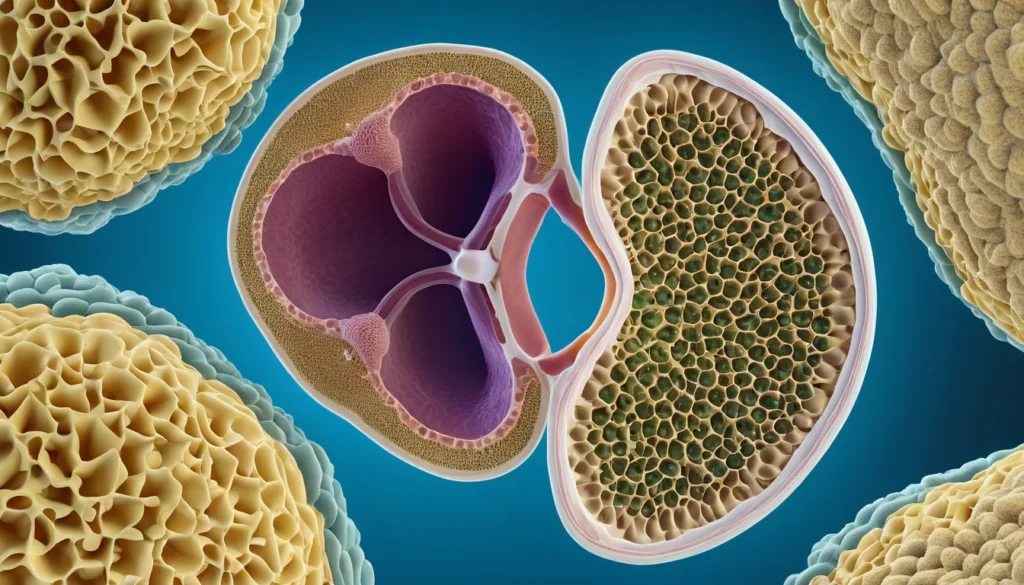
Gaucher disease happens when the body does not make enough of an enzyme called glucocerebrosidase. Normally, this enzyme breaks down certain fatty substances. However, without enough of it, those fats accumulate in the liver, spleen, bone marrow, and sometimes the brain.
The disease is named after the French physician who first described it in 1882. It affects men and women equally and can appear at any age. Gaucher disease is the most common lysosomal storage disorder in the world. For more background, visit the World Health Organization’s resource centre on rare diseases.
Types of Gaucher Disease
There are three main types of Gaucher disease. Doctors classify them based on the age of diagnosis and whether the brain and nervous system are involved.
Type 1 — The Most Common Form
Type 1 Gaucher disease does not affect the brain or nervous system. It can appear at any age, but the average age of diagnosis is around 20 years old. This type makes up roughly 95% of all Gaucher disease cases. Many people with Type 1 lead full lives with proper treatment.
Type 2 — The Most Severe Form
Type 2 is rare and affects infants. Symptoms such as severe liver and spleen enlargement appear as early as three months of age. This type causes rapid and extensive brain damage. Unfortunately, most children with Type 2 Gaucher disease do not survive past two years of age.
Type 3 — The Chronic Form
Type 3 Gaucher disease affects children and adolescents. It progresses more slowly than Type 2 and tends to be chronic. The brain is affected, but the damage is usually less severe. Symptoms like enlarged organs can vary widely in intensity from person to person.
Signs and Symptoms of Gaucher Disease
Symptoms of Gaucher disease can vary greatly from one person to the next. Some people have mild symptoms while others face serious complications. Bone pain or fractures are often the first sign that something is wrong.
Common symptoms include:
Bone problems — including thinning of the bones (osteopenia), bone pain, and fractures
Enlarged liver or spleen — causing abdominal discomfort and a swollen belly
Anaemia — a shortage of healthy red blood cells, causing fatigue and weakness
Easy bruising — which may signal a low platelet count (thrombocytopenia)
Cognitive changes — in types that affect the brain, including memory problems or developmental delays
Abnormal eye movements — especially in Type 3
Yellow spots on the eyes
Brown discolouration of the skin
Abnormal kidney or lung function
In addition, infants with Type 2 may show swelling caused by fluid buildup in the tissues at birth. As always, if you notice any of these symptoms in yourself or your child, speak with a healthcare provider.
What Causes Gaucher Disease?
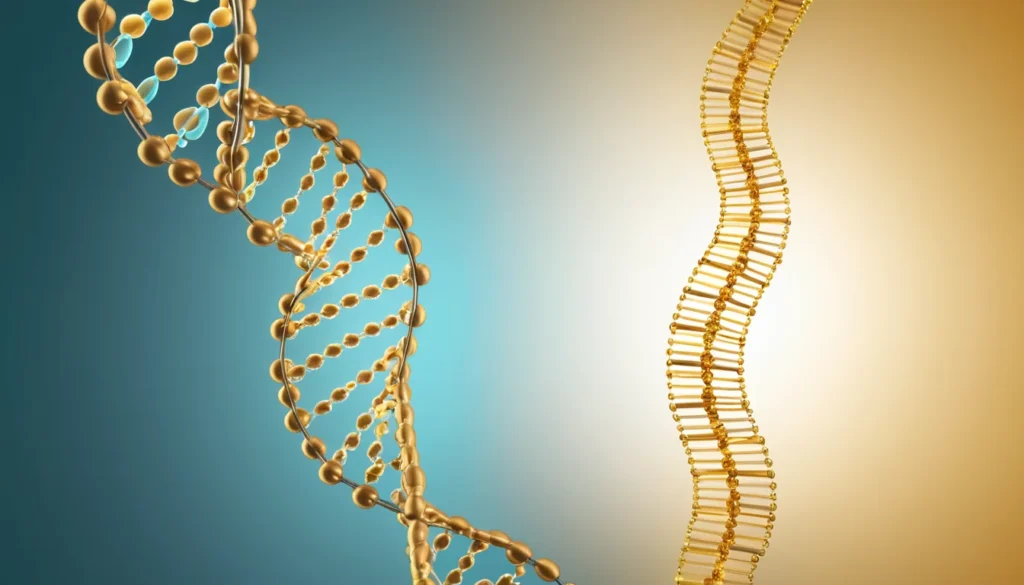
Gaucher disease is caused by a mutation in the GBA gene, which gives instructions for making the glucocerebrosidase enzyme. Without enough of this enzyme, fatty lipids accumulate in the body’s cells and organs.
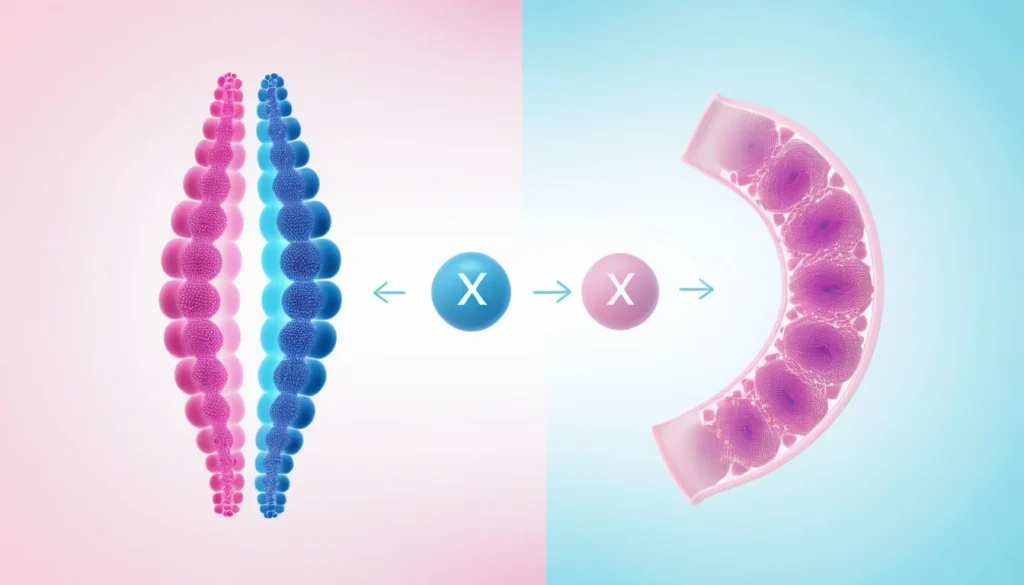
The disease follows an autosomal recessive inheritance pattern. This means both parents must carry the faulty gene for a child to develop the condition. Even when both parents are carriers, there is only a 25% chance the child will have the disease. There is also a 50% chance the child will be a carrier but unaffected, and a 25% chance the child will not carry the gene at all.
Therefore, genetic counselling can be very helpful for families who have a history of Gaucher disease. A genetics specialist can walk you through your family’s specific risks. Learn more about inherited conditions from Mayo Clinic’s guide to genetic disorders.
Who Is at Risk?
Gaucher disease can affect anyone, but certain groups face a higher risk. People of Ashkenazi Jewish descent — those with ancestry from Central or Eastern Europe — are significantly more likely to carry the genetic mutation. In fact, roughly 1 in 10 people of Ashkenazi Jewish heritage carries the gene variant linked to Gaucher disease.
Furthermore, anyone with a family history of Gaucher disease should talk to their family doctor about genetic testing. This is especially important for people who are planning to have children. A genetics specialist can evaluate whether you or your partner are carriers.
Diagnosing Gaucher Disease in Canada
If your doctor suspects Gaucher disease, they will typically start with a blood test. This test measures the level of glucocerebrosidase enzyme activity in your blood. People with Gaucher disease have lower-than-normal enzyme levels. Carriers of the gene usually show intermediate enzyme levels — somewhere between normal and affected.
Imaging Tests
Once diagnosed, your doctor may recommend imaging tests to monitor disease progression. These can include:
MRI (Magnetic Resonance Imaging) — uses magnetic fields and radio waves to check for organ enlargement and bone changes
Bone density scans — track changes in bone strength over time
Prenatal Testing
For pregnant women who carry the Gaucher gene, prenatal testing is available. Two options are commonly offered:
Amniocentesis — tests cells from the amniotic fluid surrounding the baby
Chorionic villus sampling (CVS) — tests tissue from the placenta
Both tests can detect all types of Gaucher disease in the fetus. Talk to your family doctor or obstetrician about whether these tests are right for you. Genetic counselling services are available through most provincial health plans across Canada.
Possible Complications of Gaucher Disease
Without treatment, Gaucher disease can lead to serious complications. The severity depends on the type and how early treatment begins.
People with Type 2 Gaucher disease face the most severe neurological complications, which may include:
Seizures
Difficulty swallowing
Abnormal gait (difficulty walking)
As a result of these complications, Type 2 is often life-limiting. Other possible complications across all types include:
Severe swelling at birth due to fluid buildup in the tissues
Calcification of heart valves, which can lead to heart damage
Increased risk of certain cancers, including multiple myeloma
Liver disease from long-term fatty accumulation
Frequent bone fractures due to reduced bone density
However, with early diagnosis and modern treatment, many of these complications can be prevented or managed effectively.
Treatment Options for Gaucher Disease
There is no cure for Gaucher disease, but effective treatments exist. The most common treatment is enzyme replacement therapy (ERT). ERT delivers the missing glucocerebrosidase enzyme directly into the bloodstream through regular intravenous infusions. This helps the body break down the fatty lipids before they build up further.
In addition, substrate reduction therapy (SRT) is an oral medication that reduces the amount of fatty substance the body produces. This is another option for some patients, particularly those with Type 1 Gaucher disease.
Treatment plans are tailored to each individual. Your specialist will monitor your response and adjust your care as needed. In Canada, coverage for these treatments may be available through provincial drug benefit programmes or federal drug plans. Ask your family doctor or specialist about what your provincial health plan covers.
For a broader overview of Gaucher disease management, Healthline provides a detailed patient resource on Gaucher disease treatment.
When to See a Doctor
You should speak with your family doctor if you or your child experiences unexplained bone pain, easy bruising, unusual fatigue, or a visibly swollen abdomen. These symptoms do not always mean Gaucher disease is present, but they deserve proper investigation.
If you have a known family history of Gaucher disease, ask your family doctor about genetic testing even if you have no symptoms. Most family doctors and walk-in clinics across Canada can start this conversation and refer you to a genetics specialist if needed.
Early diagnosis makes a significant difference. The sooner Gaucher disease is identified, the sooner treatment can begin — and the better the long-term outcome. As always, please consult your doctor before making any decisions about your health or your family’s health.
Frequently Asked Questions About Gaucher Disease
What is Gaucher disease in simple terms?
Gaucher disease is a genetic condition where the body cannot properly break down certain fatty substances. These fats build up in organs like the liver, spleen, and bone marrow, causing pain, swelling, and other health problems. It is caused by a missing or faulty enzyme called glucocerebrosidase.
Is Gaucher disease curable?
There is currently no cure for Gaucher disease, but it can be effectively managed with treatment. Enzyme replacement therapy (ERT) is the most common approach and can significantly reduce symptoms and prevent complications. Many people with Type 1 Gaucher disease live full and active lives with proper care.
How is Gaucher disease inherited?
Gaucher disease follows an autosomal recessive inheritance pattern, meaning a child must inherit a faulty gene from both parents to develop the condition. If both parents are carriers, there is a 25% chance each pregnancy will result in a child with Gaucher disease. Genetic counselling can help families understand their specific risk.
Who is most likely to get Gaucher disease?
Gaucher disease can affect anyone, but it is significantly more common among people of Ashkenazi Jewish descent. Approximately 1 in 10 people in this population carries the gene variant associated with Gaucher disease. Anyone with a family history of the condition should speak with their doctor about genetic testing.
What does Gaucher disease feel like?
Many people with Gaucher disease first notice bone pain or fractures, as well as fatigue from anaemia. A swollen abdomen from an enlarged liver or spleen is also common. Some people bruise very easily due to low platelet counts, while others may have few noticeable symptoms at all.
Can Gaucher disease be detected before birth?
Yes, Gaucher disease can be detected before birth through prenatal testing. Amniocentesis and chorionic villus sampling (CVS) are two methods that can identify all types of Gaucher disease in a fetus. Pregnant women who carry the Gaucher gene should speak with their family doctor or obstetrician about these options.
Key Takeaways
Gaucher disease is a rare genetic disorder caused by a deficiency of the enzyme glucocerebrosidase, leading to fat buildup in organs and bones.
There are three types: Type 1 (most common, no brain involvement), Type 2 (severe, affects infants), and Type 3 (chronic, affects children and teens).
Common symptoms include bone pain, easy bruising, fatigue, and organ enlargement.
The condition is more common among people of Ashkenazi Jewish heritage but can affect anyone.
Diagnosis is confirmed through a blood enzyme test, with additional imaging used to track progression.
Enzyme replacement therapy is the main treatment and can greatly improve quality of life.
Canadians with a family history of Gaucher disease should speak with their family doctor or walk-in clinic about genetic testing and referral to a specialist.
Always consult your doctor before making any health decisions related to Gaucher disease.