Gastroparesis is a chronic digestive condition where the stomach cannot empty itself properly. The muscles that move food through your digestive tract are weakened or stop working altogether. As a result, food sits in the stomach far longer than it should. This article explains what gastroparesis is, what causes it, and what treatment options are available to Canadians.
What Is Gastroparesis?
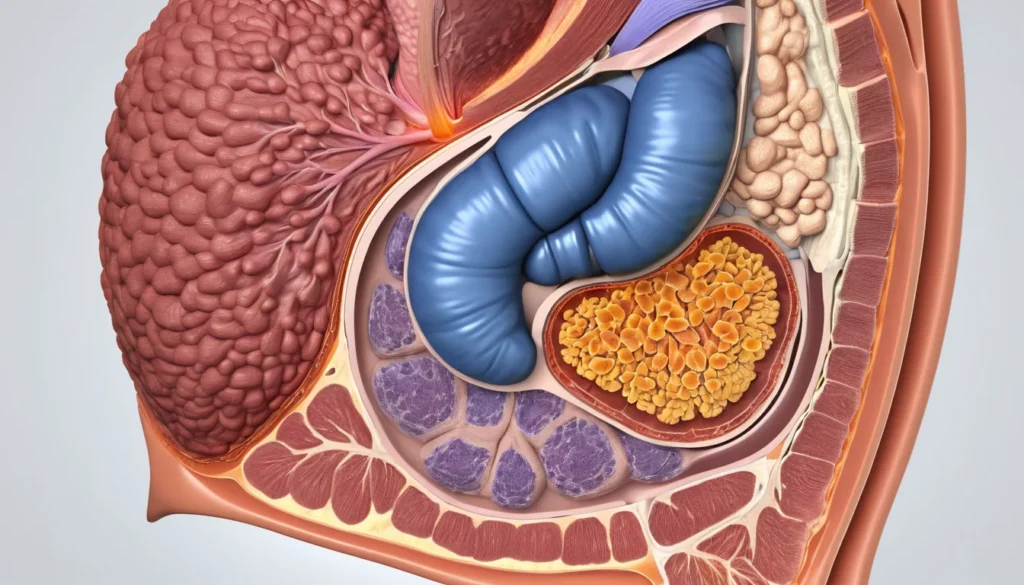
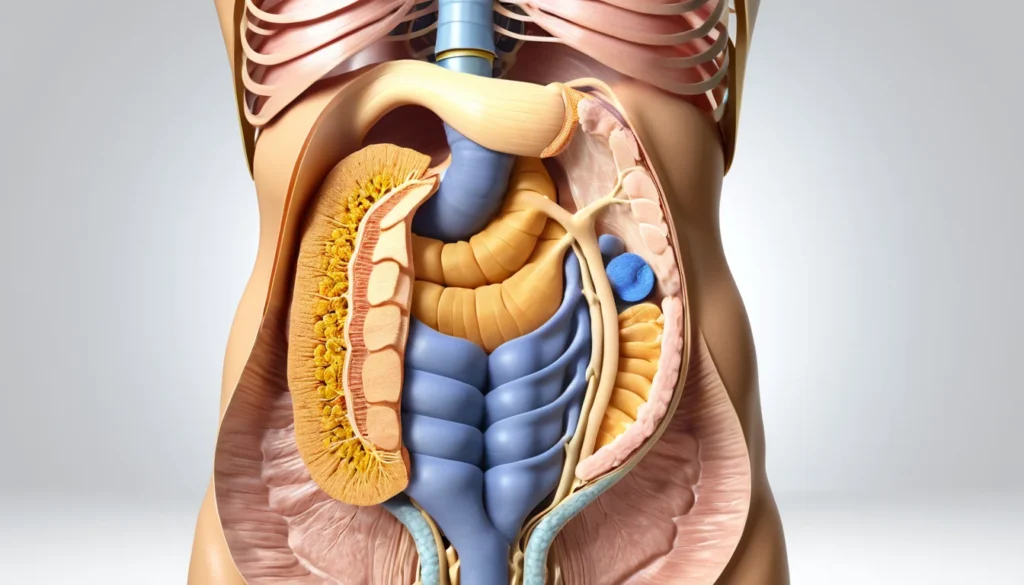
Gastroparesis is also called delayed gastric emptying or gastric atony. In a healthy digestive system, the stomach’s muscles contract in waves to push food into the small intestine. With gastroparesis, those contractions are too weak or absent entirely.
The vagus nerve plays a key role here. This nerve controls the movement of food from your stomach through your digestive tract. When the vagus nerve is damaged or not working properly, the muscles of the stomach and intestines cannot do their job. Food moves too slowly — or stops moving altogether.
Because food stays in the stomach longer, gravity and digestive juices work harder to break it down. Unfortunately, this is not a complete solution. According to Mayo Clinic’s overview of gastroparesis, there is currently no cure — only treatments that manage symptoms.
Common Symptoms of Gastroparesis
The symptoms of gastroparesis can range from mild to severe. They are all connected to the stomach’s inability to empty food normally. Some people have occasional flare-ups, while others deal with symptoms every day.
Common symptoms include:
Nausea that is persistent or comes and goes throughout the day
Vomiting undigested food, sometimes hours after eating
Feeling full after just a few bites of food
Abdominal bloating or uncomfortable fullness
Heartburn or acid reflux symptoms
Stomach spasms or upper abdominal pain
Loss of appetite and reduced interest in eating
Fluctuating blood sugar levels, especially if you have diabetes
Unintentional weight loss and signs of poor nutrition
These symptoms can seriously affect your quality of life. They may also be confused with other digestive conditions. Therefore, it is important to get a proper diagnosis from a healthcare provider.
What Causes Gastroparesis?
In many cases, the exact cause of gastroparesis is unknown. However, damage to the vagus nerve is the most common explanation. This nerve sends signals to the stomach muscles, telling them when to contract and push food forward.
When the vagus nerve is damaged, those signals never arrive. The stomach muscles stop contracting properly, and food stalls in the digestive system.
Known Causes of Vagus Nerve Damage
Several factors can damage or disrupt the vagus nerve, including:
Surgery on the oesophagus, stomach, or upper small intestine
Certain medications, such as opioid pain relievers and some antidepressants
Eating disorders such as anorexia or bulimia
Hypothyroidism (an underactive thyroid gland)
In some cases, no clear cause can be found. This is called idiopathic gastroparesis. For more background on digestive nerve function, visit Healthline’s guide to gastroparesis causes and treatment.
Risk Factors for Gastroparesis
Certain conditions and circumstances make a person more likely to develop gastroparesis. Knowing your risk factors can help you and your doctor catch the condition early.
Who Is Most at Risk?
The most common risk factors include:
Diabetes — This is the leading known cause. High blood sugar over time can damage the vagus nerve directly.
Thyroid or adrenal gland disorders, including hypothyroidism
Abdominal or digestive surgery that may have affected surrounding nerves
Long-term use of certain medications, including opioids and some antidepressants
Cancer treatments, such as radiation therapy to the chest or abdomen
Autoimmune diseases like lupus or scleroderma
Neurological conditions such as Parkinson’s disease or stroke
Eating disorders including anorexia nervosa and bulimia
Scar tissue from ulcers or tumours that physically blocks the stomach outlet
People living with diabetes should be especially aware. In Canada, Health Canada’s information on diabetes and related complications highlights the importance of managing blood sugar to protect nerve health.
Possible Complications of Gastroparesis
Left untreated or poorly managed, gastroparesis can lead to serious health problems. These complications go beyond uncomfortable symptoms and can affect your overall wellbeing.
Weight Loss and Malnutrition
When food cannot move through the digestive system properly, your body cannot absorb nutrients. Over time, this leads to unintentional weight loss and nutritional deficiencies. Malnutrition can weaken your immune system and affect your energy levels.
Bacterial Overgrowth
Food that stays in the stomach too long begins to ferment. This disrupts the normal balance of bacteria in the digestive tract. As a result, harmful bacteria can multiply and cause further digestive problems.
Bezoars
Undigested food can harden into a solid mass inside the stomach. This mass is called a bezoar. Bezoars can cause severe nausea and vomiting, and in serious cases, they can block food from passing into the small intestine — which is a medical emergency.
Blood Sugar Fluctuations
Gastroparesis does not cause diabetes. However, it can make blood sugar levels much harder to control. Because food is absorbed unpredictably, blood sugar spikes and dips become more frequent. This is particularly challenging for Canadians already managing diabetes.
How Is Gastroparesis Diagnosed?
Diagnosing gastroparesis involves ruling out other conditions with similar symptoms. Your family doctor will likely start with a physical exam and a review of your symptoms. From there, they may refer you to a gastroenterologist — a digestive health specialist — for further testing.
Common Diagnostic Tests
Endoscopy uses a thin, flexible tube with a camera to look inside your oesophagus, stomach, and upper intestine. It helps rule out blockages or other structural problems.
Ultrasound uses harmless sound waves to create images of your internal organs. It can rule out conditions affecting the gallbladder or pancreas.
Barium X-ray requires you to swallow a liquid called barium before fasting for 12 hours. The barium coats your digestive tract, making it visible on an X-ray. If food remains in the stomach after this test, gastroparesis may be suspected.
Confirmatory Tests
Gastric emptying scintigraphy is considered the gold standard test. You eat a small meal containing a safe, low-dose radioactive substance. A scanner then tracks how quickly the stomach empties over one to four hours. If more than 10% of the food remains in the stomach after four hours, gastroparesis is confirmed.
Breath testing measures the rate of stomach emptying by analysing the air you breathe out after eating a specially prepared meal.
Wireless capsule endoscopy involves swallowing a tiny camera in a capsule. It records images as it travels through your digestive system and transmits data about transit time.
Treatment Options for Gastroparesis
There is no cure for gastroparesis, but several treatments can reduce symptoms and improve daily life. Treatment usually combines dietary changes, medication, and in some cases, more advanced interventions.
Dietary Changes
Adjusting what and how you eat is the first step in managing gastroparesis. Eating smaller, more frequent meals throughout the day reduces the workload on your stomach. Choosing low-fat, low-fibre foods can also help, since fat and fibre slow digestion further.
Soft or liquid-based meals are often easier to tolerate. Avoiding carbonated drinks, alcohol, and lying down immediately after eating can also reduce symptoms.
Medications
Your doctor may prescribe medications to help the stomach empty more efficiently. These are called prokinetic agents. Anti-nausea medications can also make daily life more manageable. However, some of these medications carry risk of side effects and are not suitable for everyone. Your doctor will weigh the benefits and risks with you.
Advanced Treatments
For people with severe gastroparesis that does not respond to diet or medication, other options exist. Gastric electrical stimulation uses a small device implanted in the abdomen to send mild electrical pulses to the stomach muscles. In very serious cases, nutritional support through feeding tubes may be necessary.
When to See a Doctor
If you have been experiencing ongoing nausea, vomiting, or a feeling of fullness after barely eating, do not ignore these signs. Gastroparesis can worsen over time if it goes unmanaged. Reaching out to a healthcare provider early makes a real difference.
Start by booking an appointment with your family doctor. If you do not have a family doctor, a walk-in clinic can assess your symptoms and refer you for testing if needed. Most provincial health plans in Canada cover the diagnostic tests used to identify gastroparesis, including ultrasound and endoscopy. Check with your provincial health authority for specific coverage details.
Seek emergency care right away if you are unable to keep any food or fluids down, if you are losing weight rapidly, or if you are experiencing severe abdominal pain. These can be signs of serious complications that need immediate attention.
Always speak with a qualified healthcare provider before making changes to your diet or starting any new treatment. This article is for informational purposes only and does not replace professional medical advice.
Frequently Asked Questions About Gastroparesis
What is gastroparesis and how does it affect digestion?
Gastroparesis is a condition where the stomach cannot empty food at a normal rate. The muscles that push food into the small intestine are weakened or stop working, causing food to sit in the stomach for too long. This leads to symptoms like nausea, bloating, vomiting, and poor nutrient absorption.
Is gastroparesis linked to diabetes?
Yes — diabetes is the most common known cause of gastroparesis. High blood sugar levels over time can damage the vagus nerve, which controls stomach muscle contractions. Canadians managing diabetes should talk to their doctor about monitoring for signs of gastroparesis.
Can gastroparesis be cured?
Currently, there is no cure for gastroparesis. However, many people manage the condition effectively through dietary changes, medication, and other treatments. The goal of treatment is to reduce symptoms and prevent complications like malnutrition and blood sugar fluctuations.
What foods should I avoid if I have gastroparesis?
People with gastroparesis are generally advised to avoid high-fat foods, high-fibre foods, carbonated drinks, and alcohol. These can all slow the digestive process further. Eating smaller, more frequent meals of soft or liquid foods is usually easier on the stomach.
How is gastroparesis diagnosed in Canada?
In Canada, gastroparesis is typically diagnosed through a gastric emptying scan, also called scintigraphy, along with tests like endoscopy, ultrasound, or a barium X-ray. Your family doctor can refer you to a specialist, and most of these tests are covered under provincial health plans.
When should I go to a walk-in clinic or emergency room for gastroparesis symptoms?
Visit a walk-in clinic if you are experiencing persistent nausea, vomiting, or unexplained weight loss and do not yet have a diagnosis. Go to the emergency room if you cannot keep food or fluids down, are losing weight rapidly, or have severe abdominal pain — these may signal serious complications of gastroparesis.
Key Takeaways
Gastroparesis is a chronic condition where the stomach empties too slowly due to weak or absent muscle contractions.
The vagus nerve plays a central role — when it is damaged, stomach muscles cannot function properly.
Diabetes is the most common known risk factor for developing gastroparesis.
Symptoms include nausea, vomiting, bloating, early fullness, and unintentional weight loss.
Complications can include malnutrition, bacterial overgrowth, bezoars, and unstable blood sugar.
Diagnosis involves tests like gastric emptying scintigraphy, endoscopy, and ultrasound — most covered by provincial health plans.
Treatment focuses on dietary changes and medication to manage symptoms, since there is currently no cure.
See your family doctor or visit a walk-in clinic if you have ongoing digestive symptoms that concern you.