A gastrointestinal stromal tumour (GIST) is a rare type of cancer that grows in the walls of the digestive tract. Most cases appear in people between the ages of 50 and 60. However, GISTs can develop anywhere along the digestive tract — from the esophagus all the way to the rectum. Understanding the warning signs and how diagnosis works can help you get the right care sooner.
What Is a Gastrointestinal Stromal Tumour?
A gastrointestinal stromal tumour belongs to a group of cancers called soft tissue sarcomas. Sarcomas are cancers that grow in the body’s connective tissues — such as muscle, fat, nerves, blood vessels, and cartilage.
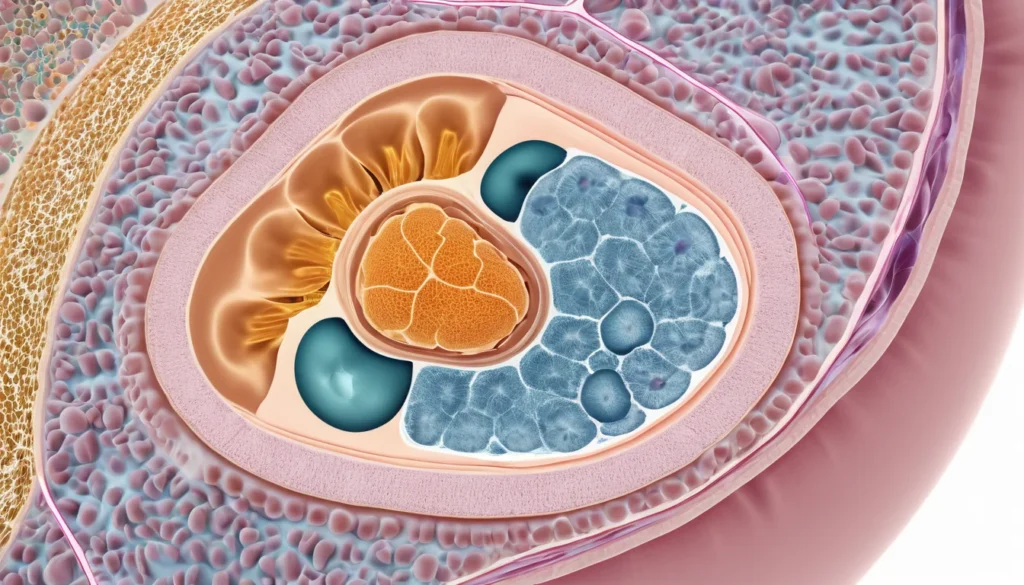
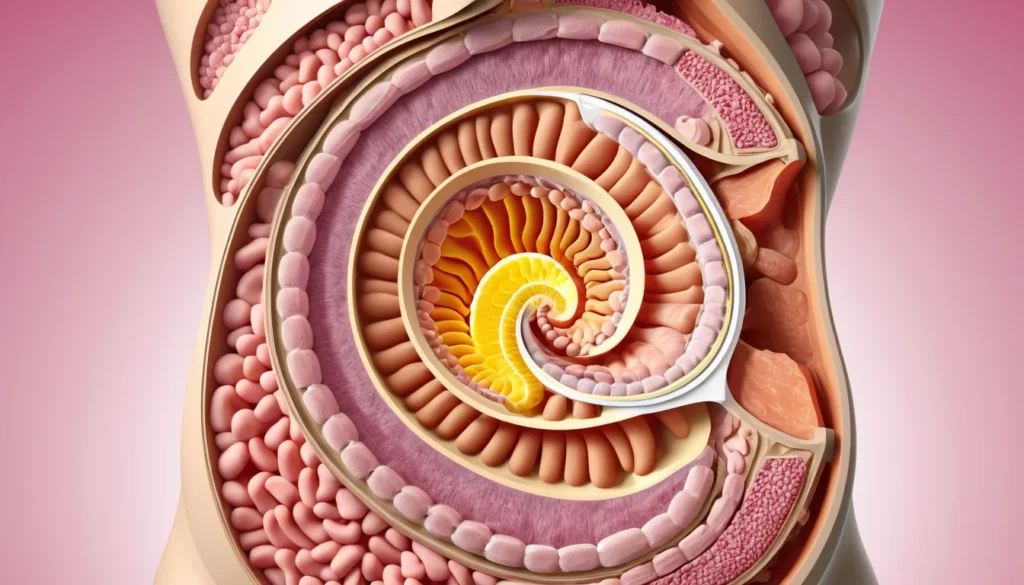
Most GISTs start in the stomach or small intestine. However, they can develop anywhere along the digestive tract. The tumour grows from specialised cells found between the muscle layers of the digestive tract wall.
GISTs are rare. They are very uncommon in people under 40. According to Health Canada, rare cancers like GISTs often require referral to a specialist for proper diagnosis and care.
Causes and Risk Factors
Doctors do not yet know the exact cause of gastrointestinal stromal tumours. Most people diagnosed with a GIST have no family history of the disease. In fact, cases involving multiple family members are quite rare.
One known risk factor is neurofibromatosis — a genetic condition that affects nerve tissue. People with neurofibromatosis have a slightly higher risk of developing a GIST. However, the overall risk is still low.
In addition, there is no strong evidence linking specific lifestyle choices — such as diet or smoking — to GIST development. Research into causes is ongoing.
Signs and Symptoms of a Gastrointestinal Stromal Tumour
Symptoms of a gastrointestinal stromal tumour can vary widely. They depend on the size and location of the tumour. Smaller tumours may cause no symptoms at all.
As the tumour grows, you may notice one or more of the following:
A painless lump or mass in the abdomen
Abdominal discomfort or pain
Nausea or vomiting
Blood in the stool
Fatigue and general weakness
Fever or night sweats
Iron-deficiency anaemia (low iron levels in the blood)
These symptoms can also be caused by many other, less serious conditions. Therefore, it is important not to self-diagnose. If you notice any of these signs, speak with your family doctor or visit a walk-in clinic.
How Is a GIST Diagnosed?
Diagnosing a gastrointestinal stromal tumour usually involves several steps. Your doctor will start by reviewing your health history and doing a physical exam. Blood tests will also be done to check your general health and liver function.
From there, your doctor may refer you to a specialist — such as a gastroenterologist — for further testing. As noted by the Mayo Clinic’s overview of gastrointestinal stromal tumours, imaging and tissue sampling are key tools in confirming a diagnosis.
Ultrasound
An ultrasound uses sound waves to create images of the inside of your abdomen. A gel is applied to your skin, and a small handheld device is moved across the area. The scan is painless and takes about 15 to 20 minutes.
Endoscopy
During an endoscopy, a thin, flexible tube with a tiny camera is passed through your mouth and into your digestive tract. This allows the doctor to look for any changes in the lining of the esophagus, stomach, or small intestine.
If needed, the doctor can take a small tissue sample — called a biopsy — during the procedure. The sample is sent to a lab for testing. Endoscopy can feel uncomfortable, but it is usually not painful. Local anaesthetic is commonly used to ease any discomfort.
Endoscopic Ultrasound (EUS)
An endoscopic ultrasound combines an endoscope with an ultrasound probe at its tip. This test helps doctors measure the size and exact position of a gastrointestinal stromal tumour. It also provides detailed images of the stomach and nearby structures.
CT Scan (Computed Tomography)
A CT scan uses X-rays to produce detailed, three-dimensional images of the inside of your body. It helps doctors assess tumour size and check whether the cancer has spread — for example, to the liver.
The scan is painless and takes between 10 and 30 minutes. A contrast dye may be given by mouth or injection beforehand. This dye helps certain areas show up more clearly. If you are allergic to iodine or have asthma, tell your doctor before the scan, as this may affect the contrast dye used.
MRI (Magnetic Resonance Imaging)
An MRI works similarly to a CT scan, but uses magnetic fields instead of X-rays. You will lie inside a large cylindrical machine that is open at both ends. The scan can take up to an hour and is painless.
The machine is quite loud, so earplugs or headphones are usually provided. Some people find the enclosed space uncomfortable. If you experience claustrophobia, let your healthcare team know in advance so they can make adjustments.
PET Scan (Positron Emission Tomography)
A PET scan uses small amounts of radioactive sugar to measure cell activity in different parts of the body. The substance is injected into a vein, usually in your arm. The scan is done a few hours later.
Cancer cells tend to be more metabolically active than normal cells. As a result, they absorb more of the radioactive sugar, which makes them easier to spot on the scan. PET scans are especially useful for checking whether a tumour is active or has spread.
Staging a Gastrointestinal Stromal Tumour
Once a diagnosis is confirmed, doctors will determine the stage of the cancer. Staging helps your care team decide on the best treatment plan. In general, soft tissue sarcomas like GISTs are classified into four stages:
Stage 1: The tumour is small and has not spread beyond its original location.
Stage 2: The tumour has grown but remains largely contained.
Stage 3: The tumour is larger or has started to spread to nearby structures.
Stage 4: The cancer has spread to distant parts of the body, such as the liver or lungs.
Furthermore, doctors also assess how aggressive the cancer cells appear under a microscope. This is called the tumour grade, and it helps predict how quickly the cancer may grow or spread.
Treatment Options for GIST in Canada
Treatment for a gastrointestinal stromal tumour depends on the stage, location, and overall health of the patient. Most Canadians with a GIST are referred to a cancer centre or oncology team through their provincial health plan.
Common treatment options include:
Surgery: Removing the tumour is often the first treatment for GISTs that have not spread. Many cases can be treated surgically with good outcomes.
Targeted therapy: A medication called imatinib (Gleevec) is commonly used for GISTs. It works by blocking specific proteins that cancer cells need to grow. This drug is covered under many provincial drug benefit programmes in Canada.
Radiation therapy: This is less commonly used for GISTs but may be considered in some cases.
Watchful waiting: For very small, low-risk tumours, doctors may recommend regular monitoring rather than immediate treatment.
Your oncologist will work with you to choose the approach that best fits your situation. According to Healthline’s guide on gastrointestinal stromal tumours, advances in targeted therapy have significantly improved outcomes for many GIST patients over the past two decades.
When to See a Doctor
If you notice a lump in your abdomen, blood in your stool, or unexplained fatigue, do not wait. These symptoms may have simple explanations — however, they should always be checked by a healthcare professional.
Start by booking an appointment with your family doctor. If you do not have one, a walk-in clinic can assess your symptoms and refer you for further testing if needed. Early detection gives you the best chance for effective treatment.
Canadians with a family history of neurofibromatosis or any previous gastrointestinal conditions should discuss their personal risk with their doctor. Regular check-ups through your provincial health plan are a simple way to stay on top of your health.
Please note: This article is for general information only. Always consult your family doctor or a qualified healthcare provider for personal medical advice and diagnosis.
Frequently Asked Questions
What is a gastrointestinal stromal tumour (GIST)?
A gastrointestinal stromal tumour is a rare type of cancer that grows in the walls of the digestive tract. It belongs to a group of cancers called soft tissue sarcomas. Most GISTs develop in the stomach or small intestine.
What are the early warning signs of a GIST?
Early signs of a gastrointestinal stromal tumour can include a painless lump in the abdomen, blood in the stool, nausea, and unexplained fatigue. Many small GISTs cause no symptoms at all, which is why they are often found during tests for other conditions. See your doctor if you experience any of these symptoms.
Is a gastrointestinal stromal tumour always cancerous?
Not all GISTs are immediately life-threatening, but they are considered malignant tumours with the potential to grow and spread. Some small GISTs may behave in a low-risk way, while others can be more aggressive. A specialist will assess the grade and stage to determine the risk level.
How is a gastrointestinal stromal tumour treated in Canada?
Treatment for a gastrointestinal stromal tumour in Canada typically involves surgery to remove the tumour, often combined with targeted drug therapy such as imatinib. Many provincial health plans cover these treatments. Your care team at a cancer centre will guide you through the options that are right for your situation.
Who is most at risk of developing a GIST?
Gastrointestinal stromal tumours are most common in adults between the ages of 50 and 60. People with a condition called neurofibromatosis have a slightly higher risk. Most people diagnosed with a GIST have no family history of the disease.
Can a GIST be detected with a regular blood test?
Blood tests alone cannot diagnose a gastrointestinal stromal tumour. However, blood work may reveal signs such as anaemia or abnormal liver function that prompt further investigation. Imaging tests like CT scans, ultrasounds, and endoscopy are the main tools used to detect and diagnose GISTs.
Key Takeaways
A gastrointestinal stromal tumour (GIST) is a rare cancer that grows in the walls of the digestive tract.
GISTs are most common in adults aged 50 to 60 and are very rare in people under 40.
Common symptoms include abdominal pain, a lump in the abdomen, blood in the stool, and fatigue.
Diagnosis involves a combination of blood tests, imaging scans, endoscopy, and biopsy.
Treatment options include surgery, targeted drug therapy, and — in some cases — watchful waiting.
Canadians can access specialist care and treatment through their provincial health plan and cancer centres.
Always speak with your family doctor or visit a walk-in clinic if you notice any concerning symptoms.