Gastrointestinal carcinoid tumours are a type of slow-growing cancer that starts in the lining of the digestive tract. They can develop in the stomach, small intestine, or large intestine. While they may not cause symptoms at first, they can become serious over time. This guide explains what these tumours are, who is at risk, and what Canadians can expect during diagnosis and treatment.
What Are Gastrointestinal Carcinoid Tumours?
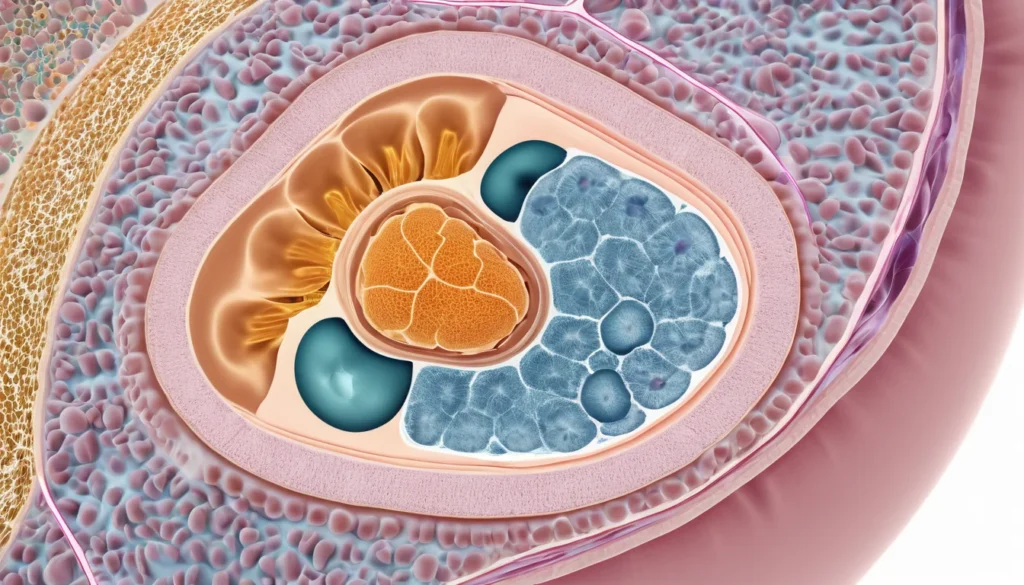
Gastrointestinal carcinoid tumours grow from special hormone-producing cells in the lining of the digestive tract. These cells normally help control digestive juices and muscle movement in the stomach and intestines. However, when they become cancerous, they can form tumours and sometimes release excess hormones into the body.
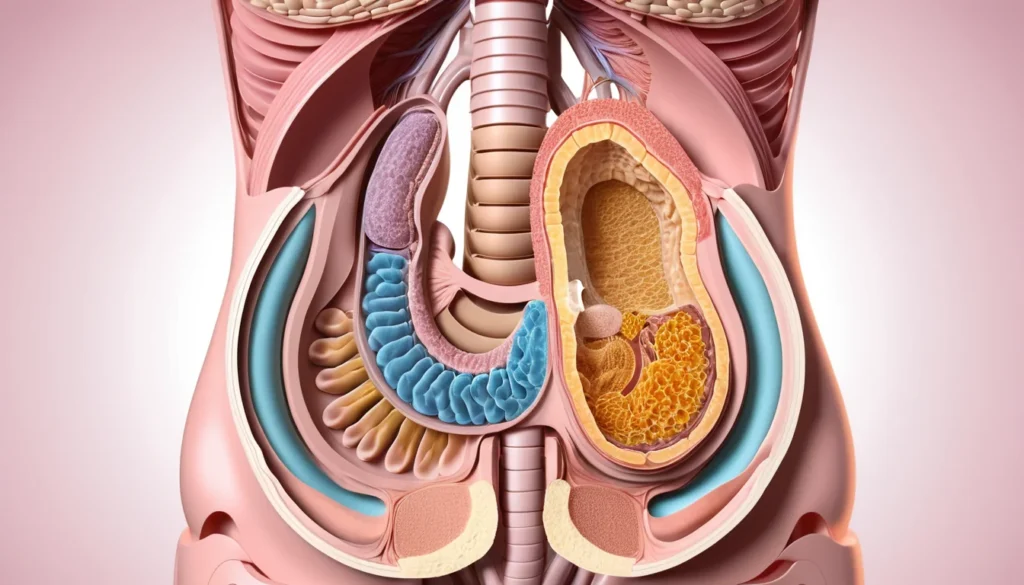
These tumours most often appear in the appendix, small intestine, and rectum. The small intestine is the most common location. In most cases, these tumours grow slowly compared to other types of cancer.
It is important to know that having one gastrointestinal carcinoid tumour raises your risk of developing other tumours in the digestive tract. This can happen at the same time or later in life. Your doctor will monitor you closely if you have been diagnosed.
How Are These Tumours Classified?
Doctors classify gastrointestinal carcinoid tumours based on how far they have spread. This helps guide treatment decisions. There are three main stages:
Localised: The tumour is found only in the appendix, colon, rectum, small intestine, or stomach. It has not spread beyond its original location.
Regional: The tumour has spread from its original site to nearby tissues or lymph nodes.
Metastatic: The cancer has spread to other parts of the body, such as the liver or distant organs.
For more information on how digestive tract cancers are staged, visit the Health Canada health information portal.
Risk Factors for Gastrointestinal Carcinoid Tumours
Certain factors can increase a person’s chance of developing gastrointestinal carcinoid tumours. Knowing your risk factors helps you have informed conversations with your family doctor or specialist.
The main risk factors include:
Family history of Multiple Endocrine Neoplasia type 1 (MEN1): This is an inherited condition that causes tumours in hormone-producing glands. If a close family member has MEN1, your risk increases.
Stomach conditions that reduce acid production: These include atrophic gastritis (chronic stomach inflammation), pernicious anaemia (a vitamin B12 deficiency), and Zollinger-Ellison syndrome (a condition causing multiple recurring ulcers). These conditions can create an environment where carcinoid tumours are more likely to form.
Smoking: Tobacco use is linked to a higher risk of many cancers, including gastrointestinal carcinoid tumours.
Personal or family history of digestive cancers: A history of tumours in the digestive tract increases your overall risk.
If you recognise any of these risk factors, speak with your family doctor. They can help you understand your personal risk and whether any screening is appropriate under your provincial health plan.
Symptoms of Gastrointestinal Carcinoid Tumours
One of the challenges with gastrointestinal carcinoid tumours is that they often cause no symptoms in the early stages. Many people are diagnosed only after a tumour has grown or spread. This is why knowing the warning signs is so important.
Carcinoid Syndrome
When a gastrointestinal carcinoid tumour spreads to the liver, it can release hormones directly into the bloodstream. Normally, the liver breaks down these hormones before they cause harm. However, once the tumour reaches the liver, a large amount of these hormones can circulate through the body. This causes a collection of symptoms known as carcinoid syndrome.
Symptoms of carcinoid syndrome include:
Flushing: Redness or a feeling of warmth in the face or neck, often coming on suddenly.
Diarrhoea: Frequent, loose, or watery stools that may occur alongside stomach cramping.
Wheezing: A high-pitched whistling sound when breathing, similar to asthma symptoms.
Rapid heartbeat (tachycardia): A noticeably fast or pounding heartbeat.
Fatigue: Unusual tiredness that does not go away with rest.
Swelling in the legs and ankles: This can result from fluid buildup related to hormone changes.
Abdominal fullness or pain: A bloated feeling or discomfort in the belly area.
These symptoms can also be caused by other conditions. Therefore, it is important not to self-diagnose. Always speak to a healthcare provider if you notice these signs.
How Gastrointestinal Carcinoid Tumours Are Diagnosed
Diagnosing gastrointestinal carcinoid tumours usually involves a combination of blood tests, urine tests, and imaging studies. Your family doctor may order initial tests and then refer you to a specialist, such as a gastroenterologist or oncologist, depending on your provincial health plan.
Blood and Urine Tests
Several laboratory tests help detect these tumours:
Complete blood count (CBC): This test measures red blood cells, white blood cells, and platelets. It also checks haemoglobin levels and haematocrit. Abnormal results can point to underlying health problems.
Blood chemistry tests: These tests look for specific hormones in the blood that carcinoid tumours may release. Abnormal hormone levels can be a sign of carcinoid syndrome. This test is an important tool in confirming the diagnosis.
24-hour urine test: Urine is collected over a full 24-hour period and tested for hormone breakdown products. Elevated levels may suggest a carcinoid tumour is present. This test is also used to help diagnose carcinoid syndrome.
Physical Examination and Medical History
Your doctor will also perform a thorough physical exam. They will check for signs of swelling, unusual lumps, or other physical changes. In addition, they will review your full medical history, including any past illnesses, medications, and family health history. This information helps build a complete picture of your health.
For a deeper look at how neuroendocrine tumours are diagnosed, the Mayo Clinic’s guide to carcinoid tumour diagnosis and treatment provides reliable information.
Treatment Options for Gastrointestinal Carcinoid Tumours
Treatment for gastrointestinal carcinoid tumours depends on the stage of the tumour, its location, and your overall health. Your care team will create a personalised treatment plan. In Canada, cancer treatment is typically covered through provincial health insurance plans, though wait times and available services may vary by province or territory.
Surgery
Surgery is often the first choice for localised gastrointestinal carcinoid tumours. The goal is to remove the tumour completely. In many cases, especially when the tumour is found early in the appendix, surgery can be curative. Your surgeon will discuss the type of procedure that suits your situation best.
Somatostatin Analogues
These are medications that mimic a natural hormone in the body called somatostatin. They help slow tumour growth and control symptoms of carcinoid syndrome, such as flushing and diarrhoea. Octreotide and lanreotide are two commonly used examples. Your oncologist will advise whether these are appropriate for your case.
Targeted Therapy and Chemotherapy
For advanced or metastatic gastrointestinal carcinoid tumours, targeted therapy drugs may be recommended. These medications attack specific features of cancer cells. Chemotherapy may also be used in certain cases. Your oncologist will explain the benefits and side effects of each option so you can make an informed decision.
Peptide Receptor Radionuclide Therapy (PRRT)
PRRT is a newer treatment that delivers radiation directly to carcinoid tumour cells. It uses a radioactive substance attached to a molecule that targets the tumour. This treatment is available at certain cancer centres across Canada. Ask your specialist whether PRRT is available under your provincial health programme.
Furthermore, the Healthline overview of carcinoid tumours offers a helpful patient-friendly summary of treatment approaches.
When to See a Doctor
You should speak with a healthcare provider if you notice any of the symptoms described in this article, especially if they persist or worsen over time. Symptoms like unexplained flushing, ongoing diarrhoea, wheezing, or abdominal pain deserve proper medical attention.
Start by booking an appointment with your family doctor. If you do not have a family doctor, a walk-in clinic can assess your symptoms and refer you for further testing if needed. Many provinces also offer health phone lines, such as Health811 in Ontario or 8-1-1 in British Columbia, where registered nurses can offer guidance.
Early detection gives you more treatment options and better outcomes. Do not wait to seek help if something feels wrong. Your health team is there to support you through every step.
Frequently Asked Questions
What are the early signs of gastrointestinal carcinoid tumours?
Gastrointestinal carcinoid tumours often cause no symptoms in the early stages, which makes them difficult to detect. When symptoms do appear, they may include flushing of the face, diarrhoea, or abdominal discomfort. If you notice any unusual or persistent symptoms, speak with your family doctor as soon as possible.
Are gastrointestinal carcinoid tumours curable?
Many gastrointestinal carcinoid tumours, especially those found early and in a localised stage, can be successfully treated with surgery. However, outcomes vary depending on the tumour’s size, location, and whether it has spread. Your oncologist will discuss the best treatment plan and realistic expectations based on your individual case.
How are gastrointestinal carcinoid tumours different from other digestive cancers?
Gastrointestinal carcinoid tumours are a type of neuroendocrine tumour, meaning they grow from hormone-producing cells rather than the more common epithelial cells that line the digestive tract. They tend to grow more slowly than many other digestive cancers. In addition, they can release hormones that cause a distinct set of symptoms known as carcinoid syndrome.
Is carcinoid syndrome dangerous?
Carcinoid syndrome occurs when a gastrointestinal carcinoid tumour releases hormones into the bloodstream, usually after the cancer has spread to the liver. It can cause significant symptoms including flushing, diarrhoea, and heart problems. With proper treatment, including medications called somatostatin analogues, many people manage their symptoms effectively.
Can gastrointestinal carcinoid tumours run in families?
Yes, having a family history of certain genetic conditions, particularly Multiple Endocrine Neoplasia type 1 (MEN1), increases your risk of developing gastrointestinal carcinoid tumours. If a close family member has been diagnosed with MEN1 or a carcinoid tumour, inform your family doctor. Genetic counselling may be available through your provincial health plan.
Where in Canada can I get treatment for gastrointestinal carcinoid tumours?
Gastrointestinal carcinoid tumours are treated at cancer centres across Canada, including provincial cancer agencies such as the BC Cancer Agency, Cancer Care Ontario, and the Cross Cancer Institute in Alberta. Treatment is generally covered under provincial health insurance plans, though specific therapies like PRRT may require referral to a specialised centre. Your family doctor or oncologist can guide you through the referral process.
Key Takeaways
Gastrointestinal carcinoid tumours are slow-growing cancers that start in the hormone-producing cells of the digestive tract lining.
They most commonly develop in the small intestine, appendix, and rectum.
Risk factors include a family history of MEN1, certain stomach conditions, and smoking.
Early-stage tumours often cause no symptoms. Symptoms typically appear once the cancer has spread.
Carcinoid syndrome — including flushing, diarrhoea, and wheezing — can occur when the tumour spreads to the liver.
Diagnosis involves blood tests, urine tests, and physical examination.
Treatment options include surgery, somatostatin analogues, targeted therapy, chemotherapy, and PRRT.
Cancer treatment in Canada is covered through provincial health plans. Talk to your family doctor about referrals and available options in your province.
Always consult a qualified healthcare provider for diagnosis, advice, and treatment tailored to your personal health situation.