Gastrointestinal cancer is a term that covers several types of cancer affecting the digestive system. It can develop in the mouth, esophagus, stomach, small intestine, large intestine (colon), rectum, liver, or pancreas. Understanding your risk — and what you can do about it — is one of the most important steps you can take for your long-term health.
What Is Gastrointestinal Cancer?
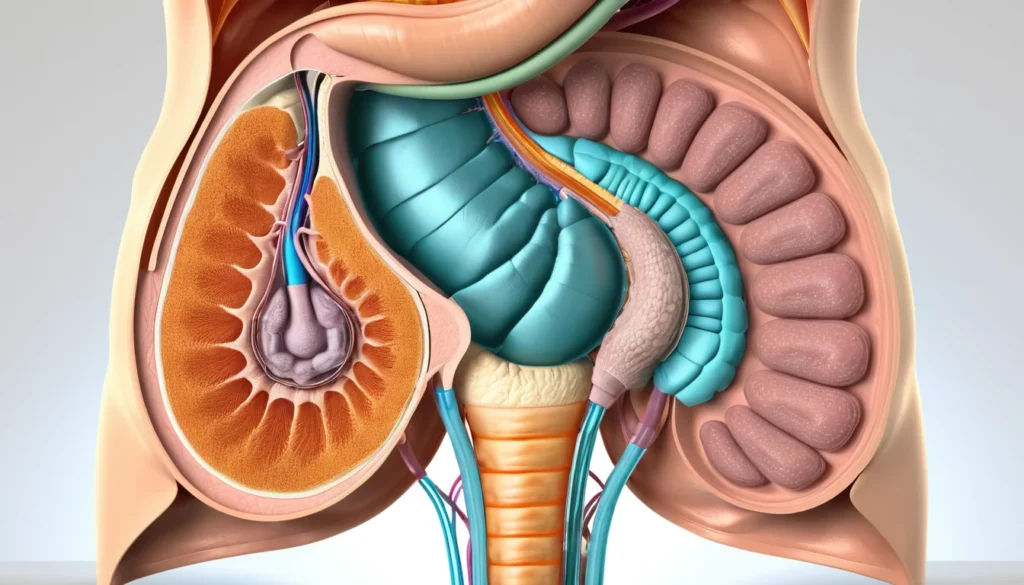
The gastrointestinal (GI) tract runs from your mouth all the way to your anus. It includes the esophagus, stomach, small intestine, and large intestine (the colon and rectum). Cancer can develop in any part of this system, although it is less common in the small intestine, where most digestion takes place.
Colorectal cancer is the second most common cancer death after lung cancer. It affects roughly 6% of people in industrialised countries. In Canada, colorectal cancer is a significant public health concern, and screening programmes exist in every province to help catch it early.
Pancreatic cancer accounts for about 4% of all cancer cases worldwide. Esophageal cancer accounts for around 3%. Both are serious and are often diagnosed at a late stage, which is why awareness matters so much.
Gastrointestinal Cancer and the Liver
Primary liver cancer — cancer that starts in the liver itself — is closely linked to hepatitis virus infection. It is less common in Canada and other Western countries, where hepatitis rates are relatively low. However, the liver is still a frequent site where cancers from other parts of the body can spread, including colorectal cancer.
In Western countries, primary liver cancer causes about 0.7% of all cancer deaths. That number may seem small. However, the risk rises significantly in people with chronic hepatitis B or C, or those with liver cirrhosis caused by heavy alcohol use.
For more information on liver health and hepatitis in Canada, visit Health Canada’s official health resources.
How to Lower Your Risk of Gastrointestinal Cancer
The good news is that several lifestyle changes can meaningfully reduce your risk of developing gastrointestinal cancer. These steps are straightforward and supported by strong evidence.
Drink Alcohol in Moderation
Heavy alcohol use is linked to a higher risk of several GI cancers. These include esophageal, pancreatic, liver, and colorectal cancers. Chronic heavy drinking can cause liver cirrhosis and ongoing inflammation, both of which are major risk factors for primary liver cancer. Canada’s guidance recommends limiting alcohol to protect your overall health.
Avoid Smoking
Smoking doubles your risk of pancreatic cancer, especially when combined with heavy drinking. It is also a significant risk factor for esophageal cancer. Quitting smoking is one of the most powerful things you can do to reduce your cancer risk.
Eat More Green Vegetables
A diet rich in green vegetables is linked to a lower risk of intestinal and stomach cancers. Foods high in vitamin C — found in fruits and many vegetables — appear especially protective against stomach cancer. Aim to fill at least half your plate with vegetables and fruit at each meal.
Limit Processed and Charred Meat
Preserved meats (like deli meats and hot dogs) and charred or overcooked meats contain cyclic amines, which are cancer-causing compounds. High red meat intake is also linked to a greater risk of colorectal cancer. Choosing lean proteins and cooking methods like baking or steaming can help lower your risk.
Maintain a Healthy Weight
Obesity increases the risk of both intestinal cancer and type 2 diabetes. Diabetes, in turn, is linked to a higher risk of pancreatic cancer. Keeping a healthy body weight through balanced eating and regular activity is a strong protective factor.
Exercise Regularly
Regular physical activity has been shown to reduce the risk of colon cancer, regardless of body weight. Even moderate exercise — like a 30-minute daily walk — can make a real difference. Canada’s physical activity guidelines recommend at least 150 minutes of moderate activity each week for adults.
Learn more about cancer prevention strategies at the Mayo Clinic’s cancer prevention guide.
Can Screening Detect Gastrointestinal Cancer Early?
Screening means testing people who have no symptoms, with the goal of finding disease before it causes harm. Early detection often means more treatment options and better outcomes. Several Canadian provinces have active screening programmes for gastrointestinal cancer, particularly colorectal cancer.
For a screening programme to be worthwhile, a few key conditions must be met:
The cancer must be common enough in the population being screened.
The diagnostic test must be simple, affordable, and accurate.
An effective treatment must be available once the cancer is found.
Finding the cancer early must genuinely improve the chance of a cure.
These conditions are not always met for every type of GI cancer. In some cancers, small numbers of cells may already be in the bloodstream or lymph nodes very early on, before a cure is possible. In these cases, how quickly the cancer is found and removed is critical.
Colorectal Cancer Screening in Canada
Colorectal cancer is one of the best candidates for screening. When caught in an early or pre-cancerous stage — such as when only polyps are present — the cure rate after surgery can exceed 90%. Polyps are small growths in the colon that can become cancerous over time. Removing them early prevents cancer from developing at all.
Every Canadian province and territory has a colorectal cancer screening programme. Most provincial health plans cover the cost of screening for eligible adults, typically starting at age 50. Your family doctor can tell you which tests are recommended for your age and risk level.
Common Screening Tests
The most accessible screening test is the fecal occult blood test (FOBT). This test checks for tiny amounts of blood in your stool that you cannot see with the naked eye. While collecting a stool sample may feel uncomfortable, this test is simple and non-invasive.
A positive FOBT result does not automatically mean you have cancer. It means further testing — usually a colonoscopy — is needed to investigate. A colonoscopy allows a doctor to look directly inside your colon and remove any polyps found during the same procedure.
Other screening options include the fecal immunochemical test (FIT), which is more accurate than a standard FOBT, and sigmoidoscopy. Your provincial health plan may cover one or more of these options. Ask your family doctor which test is right for you.
When to See a Doctor
You should speak with your family doctor or visit a walk-in clinic if you notice any of the following symptoms:
Blood in your stool or black, tarry stools
Unexplained changes in bowel habits lasting more than a few weeks
Persistent abdominal pain, cramping, or bloating
Unexplained weight loss
Fatigue that does not improve with rest
Difficulty swallowing or persistent heartburn
These symptoms do not always mean cancer. However, they are worth investigating early. Do not wait for symptoms to become severe before seeking care. If you are over 50, or have a family history of colorectal cancer, talk to your doctor about a personalised screening plan.
Your provincial health plan may cover screening tests at no direct cost to you. Contact your family doctor’s office or a local walk-in clinic to get started. Always consult a qualified healthcare provider before making decisions about your health or screening schedule.
For additional guidance on digestive cancers, the World Health Organization’s cancer information pages offer reliable, evidence-based resources.
Frequently Asked Questions About Gastrointestinal Cancer
What are the most common types of gastrointestinal cancer?
The most common types of gastrointestinal cancer include colorectal cancer, stomach cancer, pancreatic cancer, esophageal cancer, and liver cancer. Colorectal cancer is the most frequently diagnosed GI cancer in Canada. Each type affects a different part of the digestive system and has its own risk factors and treatment options.
What are the early warning signs of gastrointestinal cancer?
Early signs can include changes in bowel habits, blood in the stool, unexplained weight loss, persistent abdominal pain, and difficulty swallowing. Some gastrointestinal cancers cause no symptoms in their early stages, which is why regular screening is so important. If you notice any of these signs, speak with your family doctor as soon as possible.
At what age should Canadians start colorectal cancer screening?
Most Canadian provincial health plans recommend colorectal cancer screening starting at age 50 for average-risk adults. However, if you have a family history of colorectal cancer or other risk factors, your doctor may recommend starting earlier. Talk to your family doctor about the right time and type of screening for your situation.
Is gastrointestinal cancer hereditary?
Some forms of gastrointestinal cancer, particularly colorectal and stomach cancers, can run in families. Having a first-degree relative — such as a parent or sibling — with colorectal cancer increases your own risk. If cancer runs in your family, let your doctor know so they can recommend earlier or more frequent screening.
Can diet really help prevent gastrointestinal cancer?
Yes, diet plays an important role in reducing the risk of several types of gastrointestinal cancer. Eating more fibre, fruits, and green vegetables while limiting red and processed meats can lower your risk of colorectal and stomach cancers. A balanced diet combined with regular exercise and avoiding smoking offers the strongest protection.
Is colorectal cancer screening covered by provincial health plans in Canada?
In most Canadian provinces, colorectal cancer screening tests such as the fecal immunochemical test (FIT) or fecal occult blood test (FOBT) are covered under provincial health plans for eligible adults. Coverage details vary by province, so it is best to check with your family doctor or provincial health authority. Walk-in clinics can also help connect you with appropriate screening resources.
Key Takeaways
Gastrointestinal cancer can affect any part of the digestive system, from the esophagus to the rectum.
Colorectal cancer is the most common GI cancer in Canada and is highly treatable when caught early.
Lifestyle changes — including limiting alcohol, quitting smoking, eating more fibre, and exercising — can meaningfully lower your risk.
Screening programmes exist across Canadian provinces and can detect cancer before symptoms appear.
Most provincial health plans cover colorectal cancer screening for eligible adults starting at age 50.
If you have symptoms or a family history of GI cancer, speak with your family doctor or visit a walk-in clinic today.
Always consult a qualified healthcare provider before making decisions about your health or cancer screening.