Gastrointestinal bleeding refers to any bleeding that occurs inside the digestive tract — from the mouth all the way to the rectum. It can range from mild and slow to sudden and life-threatening. Understanding the causes, symptoms, and treatment options can help you act quickly and get the right care through your family doctor, a walk-in clinic, or the emergency room.
What Is Gastrointestinal Bleeding?
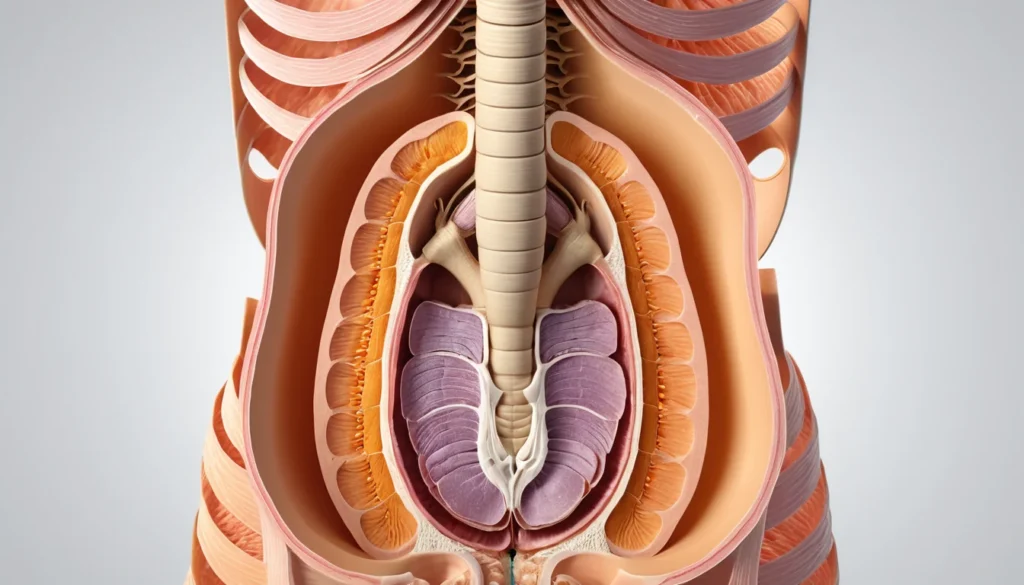
Gastrointestinal bleeding, often called a GI bleed, is when blood escapes from the lining of the digestive system. The digestive tract includes the esophagus, stomach, small intestine, large intestine (colon), and rectum. Bleeding can happen in any of these areas.
Doctors divide GI bleeding into two main categories: upper and lower. The location of the bleed determines what symptoms appear and how doctors diagnose and treat it. In addition, the severity can range from a slow, hidden bleed to a large, visible one that needs emergency care.
According to Mayo Clinic’s overview of gastrointestinal bleeding, this condition is always a sign of another underlying problem rather than a disease on its own. Therefore, finding the root cause is essential for proper treatment.
Upper Gastrointestinal Bleeding: Causes and Signs
Upper gastrointestinal bleeding comes from the esophagus, stomach, or duodenum (the first part of the small intestine). This type of bleed is often more dramatic in its symptoms. It can be alarming and requires prompt medical attention.
Common Causes of Upper GI Bleeding
The most common cause of upper GI bleeding is a peptic ulcer — a sore that forms in the lining of the stomach or duodenum. Non-steroidal anti-inflammatory drugs (NSAIDs) like ibuprofen and aspirin are a leading trigger. These medications can irritate and damage the stomach lining over time.
Other causes include:
Esophageal varices: Swollen veins in the esophagus that can rupture, often linked to liver disease
Gastritis: Inflammation of the stomach lining, sometimes caused by NSAIDs or alcohol
Benign or malignant tumours of the esophagus or stomach
Mallory-Weiss tears: Small tears in the esophagus caused by severe vomiting
Symptoms of Upper GI Bleeding
The most visible sign of upper gastrointestinal bleeding is vomiting blood. The blood may look bright red or dark brown, similar to coffee grounds. This is called haematemesis, and it is a medical emergency.
You may also notice very dark, tarry, foul-smelling stools. This is called melaena. It happens because blood from the upper digestive tract changes colour as it passes through the body. Furthermore, you might feel dizzy, weak, or faint due to blood loss.
Lower Gastrointestinal Bleeding: Causes and Signs
Lower gastrointestinal bleeding comes from the small intestine, colon, or rectum. It tends to be less dramatic than upper GI bleeding, but it still requires medical evaluation. However, some causes — like colorectal cancer — make early detection very important.
Common Causes of Lower GI Bleeding
Haemorrhoids are the most frequent cause of lower GI bleeding in Canada. They are swollen veins near the anus or lower rectum that can bleed during bowel movements. They are very common and usually not dangerous, but they still need proper assessment.
Other causes include:
Colorectal cancer or rectal tumours: A serious but treatable condition when caught early
Diverticulosis: Small pouches in the colon wall that can bleed
Inflammatory bowel disease (IBD): Conditions like Crohn’s disease or ulcerative colitis
Anal fissures: Small tears in the skin around the anus
Polyps: Small growths on the colon lining that may bleed
Symptoms of Lower GI Bleeding
Lower gastrointestinal bleeding often shows up as bright red or maroon-coloured blood in the stool or on toilet paper. The colour of the blood gives doctors a clue about where the bleed is coming from. Bright red blood usually means the source is closer to the rectum.
In some cases, bleeding is hidden — called occult bleeding — and you cannot see it with the naked eye. As a result, a chemical test of the stool (called a faecal occult blood test or FOBT) is used to detect it. This test is part of Canada’s colorectal cancer screening programmes in many provinces.
How Is Gastrointestinal Bleeding Diagnosed?
Diagnosing gastrointestinal bleeding starts with your doctor reviewing your symptoms, medical history, and any medications you take. From there, several tests help pinpoint the source of the bleed. Early and accurate diagnosis makes treatment much more effective.
Endoscopy and Colonoscopy
The most common diagnostic tool for upper GI bleeding is an endoscopy, also called a fibroscopy. A doctor passes a thin, flexible tube with a camera through the mouth into the digestive tract. This lets them see the source of bleeding directly and sometimes treat it at the same time.
For lower GI bleeding, a colonoscopy is the preferred method. The doctor inserts a similar flexible tube through the rectum to examine the colon and rectum. In addition, doctors can use this procedure to remove polyps or stop active bleeding on the spot.
Other Diagnostic Tests
Blood tests help doctors assess how much blood has been lost and check for clotting problems. Imaging tests like a CT scan may be used when endoscopy cannot find the source. In rare cases, a capsule endoscopy — where you swallow a tiny camera pill — helps examine the small intestine.
For more information on how gastrointestinal conditions are investigated, visit Health Canada’s health information resources.
Treatment Options for Gastrointestinal Bleeding
Treatment for gastrointestinal bleeding depends on the cause, location, and severity of the bleed. Some cases resolve on their own with minimal intervention. Others require procedures or surgery. Your healthcare team will choose the best approach for your situation.
Non-Surgical Treatments
Many cases of gastrointestinal bleeding are treated without surgery. During an endoscopy or colonoscopy, doctors can use several techniques to stop bleeding directly. These are effective and much less invasive than traditional surgery.
Common non-surgical treatments include:
Sclerotherapy: Injecting a chemical solution into bleeding veins or varices to seal them shut
Electrocoagulation: Using heat or electric current to burn and seal bleeding vessels
Band ligation: Placing small rubber bands around varices to cut off their blood supply
Medication: Proton pump inhibitors (PPIs) reduce stomach acid and help ulcers heal
When Surgery Is Needed
Surgery is required when bleeding is massive, uncontrolled, or when other treatments have failed. It may also be needed if a tumour is the underlying cause. In these cases, a surgeon will remove the damaged tissue or repair the bleeding vessel directly.
Patients with severe blood loss may also need a blood transfusion to stabilise their condition before any procedure. Hospital care is essential in these situations. Most Canadian hospitals have specialists — called gastroenterologists — trained to manage GI bleeds.
When to See a Doctor
You should seek care right away if you notice any signs of gastrointestinal bleeding. Do not wait to see if it goes away on its own — early action can prevent serious complications. Gastrointestinal bleeding is always a sign that something else is wrong, and it needs proper evaluation.
Go to the emergency room immediately if you experience:
Vomiting blood or material that looks like coffee grounds
Black, tarry, or very dark stools
Large amounts of bright red blood in the stool
Dizziness, fainting, or rapid heartbeat alongside any bleeding
Severe abdominal pain
For less urgent concerns — such as small amounts of blood on toilet paper or a positive FOBT screening result — contact your family doctor or visit a walk-in clinic. Your doctor can order the right tests and refer you to a gastroenterologist if needed. Most provincial health plans in Canada cover these diagnostic procedures.
For a helpful overview of digestive health symptoms to watch for, see Healthline’s guide to gastrointestinal bleeding symptoms.
As always, speak with a qualified healthcare professional before drawing any conclusions about your health. This article is for general information only and does not replace personalised medical advice.
Frequently Asked Questions About Gastrointestinal Bleeding
What are the most common signs of gastrointestinal bleeding?
The most common signs of gastrointestinal bleeding include vomiting blood, dark tarry stools (melaena), or bright red blood in the stool. You may also feel dizzy, weak, or unusually tired if significant blood has been lost. Any of these symptoms warrants a visit to your doctor or the emergency room.
Is gastrointestinal bleeding always an emergency?
Not always, but gastrointestinal bleeding should never be ignored. A large or fast bleed — especially one causing vomiting of blood or severe dizziness — is a medical emergency and requires immediate care. Slower or hidden bleeding still needs evaluation by a family doctor or walk-in clinic as soon as possible.
Can anti-inflammatory medications cause gastrointestinal bleeding?
Yes, non-steroidal anti-inflammatory drugs (NSAIDs) like ibuprofen and aspirin are a leading cause of upper gastrointestinal bleeding. These medications can irritate and erode the stomach lining over time, leading to ulcers that may bleed. Always follow your doctor’s guidance on safe use of these medications, especially if you take them regularly.
How is gastrointestinal bleeding treated in Canada?
Treatment for gastrointestinal bleeding in Canada depends on the cause and severity. Doctors may use endoscopy or colonoscopy to locate and stop the bleed using techniques like sclerotherapy or electrocoagulation. Most provincial health plans cover these procedures, and your family doctor or specialist will guide you through the appropriate care pathway.
What does black stool mean and should I be worried?
Black, tarry stool — known as melaena — is often a sign of gastrointestinal bleeding from the upper digestive tract, such as the stomach or esophagus. The dark colour happens because blood changes as it passes through the digestive system. You should see a doctor promptly if you notice this, as it can indicate a serious condition like a peptic ulcer.
Can haemorrhoids cause gastrointestinal bleeding?
Yes, haemorrhoids are one of the most common causes of lower gastrointestinal bleeding in Canada. They typically cause bright red blood on toilet paper or in the toilet bowl after a bowel movement. However, it is important to have a doctor confirm the source of any rectal bleeding, since other more serious conditions can cause similar symptoms.
Key Takeaways
Gastrointestinal bleeding can occur anywhere in the digestive tract, from the esophagus to the rectum.
Upper GI bleeding often causes vomiting of blood or black, tarry stools. Lower GI bleeding typically appears as bright red blood in the stool.
Common causes include peptic ulcers, NSAID use, esophageal varices, haemorrhoids, and colorectal conditions.
Diagnosis usually involves endoscopy or colonoscopy, which can also be used to treat the bleed.
Treatment ranges from medication and minimally invasive procedures to surgery in severe cases.
Any signs of GI bleeding should be assessed by a healthcare professional. Go to the emergency room for severe symptoms, or visit your family doctor or walk-in clinic for milder concerns.
Most diagnostic and treatment procedures for GI bleeding are covered under Canadian provincial health plans.