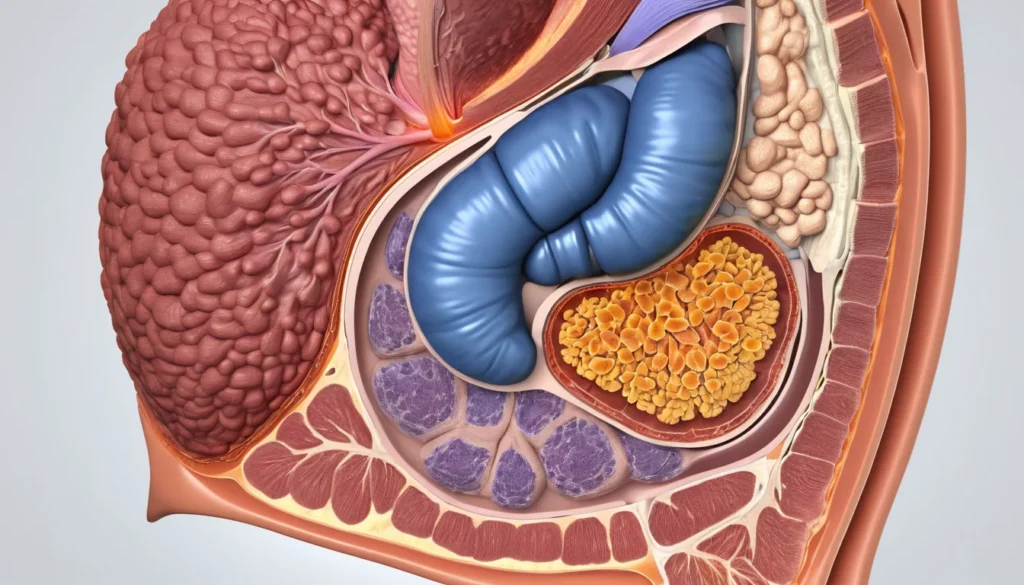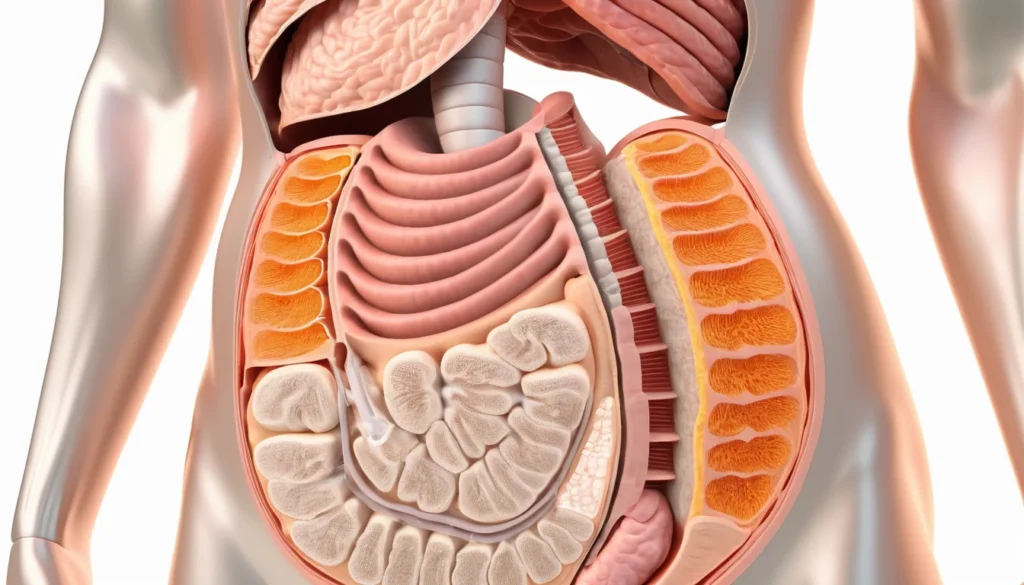
Gastroenteritis — often called the stomach flu — is one of the most common digestive health problems Canadians face. It causes inflammation of the digestive tract, leading to diarrhea, nausea, vomiting, and sometimes serious dehydration. In this article, we explain what causes gastroenteritis, who is most at risk, how to manage symptoms at home, and when to visit your family doctor or walk-in clinic.
What Is Gastroenteritis?
Gastroenteritis is inflammation of the stomach and intestines. The word comes from “gastro” (stomach) and “enteritis” (inflammation of the intestine). The main symptom is diarrhea, which can come with nausea, vomiting, and stomach cramps.
When only the stomach lining is inflamed, doctors call it gastritis. When the intestinal lining is mainly affected, it is called enteritis. When both are involved, we use the term gastroenteritis.
In most cases, gastroenteritis is short-lived and goes away on its own within a few days. However, for some people — especially young children, older adults, and those with weakened immune systems — it can become serious and even life-threatening.
Common Causes of Gastroenteritis
Gastroenteritis has many causes, including viruses, bacteria, and parasites. Understanding the cause helps guide the right treatment.
Viral Gastroenteritis
Viruses are responsible for up to 70% of gastroenteritis cases. Common culprits include rotavirus, norovirus (also known as the Norwalk virus), adenovirus, and astrovirus. Viral gastroenteritis typically clears up within two to three days without special medical treatment.
Rotavirus is the leading cause of gastroenteritis in children. It can cause severe diarrhea very quickly, putting young children at serious risk of dehydration. Importantly, viral gastroenteritis does not respond to antibiotics — taking antibiotics for a viral infection will not help and may cause harm.
Bacterial Gastroenteritis
Bacteria such as Salmonella, E. coli, and Campylobacter are also common causes. These bacteria are often found in contaminated food or water. Many Canadians experience bacterial gastroenteritis after eating undercooked meat, unwashed produce, or contaminated dairy products.
Bacterial infections can sometimes be more serious than viral ones. In certain cases, a doctor may prescribe antibiotics. However, this decision should always be made by a healthcare provider — never self-medicate with leftover antibiotics.
Parasitic Gastroenteritis
Parasites such as Giardia lamblia are another cause. Giardia is found in contaminated water sources, including some lakes and streams in Canada. Travellers and hikers who drink untreated water are at higher risk. This type of infection usually requires specific prescription treatment from your doctor.
Food Intolerance and Other Causes
Not all cases involve an infection. Some foods can irritate the digestive tract directly. A good example is lactose intolerance, where consuming dairy products triggers diarrhea and bloating. In these cases, the symptoms of gastroenteritis appear without any infectious agent being present.
Certain medications can also increase the risk. For example, antacids and drugs that reduce stomach acid (often used for acid reflux or peptic ulcers) lower the stomach’s natural defences against harmful bacteria. As a result, bacterial overgrowth in the gut can occur more easily.
Traveller’s Diarrhea: A Special Form of Gastroenteritis
Traveller’s diarrhea is a well-known form of gastroenteritis. It affects Canadians who travel to countries with lower standards of water treatment and food sanitation. Consuming contaminated water or food in these regions can introduce unfamiliar bacteria into the digestive system.
If you are planning international travel, especially to developing countries, speak with your family doctor or a travel health clinic before you go. Health Canada provides updated travel health advisories that can help you prepare safely.
Symptoms of Gastroenteritis
The most common symptoms of gastroenteritis include:
Watery diarrhea (sometimes frequent and urgent)
Nausea and vomiting
Stomach cramps and pain
Low-grade fever
Muscle aches and fatigue
Loss of appetite
Symptoms usually begin one to three days after exposure to the infection. They can last anywhere from one day to more than a week, depending on the cause and the person’s overall health.
Signs of Dehydration to Watch For
Dehydration is the most serious complication of gastroenteritis. Diarrhea and vomiting cause the body to lose fluids and important electrolytes such as sodium and potassium. When these losses are not replaced, dehydration sets in quickly.
Watch for these warning signs of dehydration:
Dry mouth and extreme thirst
Urinating much less than usual, or dark yellow urine
Dizziness or lightheadedness
Sunken eyes
In babies: no wet diapers for three or more hours, no tears when crying, or a sunken soft spot (fontanelle) on the head
In older adults: confusion or sudden weakness
According to the World Health Organization (WHO), dehydration from gastroenteritis remains a leading cause of death worldwide, particularly among young children in lower-income countries. In Canada, serious dehydration is less common but still requires prompt medical attention.
Who Is Most at Risk?
Gastroenteritis can affect anyone at any age. However, some groups face a higher risk of serious complications.
Infants and young children are especially vulnerable. Their immune systems are still developing, and they can lose dangerous amounts of fluid very quickly. Older adults are also at higher risk because their immune response is weaker and dehydration can progress faster.
People with weakened immune systems face a greater danger as well. This includes individuals living with HIV, organ transplant recipients on immunosuppressive drugs, and those on long-term steroid (corticosteroid) therapy. For all of these groups, gastroenteritis should never be dismissed as “just a stomach bug.”
Furthermore, it is important to know that gastroenteritis symptoms can sometimes mimic other serious conditions. Infections such as pneumonia, urinary tract infections, meningitis, and blood infections (septicaemia) can also cause digestive upset. This is why a proper diagnosis from a healthcare provider matters.
How to Manage Gastroenteritis at Home
For most healthy adults, gastroenteritis can be managed safely at home. The main goal is to prevent dehydration by replacing lost fluids.
Staying Hydrated
Drink small, frequent sips of clear fluids throughout the day. Good choices include water, diluted fruit juice, clear broth, or oral rehydration solutions (ORS), which are available at most Canadian pharmacies without a prescription. Oral rehydration solutions are especially important for children and older adults, as they replace both fluids and electrolytes.
Avoid sugary drinks, caffeine, and alcohol. These can make diarrhea worse. Sports drinks are not ideal for children, as they contain too much sugar and not enough sodium.
Eating During Recovery
Once you feel ready to eat, start with bland, easy-to-digest foods. Toast, crackers, bananas, plain rice, and boiled potatoes are gentle on an irritated digestive tract. Avoid dairy products, fatty foods, and spicy meals until you feel fully better.
Hygiene: Your Best Defence
Washing your hands thoroughly is one of the most effective ways to prevent the spread of gastroenteritis. Wash with soap and water for at least 20 seconds — before eating, after using the bathroom, and after changing diapers. This simple habit is especially important for children, who often forget.
Also, stay home from work or school while you have symptoms. Gastroenteritis spreads easily from person to person, especially in shared spaces like offices, schools, and long-term care facilities.
When to See a Doctor
Most cases of gastroenteritis improve within a few days. However, some situations require prompt medical attention. Visit your family doctor or a walk-in clinic right away if you or your child experience any of the following:
Signs of dehydration (see list above)
Blood in the stool or vomit
Vomiting that lasts more than two days
Diarrhea lasting more than three days in adults, or more than 24 hours in infants
High fever (above 38.5°C / 101.3°F)
Severe stomach pain or cramping
Symptoms in a newborn or infant under three months old
Symptoms in someone who is immunocompromised, elderly, or has a serious chronic illness
In Canada, most provincial health plans cover visits to your family doctor and walk-in clinics. If you are unsure whether your symptoms need attention, you can also call your province’s health helpline, such as Health811 in Ontario or 8-1-1 in British Columbia, to speak with a registered nurse at no cost.
For more detailed guidance on managing stomach and digestive illnesses, the Mayo Clinic’s overview of viral gastroenteritis is a reliable resource. Always consult your own doctor before starting any treatment — every person’s situation is different.
Preventing Gastroenteritis
Good prevention habits can significantly reduce your risk of getting gastroenteritis.
Wash your hands regularly, especially before preparing food and after using the bathroom.
Cook food thoroughly, especially meat, poultry, and eggs.
Refrigerate leftovers promptly and avoid leaving perishable food at room temperature for more than two hours.
Drink safe water — use a filter or boil water if you are unsure of its safety, especially when camping or hiking in Canada’s backcountry.
Vaccinate your children against rotavirus. The rotavirus vaccine is part of Canada’s routine immunisation schedule for infants and offers strong protection against severe gastroenteritis.
Avoid sharing utensils, cups, or towels with someone who is sick.
Frequently Asked Questions About Gastroenteritis
How long does gastroenteritis last?
Most cases of gastroenteritis last between one and three days. However, some bacterial or parasitic infections can cause symptoms lasting up to a week or longer. If your symptoms persist beyond three days, it is a good idea to see your family doctor or visit a walk-in clinic.
Is gastroenteritis contagious?
Yes, viral and bacterial gastroenteritis are both highly contagious. The infection spreads through contact with contaminated food, water, or surfaces, and through close contact with an infected person. Thorough handwashing is the single most effective way to stop it from spreading.
What should I eat when I have gastroenteritis?
Start with bland, easy-to-digest foods such as plain toast, bananas, boiled rice, and crackers. Avoid dairy products, greasy foods, and high-fibre foods until your digestive tract has recovered. Staying well hydrated with clear fluids or oral rehydration solutions is the most important step during gastroenteritis.
Can gastroenteritis be treated with antibiotics?
Antibiotics are not effective against viral gastroenteritis, which is the most common type. For bacterial gastroenteritis, a doctor may sometimes prescribe antibiotics, but only after confirming the cause. Never take antibiotics without a prescription from your healthcare provider, as this can make the situation worse.
When is gastroenteritis dangerous for babies?
Gastroenteritis in babies can become dangerous very quickly because infants dehydrate faster than older children or adults. Warning signs include no wet diapers for three or more hours, no tears when crying, sunken eyes, or unusual drowsiness. If you notice any of these signs in your baby, seek medical care immediately — do not wait.
What is the difference between gastroenteritis and food poisoning?
Gastroenteritis and food poisoning share many of the same symptoms, including diarrhea, nausea, and vomiting. Food poisoning typically comes on faster — often within hours of eating contaminated food — while gastroenteritis from a virus may take one to three days to develop. Both conditions are treated with rest, fluids, and medical care when needed.
Key Takeaways
Gastroenteritis is inflammation of the digestive tract, most often caused by viruses, bacteria, or parasites. The most important complication is dehydration — replace fluids early with water or oral rehydration solutions. Viral gastroenteritis is the most common type and does not respond to antibiotics. Infants, older