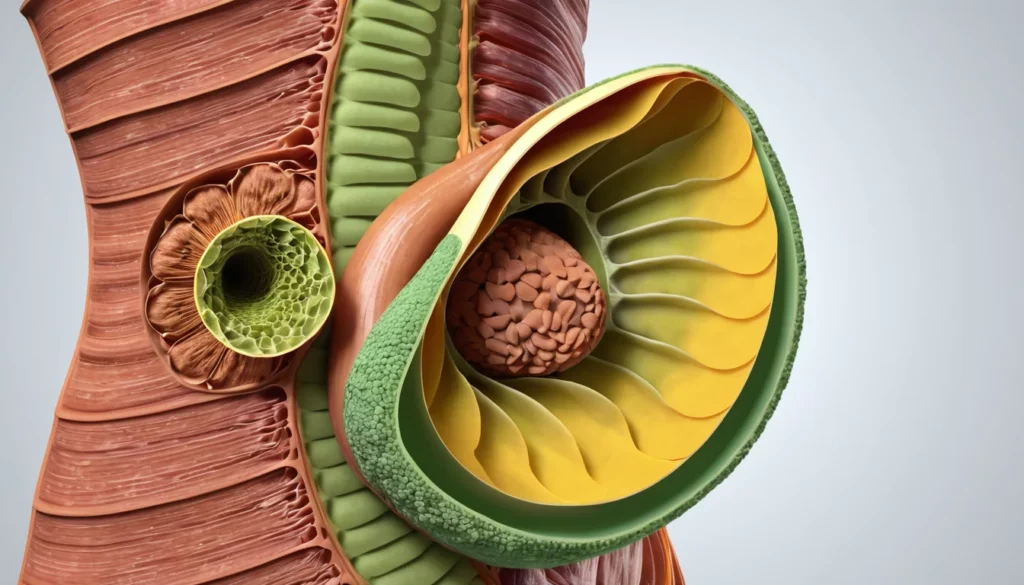
Gallbladder removal surgery, also called a cholecystectomy, is one of the most common surgeries performed in Canada. It involves removing a small, pear-shaped organ that sits just below your liver on the right side of your abdomen. Doctors recommend this surgery when the gallbladder causes pain or other serious problems, most often due to gallstones. In this article, we explain what the gallbladder does, why it sometimes needs to be removed, and what you can expect before and after surgery.
What Is the Gallbladder and What Does It Do?
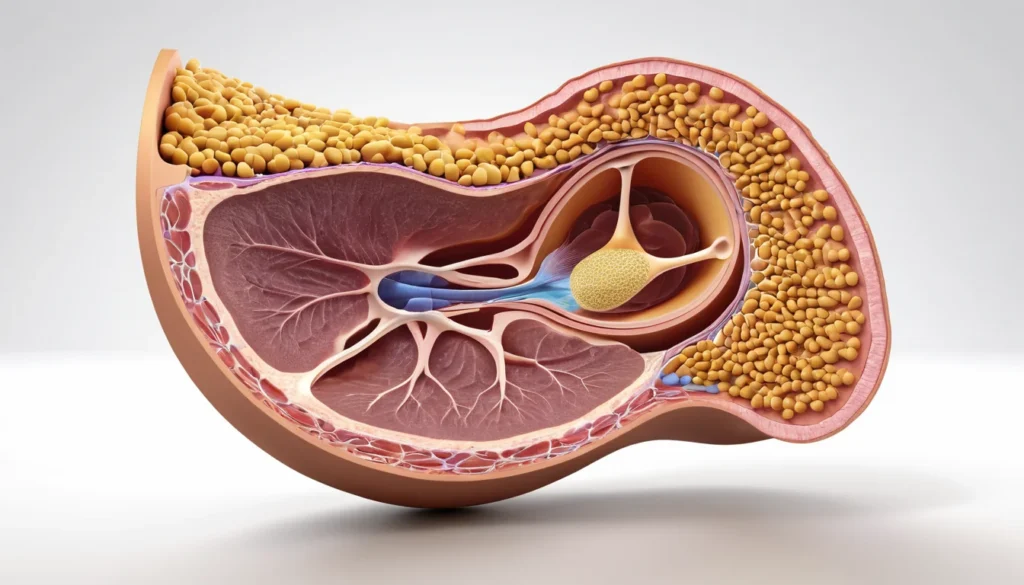
Your gallbladder is a small organ, roughly 7 to 10 centimetres long and 4 centimetres wide. Its main job is to store and concentrate bile, a fluid your liver produces to help digest fatty foods. When you eat a meal containing fat, your gallbladder releases bile through a tube called the common bile duct into your small intestine.
Although the gallbladder plays a helpful role in digestion, your body can function perfectly well without it. After removal, bile flows directly from the liver into the small intestine instead. Most people adjust to this change without any long-term issues.
Why Would You Need Gallbladder Removal Surgery?
The most common reason for gallbladder removal surgery is gallstones. Gallstones are hardened deposits that form inside the gallbladder. They can block the flow of bile, causing significant pain and other complications. Inflammation of the gallbladder, known as cholecystitis, is another common reason for surgery.
Common Symptoms of Gallbladder Problems
Gallbladder symptoms often appear after eating fatty, fried, or rich foods. The most noticeable sign is sharp pain in the upper right side of your abdomen. You may also experience:
Nausea or vomiting
Bloating and gas
Fever or chills
Yellowing of the skin or eyes (jaundice)
Discomfort after eating greasy or fried meals
These symptoms can come and go. However, they tend to get worse over time if left untreated. If you experience severe or repeated pain, it is important to seek medical attention promptly.
Who Is More Likely to Develop Gallstones?
Some people have a higher risk of developing gallstones than others. Understanding your risk factors can help you and your doctor make informed decisions. Common risk factors include:
Being female, especially over the age of 40
Having had one or more pregnancies (risk increases with each pregnancy)
Living with obesity
Having diabetes
Taking hormone therapy
Experiencing rapid weight loss or large weight fluctuations
Eating a diet high in animal fats, dairy products, and fried foods
Having a family history of gallbladder disease
If you identify with several of these risk factors, speak with your family doctor. Early awareness can help prevent serious complications down the road.
How Is Gallbladder Disease Diagnosed?
Your doctor will typically start with a physical exam and review of your symptoms. From there, they may order a few tests to confirm a gallbladder problem. Common diagnostic tools include:
Blood tests: These can detect signs of infection, jaundice, or blocked bile flow by measuring liver enzymes and other markers.
Abdominal ultrasound: This is the most common imaging test for gallstones. It shows the size, number, and position of gallstones, as well as the thickness of the gallbladder wall and the width of the bile duct.
HIDA scan (hepatobiliary iminodiacetic acid scan): This nuclear imaging test uses a small amount of radioactive material to evaluate how well the gallbladder is functioning.
These tests are widely available through provincial health plans across Canada. Your family doctor or a specialist can arrange them with a referral. For more information on diagnostic imaging, visit Health Canada’s official health resources.
Types of Gallbladder Removal Surgery
There are two main approaches to gallbladder removal surgery. Your surgeon will recommend the best option based on your health history and the complexity of your case.
Laparoscopic Cholecystectomy (Keyhole Surgery)
Laparoscopic surgery is the most common and preferred method for gallbladder removal in Canada today. The surgeon makes three or four small cuts in the abdomen. A thin tube with a tiny camera — called a laparoscope — is inserted through one of the cuts, letting the surgeon see inside your abdomen on a screen.
Carbon dioxide gas is gently pumped into the abdomen to create space for the instruments to move freely. The gallbladder is then carefully detached and removed through one of the small incisions. Because the cuts are very small, this approach offers several advantages:
Shorter hospital stay — often just one day or even as an outpatient procedure
Less pain after surgery
Lower risk of infection
Faster return to normal daily activities
Smaller scars
According to the Mayo Clinic’s overview of laparoscopic cholecystectomy, most patients go home the same day or the day after surgery.
Open (Traditional) Cholecystectomy
In some cases, the surgeon must use an open approach. This involves a single larger incision on the right side of the upper abdomen. The gallbladder is then carefully separated from the surrounding tissue and removed. A small drainage tube may be placed temporarily to prevent fluid build-up.
Open surgery is typically used when laparoscopic surgery is not safe or possible. This may happen when a patient has had multiple previous abdominal surgeries that left scar tissue, when the gallbladder is severely inflamed, or when the anatomy is not clearly visible through a camera. Recovery from open surgery takes longer — usually a hospital stay of 4 to 5 days, followed by several weeks of rest at home.
Converting from Laparoscopic to Open Surgery
Sometimes a surgeon begins with the laparoscopic method but needs to switch to open surgery mid-procedure. This is called a conversion. It is not a complication — it is a careful decision made to keep you safe. Your surgical team will always prioritise your well-being over technique.
Preparing for Gallbladder Removal Surgery
Good preparation helps surgery go smoothly and reduces the risk of complications. Your surgical team will give you specific instructions, but here are the general steps most patients follow:
Do not eat or drink anything on the day of surgery. An empty stomach reduces the risk of complications during anaesthesia.
Review your medications. Your doctor may ask you to stop blood thinners or anti-clotting medications before surgery. Always follow your cardiologist’s or family doctor’s advice before stopping any medication.
Manage other health conditions. Conditions like diabetes or high blood pressure should be well-controlled before you go into surgery.
Arrange help at home. You will not be able to drive yourself home after surgery. Plan ahead for someone to assist you during the first few days of recovery.
Before laparoscopic surgery, intravenous antibiotics are often given to reduce the risk of infection. An antiseptic solution is also applied to the skin where the incisions will be made.
Recovery After Gallbladder Removal Surgery
Recovery time depends on which type of surgery you had. After laparoscopic surgery, most patients return to light activities within one to two weeks. After open surgery, full recovery typically takes four to six weeks.
During recovery, you may notice some shoulder or back discomfort. This is caused by the carbon dioxide gas used during laparoscopic surgery and usually fades within a day or two. Some patients also experience loose stools or more frequent bowel movements at first. This is normal as your digestive system adjusts to life without a gallbladder.
Eating smaller, lower-fat meals during the first few weeks after surgery can help ease digestion. Most people return to a normal diet within a month. For more detailed dietary guidance after surgery, Healthline’s guide on life after gallbladder removal offers helpful practical tips.
When to See a Doctor
If you have ongoing pain in your upper right abdomen, especially after fatty meals, it is worth getting checked out. You should not ignore these symptoms, as untreated gallbladder problems can lead to serious complications like infection or a ruptured gallbladder.
Start by booking an appointment with your family doctor. They can order the appropriate tests and refer you to a surgeon if needed. If your symptoms are severe — such as intense abdominal pain, high fever, or yellowing of the skin — go to a walk-in clinic or your nearest emergency department right away. Both walk-in clinics and emergency care are covered under most provincial health plans across Canada.
After gallbladder removal surgery, contact your doctor or visit a clinic immediately if you notice signs of infection at the incision site, a fever above 38°C, worsening abdominal pain, or yellowing of the skin or eyes.
Always speak with a qualified healthcare provider before making any decisions about surgery or medical treatment. This article is for informational purposes only and does not replace professional medical advice.
Frequently Asked Questions
Is gallbladder removal surgery serious?
Gallbladder removal surgery is a very common and generally safe procedure in Canada. Laparoscopic surgery carries a low risk of complications and most patients go home the same day or the next. As with any surgery, there are some risks, so it is important to discuss your individual situation with your doctor.
How long does recovery from gallbladder removal surgery take?
Recovery after laparoscopic gallbladder removal surgery typically takes one to two weeks. Open surgery requires a longer recovery of four to six weeks. Your surgeon will give you specific guidelines based on your health and the type of procedure performed.
Can you live a normal life without a gallbladder?
Yes, most people live completely normal, healthy lives after gallbladder removal surgery. The liver continues to produce bile, which flows directly into the small intestine. Some people notice minor digestive changes at first, but these usually settle within a few weeks.
Is gallbladder removal surgery covered by provincial health plans in Canada?
Yes, gallbladder removal surgery is considered a medically necessary procedure and is covered under provincial and territorial health insurance plans across Canada. You will typically need a referral from your family doctor to see a surgeon. Wait times may vary by province.
What foods should you avoid after gallbladder removal surgery?
After gallbladder removal surgery, it helps to avoid high-fat, greasy, and fried foods for the first few weeks. Eating smaller, more frequent meals is also recommended while your digestive system adjusts. Most people can gradually return to a normal diet within four to six weeks.
What are the signs that you might need gallbladder removal surgery?
Common signs include repeated pain in the upper right abdomen, especially after fatty meals, along with nausea, bloating, or fever. If you experience yellowing of the skin or eyes, seek medical care right away. Your family doctor can assess your symptoms and refer you for testing if gallbladder removal surgery may be needed.
Key Takeaways
Gallbladder removal surgery (cholecystectomy) is a safe and common procedure performed regularly across Canada.
The gallbladder stores bile to help digest fats, but your body does not need it to function well.
Gallstones and gallbladder inflammation are the most common reasons for surgery.
Laparoscopic (keyhole) surgery is the preferred method — it means less pain, smaller scars, and faster recovery.
Open surgery is still used in complex cases and involves a longer recovery period.
Risk factors include being female over 40, obesity, pregnancy, diabetes, and a diet high in fat.
Diagnosis usually involves blood tests and an abdominal ultrasound, both available through provincial health plans.
If you have ongoing gallbladder symptoms, start with your family doctor or a walk-in clinic.
Always consult a healthcare professional for personalised medical advice.