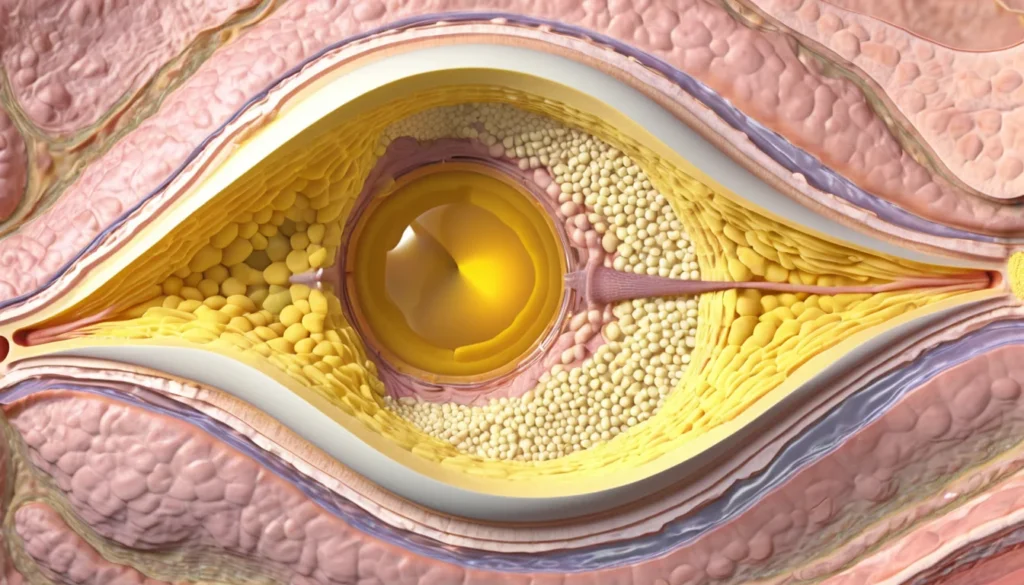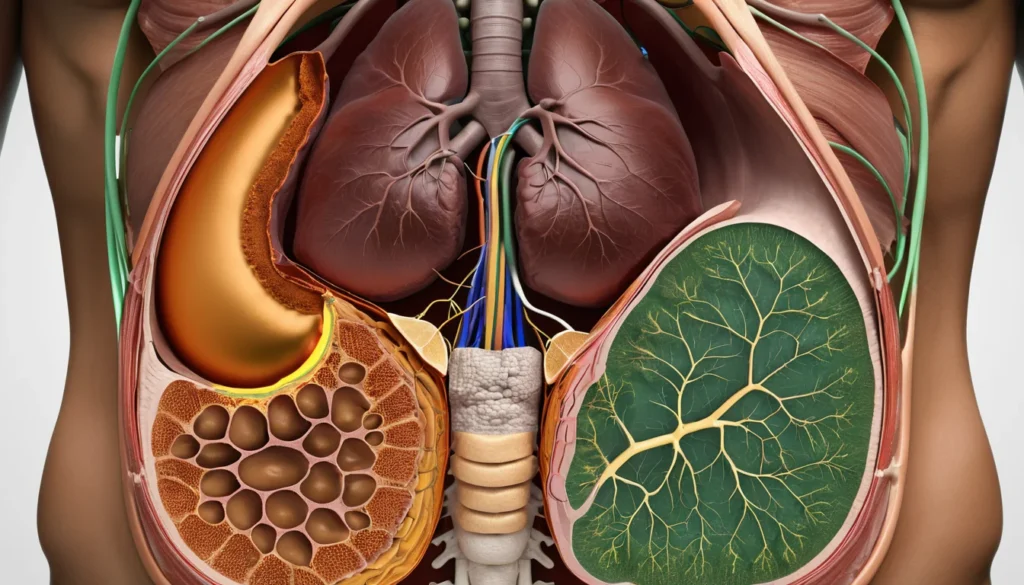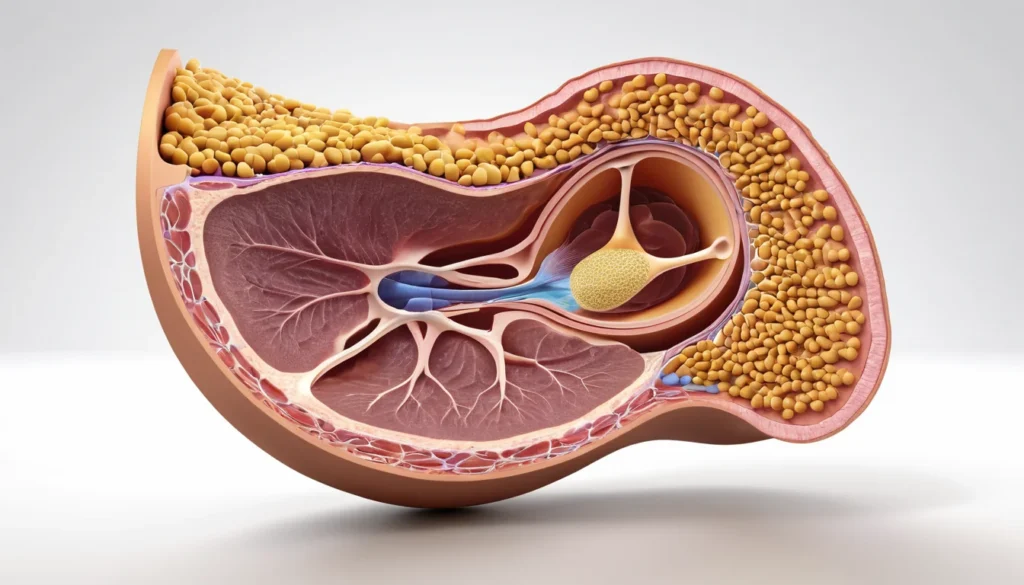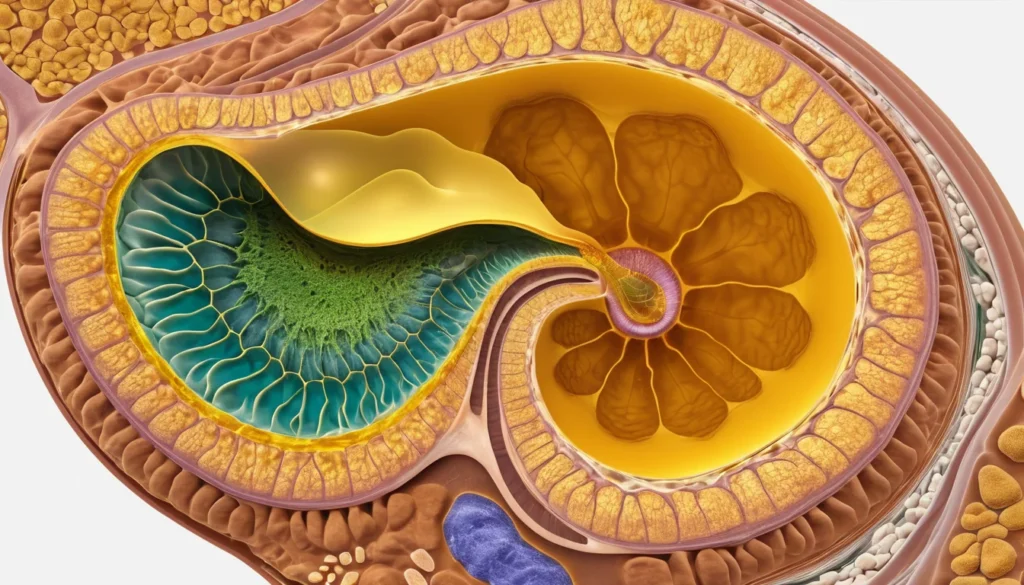
Your gallbladder is a small, pear-shaped organ tucked just beneath your liver, on the upper right side of your abdomen. It collects and concentrates bile, a fluid your body uses to digest fats. Most people never think about their gallbladder — until something goes wrong. This article explains how your gallbladder works, what conditions can affect it, and when it is time to call your family doctor or visit a walk-in clinic.
What Does the Gallbladder Do?
The gallbladder stores bile that is made by your liver. When you eat a fatty meal, your gallbladder squeezes bile into your small intestine through a series of small tubes called bile ducts. This helps your body break down and absorb fats and fat-soluble vitamins.
The gallbladder is part of a larger system called the biliary system. This system includes the liver, bile ducts, and pancreas. When any part of this system is blocked or inflamed, it can cause significant discomfort and health problems.
Common issues within this system include:
Inflammation of the gallbladder or bile ducts
Muscle spasms or poor contraction of the gallbladder wall
Stones forming inside the gallbladder or bile ducts
Blockage of bile flow
Common Gallbladder Problems
Several conditions can affect your gallbladder. Some are mild and manageable. Others require prompt medical attention. Understanding these conditions can help you take action early.
Gallstones (Cholelithiasis)
Gallstones are one of the most common gallbladder problems in Canada. They form when substances in bile — such as cholesterol — crystallise inside the gallbladder. Doctors are not always sure why this happens, but diet, weight, and genetics all play a role.
Many people with gallstones have no symptoms at all. However, when a stone blocks a bile duct, it can cause sudden and intense pain in the upper right abdomen. This pain is sometimes called a gallbladder attack.
Cholecystitis (Gallbladder Inflammation)
Cholecystitis means inflammation of the gallbladder. In most cases, a gallstone blocking the neck of the gallbladder causes it. The result is pain, fever, and nausea that can last for hours.
If cholecystitis keeps coming back, your doctor may recommend surgery. Left untreated, it can lead to serious complications, including infection spreading to nearby organs.
Biliary Pancreatitis
Sometimes, a gallstone travels out of the gallbladder and blocks the duct that drains the pancreas. This causes the pancreas to become inflamed, a condition called pancreatitis. Biliary pancreatitis can be very serious and often requires a hospital stay.
Gallbladder Cancer
Gallbladder cancer is rare, but it does occur. It is more common in people who have had long-term inflammation or gallstones. Because the gallbladder sits deep in the abdomen, symptoms are often not noticed until the cancer is more advanced. Early detection greatly improves outcomes, so regular check-ups with your family doctor matter.
Symptoms of Gallbladder Disease
Gallbladder symptoms can be easy to confuse with other digestive issues. That is why many people live with a gallbladder problem for months before getting a diagnosis. Knowing the warning signs can help you get care sooner.
Common symptoms of gallbladder disease include:
Pain in the upper right side of the abdomen, especially after eating
Pain that spreads to the right shoulder or back
Nausea or vomiting
Bloating and gas
Fever or chills (if infection is present)
Yellowing of the skin or eyes (jaundice), which signals a bile duct blockage
Furthermore, some people notice their symptoms are worse after eating fatty or greasy foods. Keeping a food diary can help your doctor identify patterns and make a faster diagnosis.
Conditions That Can Mimic Gallbladder Problems
Not every upper abdominal pain means your gallbladder is to blame. Several other conditions produce very similar symptoms. Your doctor will likely rule these out before diagnosing a gallbladder condition.
These include:
Gastritis — inflammation of the stomach lining
Gastroesophageal reflux disease (GERD) — stomach acid flowing back into the esophagus
Stomach or duodenal ulcers — sores in the digestive tract lining
Food allergies or intolerances — including gluten intolerance (celiac disease)
Fatty liver disease — a build-up of fat in the liver
Liver cysts — caused by slow bile flow
Irritable bowel syndrome (IBS) — muscle spasms in the intestines, sometimes linked to stress
Medication side effects — anti-inflammatory drugs can affect the stomach and liver
Therefore, it is important not to self-diagnose. A proper physical exam, blood tests, and an ultrasound are the most common tools your doctor will use to get to the bottom of your symptoms.
When to See a Doctor About Your Gallbladder
Some gallbladder symptoms are urgent. If you or someone you know experiences any of the following, seek care right away. You can visit your nearest emergency room or call 911.
Go to the emergency room immediately if you have:
Severe abdominal pain that does not go away
Pain spreading to your back or right shoulder
Repeated vomiting
High fever with chills
Yellow skin or eyes (jaundice)
Signs of sepsis — such as confusion, rapid heartbeat, or extreme weakness
For milder or ongoing symptoms — such as bloating after fatty meals or occasional upper abdominal discomfort — book an appointment with your family doctor. If you do not have a family doctor, a walk-in clinic is a good first step. Most provincial health plans in Canada cover the initial assessment and follow-up tests for gallbladder conditions.
For more information on when digestive symptoms need medical attention, visit Health Canada’s official health resources.
Gallbladder Treatment Options
Treatment depends on the type and severity of your gallbladder condition. Your doctor will discuss the best option for your situation. Here is an overview of the most common treatments available in Canada.
Cholecystectomy (Gallbladder Removal Surgery)
The most common treatment for gallstones and cholecystitis is surgical removal of the gallbladder. This is called a cholecystectomy. Most surgeons perform it laparoscopically, using small incisions and a tiny camera. Recovery is typically quick, and you can live a full, healthy life without a gallbladder.
In some cases, open surgery (laparotomy) is needed. This happens when the gallbladder is severely inflamed or when complications are present. Your surgeon will explain which approach is right for you.
Antibiotics
If your gallbladder is infected, your doctor may prescribe antibiotics. However, antibiotics do not cure cholecystitis on their own. Their main role is to prevent the infection from spreading to other parts of your body while other treatments are planned.
Ursodeoxycholic Acid (Oral Dissolution Therapy)
For people who are not good candidates for surgery, doctors sometimes prescribe ursodeoxycholic acid in pill form. This medication can slowly dissolve small cholesterol gallstones. It works best on small stones and may take months to show results. It does not work on all types of gallstones.
Extracorporeal Shock Wave Lithotripsy (ESWL)
This non-surgical treatment uses high-energy sound waves to break gallstones into smaller pieces. A machine directs the waves through the abdominal wall from outside the body. Lithotripsy works best when there are only a few small gallstones present. It is not widely available across all provinces.
Solvent Dissolution
In this procedure, a doctor inserts a thin needle through the skin directly into the gallbladder. A chemical solvent is then injected to dissolve the gallstones. This approach is less common and is usually reserved for patients who cannot have surgery.
Chemotherapy and Radiation
For gallbladder cancer, surgery is typically the first step. After surgery, chemotherapy and radiation therapy may be recommended to lower the risk of the cancer returning. Your care team — including an oncologist — will guide you through this process.
For a deeper look at gallstone treatment options, the Mayo Clinic’s gallstone treatment guide is a reliable resource.
Frequently Asked Questions About the Gallbladder
What are the first signs of gallbladder problems?
The most common early sign of a gallbladder problem is pain in the upper right side of your abdomen, especially after eating fatty foods. You may also feel bloated, nauseous, or notice that your symptoms come and go. If these signs persist, it is worth speaking with your family doctor or visiting a walk-in clinic.
Can you live a normal life without a gallbladder?
Yes, most people live a completely normal life after gallbladder removal. The liver continues to produce bile, which flows directly into the small intestine instead of being stored first. Some people notice loose stools for a few weeks after surgery, but this usually settles down on its own.
What foods should I avoid if I have gallbladder issues?
People with gallbladder problems are often advised to avoid high-fat, fried, and processed foods, as these trigger bile release and can worsen symptoms. Eating smaller, more frequent meals and increasing fibre intake may also help. Your doctor or a registered dietitian can give you a personalised eating plan.
Is gallbladder disease covered by provincial health plans in Canada?
In most provinces, medically necessary gallbladder treatments — including surgery — are covered under provincial health insurance plans. This includes diagnostic tests like ultrasounds and blood work. However, coverage can vary, so it is best to check with your provincial health authority or family doctor for details.
How is gallbladder disease diagnosed?
Doctors typically diagnose gallbladder disease through a combination of a physical exam, blood tests, and an abdominal ultrasound. In some cases, additional imaging like a CT scan or an MRI may be needed. Your family doctor will refer you to the appropriate specialist if further testing is required.
Can stress cause gallbladder symptoms?
Stress does not directly cause gallbladder disease, but it can trigger muscle spasms in the digestive tract that mimic gallbladder symptoms. Emotional stress may also worsen existing digestive conditions like IBS or GERD, which can be confused with a gallbladder problem. If you are unsure about your symptoms, a doctor can help sort out the cause.
Key Takeaways
The gallbladder is a small organ under your liver that stores bile for fat digestion.
The most common gallbladder problems are gallstones and cholecystitis (inflammation).
Symptoms include upper right abdominal pain, nausea, fever, and — in serious cases — jaundice.
Several other conditions, including GERD and gastritis, can mimic gallbladder disease.
Treatment options range from medication and non-surgical procedures to gallbladder removal surgery.
Most gallbladder treatments are covered by provincial health plans across Canada.
Always speak with your family doctor or visit a walk-in clinic if you are concerned about your symptoms.
This article is for informational purposes only and does not replace professional medical advice. Always consult your family doctor or a qualified healthcare provider if you have concerns about your health. In a medical emergency, call 911 or go to your nearest emergency department.
For additional trusted information on digestive health, explore Healthline’s comprehensive guide to gallbladder disease.