Gallbladder cancer is a rare but serious condition where malignant (cancerous) cells form in the lining of the gallbladder. The gallbladder is a small, pear-shaped organ that sits beneath the liver. It stores bile — a fluid made by the liver that helps digest fats. Because gallbladder cancer often causes no symptoms in its early stages, it can be difficult to catch and treat in time.
What Is the Gallbladder and What Does It Do?
Your gallbladder is a small pouch located on the underside of your liver, in the upper right side of your abdomen. Its main job is to store bile produced by the liver. When you eat, especially fatty foods, your gallbladder releases bile through the common bile duct into the upper part of the small intestine. This helps your body break down and absorb fats.
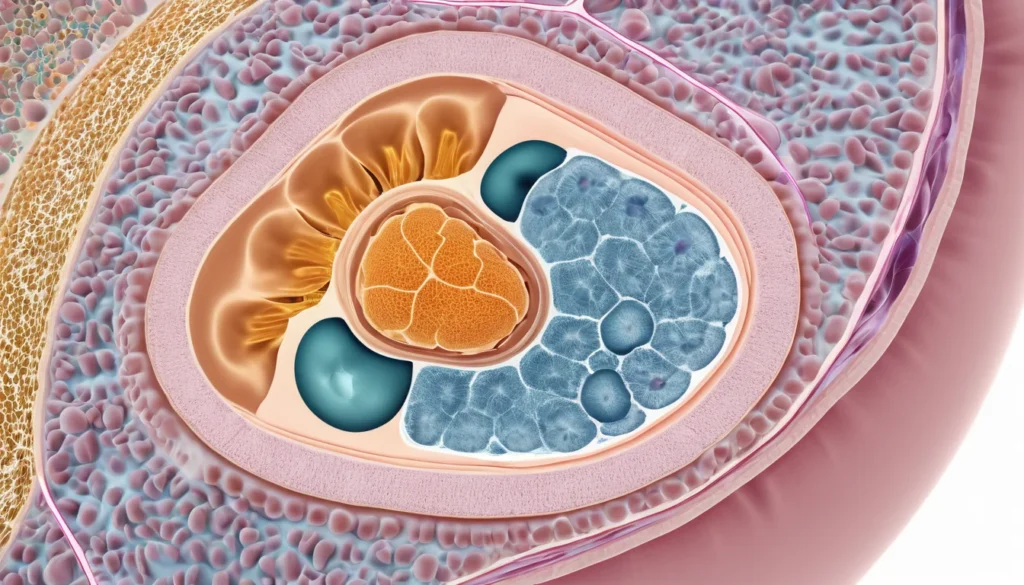
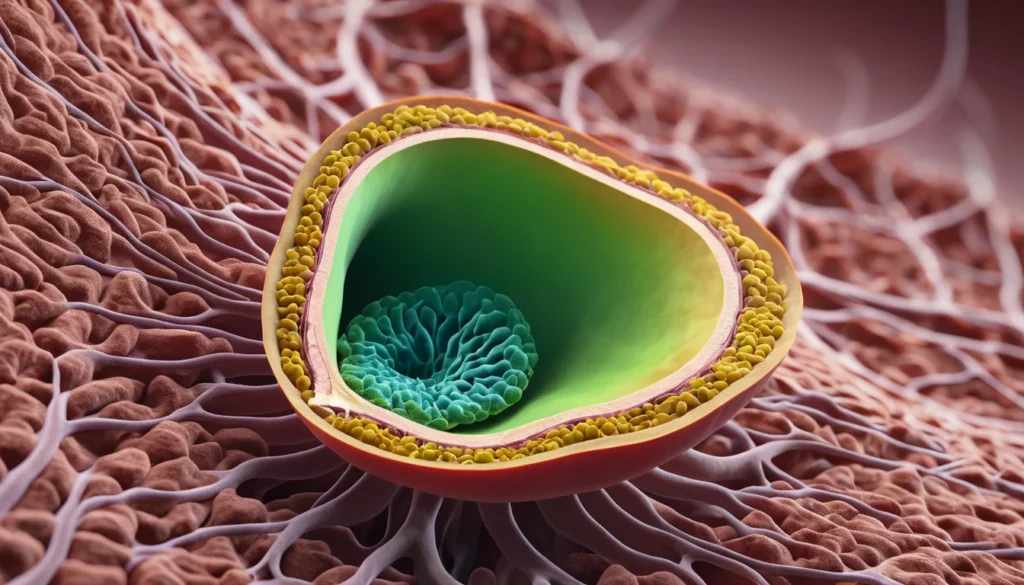
The wall of the gallbladder has three layers. The inner layer is called the mucosa. The middle layer is the muscle layer. The outer layer is the serosa. Between these layers is supportive connective tissue. Gallbladder cancer almost always starts in the innermost layer — the mucosa — and can spread quickly to surrounding tissues and organs.
Gallbladder Cancer: Who Is at Risk?
Gallbladder cancer is more common in women than in men. Researchers are not entirely sure why, but hormonal factors and a higher rate of gallstones in women may play a role. In addition, certain factors can raise a person’s risk of developing this condition.
Common risk factors include:
Gallstones: The most common risk factor. Long-term gallstone disease can irritate and inflame the gallbladder lining.
Chronic inflammation: Ongoing inflammation of the gallbladder, known as cholecystitis, increases risk over time.
Age: Most cases are diagnosed in people over 65.
Obesity: Carrying excess weight is linked to gallstone formation and higher cancer risk.
Family history: A close relative with gallbladder cancer may increase your risk.
Porcelain gallbladder: A condition where calcium deposits form on the gallbladder wall.
However, having one or more of these risk factors does not mean you will develop gallbladder cancer. Many people with these factors never get the disease.
Recognising the Symptoms of Gallbladder Cancer
One of the biggest challenges with gallbladder cancer is that early-stage disease rarely causes noticeable symptoms. As a result, it is often discovered at a later, more advanced stage. When symptoms do appear, they can be similar to those of other, less serious digestive conditions.
The most common symptoms include:
Jaundice: A yellowing of the skin and whites of the eyes. This happens when a tumour blocks the bile duct and bile builds up in the bloodstream.
Pain in the upper right abdomen: A dull or sharp pain below the right rib cage is a frequent complaint.
Nausea and vomiting: Persistent nausea that does not go away after a day or two.
Abdominal bloating: A feeling of fullness or swelling in the belly.
A lump in the abdomen: In some cases, a mass can be felt in the upper right part of the stomach area.
Fever: An unexplained low-grade fever that persists.
These symptoms are not unique to gallbladder cancer. They can also be caused by gallstones, liver disease, or other conditions. Therefore, it is essential to see a healthcare provider if these symptoms persist or worsen.
How Is Gallbladder Cancer Diagnosed?
Diagnosing gallbladder cancer involves a combination of physical examination, blood tests, and medical imaging. Your doctor will want to rule out other conditions first. The goal of testing is not only to confirm cancer but also to determine how far it has spread — a process called staging.
Physical Exam and Medical History
Your doctor will start with a thorough physical exam. They will feel your abdomen for any unusual lumps or tenderness. They will also ask about your personal and family medical history. This information helps guide further testing.
Blood Tests
Several blood tests can provide helpful information. Liver function tests measure substances released by the liver into the blood. Elevated levels may signal a liver or bile duct problem. Two tumour markers — CEA (carcinoembryonic antigen) and CA 19-9 — are also measured. High levels of these markers can suggest cancer, though they are not specific to gallbladder cancer alone.
Imaging Tests
Imaging is a key part of diagnosis. Common imaging tests used to investigate gallbladder cancer include:
Abdominal ultrasound: Uses sound waves to create images of the gallbladder and surrounding organs. It is usually the first imaging test ordered.
CT scan (computed tomography): Takes detailed cross-sectional images of the body. A contrast dye may be injected or swallowed to improve image clarity. Spiral or helical CT scanning provides especially detailed views of organs.
MRI (magnetic resonance imaging): Uses magnets and radio waves to create detailed images. An MRI with contrast can clearly show the bile ducts (called MRCP — magnetic resonance cholangiopancreatography). A contrast dye can also highlight nearby blood vessels (MR angiography).
Chest X-ray: Checks whether cancer has spread to the lungs or chest bones.
ERCP (Endoscopic Retrograde Cholangiopancreatography)
ERCP is a specialised procedure used to examine the bile ducts. A thin, flexible tube called an endoscope is passed through the mouth, down the throat, and into the small intestine. A smaller tube is then guided through the endoscope into the bile ducts. Contrast dye is injected and X-ray images are taken.
If a tumour is blocking a bile duct and causing jaundice, a small tube called a stent can be placed to reopen the duct and allow bile to flow. Furthermore, during ERCP, your doctor can collect a tissue sample (biopsy) for laboratory analysis.
Biopsy
A biopsy involves removing a small sample of tissue for examination under a microscope. This is the only way to confirm a cancer diagnosis with certainty. The sample can be collected using a fine needle guided by ultrasound or X-ray imaging. A pathologist then examines the cells for signs of malignancy.
For more information on how cancer is diagnosed in Canada, visit the Health Canada official website.
Staging Gallbladder Cancer
Once gallbladder cancer is confirmed, doctors determine the stage of the disease. Staging describes how far the cancer has grown or spread. This is a critical step because it directly influences which treatments are most appropriate.
The stages range from Stage I (cancer is confined to the inner layer of the gallbladder wall) to Stage IV (cancer has spread to distant organs such as the liver, lungs, or lymph nodes far from the gallbladder). In the early stages, surgery to remove the gallbladder may be curative. In later stages, the focus often shifts to controlling the disease and managing symptoms.
A key factor in planning treatment is operability — whether the tumour can be completely removed by surgery. Your medical team will assess this carefully using imaging results and overall health status. You can learn more about cancer staging from the Mayo Clinic’s cancer overview.
Treatment Options for Gallbladder Cancer
Treatment for gallbladder cancer depends on the stage of the disease, the patient’s overall health, and whether the tumour can be surgically removed. In Canada, your care team will typically include a surgeon, oncologist, and other specialists working together.
Common treatment approaches include:
Surgery: The main treatment for early-stage gallbladder cancer. The surgeon removes the gallbladder (cholecystectomy) and may also remove nearby lymph nodes and a portion of the liver if needed.
Chemotherapy: Uses drugs to kill cancer cells or slow their growth. It may be used after surgery or for advanced cases where surgery is not possible.
Radiation therapy: Uses high-energy rays to target and destroy cancer cells. It is sometimes combined with chemotherapy.
Palliative care: For advanced gallbladder cancer, treatment focuses on relieving symptoms and improving quality of life. This includes pain management, stent placement to relieve jaundice, and nutritional support.
Research into new treatments, including targeted therapy and immunotherapy, is ongoing. Canadians diagnosed with this condition may have access to clinical trials through major cancer centres. For further reading on treatment approaches, the Healthline guide on gallbladder cancer offers a helpful overview.
When to See a Doctor
You should see your family doctor or visit a walk-in clinic if you notice any of the following symptoms that do not improve within a few days:
Yellowing of the skin or eyes (jaundice)
Persistent pain in the upper right side of your abdomen
Ongoing nausea or vomiting
Unexplained bloating or a lump in your belly
A fever with no clear cause
These symptoms can have many causes, most of which are not cancer. However, it is always better to get checked early. If your family doctor suspects a serious condition, they can refer you to a specialist and arrange imaging through your provincial health plan.
Early detection gives the best chance of successful treatment. Do not wait for symptoms to get worse before seeking care. Always speak with a qualified healthcare provider before drawing any conclusions about your health.
Frequently Asked Questions About Gallbladder Cancer
What are the early warning signs of gallbladder cancer?
Gallbladder cancer often has no symptoms in its earliest stages, which makes it hard to detect early. When symptoms do appear, they may include jaundice (yellowing of the skin or eyes), pain in the upper right abdomen, and nausea. If you notice these signs, see your family doctor as soon as possible.
Is gallbladder cancer curable?
Gallbladder cancer can be curable when caught at an early stage, before it spreads beyond the gallbladder wall. Surgery to remove the gallbladder is the most effective treatment at this stage. Unfortunately, because gallbladder cancer is often diagnosed late, outcomes can be more challenging in advanced cases.
How common is gallbladder cancer in Canada?
Gallbladder cancer is considered a rare cancer in Canada and around the world. It accounts for a small percentage of all cancers diagnosed each year. It is more common in women and in people over the age of 65.
Can gallstones lead to gallbladder cancer?
Having gallstones is the most common risk factor associated with gallbladder cancer. Long-term irritation and inflammation from gallstones may damage the gallbladder lining over time. However, the vast majority of people with gallstones never develop gallbladder cancer.
What tests are used to diagnose gallbladder cancer?
Doctors use a combination of blood tests, imaging, and biopsy to diagnose gallbladder cancer. Common tests include abdominal ultrasound, CT scan, MRI, and a procedure called ERCP. A biopsy — where a small tissue sample is examined under a microscope — is the only definitive way to confirm the diagnosis.
Is gallbladder cancer covered under provincial health plans in Canada?
Yes, diagnosis and treatment of gallbladder cancer — including specialist visits, imaging, surgery, and chemotherapy — are generally covered under provincial and territorial health insurance plans across Canada. You will typically need a referral from your family doctor or a walk-in clinic to access specialist care.
Key Takeaways
Gallbladder cancer is a rare but aggressive cancer that starts in the inner lining of the gallbladder.
It is more common in women and in adults over age 65.
Early-stage disease often has no symptoms, making it difficult to detect.
Key symptoms include jaundice, upper right abdominal pain, nausea, and unexplained bloating.
Diagnosis involves blood tests, imaging (ultrasound, CT, MRI), ERCP, and biopsy.
Staging determines how far the cancer has spread and guides treatment decisions.
Surgery is the main treatment for early-stage cases; chemotherapy and radiation may be used for advanced disease.
See your family doctor or a walk-in clinic promptly if you experience any of the warning symptoms.
All treatment and specialist care for gallbladder cancer is generally covered under your provincial health plan.