GABA — short for gamma-aminobutyric acid — is one of the most important chemical messengers in your brain. It works as a neurotransmitter, which means it carries signals between nerve cells. GABA’s main job is to calm the nervous system down, and without enough of it, your brain can feel stuck in overdrive. In this article, we explain what GABA is, what it does, what happens when levels are too low, and how you can support healthy GABA activity through lifestyle and, when needed, medical care.
What Is GABA? Understanding This Key Neurotransmitter
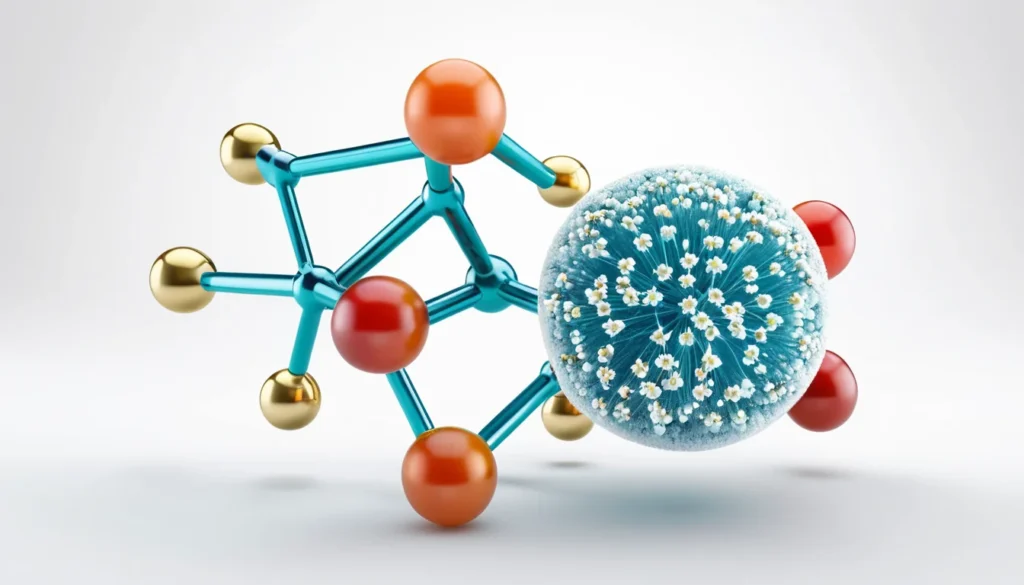
GABA stands for gamma-aminobutyric acid. It is an amino acid that your brain naturally produces and uses as a chemical messenger. Scientists classify it as an inhibitory neurotransmitter, which simply means it slows nerve activity rather than speeding it up.
Think of your nervous system like a busy highway. Excitatory neurotransmitters, like glutamate, press the gas pedal. GABA presses the brake. Both are essential for keeping your brain balanced and running smoothly.
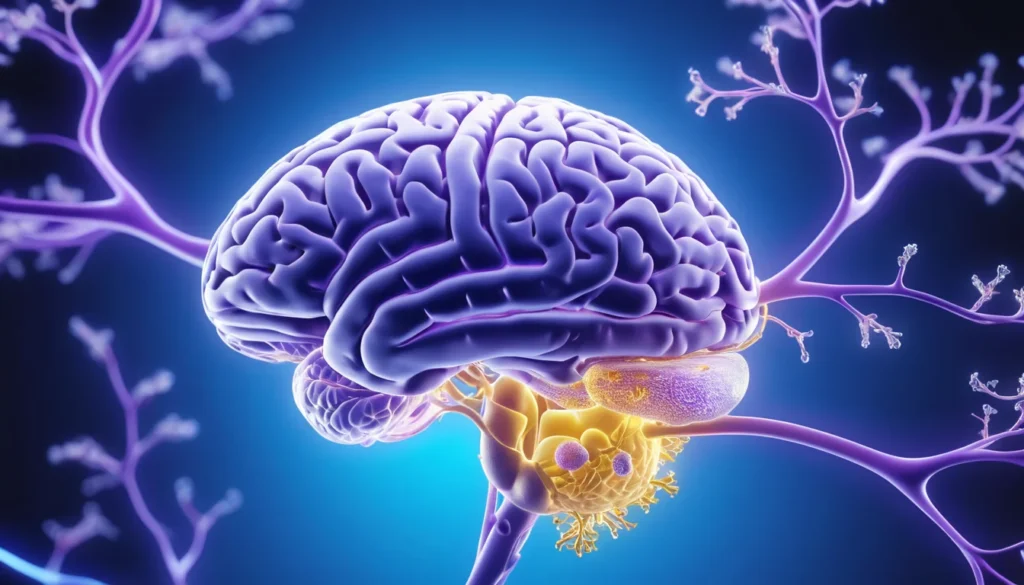
GABA binds to special receptors on nerve cells throughout your central nervous system. When it attaches to these receptors, it reduces the chance that those nerve cells will fire an electrical signal. As a result, your brain activity slows, your muscles relax, and your body feels calmer.
According to Healthline’s overview of GABA and the nervous system, this neurotransmitter plays a central role in regulating mood, sleep, and stress responses.
What Does GABA Do in the Body?
GABA affects many systems in your body, not just your brain. Its calming influence reaches your muscles, your sleep cycles, and even your digestive system. Here is a closer look at its key roles.
GABA and Anxiety
One of GABA’s most studied roles is reducing anxiety and fear. When your brain senses a threat, excitatory signals fire rapidly. GABA steps in to quiet those signals and bring your nervous system back to a steady state.
Low GABA activity is linked to anxiety disorders, including generalized anxiety disorder and panic disorder. In fact, many anti-anxiety medications work by boosting the effect of GABA receptors in the brain. However, medication is just one piece of the puzzle, and lifestyle approaches also matter greatly.
GABA and Sleep
GABA plays a direct role in helping you fall asleep and stay asleep. It reduces brain activity enough to allow the shift from wakefulness into sleep. People with insomnia sometimes have lower GABA levels than people who sleep well.
Some sleep medications, including certain prescription drugs available through Canadian pharmacies, target GABA receptors to promote sleep. If you struggle with sleep, speaking with your family doctor is always the best first step.
GABA and Muscle Relaxation
GABA does not only work in the brain. It also acts in the spinal cord, where it helps reduce muscle tension. This is why some muscle relaxants work by targeting GABA pathways. Furthermore, this calming effect on muscles is why you often feel physically relaxed when you are mentally calm.
GABA and Mood Regulation
Research suggests that GABA contributes to overall mood stability. Low GABA levels have been associated with depression in some studies. Therefore, supporting healthy GABA function may be an important part of mental wellness, alongside other factors like exercise, nutrition, and social connection.
Signs of Low GABA Levels
Your body gives you signals when something is out of balance. Low GABA activity can show up in several ways. However, these symptoms can also point to other conditions, so it is important not to self-diagnose.
Common signs that may suggest low GABA activity include:
Feeling anxious, nervous, or overwhelmed without a clear reason
Difficulty falling asleep or staying asleep
Mood swings or persistent low mood
Muscle tension or tightness
Racing thoughts that are hard to quiet
Feeling easily startled or on edge
These symptoms do not confirm a GABA deficiency on their own. In addition, there is currently no simple blood test available through provincial health plans to measure GABA levels directly. Your doctor will look at your full health picture to understand what is going on.
What Affects Your GABA Levels?
Several factors influence how much GABA your brain produces and how well it works. Some of these are within your control, and others are not.
Lifestyle Factors
Regular physical activity is one of the most effective ways to support healthy GABA production. Studies show that aerobic exercise, like brisk walking, cycling, or swimming, increases GABA activity in the brain. Even a 20-minute walk can make a difference.
Chronic stress, on the other hand, depletes GABA over time. When you are under constant pressure, your nervous system stays in a heightened state, and the brain’s calming systems struggle to keep up. Managing stress through techniques like deep breathing, mindfulness, or yoga may help support GABA function.
Sleep quality also matters. Poor sleep and low GABA levels can feed into each other, creating a cycle that is hard to break. Prioritizing good sleep habits — a consistent bedtime, a dark and cool room, and limiting screens before bed — supports your brain’s chemistry overall.
Diet and Nutrition
Your brain needs the right building blocks to make GABA. The amino acid glutamate is converted into GABA with the help of vitamin B6. Therefore, eating foods rich in vitamin B6, such as poultry, fish, potatoes, bananas, and chickpeas, may support this process.
Fermented foods like yogurt, kefir, kimchi, and tempeh contain bacteria that produce GABA as a byproduct of fermentation. While more research is needed, some scientists believe that a healthy gut microbiome may support GABA production. Including fibre-rich and fermented foods in your diet is a reasonable and safe step.
Green tea contains a compound called L-theanine, which appears to promote GABA activity. Many Canadians already enjoy green tea as part of their daily routine, and it is a simple, low-risk habit to consider.
Alcohol and GABA
Alcohol enhances GABA receptor activity in the short term, which is why it produces feelings of relaxation and reduced inhibition. However, long-term heavy drinking actually reduces the brain’s natural GABA production. As a result, people who drink heavily may feel more anxious and restless when they are not drinking — a sign that their GABA system has been disrupted.
GABA Supplements: Do They Work?
GABA supplements are widely available in Canadian health food stores and pharmacies. They are sold as natural health products, often marketed to support sleep, reduce stress, or ease anxiety. However, the science behind them is more complicated than the labels suggest.
The main question researchers ask is whether GABA taken by mouth can actually cross the blood-brain barrier — a protective filter that controls what enters the brain. Some studies suggest it may cross this barrier in small amounts, while others are less certain. Mayo Clinic’s guidance on supplements and brain health highlights the importance of evidence-based choices.
Some people report feeling calmer after taking GABA supplements. However, it is unclear whether this is a direct brain effect or another mechanism entirely. The research is still evolving, and Health Canada regulates these products as natural health products rather than drugs.
Before starting any supplement, speak with your family doctor or pharmacist. This is especially important if you take prescription medications, as interactions are possible.
When to See a Doctor
If you are experiencing ongoing anxiety, poor sleep, low mood, or unexplained muscle tension, it is worth speaking with a healthcare provider. Your family doctor is the best starting point. They can review your symptoms, rule out other causes, and discuss evidence-based treatment options.
If you do not have a family doctor, a walk-in clinic is a convenient option available in most Canadian communities. Many walk-in clinics can provide referrals to mental health services, which are increasingly covered under provincial health plans.
Do not try to self-treat anxiety, sleep problems, or mood disorders based on what you read online. While understanding GABA is helpful, a proper diagnosis and a personalized plan from a qualified health professional will always produce the best outcomes.
For broader information on mental health support in Canada, Health Canada’s mental wellness resources offer a useful starting point.
Frequently Asked Questions About GABA
What does GABA do in the brain?
GABA acts as the brain’s main calming chemical. It slows down nerve activity by attaching to receptors on brain cells, which reduces electrical signals and helps your mind and body feel more relaxed. Without enough GABA, the nervous system can become overactive, leading to anxiety, poor sleep, and tension.
Can low GABA levels cause anxiety?
Yes, low GABA activity is strongly associated with anxiety disorders, including generalized anxiety and panic disorder. When GABA cannot effectively calm nerve signals, the brain stays in a heightened state of alertness. However, anxiety has many causes, so it is important to speak with a doctor for a proper assessment rather than assuming GABA is the only factor.
Do GABA supplements actually work?
GABA supplements are available in Canada and some people report benefits for sleep and stress, but the scientific evidence is mixed. The key question is whether supplemental GABA can cross the blood-brain barrier in meaningful amounts, and research on this is still ongoing. Always speak with your pharmacist or family doctor before starting a GABA supplement, especially if you take other medications.
What foods naturally increase GABA?
Certain foods may help support your body’s natural GABA production. Fermented foods like yogurt, kefir, and kimchi contain GABA-producing bacteria, while foods rich in vitamin B6 — such as bananas, fish, and chickpeas — provide building blocks for GABA synthesis. Green tea also contains L-theanine, a compound that supports GABA activity in the brain.
Is GABA the same as glutamate?
No, GABA and glutamate are different neurotransmitters with opposite roles. Glutamate is excitatory, meaning it activates nerve cells and increases brain activity, while GABA is inhibitory and calms those same nerve cells down. Interestingly, the brain actually produces GABA by converting glutamate, with the help of an enzyme that requires vitamin B6.
Does exercise increase GABA levels?
Yes, research shows that regular aerobic exercise can increase GABA activity in the brain. Activities like brisk walking, cycling, swimming, or yoga have all been linked to improved GABA function and reduced anxiety symptoms. Even short bouts of moderate exercise, as little as 20 minutes, appear to have a measurable calming effect on the nervous system.
Key Takeaways
GABA (gamma-aminobutyric acid) is the brain’s main inhibitory neurotransmitter — it calms nervous system activity.
It plays a vital role in managing anxiety, supporting sleep, relaxing muscles, and stabilizing mood.
Low GABA activity is linked to anxiety disorders, insomnia, and mood difficulties.
Regular exercise, a balanced diet rich in vitamin B6 and fermented foods, stress management, and good sleep habits all support healthy GABA function.
GABA supplements are available in Canada but have mixed scientific support — always consult a healthcare provider before use.
If you have concerns about anxiety, sleep, or mood, speak with your family doctor or visit a walk-in clinic for personalized guidance.