GABA, short for gamma-aminobutyric acid, is one of the most important chemicals your brain produces. It acts as a natural “calm down” signal, helping your body relax, sleep, and manage stress. In this article, we’ll explain what GABA does, why it matters for your health, and what happens when your levels are too low.
What Is GABA?
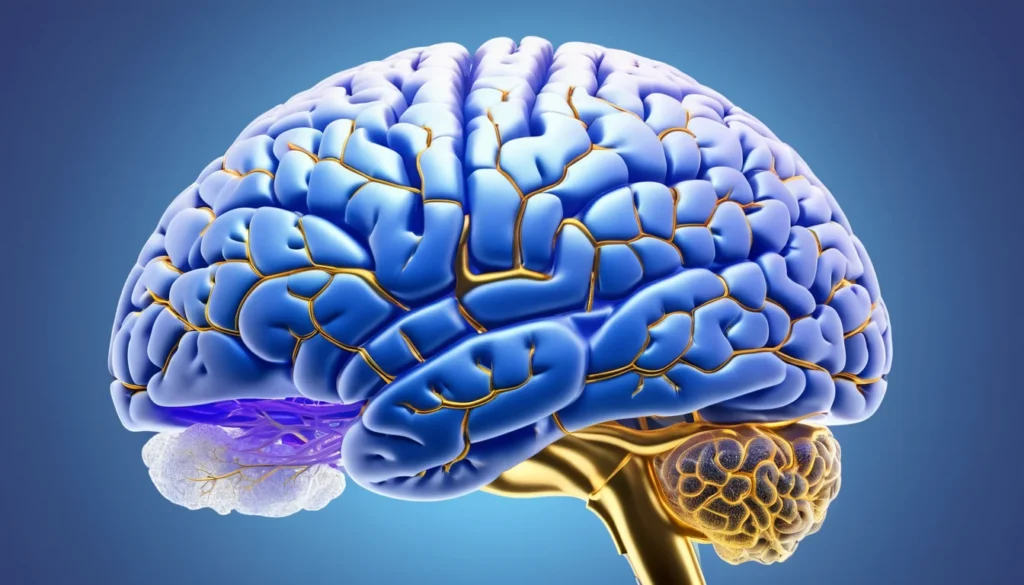
GABA is an amino acid that your brain makes on its own. It works as a neurotransmitter, which means it carries messages between brain cells. However, unlike most brain chemicals, GABA slows things down rather than speeding them up.
Think of your brain like a busy highway. Some chemicals act like a green light, pushing traffic forward. GABA acts like a red light, telling your brain to slow down and rest. This balance is essential for good mental and physical health.
GABA works alongside another neurotransmitter called glutamate. Glutamate is excitatory, meaning it activates brain cells. GABA is inhibitory, meaning it calms them. Together, these two chemicals keep your brain in balance. According to Healthline’s overview of GABA, this balance plays a key role in mood, sleep, and nervous system function.
How Does GABA Work in the Brain?
Your brain cells communicate through electrical signals. When GABA attaches to a brain cell receptor, it reduces that cell’s ability to fire off signals. As a result, your nervous system calms down.
This process helps your body manage everyday stress. It also prepares your brain for sleep and supports a stable, balanced mood. Without enough GABA, your brain can feel like it’s stuck in “overdrive.”
GABA Receptors
GABA works through two main types of receptors: GABA-A and GABA-B. GABA-A receptors respond quickly and are the target of many anti-anxiety medications, including benzodiazepines. GABA-B receptors work more slowly and are involved in pain management and muscle relaxation.
Many prescription medications work by boosting GABA activity in the brain. For example, drugs used for anxiety, epilepsy, and sleep disorders often target these receptors directly. This shows just how central GABA is to brain function.
What Are the Benefits of GABA?
GABA plays a role in many important body functions. When your GABA levels are healthy, you may notice better sleep, less anxiety, and a calmer overall mood. Here are some of the key areas where GABA makes a difference.
Sleep and Relaxation
GABA is closely linked to sleep quality. It helps your brain wind down at the end of the day, making it easier to fall asleep and stay asleep. Low GABA levels have been connected to insomnia and restless sleep patterns.
Therefore, if you often struggle to fall asleep or feel restless at night, your GABA levels may be worth discussing with your family doctor. There are both lifestyle and medical approaches that can help support healthy GABA activity.
Anxiety and Stress
GABA helps regulate your body’s stress response. When GABA activity is high, you feel calm and centred. When it is low, you may feel anxious, overwhelmed, or on edge.
Research suggests that low GABA levels are associated with anxiety disorders, including generalized anxiety disorder and panic disorder. In addition, some studies link low GABA to post-traumatic stress disorder (PTSD). Always speak with a healthcare provider before drawing conclusions about your own mental health.
Mood Regulation
GABA also plays a role in mood stability. Some research points to a connection between low GABA levels and depression. Furthermore, conditions like bipolar disorder may involve disruptions in the GABA system.
However, it is important to note that mood disorders are complex. Low GABA is just one piece of a much larger puzzle. A qualified healthcare provider can give you a full picture.
Muscle Tone and Pain
GABA helps control muscle tension throughout your body. It reduces the over-firing of nerve signals that can lead to muscle stiffness or spasms. As a result, medications that boost GABA activity are sometimes used to treat muscle-related conditions.
GABA also plays a role in pain perception. By calming overactive nerve signals, it can help reduce the experience of chronic pain. This is one reason why certain GABA-boosting drugs are prescribed for nerve pain conditions.
What Causes Low GABA Levels?
Several factors can reduce GABA activity in your brain. Understanding these causes can help you make better lifestyle choices to support your brain health.
Chronic Stress
Long-term stress is one of the biggest threats to healthy GABA levels. When you are under constant stress, your brain’s GABA system can become worn down over time. This can make it harder to relax, even when the stressful situation is over.
Canadian adults face many sources of chronic stress, from work pressure to financial concerns. Building stress management habits early can help protect your brain’s natural calming system.
Poor Sleep Habits
Lack of sleep can disrupt the balance between GABA and glutamate. Over time, poor sleep habits can reduce your brain’s ability to produce and use GABA effectively. This creates a difficult cycle where low GABA causes poor sleep, and poor sleep further reduces GABA.
Alcohol and Substance Use
Alcohol temporarily boosts GABA activity, which is why it initially produces a relaxing effect. However, long-term or heavy alcohol use can actually reduce your brain’s natural GABA production. This is one of the reasons why stopping alcohol after heavy use can trigger anxiety and seizures.
Other substances, including certain recreational drugs, can also disrupt the GABA system. If you have concerns about substance use and its effect on your mental health, speak with your family doctor or contact a provincial health resource.
Nutritional Deficiencies
Your body needs specific nutrients to produce GABA. Vitamin B6, in particular, is essential for GABA synthesis in the brain. A diet low in B6-rich foods, such as poultry, fish, potatoes, and bananas, may affect your GABA levels over time.
In addition, magnesium plays a supporting role in GABA receptor function. Many Canadians do not get enough magnesium through diet alone. Eating a balanced diet rich in whole foods, vegetables, and lean proteins supports overall brain health.
GABA Supplements: Do They Work?
GABA supplements are widely available in Canada at health food stores and pharmacies. They are marketed to support relaxation, sleep, and stress relief. However, the science behind them is still evolving.
The main question researchers are exploring is whether GABA taken by mouth can actually cross the blood-brain barrier. This barrier protects your brain from harmful substances, but it also limits what can get through. Some studies suggest that oral GABA may not reach the brain in meaningful amounts.
What the Research Says
Some small studies have shown that GABA supplements may help reduce stress and improve sleep quality. However, the evidence is not yet strong enough for medical professionals to recommend them widely. The Mayo Clinic’s information on GABA supplements notes that more research is needed before firm conclusions can be drawn.
Furthermore, Health Canada regulates supplements differently than prescription medications. This means quality and dosage can vary between products. Always look for products that have been tested by a third-party laboratory.
Natural Ways to Support GABA
If you prefer a non-supplement approach, several lifestyle habits may help support healthy GABA levels. These include regular exercise, mindfulness meditation, and getting enough sleep each night. Fermented foods like yogurt, kefir, and kimchi may also support GABA production through their effect on gut health.
In addition, green tea contains a compound called L-theanine, which may boost GABA activity in the brain. Many Canadians enjoy green tea as part of a daily wellness routine, making this a simple and enjoyable option to explore.
GABA and Mental Health Conditions
GABA plays a central role in many mental health and neurological conditions. Understanding this connection can help you have more informed conversations with your healthcare provider.
Conditions linked to disrupted GABA activity include anxiety disorders, depression, epilepsy, insomnia, and schizophrenia. In addition, some research connects GABA imbalances to autism spectrum disorder and attention deficit hyperactivity disorder (ADHD). According to the World Health Organization’s mental health resources, mental health conditions affect a significant portion of the global population, highlighting the importance of understanding their biological roots.
However, it is important not to self-diagnose. These conditions involve many brain systems working together. A healthcare professional is best placed to evaluate your symptoms and recommend appropriate care.
When to See a Doctor
If you are experiencing ongoing anxiety, poor sleep, low mood, or unexplained muscle tension, it may be time to speak with a healthcare provider. These symptoms can have many causes, and a proper assessment is the best first step.
In Canada, you can start by booking an appointment with your family doctor. If you do not have a family doctor, a walk-in clinic is a good option for an initial assessment. Many provinces also offer mental health support lines and community health centres that can point you in the right direction.
Do not attempt to self-treat with GABA supplements or any other natural health products without professional guidance. Your doctor can help you understand whether low GABA is a concern for you and recommend safe, evidence-based options. Always consult your doctor before starting any new supplement, especially if you take prescription medications.
Frequently Asked Questions About GABA
What does GABA do in the body?
GABA is the brain’s main calming neurotransmitter. It slows down nerve cell activity, helping your body relax, fall asleep, and manage stress. When GABA levels are healthy, your brain can balance excitement and calm more effectively.
What are the signs of low GABA levels?
Common signs of low GABA activity include anxiety, difficulty sleeping, irritability, and feeling easily overwhelmed. Some people also experience muscle tension or a racing mind that is hard to quiet. If these symptoms sound familiar, speak with your family doctor for a proper assessment.
Can you increase GABA naturally?
Yes, several lifestyle habits may help support healthy GABA levels naturally. Regular exercise, mindfulness practices, quality sleep, and eating foods rich in vitamin B6 and magnesium can all play a role. Fermented foods and green tea are also popular natural options that some research supports.
Are GABA supplements safe to take in Canada?
GABA supplements are available in Canada and are generally considered safe for most healthy adults in the short term. However, evidence for their effectiveness is still limited, and quality can vary between brands. Always consult your doctor before starting GABA supplements, especially if you take other medications.
Does GABA help with anxiety?
GABA plays a key role in the body’s anxiety response, and low GABA levels are associated with anxiety disorders. Some studies suggest that boosting GABA activity, whether through lifestyle changes or medication, may help reduce anxiety symptoms. However, anxiety treatment should always be guided by a qualified healthcare provider.
What foods are high in GABA?
Some foods naturally contain GABA or support its production in the brain. These include fermented foods like yogurt, kimchi, and kefir, as well as whole grains, spinach, tomatoes, and sweet potatoes. Eating a balanced, varied diet is one of the best ways to support overall brain chemistry, including healthy GABA levels.
Key Takeaways
GABA (gamma-aminobutyric acid) is the brain’s primary calming neurotransmitter.
It works alongside glutamate to keep your brain in balance between excitement and rest.
Healthy GABA levels support better sleep, lower anxiety, stable mood, and reduced muscle tension.
Chronic stress, poor sleep, heavy alcohol use, and nutritional deficiencies can lower GABA activity.
GABA supplements are available in Canada but have limited scientific support; lifestyle changes are a safer first step.
Several mental health and neurological conditions are linked to disrupted GABA activity.
If you have concerns about anxiety, sleep, or mood, speak with your family doctor or visit a walk-in clinic for guidance.
Always consult a healthcare professional before adding any new supplement to your routine.