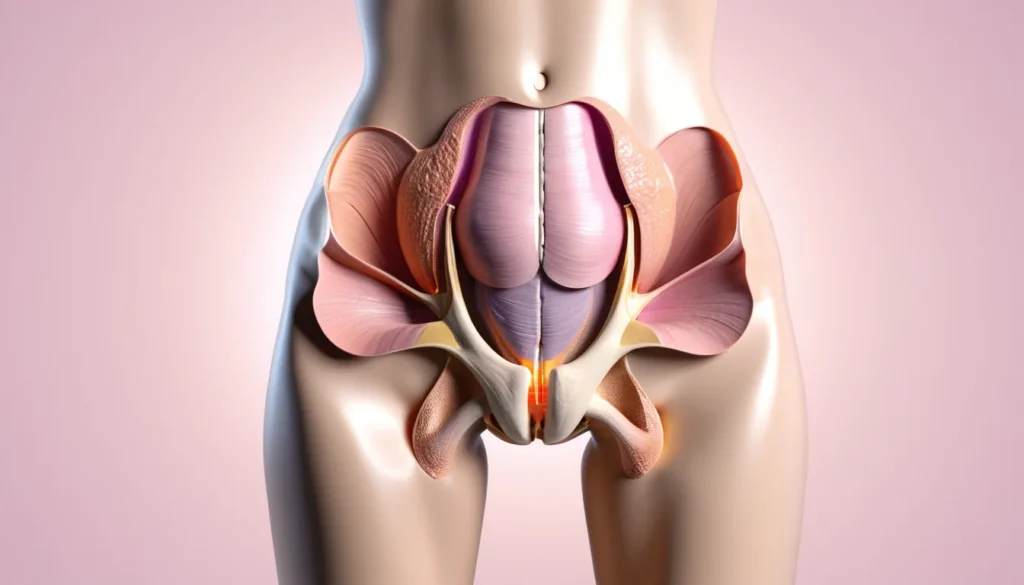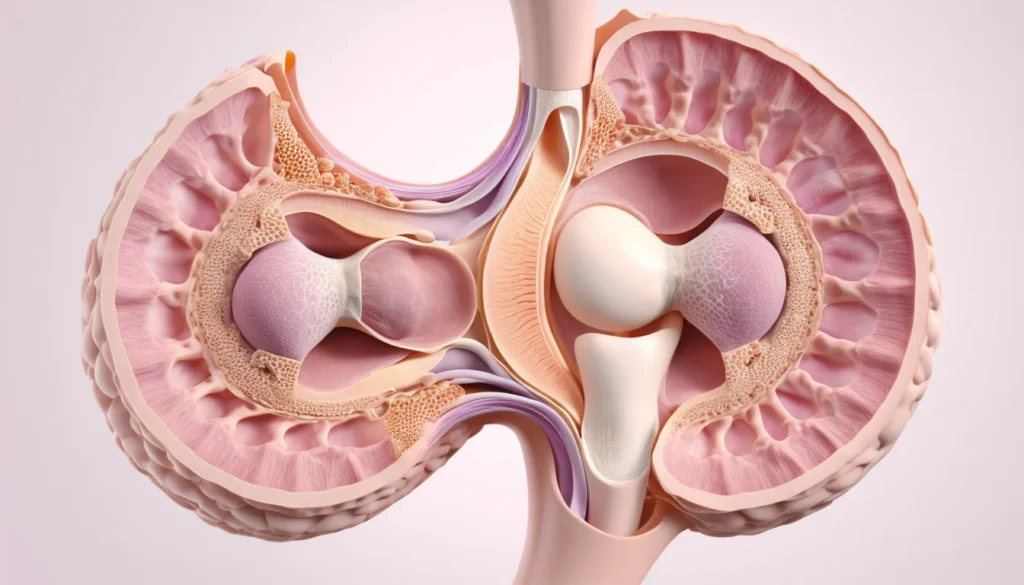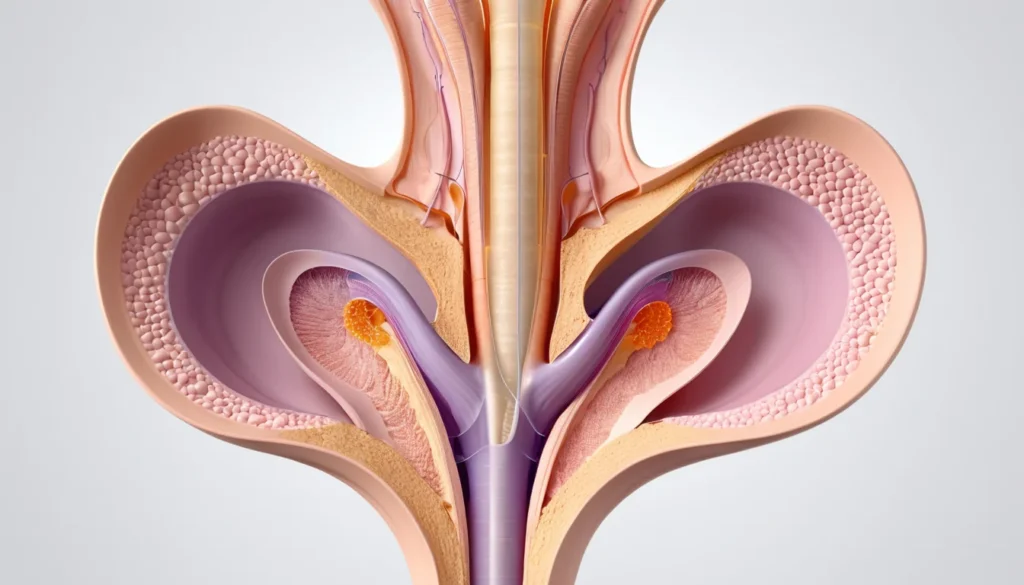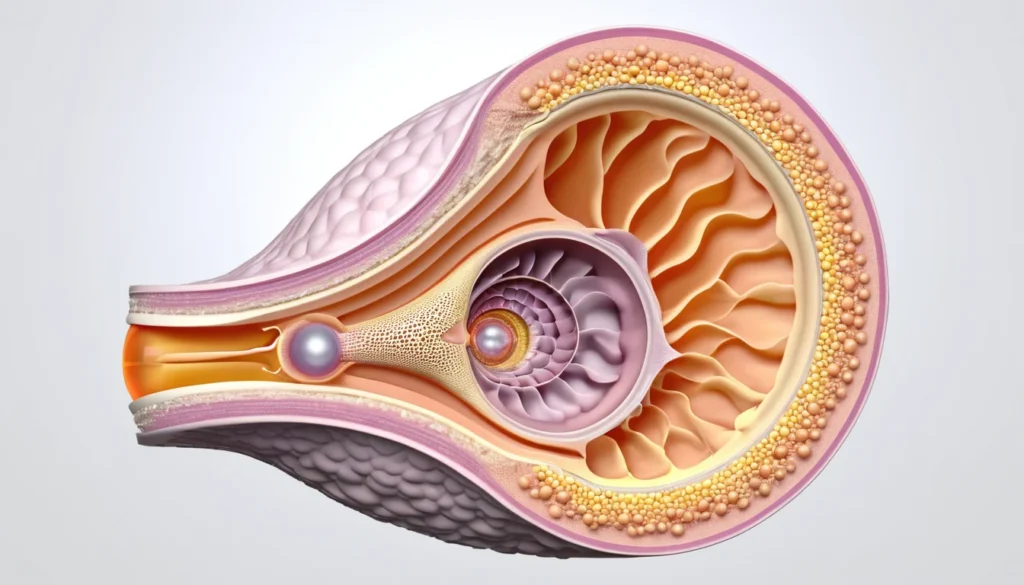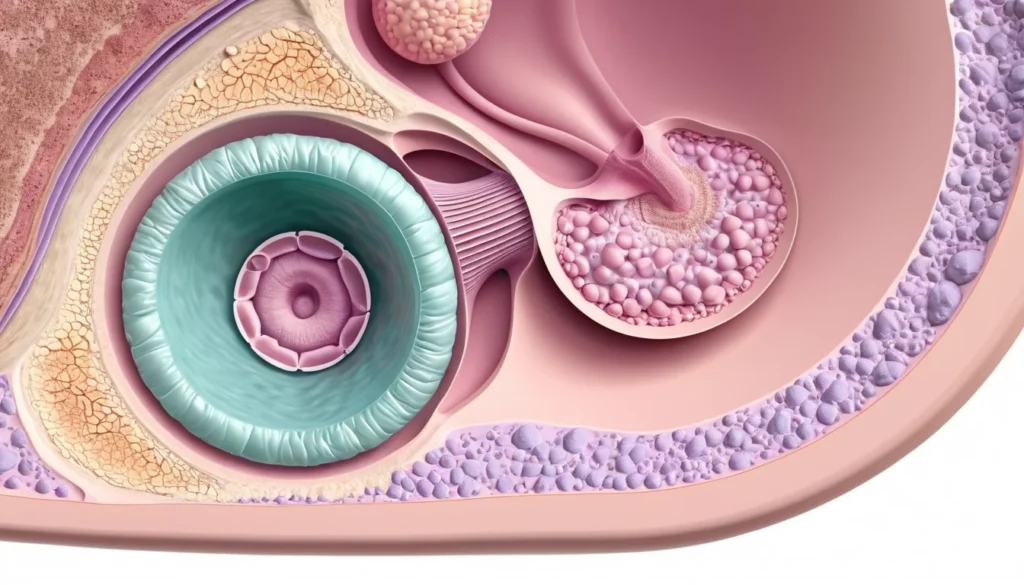
A functional ovarian cyst is one of the most common ovarian conditions in women of childbearing age. It forms as part of the normal process of releasing an egg each month. Most functional ovarian cysts are harmless, cause no symptoms, and go away on their own within a few months. However, it is important to understand what they are, when to watch for warning signs, and when to visit your family doctor or a walk-in clinic.
What Is a Functional Ovarian Cyst?
A functional ovarian cyst is a small, fluid-filled sac that grows on or inside an ovary. It looks and feels like a rounded pouch with thin walls. It develops as part of your normal menstrual cycle.
Each month, a tiny sac called a follicle grows inside the ovary. This follicle holds a developing egg. A normal follicle can grow up to about 3.8 cm before it releases the egg — a process called ovulation. When something disrupts this process, a cyst can form instead.
Functional ovarian cysts are not the same as cancerous growths. They are a natural, though sometimes inconvenient, part of how the ovaries work. According to Mayo Clinic’s overview of ovarian cysts, the vast majority of these cysts are benign and resolve without treatment.
Types of Functional Ovarian Cysts
There are two main types of functional ovarian cysts. Each forms at a different stage of your menstrual cycle.
Follicular Cyst
A follicular cyst forms when the follicle does not release its egg. Instead, the follicle keeps growing and fills with fluid. This is the simpler of the two types. It usually goes away on its own within one to three menstrual cycles.
Luteal Cyst
A luteal cyst — also called a corpus luteum cyst — forms after the egg has already been released. Normally, the empty follicle shrinks and dissolves. However, sometimes it seals itself shut and fills with fluid instead. This type is the most common kind of functional ovarian cyst.
Luteal cysts are also more likely to develop in women who take clomiphene citrate (sold as Clomid or Serophene) to stimulate ovulation for fertility treatment. These cysts typically disappear once the medication course ends. They do not affect pregnancy and do not occur during pregnancy.
Causes of a Functional Ovarian Cyst
A functional ovarian cyst develops when small changes occur in how the ovary produces or releases an egg. These changes are usually minor and not a sign of a serious problem.
Several factors can increase your chances of developing one. These include:
A personal history of functional ovarian cysts
Taking clomiphene citrate (Clomid or Serophene) to stimulate ovulation
Using levonorgestrel implants (such as Norplant) as contraception
Having had tubal ligation (having your tubes tied), which may slightly raise the risk
If you use a hormonal implant for contraception and you have been told you have a cyst, speak with your family doctor. They may recommend removing the implant depending on your situation.
Symptoms of a Functional Ovarian Cyst
Most women with a functional ovarian cyst have no symptoms at all. In fact, many cysts are discovered only during a routine pelvic exam. This is completely normal.
In general, the larger the cyst, the more likely it is to cause discomfort. When symptoms do appear, they may include:
Frequent urination, if the cyst presses on the bladder
Abdominal or pelvic pain or pressure
Changes to your menstrual cycle
Unexplained weight changes
Pain during sex
These symptoms can also be caused by many other conditions. Therefore, any unusual pelvic symptoms should be checked by a healthcare provider.
Signs of a Serious Problem
In some cases, a cyst can twist (a condition called torsion), bleed, or rupture. These situations can cause severe pain and require urgent medical attention.
Go to your nearest emergency room or call 911 right away if you experience:
Sudden, severe pelvic or abdominal pain
Nausea and vomiting along with pelvic pain
Sudden dizziness, faintness, or weakness
Heavy vaginal bleeding
Abdominal discomfort lasting more than two hours
These symptoms may point to a ruptured cyst or internal bleeding. Do not wait to see if the pain passes — seek care immediately.
How a Functional Ovarian Cyst Is Diagnosed
Your family doctor or gynaecologist will usually find a cyst during a pelvic examination. However, further testing is almost always needed to confirm what type of cyst it is and to rule out other causes.
Common diagnostic steps include:
Pelvic ultrasound: This is the most common tool used to view the cyst. It shows the size, location, and structure of the cyst.
Follow-up exams: Your doctor may ask you to return every six to eight weeks to see if the cyst has changed.
Laparoscopy: In some cases, a minor surgical procedure is used to look directly at the ovary and cyst. This is less common but may be needed if the diagnosis is unclear.
It is important to rule out other types of ovarian cysts or ovarian enlargement before confirming a functional ovarian cyst diagnosis. Most provincial health plans in Canada cover these diagnostic tests when ordered by your doctor.
Functional Ovarian Cysts After Menopause
Functional ovarian cysts are most common during the fertile years. However, ovarian cysts can still develop after menopause. In these cases, they need more careful attention.
After menopause, the risk of ovarian cancer increases. For this reason, any ovarian growth found after menopause must be evaluated for signs of cancer. Your doctor may recommend removing the ovary if a cyst develops during this time.
Some post-menopausal cysts — called unilocular cysts — have thin walls and a single compartment. These very rarely become cancerous. However, they still require regular monitoring and follow-up with your healthcare provider.
For more information on ovarian health risks after menopause, visit the Health Canada women’s health resources.
Treatment and What to Expect
The good news is that most functional ovarian cysts do not need treatment. They go away on their own within one to two months or after one to two menstrual cycles.
Some cysts grow as large as 10 cm before they begin to shrink. When a cyst ruptures on its own, it may cause brief discomfort or mild pain. This usually passes quickly and does not lead to lasting harm.
Your doctor may recommend a “watchful waiting” approach. This means monitoring the cyst over time without active treatment, unless symptoms worsen. This is the most common approach for uncomplicated functional cysts.
In addition, your doctor may discuss other options based on your age, symptoms, and whether you are trying to conceive. Always follow your doctor’s guidance rather than making changes on your own.
For a broader overview of ovarian health, Healthline’s guide to ovarian cysts offers a helpful and well-researched summary.
When to See a Doctor
You should book an appointment with your family doctor or visit a walk-in clinic if you notice any of the following:
Pelvic or abdominal pain that interferes with your daily activities
Periods that have become more painful over the past three to six months
Irregular periods that are new or worsening, especially well before menopause
Pain during sexual intercourse
Even if you have no symptoms, it is a good idea to attend your regular pelvic exams. These routine appointments are the most common way that cysts are first discovered. Many provincial health plans cover annual well-woman exams — check with your provincial health authority for details.
If you are unsure whether your symptoms need same-day attention, contact your provincial health line (such as 811 in most provinces). A registered nurse can help you decide whether to go to a walk-in clinic, see your family doctor, or head to emergency.
As always, speak with your doctor or a qualified healthcare provider before making any decisions about your health. This article is for general information only and is not a substitute for professional medical advice.
Frequently Asked Questions
Is a functional ovarian cyst dangerous?
A functional ovarian cyst is generally not dangerous. Most are harmless, cause no symptoms, and disappear within one to two months without any treatment. However, if a cyst twists, ruptures, or bleeds, it can cause serious pain and requires immediate medical attention.
Can a functional ovarian cyst cause infertility?
In most cases, a functional ovarian cyst does not affect fertility. These cysts form as part of the normal ovulation process and typically resolve on their own. If you are having trouble conceiving and a cyst has been found, speak with your family doctor or a fertility specialist for personalized advice.
How long does it take for a functional ovarian cyst to go away?
Most functional ovarian cysts resolve on their own within one to two menstrual cycles, which is roughly four to eight weeks. Your doctor may schedule a follow-up ultrasound to confirm the cyst has shrunk or disappeared. In some cases, it may take a little longer.
What does a functional ovarian cyst feel like?
Many women feel nothing at all with a functional ovarian cyst. If symptoms do occur, they may include a dull ache or pressure in the lower abdomen, bloating, or discomfort during sex. Sudden sharp pain could be a sign that the cyst has ruptured — this needs prompt medical attention.
Can a functional ovarian cyst turn into cancer?
A functional ovarian cyst does not cause ovarian cancer. These cysts are benign by nature. However, other types of ovarian growths can be cancerous, especially after menopause. This is why your doctor will run tests to confirm the cyst is truly functional before monitoring it.
Should I go to the ER for an ovarian cyst?
You should go to the emergency room if you have sudden severe pelvic pain, heavy vaginal bleeding, nausea and vomiting, or sudden dizziness or faintness. These may be signs that your functional ovarian cyst has ruptured or twisted, both of which require urgent care. For milder symptoms, a walk-in clinic or your family doctor is a good first step.
Key Takeaways
A functional ovarian cyst is a fluid-filled sac that forms on the ovary as part of the normal menstrual cycle.
There are two main types: follicular cysts and luteal cysts. Both are usually harmless.
Most functional ovarian cysts cause no symptoms and go away on their own within one to two months.
Larger cysts may cause pelvic pressure, irregular periods, or discomfort during sex.
Seek emergency care immediately for sudden severe pain, fainting, or heavy bleeding.
After menopause, any ovarian cyst must be carefully evaluated for cancer risk.
Regular pelvic exams with your family doctor are the best way to detect cysts early.
Always consult a healthcare provider for a proper diagnosis and treatment plan.