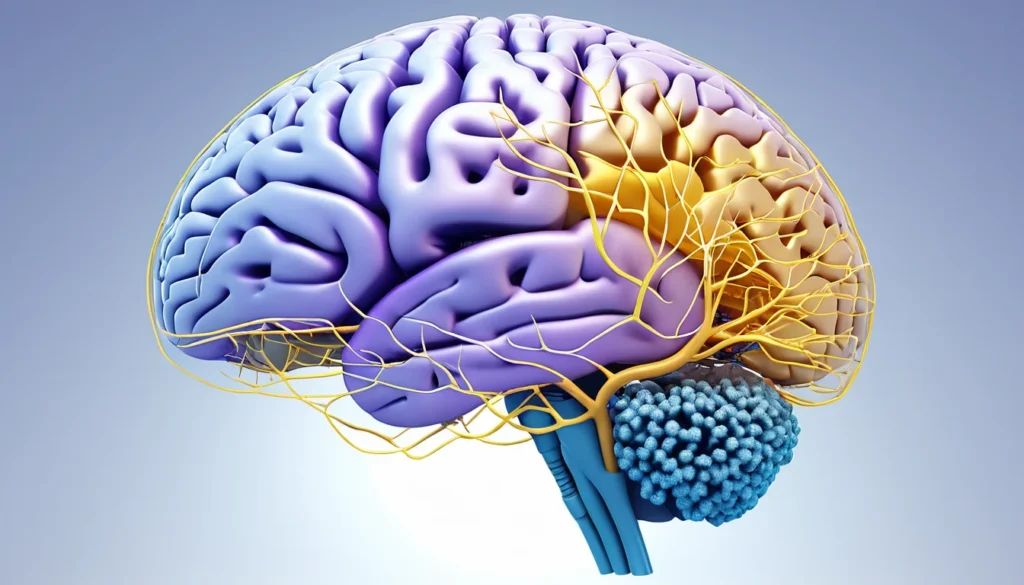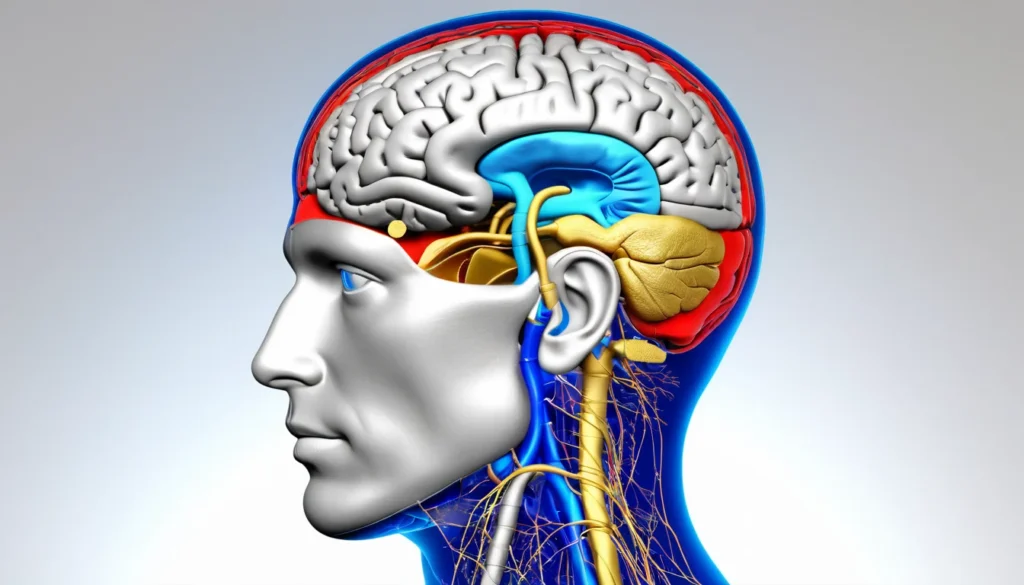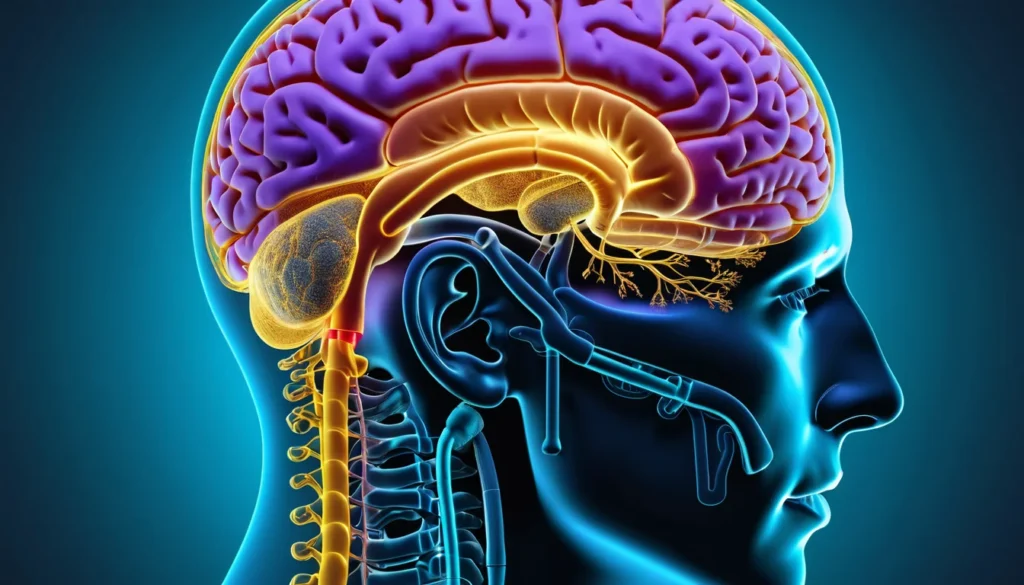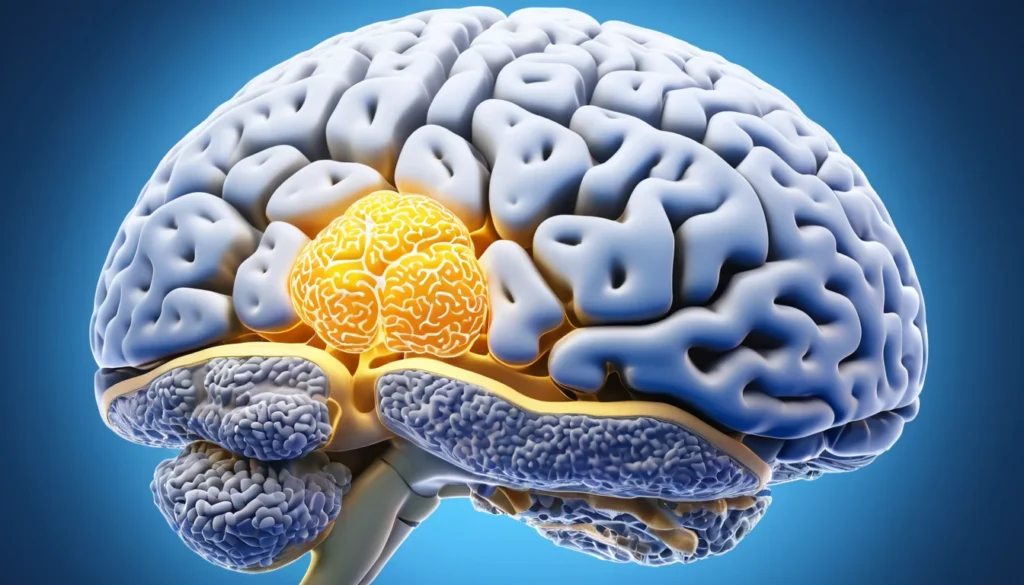
Fucosidosis is a very rare genetic disorder that affects multiple parts of the body, especially the brain. It belongs to a group of conditions called lysosomal storage diseases. Children born with fucosidosis experience intellectual disabilities that worsen over time. In some cases, they may also develop dementia later in life.
What Is Fucosidosis?
Fucosidosis occurs when a specific gene stops working properly. This causes harmful substances to build up inside cells, leading to serious damage throughout the body. The brain is especially vulnerable to this buildup.
Fewer than 100 cases of fucosidosis have been reported in medical literature worldwide. This makes it one of the rarest known genetic conditions. The estimated incidence is approximately one case per two million people.
For a child to develop fucosidosis, they must inherit two defective copies of the FUCA1 gene — one from each parent. This is called an autosomal recessive pattern of inheritance. Both parents must carry the faulty gene, even if they show no symptoms themselves.
What Causes Fucosidosis?
Fucosidosis is caused by mutations in the FUCA1 gene. Under normal circumstances, this gene provides instructions for making an enzyme called alpha-L-fucosidase. This enzyme plays a key role in breaking down complex sugars in the body.
When the FUCA1 gene mutates, it reduces or completely stops the activity of alpha-L-fucosidase. As a result, complex sugars — including glycoproteins, glycolipids, and oligosaccharides — build up in cells and tissues. This accumulation is toxic, particularly to brain cells.
Brain cells are especially sensitive to these sugar deposits. They break down quickly when exposed to the buildup, leading to progressive neurological damage. In addition, the condition affects the skin, bones, and organs such as the liver and spleen.
Fucosidosis is classified as one of nine known glycoprotein storage disorders. According to Health Canada, rare diseases like fucosidosis affect a small percentage of the population but can have a profound impact on affected families.
Types of Fucosidosis and Their Symptoms
Fucosidosis was first described in 1962, based on two Italian twins who showed signs of progressive intellectual disability. Since then, researchers have identified three main types of the condition. Each type varies in severity and age of onset.
Type 1 Fucosidosis (Most Severe)
Type 1 is the most severe form of fucosidosis. Symptoms typically begin around 10 months of age. Children with Type 1 rarely survive past puberty, and many face a significant risk of death before the age of six.
Common symptoms of Type 1 include:
Distinctive or coarsened facial features
Delayed growth and development
Muscle stiffness and rigidity
Enlarged liver, spleen, and heart
Intellectual disability and developmental regression
Recurring respiratory infections
Seizures
Abnormal bone formation
Progressive deterioration of the brain and spinal cord
Excessive or insufficient sweating
Children with Type 1 do not typically show vascular skin lesions. However, they do show rapid psychomotor regression and severe neurological decline. High sodium and chloride concentrations in sweat are also a characteristic feature.
Type 2 Fucosidosis (Moderately Severe)
Type 2 usually begins around 18 months of age. It is less severe than Type 1, but symptoms remain serious. The progression of symptoms tends to be slower.
Symptoms are similar to those of Type 1, but with lower intensity. In addition, children with Type 2 may develop angiokeratomas — small, wart-like skin growths that appear over blood vessels. These skin changes are a key distinguishing feature of Type 2.
Type 3 Fucosidosis (Mild Form)
Type 3 is the mildest form of fucosidosis. Symptoms typically begin between one and two years of age. Individuals with Type 3 have a longer life expectancy and may survive into middle age.
Despite being the mildest form, Type 3 still causes intellectual disability and a gradual decline in motor skills. Quality of life and independence can vary widely among affected individuals.
How Is Fucosidosis Diagnosed?
Diagnosing fucosidosis can be challenging, given how rare the condition is. A specialist will typically begin with a physical examination. They will look for characteristic features such as unusual facial structure, delayed development, and skin changes.
If fucosidosis is suspected, the doctor will order a urine test to check for oligosaccharides — partially broken-down sugars. The presence of these sugars suggests that the alpha-L-fucosidase enzyme is not working properly.
Furthermore, blood and skin tissue samples will be collected and analysed in a laboratory. If these samples show abnormally low levels of alpha-L-fucosidase activity, the diagnosis of fucosidosis is confirmed.
Since fucosidosis follows an autosomal recessive inheritance pattern, genetic testing of both parents is also recommended. Each parent who carries one copy of the mutated gene has a 25% chance of passing the condition on to their child. Mayo Clinic’s overview of rare diseases explains how genetic counselling can help families understand these risks.
Treatment Options for Fucosidosis
Currently, there is no cure for fucosidosis. There is also no treatment that can stop the condition from progressing. However, several options exist to help manage symptoms and improve quality of life.
For children who experience seizures, doctors may prescribe anticonvulsant medications. These help reduce the frequency and severity of seizures. Other supportive therapies may include physiotherapy, occupational therapy, and speech-language therapy.
Bone Marrow Transplantation
One experimental treatment option is bone marrow transplantation. The goal is for donor cells to help stimulate production of the missing alpha-L-fucosidase enzyme. This could potentially slow the progression of the disease.
However, very few patients with fucosidosis have undergone bone marrow transplantation. The available evidence is limited, and outcomes vary. Therefore, this option is considered experimental at this time.
Research into enzyme replacement therapies and gene therapies is ongoing. According to Healthline’s guide to lysosomal storage disorders, advances in these areas offer hope for rare genetic conditions like fucosidosis in the future.
Families affected by fucosidosis may also benefit from connecting with rare disease support networks. In Canada, your provincial health plan may cover certain specialist consultations, therapies, and genetic counselling services. Ask your family doctor or paediatrician about referrals available in your province.
When to See a Doctor
If you notice that your child is not meeting developmental milestones, speak with your family doctor as soon as possible. Early signs may include delayed walking or talking, unusual facial features, or unexplained seizures. These symptoms do not always point to fucosidosis, but they do need prompt attention.
Your family doctor can refer you to a paediatric neurologist or a specialist in metabolic and genetic disorders. If you do not have a family doctor, a walk-in clinic can be a starting point — ask for a referral to a specialist. Children’s hospitals in most major Canadian cities have dedicated rare disease or metabolic disorder programmes.
Genetic counselling is also highly recommended for families with a known history of this condition. A counsellor can explain the risk of passing the FUCA1 mutation to future children. This information can help families make informed decisions.
Always speak with a qualified healthcare provider before making any medical decisions. This article is intended for informational purposes only and does not replace professional medical advice.
Frequently Asked Questions About Fucosidosis
What is fucosidosis and how rare is it?
Fucosidosis is a rare genetic disorder caused by a deficiency of the enzyme alpha-L-fucosidase. It leads to a harmful buildup of complex sugars in the body, especially in brain cells. Fewer than 100 cases of fucosidosis have been documented worldwide, with an estimated incidence of one in two million people.
What are the early signs of fucosidosis in children?
Early signs of fucosidosis often include delayed motor development, intellectual disability, and distinctive facial features. Children may also experience recurring respiratory infections and seizures. Symptoms typically begin between 10 and 18 months of age, depending on the type of fucosidosis.
Is there a cure for fucosidosis?
There is currently no cure for fucosidosis, and no treatment can stop the disease from progressing. Treatment focuses on managing symptoms, such as using anticonvulsant medications for seizures. Bone marrow transplantation is an experimental option, but it has only been used in a very small number of fucosidosis cases.
How is fucosidosis inherited?
Fucosidosis follows an autosomal recessive inheritance pattern. A child must inherit two defective copies of the FUCA1 gene — one from each parent — to develop the condition. If both parents carry the mutated gene, there is a 25% chance with each pregnancy that the child will have fucosidosis.
What is the life expectancy for someone with fucosidosis?
Life expectancy in fucosidosis depends heavily on the type. Children with Type 1 may not survive past the age of six, while those with Type 2 rarely reach puberty. Individuals with the milder Type 3 form of fucosidosis may survive into middle age.
Can fucosidosis be detected before birth?
Prenatal testing may be possible if both parents are known carriers of the FUCA1 gene mutation. Genetic counselling can help families understand their options before and during pregnancy. Speak with your family doctor or a genetic specialist to learn about testing available through your provincial health plan.
Key Takeaways
Fucosidosis is a very rare genetic disorder affecting fewer than 100 people worldwide.
It is caused by mutations in the FUCA1 gene, which reduce or eliminate the activity of the enzyme alpha-L-fucosidase.
Without this enzyme, complex sugars build up in the body and damage cells, especially in the brain.
There are three types: Type 1 (most severe), Type 2 (moderately severe), and Type 3 (mild).
Diagnosis involves urine tests, blood analysis, and skin tissue samples to measure enzyme activity.
There is no cure. Treatment focuses on managing symptoms such as seizures and developmental delays.
Bone marrow transplantation is an experimental option with limited evidence.
Genetic counselling is strongly recommended for families with a history of fucosidosis.
If you are concerned about your child’s development, speak with your family doctor or visit a walk-in clinic for a referral to a specialist.