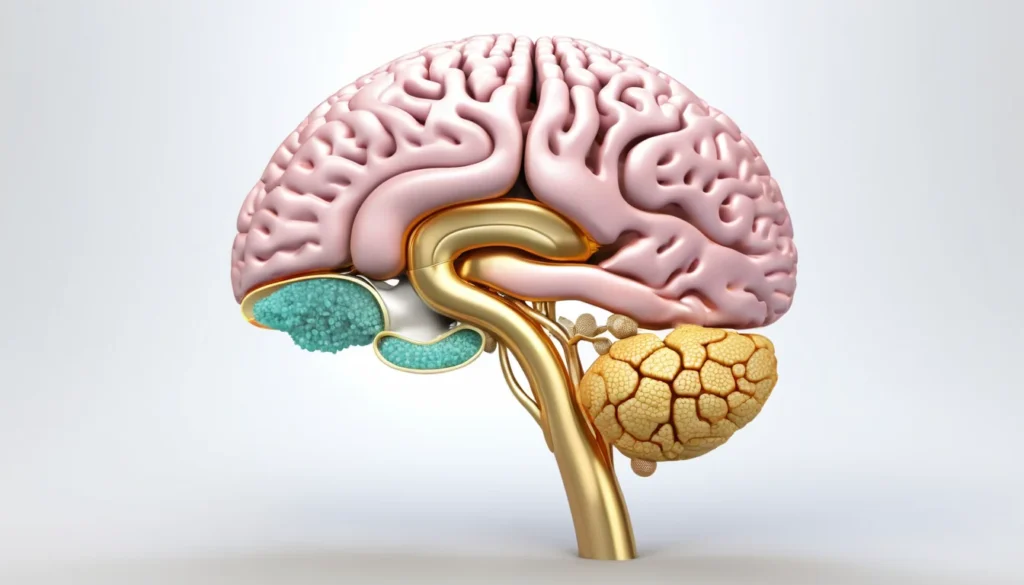
The FSH hormone, or follicle-stimulating hormone, is a key chemical messenger in your body. It is made by a small gland in your brain called the pituitary gland. FSH plays a central role in reproductive health for both men and women. In this article, we explain what FSH does, what normal levels look like, and when you should speak with your family doctor.
What Is the FSH Hormone?
FSH stands for follicle-stimulating hormone. Your pituitary gland, located at the base of your brain, produces and releases it. This hormone travels through your bloodstream to your reproductive organs, where it gets to work.
FSH is part of a larger group called gonadotropins. These are hormones that act on the gonads — the ovaries in women and the testes in men. Together with another hormone called LH (luteinizing hormone), FSH helps control your reproductive cycle.
According to Healthline’s overview of follicle-stimulating hormone, FSH is essential for puberty, fertility, and overall hormonal balance in both sexes.
How the FSH Hormone Works in Women
In women, the FSH hormone plays a starring role in the menstrual cycle. Each month, FSH signals the ovaries to develop small, fluid-filled sacs called follicles. Each follicle contains an egg.
As FSH rises during the first half of your cycle, one follicle grows larger than the others. This dominant follicle produces estrogen and eventually releases a mature egg at ovulation. Without enough FSH, this process breaks down.
FSH and the Menstrual Cycle
FSH levels change throughout the month. They are highest just before ovulation. After ovulation, FSH drops and other hormones take over to prepare the uterus for a possible pregnancy.
If FSH levels are too high or too low, periods can become irregular. In some cases, ovulation may not happen at all. This is why FSH testing is often part of a fertility workup.
FSH and Menopause
As women approach menopause, their ovaries respond less to FSH. As a result, the pituitary gland releases more and more FSH in an attempt to stimulate the ovaries. Therefore, high FSH levels in women over 40 can be a sign of perimenopause or menopause.
A consistently high FSH level, combined with other symptoms like irregular periods or hot flashes, often confirms this transition. Your family doctor can order a simple blood test to check your levels.
How the FSH Hormone Works in Men
In men, the FSH hormone has a different but equally important job. It acts on cells inside the testes called Sertoli cells. These cells support the development of sperm.
FSH encourages these cells to produce healthy, mature sperm in the seminiferous tubules — the tiny coiled tubes inside the testes where sperm are made. Without adequate FSH, sperm production can slow down or become impaired.
FSH and Male Fertility
Low FSH in men can lead to reduced sperm production. High FSH, on the other hand, may signal that the testes are not responding properly to the hormone. This condition is sometimes linked to testicular damage or certain genetic conditions.
If a man is being investigated for infertility, FSH is one of the first hormones a doctor will measure. It gives a clear picture of how well the reproductive system is functioning. The Mayo Clinic’s guide to FSH testing provides a thorough explanation of what results mean for men and women.
What Are Normal FSH Hormone Levels?
Normal FSH levels vary depending on your age, sex, and where you are in your menstrual cycle (for women). Blood tests measure FSH in international units per litre (IU/L).
Here are general reference ranges, though your lab may use slightly different values:
Women (follicular phase): 3.5 to 12.5 IU/L
Women (around ovulation): 4.7 to 21.5 IU/L
Women (postmenopausal): 25.8 to 134.8 IU/L
Men (adult): 1.5 to 12.4 IU/L
Children (prepubescent): less than 2 IU/L
These ranges are a guide only. Always discuss your specific results with your healthcare provider. Numbers alone do not tell the full story — your doctor looks at them alongside your symptoms and health history.
What Does a High FSH Level Mean?
A high FSH level can mean different things depending on your situation. In women, it often points to diminished ovarian reserve — meaning fewer eggs remain in the ovaries. It may also indicate premature ovarian insufficiency or the onset of menopause.
In men, elevated FSH may suggest the testes are not producing sperm normally. This could be due to injury, infection, or a chromosomal condition such as Klinefelter syndrome.
What Does a Low FSH Level Mean?
Low FSH levels suggest the pituitary gland is not sending strong enough signals to the reproductive organs. This can delay or disrupt puberty in children and adolescents. In adults, it may contribute to infertility or irregular periods.
Low FSH is sometimes linked to extreme weight loss, excessive exercise, or conditions affecting the pituitary gland itself. However, it can also have other causes, which is why professional evaluation is important.
FSH Testing in Canada
In Canada, an FSH blood test is widely available through provincial health plans. Your family doctor or a specialist can order this test. It is often covered under provincial insurance when there is a medical reason, such as investigating infertility or menstrual irregularities.
The test involves a simple blood draw, usually done in the morning. For women, the timing matters — FSH is typically measured on day 2 or day 3 of the menstrual cycle for the most accurate baseline reading.
FSH and Fertility Treatments in Canada
FSH plays a central role in fertility treatments like in vitro fertilization (IVF). Synthetic FSH medications are used to stimulate the ovaries to produce multiple eggs at once. This is called controlled ovarian stimulation.
These treatments are available through fertility clinics across Canada. Some provinces, including Ontario, offer partial coverage for IVF under provincial health plans. Ask your family doctor for a referral to a reproductive endocrinologist if you are exploring these options.
For more information on reproductive health support in Canada, you can visit Health Canada’s reproductive health guidance.
Conditions Linked to Abnormal FSH Levels
Several health conditions can cause FSH levels to fall outside the normal range. Understanding these can help you have a more informed conversation with your doctor.
Polycystic Ovary Syndrome (PCOS)
PCOS is one of the most common hormonal disorders in women of reproductive age. Women with PCOS often have an imbalance between FSH and LH, with LH being disproportionately high. This disrupts the development of follicles and prevents regular ovulation.
PCOS can cause irregular periods, difficulty conceiving, and other symptoms like acne or excess hair growth. It affects roughly 1 in 10 Canadian women. A blood test measuring FSH, LH, and other hormones is part of the diagnostic process.
Hypothalamic Amenorrhea
This condition occurs when the hypothalamus — a part of the brain that controls the pituitary gland — slows or stops sending signals. As a result, FSH and LH levels drop, and periods stop. It is often triggered by significant stress, very low body weight, or intense athletic training.
Treatment focuses on addressing the underlying cause, whether that means reducing exercise, increasing caloric intake, or managing stress. Recovery of normal FSH function is possible with proper care.
Pituitary Tumours
Non-cancerous tumours on the pituitary gland, called adenomas, can disrupt FSH production. Depending on the type of tumour, FSH may be overproduced or underproduced. These conditions are diagnosed through blood tests and imaging such as an MRI.
Treatment options range from medication to surgery, depending on the size and activity of the tumour. Your specialist will guide you through the appropriate care pathway.
When to See a Doctor
You should speak with your family doctor if you notice any of the following signs that may point to an FSH hormone imbalance:
Irregular or absent periods
Difficulty getting pregnant after 12 months of trying (or 6 months if you are over 35)
Signs of early menopause, such as hot flashes before age 40
Delayed puberty in your child
Low sex drive or unexplained fatigue
In men: low sperm count or fertility concerns
Your family doctor is a great first step. They can order blood tests, interpret your results, and refer you to a specialist if needed. If you do not have a family doctor, a walk-in clinic can also begin this process. Many walk-in clinics across Canada are equipped to order hormone panels and provide referrals.
Do not wait to seek help if something feels off. Early investigation often leads to better outcomes. As always, speak with a qualified healthcare provider before drawing any conclusions from your test results.
Frequently Asked Questions About FSH Hormone
What does the FSH hormone do in the body?
The FSH hormone is produced by the pituitary gland and regulates reproductive function. In women, it stimulates the growth of ovarian follicles and helps trigger ovulation. In men, it supports sperm production inside the testes.
What is a normal FSH level for women trying to get pregnant?
A normal FSH hormone level for women trying to conceive is generally between 3.5 and 12.5 IU/L, measured on day 2 or 3 of the menstrual cycle. Higher levels may indicate a reduced ovarian reserve, which can affect fertility. Your doctor will interpret your results alongside other hormone levels and an ultrasound.
Can high FSH levels be treated?
Treatment depends on the underlying cause of high FSH hormone levels. If high FSH reflects low ovarian reserve, fertility specialists may recommend assisted reproductive technologies such as IVF. If it is linked to menopause, hormone therapy may help manage symptoms — though this should always be discussed with your doctor.
Is FSH testing covered by provincial health plans in Canada?
In most Canadian provinces, FSH hormone testing is covered when ordered by a doctor for a medical reason. This includes investigating infertility, menstrual irregularities, or suspected early menopause. Check with your provincial health plan for details, as coverage can vary.
What causes low FSH levels?
Low FSH hormone levels are often linked to problems with the hypothalamus or pituitary gland. Common triggers include extreme stress, significant weight loss, over-exercising, or a pituitary tumour. A doctor can identify the cause through blood tests and, if needed, imaging.
How is the FSH hormone test done?
The FSH hormone test is a simple blood draw, usually done at a lab or through your doctor’s office. For women, it is most informative when done on day 2 or 3 of the menstrual cycle. Results are typically available within a few days, and your doctor will review them with you.
Key Takeaways
The FSH hormone is produced by the pituitary gland and is essential for reproductive health in both men and women.
In women, FSH drives follicle development and ovulation. In men, it supports sperm production.
Abnormal FSH levels can point to conditions like PCOS, diminished ovarian reserve, early menopause, or pituitary disorders.
FSH blood testing is widely available in Canada and often covered under provincial health plans.
High FSH in women over 40 can be a natural sign of the transition to menopause.
If you have concerns about your hormonal health or fertility, start by speaking with your family doctor or visiting a walk-in clinic.
Always consult a qualified healthcare provider to interpret your FSH results and determine the right next steps for your health.