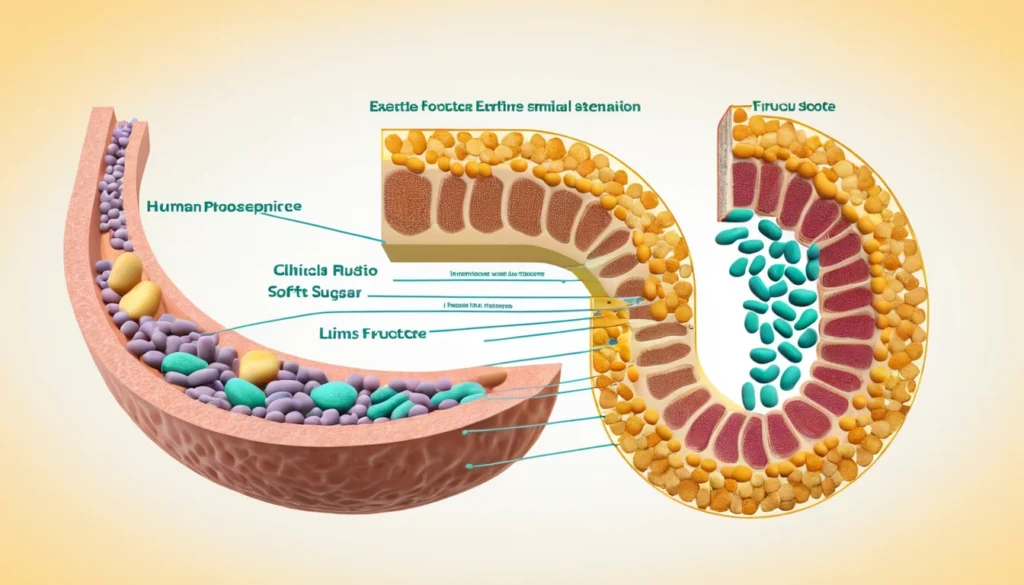
Fructose intolerance is a condition where the body has trouble digesting or absorbing fructose, a natural sugar found in many fruits, vegetables, and sweeteners. It can cause uncomfortable symptoms like bloating, diarrhoea, and low blood sugar. There are two main types, and both are managed primarily through changes to your diet. If you think you may have fructose intolerance, it is important to speak with your family doctor or visit a walk-in clinic for proper testing and guidance.
What Is Fructose Intolerance?
Fructose is a simple sugar — also called a monosaccharide — with the same chemical formula as glucose. However, its molecular structure is different. Your body uses glucose as its main source of energy, but fructose must be processed differently.
Fructose is found naturally in all fruits, many vegetables, and honey. It also appears in many processed foods under names like high-fructose corn syrup and sucrose. When the body cannot handle fructose properly, symptoms can range from mild discomfort to serious health complications.
According to Healthline’s overview of fructose malabsorption, this condition is more common than many people realise, yet it often goes undiagnosed for years.
The Two Types of Fructose Intolerance
Understanding fructose intolerance starts with knowing the difference between its two forms. They have different causes and different levels of severity.
Hereditary Fructose Intolerance (HFI)
Hereditary fructose intolerance is a rare genetic condition. It is also called fructosaemia. People with HFI are missing an enzyme called aldolase B, which the body needs to break down fructose.
Without this enzyme, fructose builds up in the liver, kidneys, and small intestine. As a result, the body cannot convert glycogen into glucose properly. This leads to low blood sugar, also known as hypoglycaemia. Over time, toxic substances build up and can seriously damage the liver.
Because HFI is inherited, it cannot be cured. However, it can be managed by completely removing fructose and sucrose from the diet. Diagnosis can be difficult, and the exact number of Canadians affected is not fully known. Genetic testing through your provincial health plan may be available — ask your family doctor about referrals.
Fructose Malabsorption
The second type is fructose malabsorption. This happens when the lining of the small intestine lacks enough epithelial cells to absorb fructose efficiently. Unlike HFI, it is not caused by a genetic mutation.
Fructose malabsorption is far more common than hereditary fructose intolerance. The unabsorbed fructose passes into the large intestine, where bacteria ferment it. This fermentation causes gas, bloating, cramping, and diarrhoea.
The good news is that fructose malabsorption is more flexible to manage. Many people with this type can still tolerate small amounts of certain fructose-containing foods without triggering symptoms.
Common Symptoms of Fructose Intolerance
Symptoms of fructose intolerance can vary depending on which type you have and how much fructose you consume. In both cases, the digestive system is the most affected.
Common symptoms include:
Bloating and gas after eating
Stomach cramps or pain
Diarrhoea or loose stools
Nausea
Low blood sugar (hypoglycaemia) — especially with HFI
Fatigue after meals
Vomiting in severe cases of HFI
In untreated hereditary fructose intolerance, more serious complications can develop over time. These include liver damage, kidney problems, and growth issues in children. Therefore, early diagnosis is very important.
The Mayo Clinic notes that digestive symptoms after eating sugary foods should always be evaluated by a healthcare provider to rule out underlying conditions.
Foods and Sweeteners: What to Avoid and What Is Safe
Diet is the main treatment for both types of fructose intolerance. Knowing which foods and sweeteners to avoid — and which are safe — makes a big difference in managing your symptoms.
Sweeteners to Avoid
The following sweeteners contain fructose, sucrose, or sorbitol and should be avoided by people with fructose intolerance:
Table sugar (sucrose) — not tolerated
Brown sugar — not tolerated
Honey — contains 35–40% fructose; not tolerated
Agave syrup — not tolerated
High-fructose corn syrup — not tolerated
Corn syrup — may contain maltose or fructose; not tolerated
Maple syrup — not tolerated
Molasses — not tolerated
Sorbitol — a sugar alcohol found in many fruits; not tolerated
Fruit juice sweeteners (from grapes, apples, or pears) — not tolerated
Stevia — not tolerated by those with fructose intolerance
Carob powder — contains sucrose, glucose, and fructose; not tolerated
Brown rice syrup — may contain sucrose; not tolerated
Sweeteners Generally Safe to Use
In addition, there are several sweeteners that most people with fructose intolerance can tolerate. Always introduce these slowly and monitor your body’s reaction.
Aspartame — approved sugar substitute; tolerated
Barley malt syrup — made from sprouted barley; tolerated
Birch sugar (pure xylitol) — a sugar alcohol; tolerated when pure
Corn starch — derived from corn; tolerated
Corn sugar (dextrose) — contains glucose and maltose; tolerated
Dextrin — chains of glucose molecules; tolerated
Pure erythritol — a sugar alcohol; tolerated when pure
Glucose — simple sugar; tolerated
Glucose polymers — chains of glucose; tolerated
Neotame — sugar replacement; tolerated
Saccharin — approved sugar substitute; tolerated, but frequent use of more than 6 servings daily is not recommended
Polydextrose — synthetic food additive; generally not tolerated
Foods to Avoid on a Fructose-Free Diet
A strict fructose-free diet means removing any food or drink that contains fructose, sucrose, or sorbitol. This includes:
All fresh, dried, and canned fruits — including fruit juices
Sweetened cereals — any containing sugar, fructose, or sorbitol
Processed meats — sausages, deli meats, and products with added sugar
All sweeteners listed above — including honey, molasses, and maple syrup
Baked goods and desserts — cakes, cookies, and pastries with sugar
Condiments and salad dressings — many contain hidden sugars
Sweetened beverages — soft drinks, juice, flavoured waters
Reading food labels carefully is essential. In Canada, ingredient lists on packaged foods must include all sugars. Look for fructose, sucrose, sorbitol, and high-fructose corn syrup on any label before purchasing.
Managing Fructose Intolerance Through Diet
The primary treatment for fructose intolerance is dietary change. For hereditary fructose intolerance, complete elimination of fructose and sucrose is the only effective approach. For fructose malabsorption, some flexibility may be possible.
Some people with fructose malabsorption can consume small amounts of certain fructose-containing foods without experiencing symptoms. However, this varies greatly from person to person. It is important to keep a detailed food diary and track which foods trigger your symptoms.
Working with a registered dietitian is strongly recommended. In Canada, many provincial health plans cover dietitian visits with a referral from your family doctor. A dietitian can help you build a nutritious meal plan that keeps your fructose intake low while still meeting your body’s needs for carbohydrates, fibre, vitamins, and minerals.
Furthermore, some people with fructose intolerance are also low in folate, iron, and zinc because they avoid fruit and certain vegetables. Regular blood work through your provincial health plan can help monitor your nutrient levels over time.
When to See a Doctor
If you regularly experience bloating, stomach pain, or diarrhoea after eating sweet foods or fruit, it is worth getting checked. Fructose intolerance is often confused with irritable bowel syndrome (IBS) or other digestive conditions.
Your family doctor is the best first step. They can order blood tests, breath tests, or refer you to a gastroenterologist if needed. If you do not have a family doctor, a walk-in clinic can also start the diagnostic process and refer you to a specialist.
In children, symptoms of hereditary fructose intolerance often appear when solid foods are introduced. Signs like vomiting, poor weight gain, and irritability after eating sweet foods should be assessed by a paediatrician right away.
For more information on digestive health conditions, Health Canada offers resources on nutrition and digestive wellness that may help you prepare for your appointment.
Frequently Asked Questions About Fructose Intolerance
What are the most common symptoms of fructose intolerance?
The most common symptoms of fructose intolerance include bloating, gas, stomach cramps, and diarrhoea after eating foods that contain fructose or sucrose. In more serious cases, especially with hereditary fructose intolerance, low blood sugar and liver damage can occur. If you experience these symptoms regularly, speak with your family doctor.
What is the difference between hereditary fructose intolerance and fructose malabsorption?
Hereditary fructose intolerance is a rare genetic condition caused by a missing enzyme called aldolase B, which can lead to liver damage if untreated. Fructose malabsorption, on the other hand, happens when the small intestine cannot absorb fructose efficiently, causing digestive discomfort. Both types of fructose intolerance are managed through diet, but hereditary fructose intolerance requires stricter food elimination.
Can people with fructose intolerance eat any fruit?
People with hereditary fructose intolerance must avoid all fruits, since even small amounts of fructose can cause serious harm. Those with fructose malabsorption may be able to tolerate very small amounts of low-fructose fruits, depending on their individual sensitivity. A registered dietitian can help you identify which foods, if any, are safe for your specific situation.
Is maple syrup safe for people with fructose intolerance?
No, maple syrup is not safe for people with fructose intolerance because it contains sucrose, which breaks down into fructose and glucose during digestion. Even though maple syrup is a natural and beloved Canadian sweetener, it must be avoided on a fructose-free diet. Check labels carefully and look for safe glucose-based alternatives recommended by your dietitian.
How is fructose intolerance diagnosed in Canada?
In Canada, fructose intolerance is typically diagnosed through a combination of a hydrogen breath test, blood tests, and a review of your symptoms and diet history. Your family doctor or a gastroenterologist will guide you through the testing process, and many of these tests are covered under provincial health plans. Genetic testing may also be used to confirm hereditary fructose intolerance.
Is fructose intolerance the same as a sugar allergy?
No, fructose intolerance is not the same as a sugar allergy. An allergy involves an immune system response, while fructose intolerance is a metabolic or digestive issue where the body cannot properly process fructose. However, both conditions can cause significant discomfort, and it is important to get an accurate diagnosis from your doctor rather than self-diagnosing.
Key Takeaways
Fructose intolerance means the body cannot properly digest or absorb fructose, a sugar found in fruit, vegetables, and many processed foods. There are two types: hereditary fructose intolerance (a rare genetic condition) and fructose malabsorption (a digestive issue). Common symptoms include blo