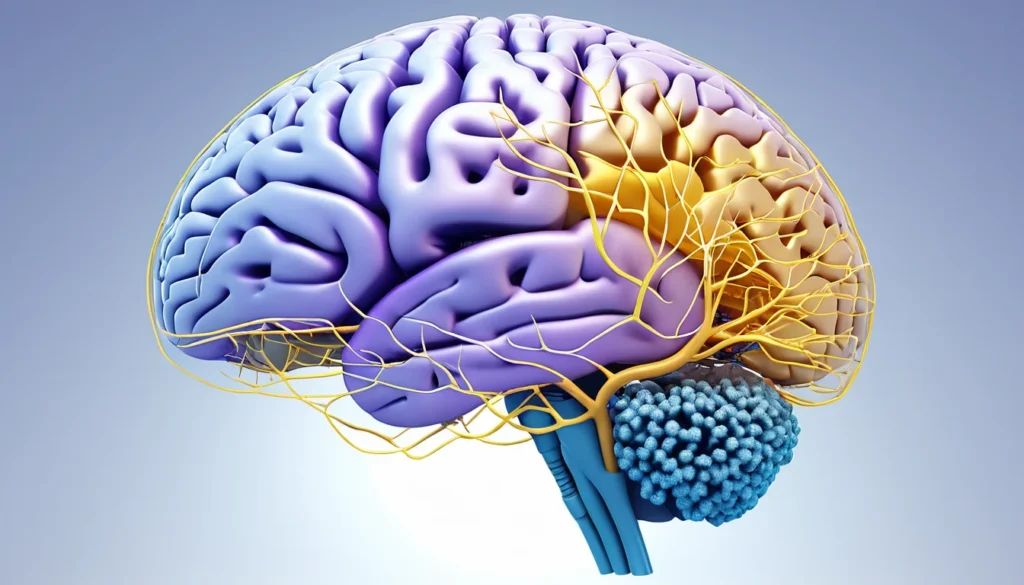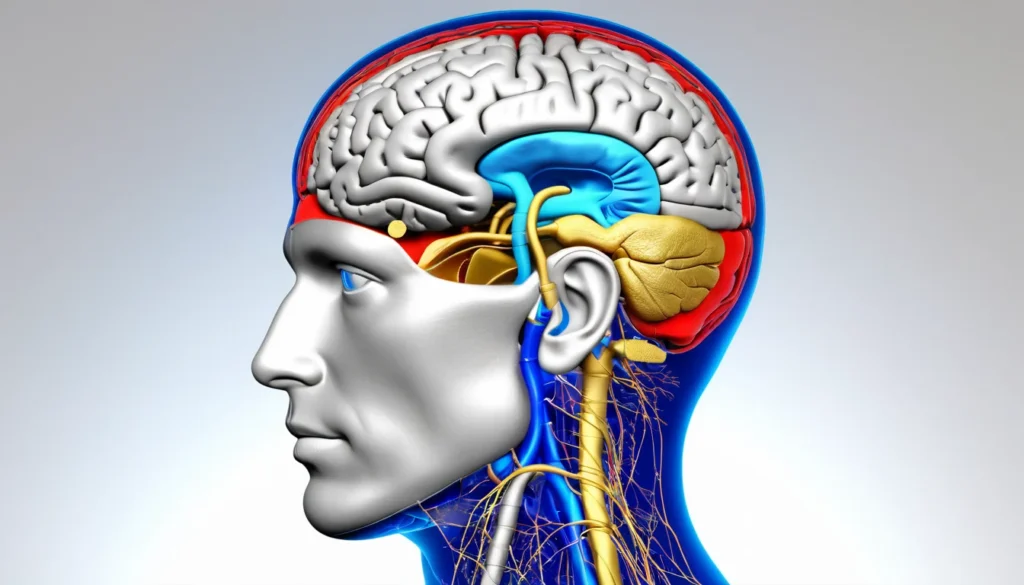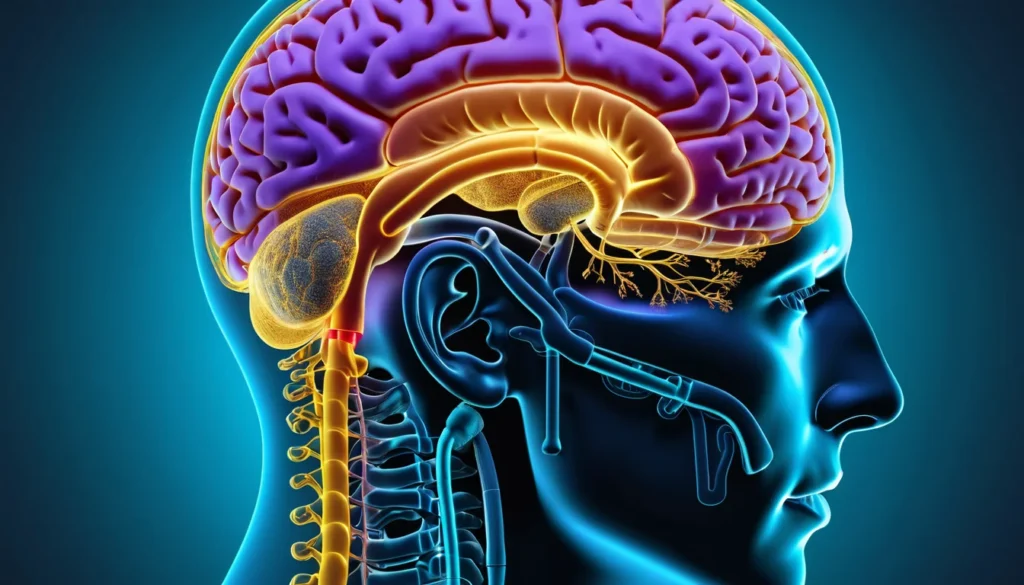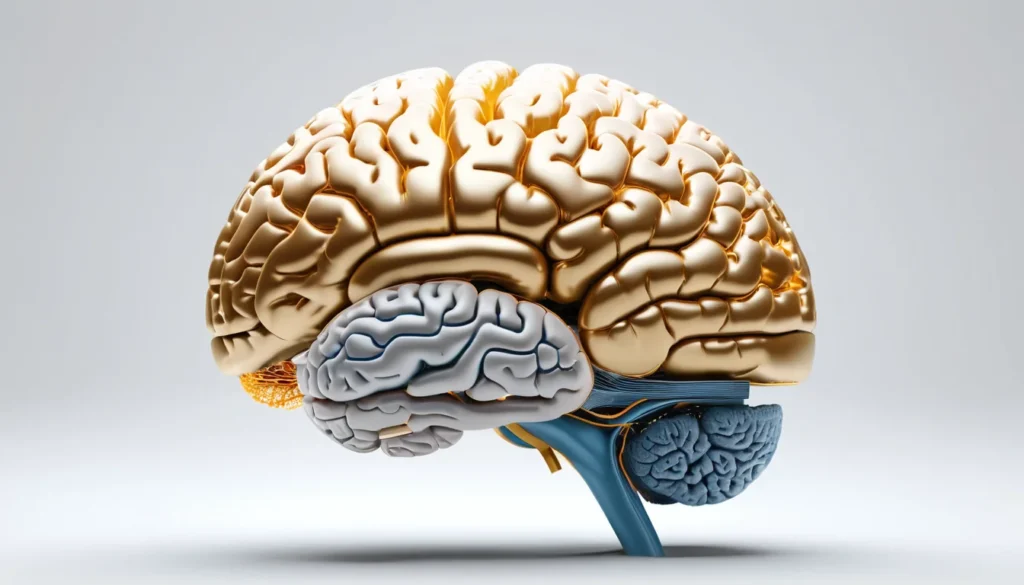
Frontotemporal dementia is a group of brain disorders that damage the frontal and temporal lobes of the brain. These areas control personality, behaviour, and language. Unlike Alzheimer’s disease, frontotemporal dementia often affects people between the ages of 40 and 70. It is frequently misdiagnosed, but understanding the signs can help Canadians get the right support sooner.
What Is Frontotemporal Dementia?
Frontotemporal dementia — sometimes called Pick’s disease or frontal lobe dementia — is not a single condition. It is an umbrella term for several related disorders. All of them cause the frontal and temporal lobes of the brain to shrink over time.
These brain regions manage how we act, speak, and relate to others. As they deteriorate, a person’s personality, social skills, and language abilities can change dramatically. The changes are often gradual at first, then become more noticeable over months and years.
According to the Mayo Clinic’s overview of frontotemporal dementia, this condition tends to appear at a younger age than Alzheimer’s disease. This makes early recognition especially important.
Frontotemporal Dementia Symptoms to Watch For
Symptoms of frontotemporal dementia vary widely from person to person. They depend on which part of the brain is most affected. However, researchers have identified two main clusters of symptoms: behavioural changes and language difficulties.
Symptoms appear gradually and worsen over time. Eventually, most people with this condition will need full-time care.
Behavioural and Personality Changes
Behavioural symptoms are the most common signs of frontotemporal dementia. They can be difficult to recognise at first because they may look like stress, depression, or a personality shift. Common behavioural symptoms include:
Loss of empathy or interest in others
Impulsive or socially inappropriate behaviour
Apathy and lack of motivation
Repetitive or compulsive actions
Decline in personal hygiene
Overeating or changes in food preferences
Poor decision-making or difficulty planning
Emotional outbursts or emotional blunting
These changes can be distressing for family members and caregivers. They are caused by damage to the brain, not a choice or character flaw. Understanding this can help families respond with compassion rather than frustration.
Language and Speech Difficulties
Some forms of frontotemporal dementia primarily affect language. A person may struggle to speak, read, write, or understand others.
For example, primary progressive aphasia causes a gradual loss of the ability to use and understand both spoken and written language. Another subtype, semantic dementia, causes people to speak in grammatically correct sentences — but the words no longer carry meaning. They may also forget the names of common objects.
Motor Symptoms
In rarer forms of frontotemporal dementia, movement problems appear alongside cognitive changes. These symptoms are similar to those seen in Parkinson’s disease or ALS (amyotrophic lateral sclerosis, also known as Lou Gehrig’s disease).
Motor symptoms may include:
Tremors
Muscle stiffness or rigidity
Muscle spasms or weakness
Poor coordination
Difficulty swallowing
If you notice any combination of these symptoms in yourself or a loved one, speak with your family doctor as soon as possible.
Causes and Risk Factors
Researchers believe that specific subtypes of frontotemporal dementia are linked to genetic mutations. However, more than half of all people who develop this condition have no family history of dementia. This means genetics alone does not explain every case.
In some cases, abnormal proteins — called Pick bodies — build up inside brain cells in the affected areas. These proteins disrupt normal cell function and eventually cause cell death. The exact trigger for this process is not yet fully understood.
The Health Canada health information portal offers resources on dementia research and support programmes available across the country.
Currently, there are no confirmed lifestyle factors that cause frontotemporal dementia. Research is ongoing, and scientists continue to study the role of genetics, protein abnormalities, and environmental factors.
How Frontotemporal Dementia Is Diagnosed
There is no single test that confirms frontotemporal dementia. Doctors diagnose it by ruling out other possible causes of the symptoms. This process can take time and may involve several types of assessments.
Furthermore, because this condition can mimic psychiatric disorders or Alzheimer’s disease, it is often misdiagnosed initially. A specialist referral — such as to a neurologist or geriatric psychiatrist — is often needed.
Common diagnostic tools include:
Blood tests — To rule out other conditions such as liver or kidney disease that may cause similar symptoms.
Psychological testing — These assessments evaluate memory, reasoning, and problem-solving abilities. They can take several hours and help distinguish between different types of dementia.
MRI (Magnetic Resonance Imaging) — A painless scan that uses radio waves and a strong magnetic field to produce detailed images of the brain. It can detect shrinkage in the frontal and temporal lobes. The procedure typically takes over an hour.
CT scan (Computed Tomography) — Uses X-rays to create cross-sectional images of the brain. It is painless and takes about 20 minutes.
PET scan (Positron Emission Tomography) — A small amount of radioactive material is injected into a vein. The scan then measures brain activity and can reveal abnormal patterns linked to frontotemporal dementia.
In Canada, your family doctor can refer you to a specialist or a memory clinic. Many provincial health plans cover these diagnostic tests. Ask your doctor or check your provincial health authority’s website for coverage details in your area.
Treatment Options for Frontotemporal Dementia
There is currently no cure for frontotemporal dementia, and no treatment has been proven to slow its progression. However, several approaches can help manage symptoms and improve quality of life.
Medications
Doctors may prescribe medications to manage specific symptoms. These are not cures, but they can reduce distress for both the person with dementia and their caregivers.
Antidepressants — Certain antidepressants, such as trazodone, may help reduce difficult behaviours. Selective serotonin reuptake inhibitors (SSRIs) may also be effective in some cases.
Antipsychotic medications — These are sometimes used to manage severe behavioural symptoms. However, they carry a higher risk of serious side effects in older adults, including an increased risk of mortality. They should only be used when truly necessary and under close medical supervision.
Speech and Language Therapy
For people experiencing language difficulties, speech-language therapy can be very helpful. A speech-language pathologist can teach alternative communication strategies. In Canada, this service may be covered through provincial health plans or through home care programmes.
Caregiver Support and Home Strategies
Caregivers play a vital role in supporting someone with frontotemporal dementia. Establishing consistent daily routines can reduce anxiety and behavioural outbursts. Simplifying the home environment — reducing clutter, using labels, and maintaining familiar surroundings — can also help.
As a result of the behavioural nature of this disease, caregiver burnout is common. It is important for caregivers to seek their own support. Many provinces offer respite care programmes, support groups, and caregiver counselling services.
The Healthline guide on frontotemporal dementia care offers practical tips for day-to-day management at home.
When to See a Doctor
If you notice sudden or gradual changes in a loved one’s personality, behaviour, or speech — especially in someone under age 70 — it is important to seek medical advice promptly. These changes are not always signs of dementia, but they do warrant a professional assessment.
Start by visiting your family doctor. If you do not have a family doctor, a walk-in clinic can provide an initial assessment and refer you to a specialist. Early diagnosis allows families to plan ahead, access support services, and participate in clinical trials if eligible.
Do not wait for symptoms to become severe before seeking help. The earlier frontotemporal dementia is identified, the sooner you can access the right care and resources.
Always consult your doctor or a qualified healthcare professional before making any decisions about diagnosis or treatment. The information in this article is for general educational purposes only.
Frequently Asked Questions About Frontotemporal Dementia
What is the difference between frontotemporal dementia and Alzheimer’s disease?
Frontotemporal dementia primarily affects personality, behaviour, and language, while Alzheimer’s disease mainly causes memory loss. Frontotemporal dementia also tends to appear at a younger age — often between 40 and 70 — compared to Alzheimer’s, which is more common in people over 65. The two conditions require different approaches to care and management.
Is frontotemporal dementia hereditary?
In some cases, frontotemporal dementia is linked to genetic mutations that can run in families. However, more than half of all people diagnosed with frontotemporal dementia have no family history of the condition. If you have a family member with this diagnosis, speak with your doctor about whether genetic counselling may be appropriate.
How quickly does frontotemporal dementia progress?
The progression of frontotemporal dementia varies from person to person. Some people live with the condition for many years, while others decline more rapidly. On average, people live between 7 and 13 years after symptoms first appear, though this depends on the specific subtype and overall health.
Can frontotemporal dementia be treated or cured?
There is currently no cure for frontotemporal dementia, and no treatment has been proven to slow its progression. However, medications and therapies can help manage symptoms such as behavioural changes and speech difficulties. Research into new treatments is ongoing, and some Canadians may be eligible to participate in clinical trials.
What are the early signs of frontotemporal dementia?
Early signs of frontotemporal dementia often include subtle changes in personality, such as becoming more impulsive, socially withdrawn, or emotionally flat. Some people develop difficulties finding words or understanding language. Because these symptoms can mimic depression or other conditions, frontotemporal dementia is often misdiagnosed in its early stages.
How is frontotemporal dementia diagnosed in Canada?
Diagnosing frontotemporal dementia in Canada typically starts with a visit to your family doctor or a walk-in clinic. Your doctor may order blood tests, cognitive assessments, and brain imaging such as an MRI or CT scan. Many of these tests are covered under provincial health plans, and your doctor can refer you to a neurologist or memory clinic for a more detailed evaluation.
Key Takeaways
Frontotemporal dementia is a group of brain disorders affecting personality, behaviour, and language.
It is often misdiagnosed as a psychiatric condition or Alzheimer’s disease.
It tends to affect people between the ages of 40 and 70 — younger than most other forms of dementia.
Symptoms fall into three main groups: behavioural changes, language difficulties, and motor symptoms.
There is no cure, but medications, speech therapy, and caregiver support can improve quality of life.
If you notice concerning changes in a loved one, start with your family doctor or a walk-in clinic.
Early diagnosis helps families access care, support services, and plan for the future.