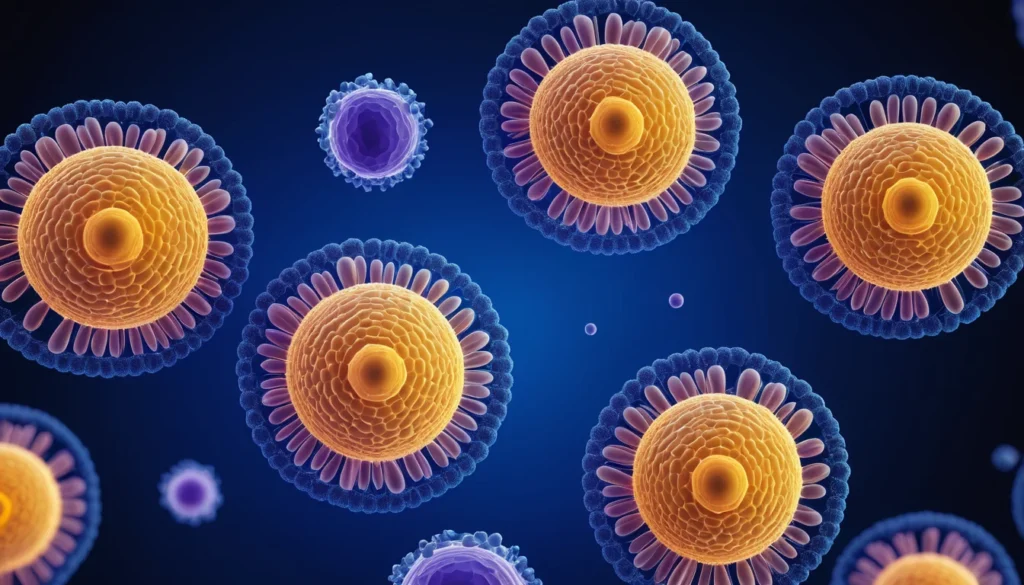
Free radicals are unstable molecules that can damage your cells and contribute to serious health problems, including heart disease and premature aging. Every day, your body produces free radicals as a normal part of metabolism. However, when too many build up, they can overwhelm your body’s natural defences. Understanding what free radicals are — and how to reduce their impact — is one of the most important things you can do for your long-term health.
What Are Free Radicals?
A free radical is a molecule with an unpaired electron on its outer edge. This makes it highly unstable and reactive. To become stable, the molecule tries to steal an electron from a nearby healthy cell.
When a free radical steals that electron, it damages the healthy cell. That damaged cell may then become a free radical itself. This creates a chain reaction inside your body that can affect tissues, proteins, and even your DNA.
Free radicals are not always harmful on their own. In fact, your immune system uses them to fight off bacteria and viruses. The problem starts when they build up faster than your body can neutralize them. This imbalance is called oxidative stress.
How Free Radicals Form in Your Body
Your body creates free radicals naturally during normal chemical processes. For example, when your cells convert food into energy, free radicals are produced as a byproduct. This is completely normal and expected.
However, certain lifestyle and environmental factors speed up free radical production. These include:
Cigarette smoke and second-hand smoke
Air pollution, which is a growing concern in many Canadian cities
Ultraviolet (UV) radiation from the sun
Excessive alcohol consumption
A diet high in processed foods and unhealthy fats
Intense or prolonged physical stress
Exposure to pesticides or industrial chemicals
In addition, chronic inflammation and certain medications can also increase free radical activity. Therefore, managing your overall lifestyle plays a big role in keeping these molecules in check.
Free Radicals and Oxidative Stress
When free radicals outnumber your body’s ability to neutralize them, oxidative stress occurs. Think of it like rust forming on metal — it is a slow, damaging process that weakens the material over time. Oxidative stress works the same way inside your body.
Over time, oxidative stress contributes to cell damage that builds up silently. This is why many of its effects — like stiffening arteries or aging skin — are not noticed right away. The World Health Organization links chronic oxidative damage to the rise of noncommunicable diseases worldwide.
Free Radicals and Their Link to Disease
Free radicals play a key role in the development of several serious conditions. Researchers have connected excessive free radical activity to a wide range of chronic diseases that affect millions of Canadians.
Heart Disease and Atherosclerosis
One of the most well-studied links is between free radicals and atherosclerosis — the hardening and narrowing of arteries. Free radicals can oxidize LDL cholesterol, the so-called “bad” cholesterol. When LDL becomes oxidized, it sticks to artery walls and triggers inflammation.
Over time, this builds up into plaque inside the arteries. As a result, blood flow is restricted and the risk of heart attack or stroke rises significantly. Heart disease remains the leading cause of death in Canada, making this connection especially important for Canadians to understand.
Cancer
Free radicals can damage DNA inside your cells. When DNA is damaged, cells may begin to grow and divide in uncontrolled ways. Furthermore, this is one of the early steps in the development of cancer.
This does not mean that free radicals alone cause cancer. Many factors are involved. However, reducing oxidative stress is considered one important part of cancer prevention strategies recommended by health authorities.
Aging and Skin Damage
The free radical theory of aging suggests that the gradual buildup of cell damage caused by free radicals is one reason our bodies age over time. Skin cells are particularly vulnerable. UV radiation from sunlight generates free radicals that break down collagen and elastin — the proteins that keep skin firm and smooth.
This leads to wrinkles, age spots, and a loss of skin elasticity. In addition, free radical damage to tissues and organs may contribute to age-related conditions like cognitive decline and reduced immune function.
Neurological Conditions
Research suggests that oxidative stress from free radicals may also play a role in neurological diseases such as Alzheimer’s and Parkinson’s. Brain cells are especially sensitive to oxidative damage. Because the brain uses a large amount of oxygen, it produces more free radicals than many other organs.
While scientists are still studying the exact mechanisms, reducing oxidative stress through diet and lifestyle is widely recommended as a protective measure. Mayo Clinic notes that oxidative stress is an active area of research in Alzheimer’s disease.
Antioxidants: Your Body’s Natural Defence
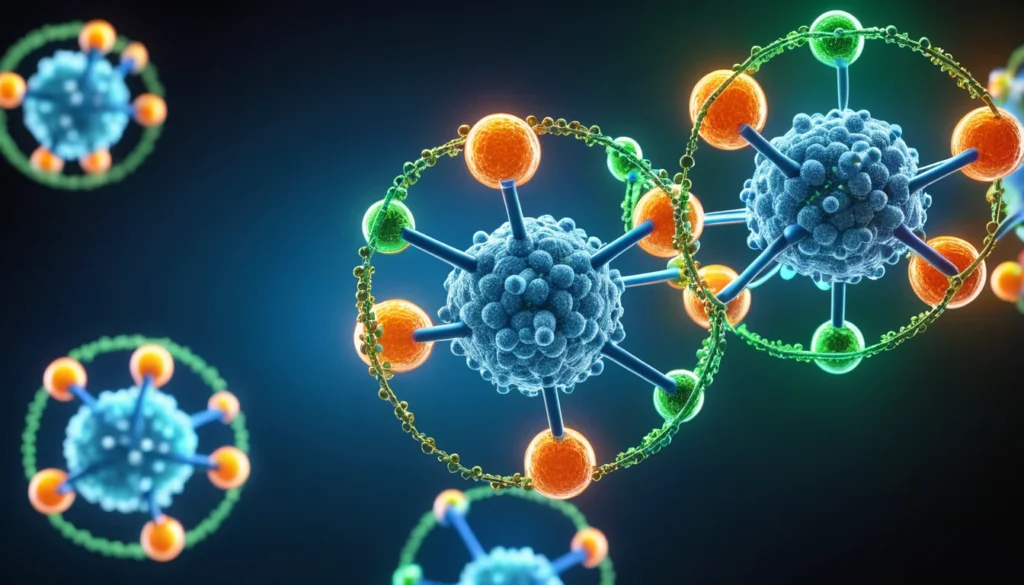
Your body is not defenceless against free radicals. It produces its own protective molecules called antioxidants. Antioxidants work by donating an electron to a free radical, which neutralizes it without becoming unstable themselves.
Your body makes some antioxidants naturally, such as glutathione and superoxide dismutase. However, diet plays a huge role in boosting your antioxidant levels. The more colourful and varied your diet, the better your natural protection tends to be.
Key Antioxidants and Where to Find Them
Several vitamins and plant compounds act as powerful antioxidants. These include:
Vitamin C — found in citrus fruits, bell peppers, and broccoli
Vitamin E — found in nuts, seeds, and vegetable oils
Beta-carotene — found in carrots, sweet potatoes, and dark leafy greens
Selenium — found in Brazil nuts, fish, and whole grains
Polyphenols — found in berries, green tea, dark chocolate, and red wine (in moderation)
Lycopene — found in tomatoes and watermelon
In addition, dietary fibre from whole grains, legumes, and vegetables supports a healthy gut environment, which also helps reduce inflammation and oxidative stress throughout your body.
Should You Take Antioxidant Supplements?
Many Canadians wonder whether antioxidant supplements offer the same benefits as food sources. The short answer is: food first, supplements second. Research has shown that antioxidants from whole foods work better because they come packaged with other nutrients and compounds that work together.
In fact, some high-dose antioxidant supplements — particularly beta-carotene in smokers — have been linked to increased health risks in certain studies. Therefore, always speak with your family doctor before starting any new supplement. Healthline provides a thorough overview of antioxidants and how they work in the body.
How to Reduce Free Radical Damage in Daily Life
Reducing your exposure to free radicals and boosting your antioxidant defences does not require a complete lifestyle overhaul. Small, consistent changes make a meaningful difference over time.
Eat a Colourful, Plant-Rich Diet
Aim to fill half your plate with fruits and vegetables at every meal. Choose a variety of colours — each colour represents different antioxidant compounds. For example, dark berries are rich in anthocyanins, while orange vegetables provide beta-carotene.
Canada’s Food Guide already recommends a plant-forward eating pattern. Following this guidance not only supports a healthy weight but also helps reduce oxidative stress naturally.
Avoid or Limit Known Risk Factors
Quitting smoking is one of the most powerful steps you can take to lower free radical production. Smoking floods your body with free radicals and rapidly depletes antioxidant reserves. If you are trying to quit, speak with your family doctor — many provincial health plans in Canada cover smoking cessation programmes and medications.
Limiting alcohol, protecting your skin from UV radiation with sunscreen, and reducing exposure to air pollution where possible also make a significant difference.
Exercise Wisely
Moderate, regular exercise actually boosts your body’s own antioxidant production. However, extreme or excessive exercise without adequate recovery can temporarily increase oxidative stress. Aim for the recommended 150 minutes of moderate activity per week, as suggested by Canadian physical activity guidelines.
Manage Stress and Sleep Well
Chronic psychological stress raises inflammation and increases free radical activity. Prioritizing sleep — most adults need seven to nine hours per night — gives your body time to repair cell damage. In addition, stress-reduction techniques like mindfulness, yoga, or even regular walks in nature have measurable anti-inflammatory benefits.
When to See a Doctor
Free radical damage happens slowly and silently, so there is no single symptom that tells you your oxidative stress levels are too high. However, certain signs may suggest that underlying processes — including chronic inflammation and cell damage — need attention.
Talk to your family doctor or visit a walk-in clinic if you notice:
Persistent fatigue that does not improve with rest
Frequent infections or slow wound healing
Unexplained changes in memory or concentration
Early or rapid signs of aging skin
A family history of heart disease, cancer, or neurological conditions
Your doctor can assess your overall cardiovascular risk, order relevant bloodwork, and recommend lifestyle changes or referrals based on your individual health needs. Most provincial health plans cover routine checkups, so there is no reason to put off a conversation with your healthcare provider.
As always, this article is for general information only. Please consult your doctor or a qualified health professional before making changes to your diet, exercise routine, or supplement use.
Frequently Asked Questions About Free Radicals
What are free radicals and why are they harmful?
Free radicals are unstable molecules that have an unpaired electron on their outer edge. They damage healthy cells by stealing electrons in a chain reaction throughout your body. Over time, this damage — known as oxidative stress — contributes to aging, heart disease, and other chronic conditions.
What foods are high in antioxidants that fight free radicals?
Foods rich in antioxidants that neutralize free radicals include berries, dark leafy greens, tomatoes, nuts, seeds, green tea, and colourful vegetables. Eating a wide variety of plant-based foods gives you the broadest range of protective compounds. Canada’s Food Guide supports a plant-rich eating pattern for exactly this reason.
Can free radicals cause cancer?
Free radicals can damage DNA inside cells, which is one step in the process that may lead to cancer over time. However, cancer involves many complex factors and free radicals are not the only cause. Reducing oxidative stress through a healthy lifestyle is considered an important part of cancer prevention.
Do antioxidant supplements protect against free radical damage?
Antioxidant supplements can help in some cases, but research consistently shows that whole foods are more effective at reducing free radical damage than isolated supplements. Some high-dose supplements have even shown harmful effects in certain groups. Always talk to your family doctor before starting any supplement.
Is exercise good or bad for free radical production?
Moderate, regular exercise actually strengthens your body’s natural antioxidant defences and reduces oxidative stress over time. However, very intense or prolonged exercise without enough recovery can temporarily increase free radical production. Following Canadian physical activity guidelines — 150 minutes of moderate activity per week — strikes the right balance.
How do free radicals contribute to aging?
The free radical theory of aging proposes that the gradual accumulation of cell damage caused by free radicals is a key driver of the aging process. This damage affects skin, organs, and even brain function over decades. Protecting yourself with a healthy diet, sun protection, and a smoke-free lifestyle can help slow this process.
Key Takeaways
Free radicals are unstable molecules produced naturally in the body, but they can cause serious damage when they build up in excess.
The imbalance between free radicals and antioxidants is called oxidative stress, which is linked to heart disease, cancer, aging, and neurological conditions.
Lifestyle factors like smoking, poor diet, alcohol, and UV exposure increase free radical production significantly.
Antioxidants — especially from colourful, plant-based foods — are your body’s best defence against free radical damage.
Moderate exercise, good sleep, and stress management also help reduce oxidative stress naturally.
Speak with your family doctor or visit a walk-in clinic if you have concerns about your heart health, energy levels, or risk factors for chronic disease.
Most provincial health plans cover routine checkups — take advantage of them.