Fragile X syndrome is a genetic disorder that affects how a person learns, behaves, and develops. It is the most common inherited cause of intellectual disability. Symptoms can range from mild to severe, and they often look different in males than in females. If you or your child may be affected, speaking with your family doctor is always a good first step.
What Is Fragile X Syndrome?
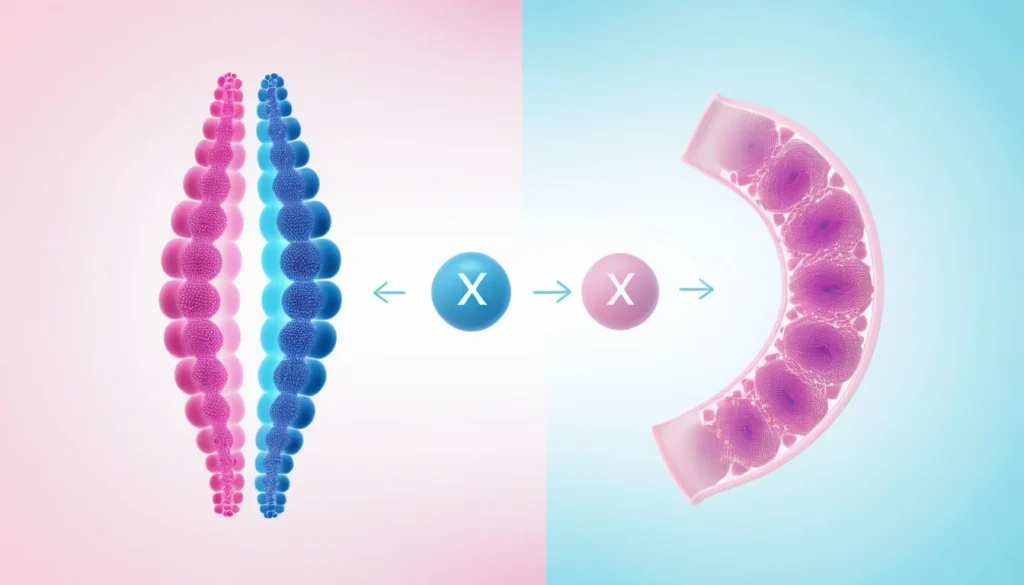
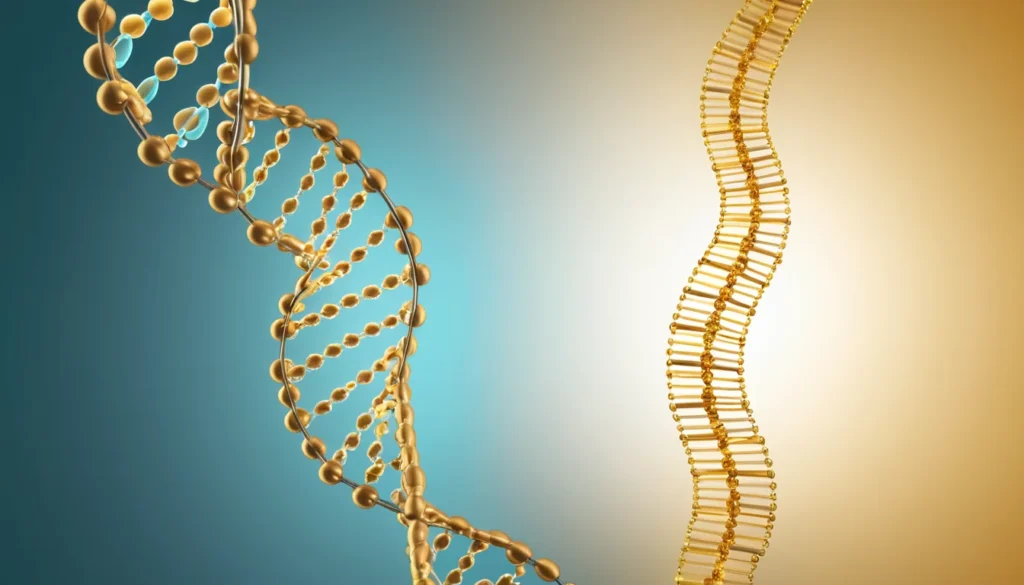
Fragile X syndrome is caused by a change, or mutation, in a single gene called FMR1. This gene sits on the X chromosome. When this gene does not work properly, the body cannot make enough of a protein that the brain needs to develop and function normally.
This condition affects people of all backgrounds and ethnicities. However, it tends to affect males more seriously than females. That is because males only have one X chromosome, while females have two. A female with one affected X chromosome still has a second, healthy one to rely on.
According to Mayo Clinic, fragile X syndrome affects about 1 in 4,000 males and 1 in 8,000 females worldwide.
What Causes Fragile X Syndrome?
Every person has 23 pairs of chromosomes, for a total of 46. One of those pairs determines biological sex. Females typically have two X chromosomes (XX), and males typically have one X and one Y chromosome (XY).
Fragile X syndrome happens when the FMR1 gene on the X chromosome has a mutation. This mutation prevents the gene from producing enough of a key brain protein. Without enough of this protein, brain cells cannot develop or communicate the way they should.
How Fragile X Syndrome Is Inherited
Fragile X syndrome is passed down from parents to children. However, not everyone who inherits the gene mutation will develop the syndrome. Sometimes a parent carries a “premutation” — a smaller version of the mutation — without showing symptoms themselves.
A father with the premutation will pass it to all of his daughters but none of his sons. Those daughters usually do not show symptoms, but they can pass the mutation on to their own children. When a mother carries the premutation, there is a 50% chance she will pass it to each of her children, regardless of sex.
In some cases, the premutation can grow into a full mutation as it passes from mother to child. This is when fragile X syndrome is more likely to develop. For more on genetic inheritance, visit Health Canada for trusted Canadian health resources.
Signs and Symptoms of Fragile X Syndrome
Not everyone with fragile X syndrome has the same symptoms. Some people have very mild signs, while others face significant challenges. In general, symptoms are more noticeable in males than in females.
Learning and Intellectual Development
Difficulties with learning are among the most common signs of fragile X syndrome. These can range from mild learning challenges to more serious intellectual disabilities. Many children are also diagnosed with attention deficit hyperactivity disorder (ADHD), anxiety, or language processing delays.
Furthermore, some individuals show behaviours associated with autism spectrum disorder (ASD). However, a person with fragile X syndrome may have strengths and abilities that a standard IQ test does not fully capture. Most males with the condition experience some degree of intellectual disability, while only about one in three affected females do.
Physical Features
Most babies and young children with fragile X syndrome do not show obvious physical signs. As they grow older — especially after puberty — certain features may become more apparent. These can include a long, narrow face, large ears, a prominent chin and forehead, and flexible joints.
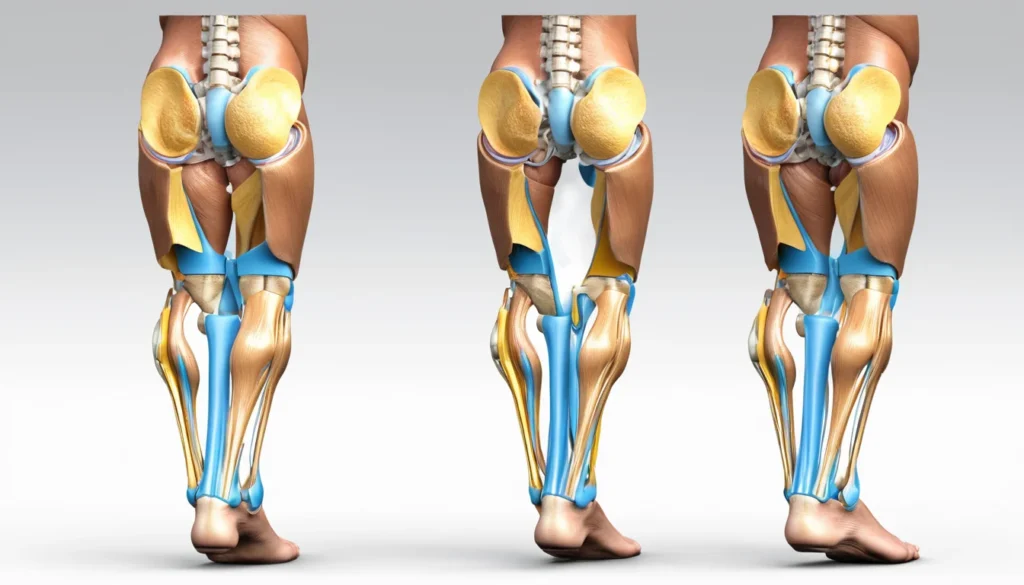
Some children also have flat feet. Males with the condition may have enlarged testicles after puberty. Females typically show fewer physical signs than males. These features alone are not enough to diagnose the condition.
Behaviour and Social Development
Children with fragile X syndrome often experience challenges with behaviour and social interaction. They may feel anxious or fearful in new situations. Many boys have difficulty making eye contact and may show signs of aggression or impulsivity.
Girls are more likely to experience shyness and social withdrawal. Both boys and girls can have attention difficulties and hyperactivity. These behavioural challenges can affect a child’s experience at school and in social settings.
Speech and Language
Most boys with fragile X syndrome have some difficulty with speech and language. They may speak unclearly, stutter, or use only parts of words. Many also struggle to read tone of voice or body language in conversations.
Girls generally have fewer speech problems than boys. However, some children with fragile X syndrome begin talking later than their peers. A small number may rely on non-verbal communication throughout their lives.
Sensory Sensitivities
Many children with fragile X syndrome are sensitive to sensory input. Bright lights, loud noises, or the texture of certain clothing can feel overwhelming or distressing. As a result, these sensory challenges can sometimes lead to behavioural outbursts or anxiety.
Understanding these triggers can help caregivers and teachers create a more comfortable environment. Occupational therapists can also help children develop strategies to manage sensory sensitivities.
How Is Fragile X Syndrome Diagnosed?
Diagnosing fragile X syndrome can be challenging, especially in girls, because their symptoms are often subtle. If a doctor suspects the condition, a blood test can confirm the diagnosis. This test looks for the FMR1 gene mutation.
A full diagnosis usually involves a team of specialists. This may include a paediatrician, a neurologist, and a geneticist. Early diagnosis is important because it opens the door to early support and intervention, which can make a significant difference in a child’s development.
In addition, the FMR1 gene mutation can be detected during pregnancy through prenatal testing. If there is a family history of fragile X syndrome, you can ask your family doctor for a referral to a genetic counsellor. Genetic counselling services are available through most provincial health plans across Canada.
For more information on genetic testing in Canada, Healthline’s overview of fragile X syndrome provides helpful background information.
Treatment and Support for Fragile X Syndrome
There is currently no cure for fragile X syndrome. However, early and consistent support can help children reach their full potential. The earlier a treatment plan begins — ideally during the preschool years — the better the outcomes tend to be.
Therapeutic Support
Most children with fragile X syndrome benefit from a team-based approach to care. This team may include a speech-language pathologist, a physiotherapist, an occupational therapist, special education teachers, and psychologists. Each professional addresses a different area of a child’s development.
Speech therapy can help children improve communication skills. Occupational therapy supports sensory processing and daily living skills. Physiotherapy can address muscle tone and coordination challenges.
Medications
No medication treats fragile X syndrome directly. However, some medications can help manage specific symptoms. For example, doctors may prescribe medication to reduce anxiety, improve attention, or manage aggressive behaviour. A paediatrician or psychiatrist should oversee any medication plan.
Educational Support
Children with fragile X syndrome often qualify for individualized education plans (IEPs) through their provincial school boards. These plans tailor the learning environment to a child’s specific strengths and needs. Parents should work closely with their child’s school team to ensure proper accommodations are in place.
Family Support
Living with or caring for someone with fragile X syndrome can be demanding. Connecting with support groups and community resources can make a meaningful difference. Many provinces offer respite care programmes and family support services through their public health systems.
When to See a Doctor
If you notice that your child is developing more slowly than expected — in speech, learning, or social skills — it is worth speaking with a healthcare provider. You can start by visiting your family doctor or a walk-in clinic. They can assess your child and refer you to a specialist if needed.
If there is a known family history of fragile X syndrome or other inherited conditions, ask your doctor about genetic testing or a referral to a genetics clinic. Early testing can lead to earlier support, which helps children develop to their fullest potential.
Always consult a qualified healthcare provider before making any decisions about diagnosis or treatment. Your doctor is your best resource for advice tailored to your specific situation.
Frequently Asked Questions About Fragile X Syndrome
What is fragile X syndrome in simple terms?
Fragile X syndrome is a genetic condition caused by a mutation in the FMR1 gene on the X chromosome. It affects how the brain develops and can cause learning difficulties, behavioural challenges, and delayed speech. It is the most common inherited cause of intellectual disability.
Can fragile X syndrome be cured?
There is currently no cure for fragile X syndrome. However, early intervention with therapy, educational support, and sometimes medication can greatly improve a child’s quality of life. Treatment focuses on helping each person reach their full potential.
How is fragile X syndrome inherited?
Fragile X syndrome is passed down through families via a mutation in the FMR1 gene on the X chromosome. A parent can carry a premutation without showing symptoms and still pass it to their children. When the premutation expands into a full mutation, fragile X syndrome may develop.
Does fragile X syndrome affect girls differently than boys?
Yes, fragile X syndrome generally affects males more severely than females. Because females have two X chromosomes, their second healthy X chromosome can partially compensate for the mutated one. Girls often have milder symptoms, fewer physical features, and less severe intellectual disability than boys.
How is fragile X syndrome diagnosed in Canada?
Fragile X syndrome is diagnosed through a blood test that checks for the FMR1 gene mutation. In Canada, your family doctor can refer you to a paediatrician or genetics clinic for testing. Genetic counselling is available through most provincial health plans.
What are the early signs of fragile X syndrome in babies?
Early signs of fragile X syndrome in infants can include delayed milestones such as late babbling or walking, reduced eye contact, and unusual sensitivity to sensory stimuli. Many babies do not show obvious physical features at birth. If you have concerns about your child’s development, speak with your family doctor.
Key Takeaways
Fragile X syndrome is the most common inherited cause of intellectual disability in Canada and worldwide.
It is caused by a mutation in the FMR1 gene on the X chromosome.
Symptoms include learning difficulties, delayed speech, behavioural challenges, and sensory sensitivities.
Males are usually more severely affected than females.
There is no cure, but early intervention — including therapy and educational support — can significantly improve outcomes.
A blood test can confirm the diagnosis, and prenatal testing is available for families with a known history.
If you have concerns about your child’s development, start by visiting your family doctor or a walk-in clinic.