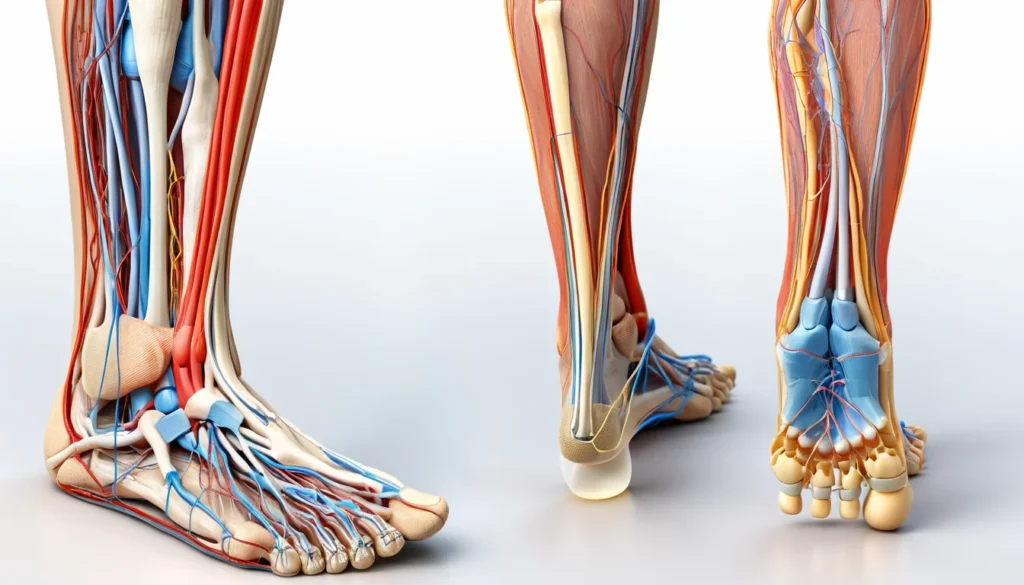
Your feet do more than carry you through the day — they can also reveal important clues about what is happening inside your body. Doctors say that foot health signs can point to conditions like diabetes, anemia, poor circulation, and nutritional deficiencies. In fact, your two feet together contain one quarter of all the bones in your body, along with 33 joints, and over 100 tendons, muscles, and ligaments each. A vast network of nerves and blood vessels connects your feet directly to your heart, spine, and brain. Paying attention to changes in your feet could help you catch a health problem early — and that is always a good thing.
Why Foot Health Signs Matter More Than You Think
Many Canadians ignore foot pain or changes until the problem becomes serious. However, untreated foot problems can lead to unexpected consequences. For example, chronic foot pain can cause you to move less, which can lead to weight gain and a whole new set of health concerns.
Therefore, checking your feet regularly is a simple habit that can make a real difference. You do not need special equipment — just good lighting and a few minutes. If something looks or feels different, it is worth paying attention to.
Foot Health Signs Linked to Anemia
Spoon-Shaped Toenails
One of the most telling foot health signs is a toenail that curves upward at the edges, forming a spoon-like shape. This is often linked to iron-deficiency anemia, especially in moderate to severe cases. Anemia happens when your body does not have enough haemoglobin — an iron-rich protein in red blood cells that carries oxygen throughout your body.
Internal bleeding, such as from a stomach ulcer, or heavy menstrual periods can also cause anemia. In some cases, a nail injury or repeated exposure to petroleum-based solvents can create a similar concave shape, so it is important to look at the full picture.
Other Signs to Watch For
In addition to spoon-shaped nails, anemia can cause pale skin, pale nail beds, and cold feet. Your nails may also become brittle and break easily. Fatigue is a major symptom of anemia, along with shortness of breath, dizziness when standing up, and headaches.
A complete blood count (CBC) is the standard test used to diagnose anemia. Your family doctor can order this test during a routine visit. Treatment often starts with iron supplements and dietary changes, such as adding more iron-rich foods and vitamin C to help your body absorb iron better. You can learn more from Health Canada’s nutrition resources.
Poor Circulation: When Hair Stops Growing on Your Feet
Have you noticed that the hair on your feet or lower legs has thinned out or disappeared? This can be one of the more overlooked foot health signs, but it is worth taking seriously. Poor peripheral circulation — often caused by vascular disease or atherosclerosis — can reduce blood flow to your extremities.
When your heart struggles to pump enough blood to your legs and feet, your body prioritises vital organs first. As a result, your toes and feet are often the last to receive adequate blood supply.
Other Circulation Warning Signs
Reduced blood flow may also make it difficult to feel a pulse in your foot. When you stand up, your feet may appear dark red or greyish in colour. However, when you raise your legs, they may turn pale very quickly. The skin on your feet may also look shiny and feel smooth.
Many Canadians with poor peripheral circulation already know they have a heart condition or issues with their carotid artery — but they may not realise the two are connected. Treating the underlying vascular cause can sometimes improve circulation enough that foot hair begins to grow back. According to the Mayo Clinic’s guide to peripheral artery disease, early diagnosis and lifestyle changes make a significant difference in outcomes.
Leg Cramps and What They Tell You
A sudden, sharp muscle contraction in your calf — often called a charley horse — can happen to anyone. However, if you experience frequent leg cramps, this may be one of the foot health signs pointing to a nutritional gap. Low levels of calcium, potassium, or magnesium are common culprits.
Pregnant Canadians in their third trimester are especially vulnerable. Increased blood volume and reduced circulation to the legs during late pregnancy can trigger frequent cramps.
How to Relieve and Prevent Leg Cramps
When a cramp strikes, try flexing your foot upward and gently massaging the muscle. Applying a cold pack or rubbing the area with a cool cloth can also help relax the muscle quickly. The pain may linger even after the cramp has passed, so be patient.
To prevent cramps, stretch your legs before bed each night. Drinking a glass of warm milk before sleep provides a natural source of calcium. Staying well-hydrated throughout the day is also important, particularly if you are physically active.
Thick, Yellow, Deformed Toenails
Thick, yellow, or crumbling toenails are a classic set of foot health signs pointing to a fungal nail infection, known medically as onychomycosis. This infection lives beneath the surface of the nail and can persist for years without causing pain. By the time it looks visibly unpleasant, the infection may have spread to all toenails — and sometimes even to the fingernails.
Infected nails may also develop a foul odour or become darker in colour. People with diabetes, circulatory problems, or immune conditions such as rheumatoid arthritis are at higher risk. Furthermore, older adults who have difficulty trimming thick nails sometimes develop a severe infection without realising it until pain sets in.
Treatment Options Available in Canada
If you suspect a fungal nail infection, speak with your family doctor, a dermatologist, or a podiatrist. Over-the-counter antifungal treatments are available at most Canadian pharmacies, but they are often less effective for severe infections. A combination of topical and oral antifungal medications tends to work better in moderate to serious cases.
Newer generations of oral antifungal medications have fewer side effects than older versions. In some cases, surgical removal of the infected nail may be recommended. Your provincial health plan may cover a portion of these treatments, so it is worth checking with your provider.
Sudden Big Toe Swelling: Could It Be Gout?
A red, swollen, and intensely painful big toe that appears suddenly is one of the most recognisable foot health signs — and it is often caused by gout. Gout is a form of arthritis triggered by a build-up of uric acid in the joints. That uric acid forms sharp, needle-like crystals, which tend to accumulate in the coolest parts of the body. The big toe, being furthest from the heart, is typically the coldest — and therefore the most common target.
Swelling and redness can also appear in the Achilles tendon, the knee, or the elbow. Anyone can develop gout, but it is more common in men between the ages of 40 and 60. In women, gout tends to appear after menopause. For more information on managing gout, visit Healthline’s comprehensive gout overview.
Numbness in Both Feet
Feeling like your feet have “fallen asleep” — or experiencing a persistent tingling or burning sensation in both feet — is one of the foot health signs that should never be ignored. This type of numbness in both feet at the same time is often a symptom of peripheral neuropathy, which is nerve damage that frequently occurs as a complication of diabetes.
High blood sugar levels over time can damage the small nerve fibres in your feet. This makes it difficult to feel temperature, pain, or pressure — which means injuries can go unnoticed and become serious. If you have been diagnosed with diabetes or pre-diabetes, regular foot checks are an essential part of managing your health.
When to See a Doctor
Many of the foot health signs described above are manageable — but only if you act on them. Do not wait until the problem becomes severe. If you notice any sudden swelling, persistent numbness, discolouration, thickened nails, or unexplained pain in your feet, book an appointment with your family doctor as soon as possible.
If your regular family doctor is not available, a walk-in clinic is a great option available in most Canadian communities. Walk-in clinic doctors can assess your symptoms, order blood work, and refer you to a specialist such as a podiatrist or dermatologist if needed. Your provincial health plan covers most of these visits, so there is no reason to delay.
Remember: your feet are talking to you. It is always a good idea to listen — and then let your doctor help you understand what they are saying.
What do your feet say about your overall health?
Your feet contain a quarter of your body’s bones and are connected to major nerves and blood vessels. Foot health signs like swelling, nail changes, numbness, or hair loss on the feet can point to conditions such as diabetes, anemia, poor circulation, or gout. Paying attention to changes in your feet and reporting them to your doctor is a simple way to catch health problems early.
Can foot problems be a sign of diabetes?
Yes, numbness, tingling, or burning in both feet are common foot health signs linked to diabetic peripheral neuropathy. High blood sugar damages the nerves in the feet over time, making it harder to feel injuries. Canadians living with diabetes are encouraged to inspect their feet daily and see their doctor regularly for foot assessments.
What causes yellow thick toenails?
Thick, yellow, or crumbling toenails are usually caused by a fungal nail infection called onychomycosis. This infection grows under the nail and can spread slowly without causing pain at first. Treatment is available through your family doctor or a walk-in clinic and may include topical or oral antifungal medications.
What are the early signs of poor circulation in the feet?
Early foot health signs of poor circulation include hair loss on the feet and lower legs, shiny skin, a faint or absent foot pulse, and colour changes when standing or raising the legs. These signs are often linked to vascular disease or atherosclerosis. If you notice these symptoms, speak with your family doctor promptly for an assessment.
What causes frequent leg cramps at night?
Frequent nighttime leg cramps can be one of the foot health signs pointing to low levels of calcium, potassium, or magnesium in your diet. Dehydration and overexertion can also trigger cramps. Stretching before bed, staying hydrated, and eating a balanced diet rich in these minerals can help reduce how often cramps occur.
Is a swollen big toe always a sign of gout?
A suddenly swollen, red, and painful big toe is one of the most recognisable foot health signs associated with gout, but it is not the only cause. Injury, infection, or other forms of arthritis can also cause swelling in the big toe. Your doctor can confirm a gout diagnosis through a physical exam and blood tests measuring uric acid levels.
Key Takeaways
Spoon-shaped toenails may signal iron-deficiency anemia — ask your doctor for a blood test.
Hair loss on the feet can be a sign of poor peripheral circulation linked to heart or vascular disease.
Frequent leg cramps may point to low calcium, potassium, or magnesium levels in your diet.
Thick, yellow toenails are a common sign of fungal nail infection and respond best to prescription treatment.
Sudden big toe swelling is a classic sign of gout, a form of arthritis caused by uric acid build-up.
Numbness or tingling in both feet can be an early sign of diabetic nerve damage — never ignore it.
Your family doctor or a local walk-in clinic is always your best first step when you notice unusual foot health signs.
Most foot-related health visits are covered under your provincial health plan — so do not put it off.