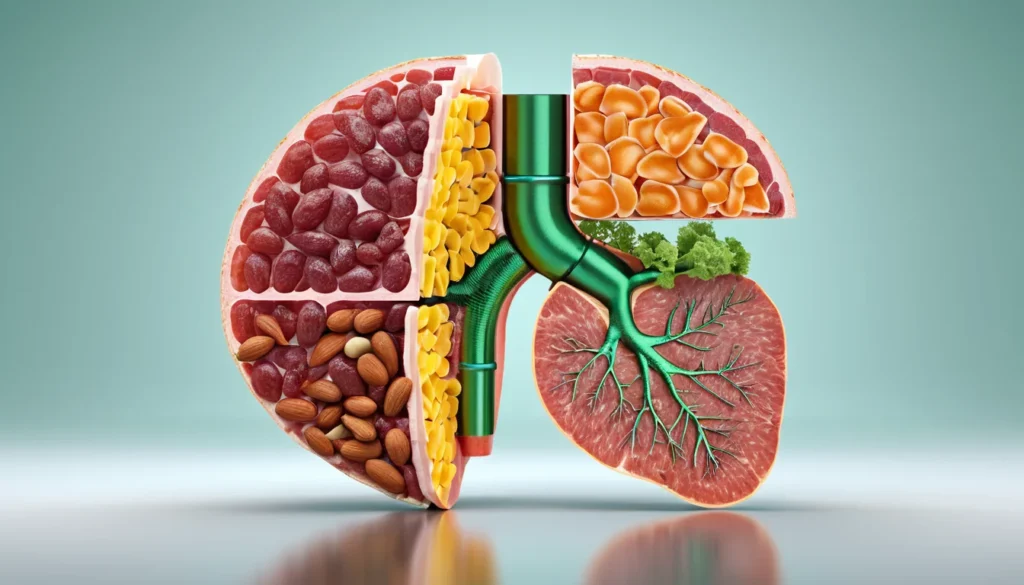
Your liver is one of the hardest-working organs in your body. Knowing which foods are bad for your liver — and what to eat instead — can make a real difference to your long-term health. This article breaks down the most harmful foods for liver function, explains why they cause damage, and offers simple, healthy alternatives that fit everyday Canadian life.
Why Your Liver Health Matters
Your liver does far more than most people realize. It filters toxins from your blood, converts food into energy, produces bile to help digest fats, and turns amino acids into glucose — the brain’s main fuel source.
Think of your liver as a filter. When you regularly eat foods that damage it, that filter gets clogged. Over time, this can lead to serious conditions like fatty liver disease, cirrhosis, or liver failure. However, the good news is that many liver problems are preventable through diet and lifestyle choices.
According to Health Canada, chronic liver disease affects hundreds of thousands of Canadians. Making smarter food choices is one of the most powerful steps you can take to protect this vital organ.
Foods Bad for Your Liver: The Main Culprits
Fast Food and Processed Foods
Fast food is one of the worst things you can eat for liver health. Most fast food items are packed with unhealthy fats, excess sodium, and empty calories that provide little to no nutritional value.
When you eat fast food regularly, your liver has to work overtime to process all that fat. As a result, fat can build up directly in liver cells. This condition is known as non-alcoholic fatty liver disease (NAFLD), and it is becoming increasingly common across Canada.
Processed foods — like frozen meals, packaged snacks, and deli meats — carry the same risks. They are loaded with sodium, preservatives, and additives that put extra strain on your liver.
High-Cholesterol Foods
Cholesterol is a type of fat found mainly in animal-based foods. When LDL cholesterol — the “bad” kind — builds up in your blood, it raises your risk of developing liver disease.
Foods that are high in bad cholesterol include:
Fatty red meat
Shrimp and shellfish (in large amounts)
Egg yolks (in excess)
Whipping cream
Margarine
Mayonnaise
Organ meats (liver, kidneys)
Butter
In addition, these foods often come paired with other harmful ingredients like trans fats and added sodium, making the problem worse. Doctors recommend limiting these foods and replacing them with more plant-based options.
High-Fat Foods
Fatty foods raise your levels of bad cholesterol and triglycerides in the blood. Both of these are strong risk factors for liver disease and obesity. Furthermore, diets high in saturated fat are directly linked to fat accumulation in the liver.
The most damaging high-fat foods for your liver include:
Lard and shortening
Margarine and butter
Fatty cuts of meat
Whipping cream and full-fat cheese
Poultry skin
Deep-fried foods
Creamy salad dressings
Pastries, cakes, and baked goods made with shortening
Mayonnaise
Instead, try cooking methods that use less fat. Steaming, boiling, baking, and grilling are all much gentler on your liver.
Foods and Drinks to Limit Every Day
Alcohol
Alcohol is one of the most well-known foods bad for your liver — and for good reason. Even moderate drinking puts stress on liver cells, and heavy or long-term drinking can cause alcoholic liver disease, cirrhosis, and liver failure.
Current guidelines suggest that men should have no more than two standard drinks per day, and women no more than one. However, if you already have a liver condition, your doctor will likely advise you to avoid alcohol completely.
If you are unsure about what is safe for you, speak with your family doctor or visit a walk-in clinic for personalized advice. Your provincial health plan covers these visits at no direct cost to you.
Sugar and Sugary Foods
Candy, soft drinks, energy drinks, and desserts are full of sugar and empty calories. Too much sugar leads to excess calorie intake, which raises your risk of obesity — a major risk factor for fatty liver disease.
For example, a single can of pop can contain up to 10 teaspoons of sugar. Over time, this adds up fast. Therefore, it is best to treat sugary foods as an occasional choice, not a daily habit.
Healthy swaps include fresh fruit, plain yogurt with berries, or baked goods made with natural sweeteners and whole ingredients.
Excess Salt and Sodium
Too much salt causes your body to retain water. This leads to bloating and swelling in your face, hands, and feet. More seriously, excess sodium places real strain on your liver and is linked to worsening liver conditions.
High-sodium foods to watch out for include:
Deli meats and processed sandwich meats
Canned vegetables and soups
Packaged meal kits and ready-to-eat meals
Fast food
Salad dressings and condiments
Chips and salty snacks
Instant soup packets and bouillon cubes
Check nutrition labels and aim for less than 2,300 mg of sodium per day. This is the general guideline recommended by health authorities for most adults.
Excess Fluids and Water Retention
If your body already tends to retain water — which can happen with certain liver conditions — you may need to watch how much fluid you drink each day. This includes water, juice, milk, soups, and even water-rich fruits and vegetables.
However, this does not mean you should stop drinking water. Staying hydrated is essential. Instead, talk to your doctor about the right daily fluid intake for your specific health needs.
High-Protein Diets and Your Liver
Many Canadians turn to high-protein diets to lose weight. However, eating too much protein — especially while cutting out other nutrients — can put serious strain on your liver.
Your liver is responsible for metabolizing protein. When you eat far more than your body needs, your liver has to work twice as hard. Over time, this can damage liver cells and impair normal function.
Furthermore, high-protein diets carry even greater risks for people who already have liver disease. In these cases, excess protein can speed up the progression of liver damage. Always speak with a healthcare provider before starting any restrictive or high-protein diet.
The Mayo Clinic notes that high-protein diets may carry hidden risks for people with certain health conditions, including liver and kidney problems.
Foods That Support a Healthy Liver
The good news is that many everyday foods actively support your liver. A balanced, plant-rich diet is one of the best things you can do for liver health. In addition, these foods tend to be affordable and widely available at grocery stores across Canada.
Liver-friendly foods include:
Whole grains — oats, barley, brown rice, and whole-grain bread provide dietary fibre that helps lower bad cholesterol
Fresh fruits — berries, oranges, grapes, pineapple, and apples are rich in antioxidants
Vegetables — cabbage, carrots, celery, and leafy greens help the liver filter toxins more efficiently
Cottage cheese and low-fat dairy — provide protein without the saturated fat load of high-fat cheeses
Natural fruit juices — freshly squeezed juices (without added sugar) from oranges, raspberries, or blackberries contain beneficial plant compounds
Green leafy salads — help reduce fat deposits in the liver
Nuts — a small handful of walnuts or almonds provides healthy fats that support liver function
According to Healthline, foods like oats, berries, and leafy greens have been shown in research to actively improve liver enzyme levels and reduce inflammation.
Aim to build most of your meals around these foods. Think of them as daily habits rather than occasional add-ons.
When to See a Doctor About Liver Health
Many liver conditions develop silently with no obvious symptoms at first. However, there are warning signs that should prompt you to seek medical advice right away.
Talk to your family doctor or visit a walk-in clinic if you notice:
Persistent fatigue or weakness
Yellowing of the skin or whites of the eyes (jaundice)
Abdominal pain or swelling, especially in the upper right side
Dark urine or pale-coloured stools
Unexplained weight loss
Nausea or loss of appetite that does not go away
In Canada, your provincial health plan covers visits to your family doctor and most walk-in clinics. You do not need a referral to discuss your diet and liver health. Early detection makes a significant difference in treatment outcomes, so do not wait if something feels wrong.
Your doctor can order blood tests to check your liver enzyme levels and assess how well your liver is functioning. This is a routine and straightforward process.
Frequently Asked Questions About Foods Bad for Your Liver
What are the worst foods bad for your liver?
The worst foods bad for your liver include alcohol, fast food, fried foods, processed meats, sugary drinks, and foods high in saturated fat and sodium. These foods cause fat to build up in liver cells and can lead to conditions like non-alcoholic fatty liver disease. Limiting these foods is one of the most important steps you can take to protect your liver.
Can eating unhealthy food cause liver damage?
Yes, a consistently poor diet is one of the leading causes of liver damage in Canada and worldwide. Foods bad for your liver — such as high-fat, high-sugar, and high-sodium foods — put ongoing stress on liver cells and can lead to fatty liver disease over time. The encouraging news is that improving your diet can help reverse early-stage liver damage.
Is a high-protein diet bad for your liver?
A very high-protein diet can be harmful to your liver, especially if you already have a liver condition. Your liver must work extra hard to process large amounts of protein, which can cause strain and damage over time. Talk to your family doctor before starting any high-protein diet to make sure it is safe for you.
What foods are good for liver repair?
Foods that support liver repair and function include whole grains, leafy green vegetables, fresh berries, carrots, nuts, and low-fat dairy like cottage cheese. These foods are high in fibre, antioxidants, and healthy fats, all of which help reduce liver inflammation and improve liver enzyme levels. Building your meals around plant-based whole foods is the best approach for long-term liver health.
How much alcohol is safe for liver health?
General guidelines suggest no more than two standard drinks per day for men and one for women, but even these amounts can be harmful for people with existing liver conditions. If you have been diagnosed with any form of liver disease, your doctor will most likely advise you to stop drinking alcohol entirely. When in doubt, speak with your family doctor or visit a walk-in clinic for guidance specific to your health situation.
Can I reverse fatty liver disease by changing my diet?
In many cases, early-stage fatty liver disease can be improved — or even reversed — through diet and lifestyle changes. Cutting out foods bad for your liver, reducing alcohol, losing excess weight, and eating more fibre-rich whole foods are all proven strategies. However, always work with your family doctor to create a plan that is right for your specific situation.
Key Takeaways
Your liver is essential — it filters toxins, digests fats, and converts food into energy your body depends on.
Foods bad for your liver include fast food, fried foods, fatty meats, alcohol, sugary drinks, and high-sodium processed foods.
High-protein diets can overwork your liver, especially if you already have a liver condition.
Healthy swaps — whole grains, fresh fruits, vegetables, and low-fat dairy — actively support liver function and repair.
Limit alcohol to no more than one to two drinks per day, and avoid it entirely if you have liver disease.
Watch for warning signs like fatigue, jaundice, or abdominal pain — and see your family doctor or a walk-in clinic promptly.
Your provincial health plan covers routine doctor visits and blood tests to check your liver health — use them.
This article is for informational purposes only and is not a substitute for professional medical advice. Always consult your family doctor or a qualified healthcare provider before making significant changes to your diet, especially if you have an existing health condition.