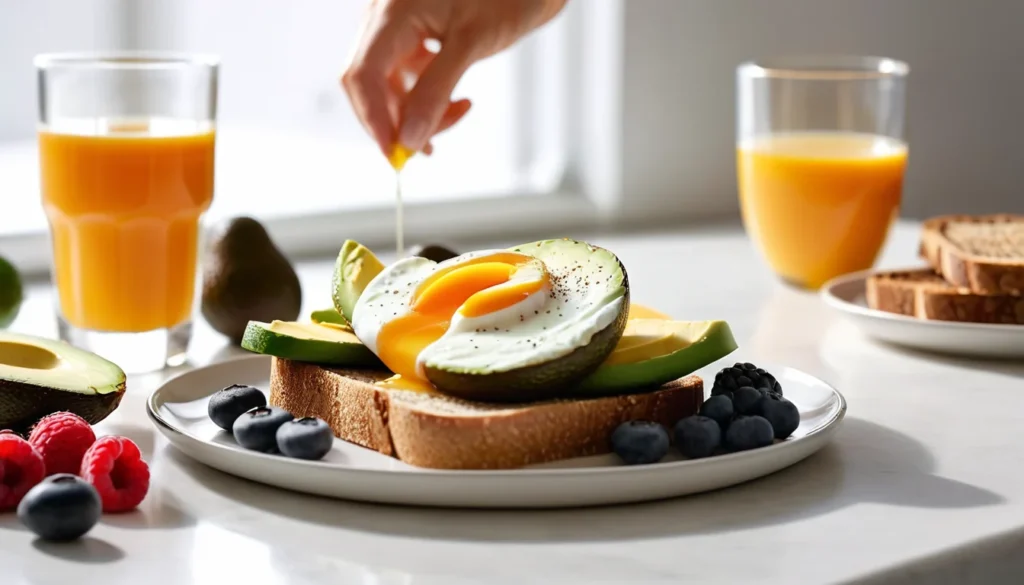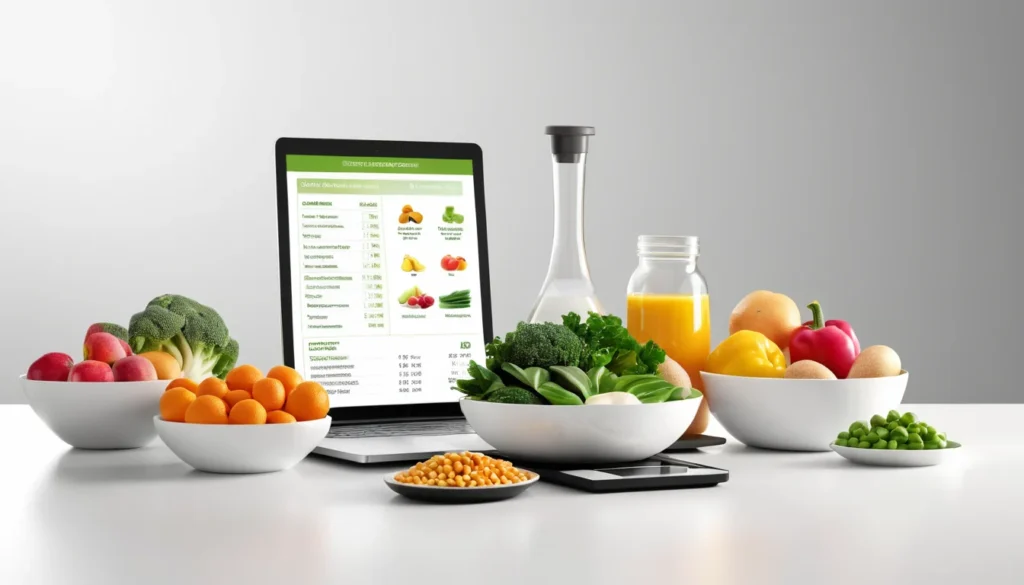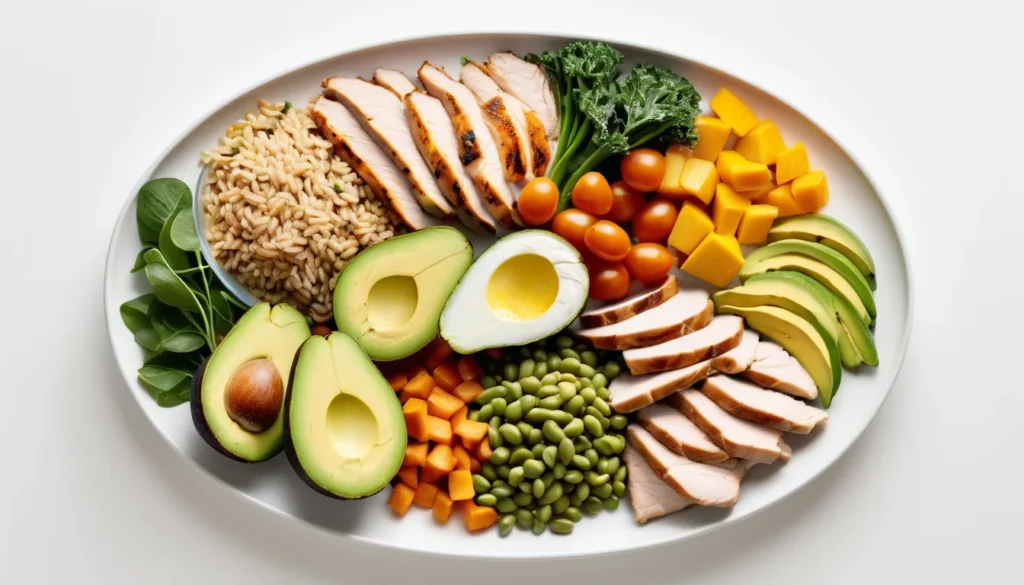
If you want to lose weight without starving yourself, food combining for weight loss may be worth exploring. Instead of cutting out entire food groups, this approach focuses on pairing the right foods together. Done well, it can help you feel fuller for longer — all while keeping your meals nutritious and satisfying. This guide breaks it down in plain language so you can start making smarter choices today.
What Is Food Combining for Weight Loss?
Food combining is the practice of eating certain foods together — and keeping others apart — to support digestion and manage calorie intake. The idea is that some food combinations digest more efficiently than others. When digestion runs smoothly, your body absorbs nutrients better and you feel satisfied longer.
However, food combining is not about strict rules or eliminating foods you love forever. It is about making thoughtful choices at each meal. Over time, these small changes can add up to real, lasting results.
According to Health Canada’s healthy eating guidelines, a balanced diet rich in vegetables, fruits, whole grains, and lean proteins forms the foundation of a healthy weight. Food combining builds on that same foundation.
How to Shop and Prepare Food for Weight Loss
Good eating habits start at the grocery store. What you bring home shapes what you eat all week. Making smarter choices while shopping is one of the easiest ways to support your weight loss goals.
Choose Whole, Fresh Foods First
Fill your cart with fresh fruits, vegetables, low-fat dairy, and lean meats. Frozen fruits and vegetables without added sauces are also a great option — they are just as nutritious as fresh. Whole grains and plain breakfast cereals are good staples to keep on hand as well.
In addition, try to avoid heavily processed foods. These are often low in fibre and nutrients, but high in sodium, sugar, and unhealthy fats. Look for labels that say “reduced sodium,” “low fat,” or “no added sugar” when buying packaged goods.
Cook Smarter at Home
Home-cooked meals give you full control over what goes into your food. This matters a great deal when you are watching your calorie intake. Restaurant and pre-made meals often contain far more fat, salt, and calories than you might expect.
Before cooking meat, trim visible fat and remove the skin. This simple step can cut up to one-third of the calories. Choose steaming, baking, or boiling over frying whenever possible. When baking, unsweetened applesauce can replace some of the fat in recipes — and it keeps baked goods moist and flavourful.
Watch Your Portion Sizes
Even healthy food can lead to weight gain if you eat too much of it. A good rule of thumb is to fill half your plate with fruits and vegetables at every meal. The other half should be split between a protein source and a whole grain.
Think of your main portion of protein as roughly the size of a deck of cards or the palm of your hand. Your grain portion — such as pasta, rice, or low-fat bread — should be about the size of a tennis ball. These visual guides make portion control easy without needing a food scale.
The Best Food Combinations to Try
Not all food combinations are created equal. Some pairings support digestion and keep you full. Others can slow your digestive system down. Here is a simple breakdown of what works well together.
Start with Fruits and Leafy Greens
Fruits digest quickly because they require less breakdown than other foods. For this reason, it is a good idea to eat them first — before your main meal. Raw leafy green vegetables pair well with fruit and are easy on the digestive system.
Furthermore, colourful fruits and vegetables are rich in fibre, phytochemicals, and essential nutrients. Phytochemicals are natural plant compounds that help protect the body from disease and support the immune system. This matters especially when you are cutting calories, since your immune system can be affected by strict diets.
Add Non-Starchy Vegetables Next
After your fruit and greens, move on to lightly cooked non-starchy vegetables. Vegetables from the cabbage family — such as broccoli, cauliflower, and Brussels sprouts — are excellent choices. Asian vegetables like bok choy and snap peas are also great additions.
Starchy vegetables like carrots, potatoes, yams, and corn can be included too. However, try to stick to just one starchy vegetable per meal. This keeps your meal balanced and easier to digest.
Be Mindful of Proteins and Starches Together
This is where food combining gets most interesting. Proteins need acidic enzymes to digest properly. Starches, on the other hand, need alkaline enzymes. When you eat a lot of both at the same time, these enzymes can work against each other.
As a result, some food combining approaches suggest keeping starchy foods and protein-rich foods somewhat separate. For example, enjoy pasta with a leafy green salad rather than a heavy meat sauce. Save your steak for a meal that features salad and non-starchy vegetables on the side.
That said, many traditional meals — like bean dishes — naturally combine starch and protein. Beans are a perfect example: they contain both. The Mayo Clinic’s weight loss basics remind us that overall dietary balance matters more than any single rule. Do not stress over perfection — focus on gradual improvements.
Eat Only One Protein Per Meal
When possible, try to keep your meals to one main protein source. For instance, choose either chicken or fish — not both. This makes it easier for your body to produce the right digestive enzymes in the right amounts.
Leafy greens pair well with protein-rich foods. A simple grilled chicken salad, for example, is both satisfying and easy to digest.
Separate Fats from Proteins
Fats take several hours to digest. Eating large amounts of fat alongside protein at the same meal can slow everything down. Try to keep fat portions moderate when eating protein-heavy meals.
Soaking nuts and seeds in water before eating them makes them easier to digest and increases nutrient availability. Sprouting seeds has a similar benefit. Leafy green salads dressed with olive oil are a great way to enjoy healthy fats without overloading your digestion.
Simple Meal Planning Tips for Weight Loss
Building healthy eating habits does not have to be complicated. A few simple guidelines can help you plan meals that support weight loss and keep your energy steady throughout the day.
Aim for at least three food groups at breakfast, four at lunch and dinner, and two at snack time. The main food groups to keep in mind are grains, fruits, vegetables, dairy, and protein. Do not skip meals — skipping meals often leads to overeating later in the day.
In addition, make sure you get enough sleep. Poor sleep is closely linked to weight gain and increased appetite. Rest is a key part of any healthy weight management plan, yet it is often overlooked.
Try to avoid eating dessert right after a meal. Sugars digest differently than other foods, and mixing them with a full stomach can cause fermentation in the gut, leading to bloating and discomfort. If you want something sweet, wait a while after your meal.
Watermelon is best eaten on its own, not mixed with other foods. It digests very quickly, and combining it with slower-digesting foods can cause digestive upset. Allow at least two hours after eating fruit before your next meal, three hours after a starch-heavy meal, and four hours after a protein- or fat-rich meal.
According to the World Health Organization’s healthy diet fact sheet, reducing free sugars, salt, and unhealthy fats — while increasing fruits, vegetables, and fibre — is one of the most effective strategies for maintaining a healthy weight.
Adding Fibre for Lasting Fullness
Fibre is one of your best friends when it comes to food combining for weight loss. High-fibre foods absorb water in your digestive tract, which helps you feel full for longer. This makes it easier to eat less without feeling deprived.
Add fibre to your diet gradually. Jumping from a low-fibre to a high-fibre diet too quickly can cause bloating and gas. Drink plenty of low-calorie fluids — water is ideal — as you increase your fibre intake. Good sources of fibre include vegetables, fruits, legumes, and whole grains.
When to See a Doctor
Before making major changes to your diet — especially if you have a health condition like diabetes, heart disease, or kidney problems — it is always a good idea to speak with a healthcare provider. Your family doctor is the best starting point. They can help you build a weight loss plan that is safe and right for your specific needs.
If you do not have a family doctor, a walk-in clinic is a convenient option available across most Canadian provinces. A registered dietitian can also provide personalized guidance and is often covered under provincial health plans or employee benefits. Do not rely solely on online information — professional advice makes a real difference.
Frequently Asked Questions
Does food combining for weight loss actually work?
Food combining for weight loss can be a helpful strategy for some people. It encourages mindful eating, reduces processed food intake, and supports better digestion. However, overall calorie balance and food quality still matter most for losing weight.
What foods should I avoid combining when trying to lose weight?
Many food combining approaches suggest keeping starchy foods and high-protein foods somewhat separate, since they require different digestive enzymes. Eating heavy fats alongside proteins in large amounts can also slow digestion. However, small amounts of these combinations are generally fine for most healthy people.
How does fibre help with weight loss?
Fibre absorbs water in your digestive tract and slows digestion, which helps you feel full for longer after eating. Eating more fibre-rich foods — like vegetables, fruits, and whole grains — is one of the most effective and natural ways to reduce overall calorie intake. Add fibre gradually and drink plenty of water to avoid digestive discomfort.
Can I lose weight just by changing how I combine foods?
Food combining alone is unlikely to cause significant weight loss without also paying attention to total calories and food quality. Think of it as one helpful tool among many. Combined with regular physical activity and balanced meals, it can support your overall weight loss efforts.
Is food combining safe for everyone?
For most healthy adults, food combining is a safe and practical approach to eating. However, people with diabetes, digestive disorders, or other health conditions should speak with their family doctor or a registered dietitian before changing their eating habits. In Canada, a registered dietitian can often be accessed through your provincial health plan or a walk-in clinic referral.
What is the best food combination for losing weight quickly?
There is no single “best” combination, but pairing non-starchy vegetables with lean proteins and healthy fats tends to be very effective for managing hunger and supporting weight loss. Starting your meal with fruits and leafy greens is also a great habit. Consistency over time matters far more than any one meal combination.
Key Takeaways
Food combining for weight loss focuses on pairing foods wisely to support digestion and reduce calorie intake.
Fill half your plate with fruits and vegetables at every meal for more fibre and nutrients.
Cook at home using fresh ingredients, and choose steaming, baking, or boiling over frying.
Add fibre gradually and drink plenty of water to support healthy digestion.
Keep protein portions to the size of your palm, and limit starchy sides to about a tennis ball in size.
Do not skip meals, get enough sleep, and avoid large desserts after heavy meals.
Speak with your family doctor or a registered dietitian before making major dietary changes — especially if you have an existing health condition.