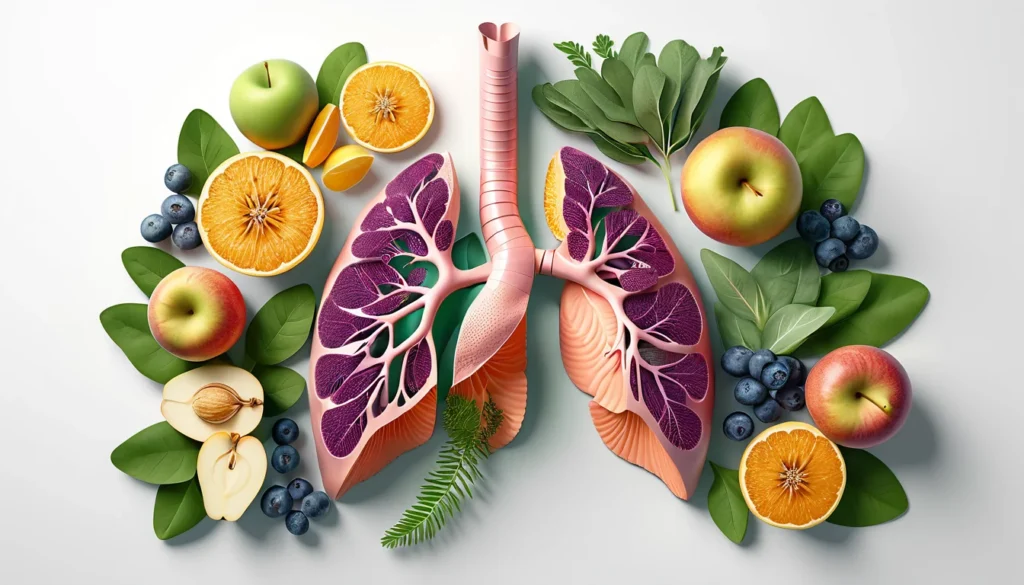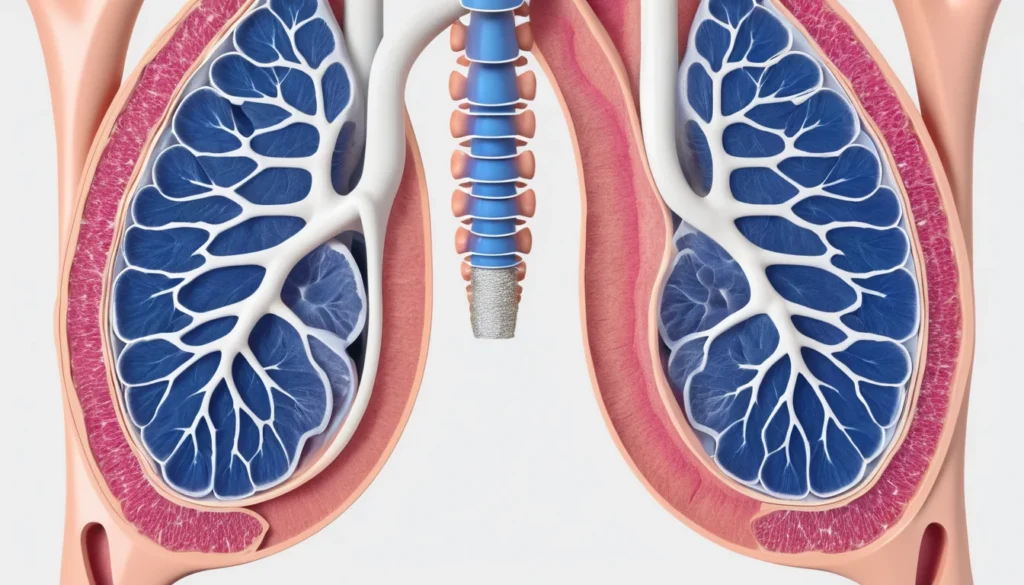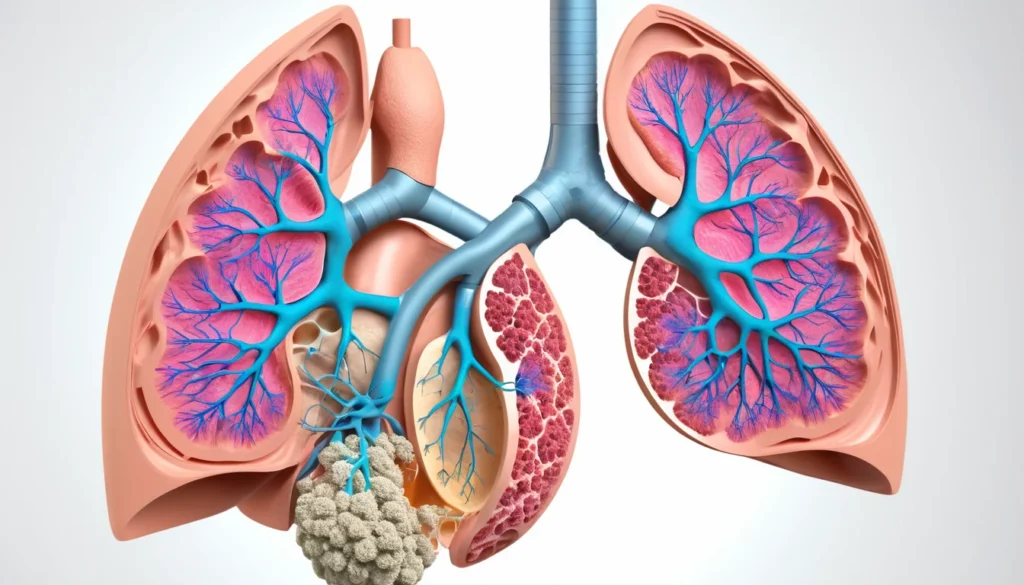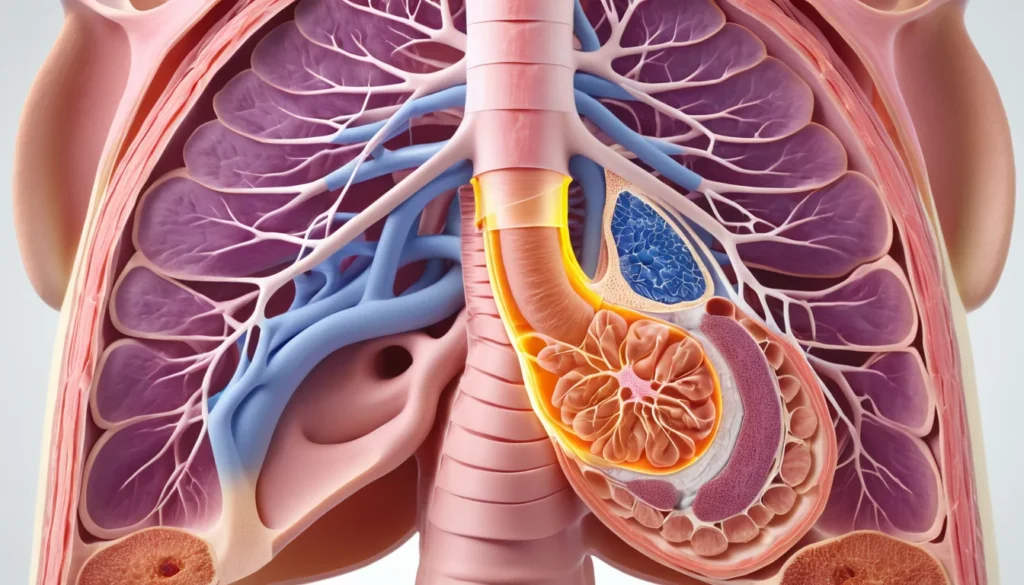
Most people think of hives or stomach pain when they hear the words “food allergy.” However, food allergies and respiratory health are closely connected — and that link is often overlooked. Food sensitivities can trigger or worsen breathing problems like asthma, allergic rhinitis, and nasal polyps. Understanding this connection can help you and your family doctor find answers that conventional treatments may have missed.
What Is Food Hypersensitivity?
Any harmful reaction that happens after eating a food is called food hypersensitivity. It is a broad term that covers two main types of reactions.
The first type is a true food allergy. This happens when your immune system is involved in the reaction. The second type is food intolerance, which does not involve the immune system in the same way.
Food intolerances are actually called non-allergic food hypersensitivities. They usually appear several hours or even days after eating. They are often caused by natural chemicals in food, such as histamine, tyramine, or serotonin. They can also be caused by a lack of certain digestive enzymes, like lactase.
IgE-Mediated Food Allergies Explained
When your immune system produces a specific type of antibody called IgE, the reaction is called an IgE-mediated food allergy. This is the classic type of allergic reaction. It tends to happen quickly — often within minutes of eating the trigger food.
People with a condition called atopy have a genetic tendency to produce IgE antibodies. Atopy means your immune system is prone to overreacting to harmless substances. Common atopic conditions include asthma, eczema, and allergic rhinitis.
According to Health Canada’s guidance on food allergies and intolerances, food allergies affect roughly 2.5 million Canadians. The numbers have been rising steadily in both children and adults.
How Your Immune System Reacts to Food Allergens
When you eat a food you are sensitive to, proteins from that food pass through the lining of your gut or airways. Your immune system sees these proteins as a threat.
IgE antibodies attach themselves to immune cells called mast cells and basophils. These cells travel through your blood and sit in your tissues, sometimes for months. They wait for the same food proteins to appear again.
The Allergic Reaction Process
When you eat the trigger food again, the IgE antibodies recognise it immediately. They pull the allergen onto the surface of the mast cells. This triggers a process called degranulation.
During degranulation, the immune cells release powerful chemicals. The most well-known of these is histamine. Histamine causes the swelling, redness, and irritation you see in an allergic reaction.
This first wave of inflammation happens fast. However, a second, stronger wave follows a few hours later. This second wave involves other immune cells, especially eosinophils, which drive ongoing inflammation in the airways and tissues.
Food Allergies and Respiratory Health: The Direct Link
Food hypersensitivity most often causes skin and digestive symptoms. However, respiratory symptoms are also very common. Understanding the connection between food allergies and respiratory health is important for anyone dealing with hard-to-treat breathing problems.
Respiratory symptoms linked to food allergies include:
Allergic rhinitis — a runny, blocked, or itchy nose
Rhinoconjunctivitis — nasal symptoms combined with itchy, watery eyes
Asthma — wheezing, chest tightness, and shortness of breath
Nasal polyps — soft growths inside the nasal passages
Laryngeal oedema — swelling of the voice box, which is a medical emergency
Middle ear infections (otitis media), especially in children
These symptoms can appear as part of a larger allergic reaction. In rare cases, however, they can show up on their own, without the more obvious skin or gut symptoms. This makes food allergies harder to diagnose as the root cause.
How Food Allergens Enter the Airways
Most people encounter food allergens by swallowing them. However, some allergens can also be inhaled. For example, cooking fish, shellfish, or peanuts releases particles into the air. Breathing these in can trigger a reaction in sensitive individuals.
This is especially relevant in kitchens and food-processing workplaces. Workers exposed to flour dust, for instance, face a well-known occupational risk for developing asthma and rhinitis — a condition commonly called baker’s asthma.
Food Allergies and Respiratory Problems in Children
The link between food allergies and breathing problems is especially strong in young children. Research shows that egg allergy in particular is associated with a higher rate of respiratory allergies. Cow’s milk allergy plays a smaller but still relevant role.
In preschool and school-aged children, there is a documented connection between asthma, allergic rhinitis, and food allergies. Managing the food allergy may help reduce the severity of breathing symptoms. However, this should always be done under the guidance of a doctor or registered dietitian.
As the Mayo Clinic explains in its overview of food allergy symptoms and causes, even small amounts of a trigger food can provoke a serious reaction in highly sensitive children.
Nutritional Risks of Restrictive Diets in Children
Removing foods from a child’s diet can help manage symptoms. However, it also carries risks. Children need a wide range of nutrients to grow and develop properly.
Restrictive diets can lead to deficiencies in vitamins, minerals, and protein. This is why any elimination diet for a child should be supervised by a healthcare provider. A dietitian can help ensure the child still gets all the nutrients they need through safe food choices or supplements.
Food Sensitivities and Respiratory Health in Adults
In adults, food allergies often appear alongside other allergic conditions. Seasonal allergic rhinitis — hay fever — is one of the most common. Adults with hay fever frequently develop what is called oral allergy syndrome.
Oral allergy syndrome happens because certain fresh fruits and vegetables contain proteins that closely resemble pollen. When a person allergic to birch or ragweed pollen eats these foods, their immune system gets confused. This cross-reaction causes tingling or itching of the lips, tongue, palate, and throat. In more serious cases, it can cause local swelling (angioedema) or, rarely, throat swelling.
Alcohol, Food Additives, and Respiratory Symptoms
Certain food additives are known triggers for asthma and rhinitis. The main culprits include:
Glutamates (such as MSG)
Benzoates — preservatives found in many packaged foods
Metabisulphites — found in wine, beer, dried fruit, and some processed foods
People who already have atopic conditions like asthma or eczema tend to react more strongly to these additives. If you notice your breathing gets worse after certain foods or drinks, it is worth discussing this pattern with your doctor.
Alcohol can also be a trigger. Wine and beer in particular contain additives and naturally occurring compounds that may provoke rhinitis or asthma symptoms in sensitive individuals.
Salicylates, Aspirin, and Nasal Polyps
Some people have a specific condition involving rhinitis, nasal polyps, asthma, and sensitivity to aspirin and other non-steroidal anti-inflammatory drugs (NSAIDs). In this group, eating foods naturally high in salicylates can make symptoms worse.
Salicylates are naturally occurring compounds found in many fruits, vegetables, herbs, and spices. If you have this pattern of symptoms, your doctor may recommend a low-salicylate diet as part of your treatment plan.
Why Food Allergy-Related Breathing Problems Are Often Missed
Patients whose respiratory problems are driven by food sensitivities often do not respond well to standard treatments. Inhalers, nasal sprays, and antihistamines may provide only partial relief. This is a clue that diet may be playing a role.
In recent years, researchers have found stronger evidence linking food allergies to chronic inflammatory conditions of both the upper and lower airways. These patients tend to improve when the trigger foods are identified and removed from their diet.
However, it is important not to self-diagnose or cut out entire food groups without guidance. Incorrect elimination diets can cause nutritional problems and may not address the real trigger. A proper allergy assessment is the right first step.
The World Health Organization highlights the global rise in allergic diseases, noting that better understanding of food triggers is a key area of public health focus.
When to See a Doctor
If you or your child has ongoing respiratory symptoms — like a persistently runny nose, frequent wheezing, or recurring ear infections — and they are not fully responding to treatment, speak to your family doctor. Food sensitivity could be a contributing factor.
Your family doctor can refer you to an allergist or clinical immunologist for formal testing. This may include a skin prick test, blood tests for IgE antibodies, or a supervised food challenge. Do not try to diagnose a food allergy on your own.
If you do not have a family doctor, a walk-in clinic is a good starting point. The clinic can assess your symptoms and provide a referral. Most provincial health plans in Canada cover allergy testing when it is medically necessary.
If you experience sudden throat swelling, difficulty breathing, or signs of a severe allergic reaction (anaphylaxis), call 911 immediately. This is a medical emergency.
Always consult your doctor or a qualified healthcare professional before making significant changes to your diet or stopping any prescribed medication.
Frequently Asked Questions
Can food allergies cause asthma or make it worse?
Yes. The connection between food allergies and respiratory health is well established. Certain foods, particularly eggs, peanuts, fish, and shellfish, can trigger or worsen asthma symptoms in sensitive individuals. If your asthma is hard to control, ask your doctor whether a food allergy assessment might help.
What is the difference between a food allergy and food intolerance?
A food allergy involves the immune system and can cause rapid, sometimes severe reactions — including respiratory symptoms. Food intolerance does not involve the same immune response and tends to cause delayed symptoms, usually digestive in nature. Your doctor can help determine which one you have through proper testing.
What foods are most likely to trigger respiratory allergy symptoms?
Common food triggers for respiratory symptoms include peanuts, tree nuts, fish, shellfish, eggs, and cow’s milk. Food additives like sulphites, benzoates, and glutamates can also provoke asthma and rhinitis. Identifying your personal triggers with an allergist is the safest approach.
Is food allergy testing covered by provincial health plans in Canada?
In most Canadian provinces, allergy testing is covered by provincial health insurance when it is deemed medically necessary and referred by a doctor. Coverage details vary by province, so it is best to check with your provincial health authority or family doctor. A referral to an allergist is usually the first step.
What is oral allergy syndrome and how does it affect breathing?
Oral allergy syndrome is a reaction to certain raw fruits and vegetables in people who have seasonal pollen allergies. It causes tingling or itching in the mouth, lips, and throat. In rare cases, it can lead to throat swelling, which can affect breathing and requires immediate medical attention.
Can children outgrow food allergies that cause respiratory symptoms?
Some children do outgrow certain food allergies, particularly to milk and eggs, as their immune systems mature. However, allergies to peanuts, tree nuts, and shellfish tend to be lifelong. Regular follow-up with an allergist is important to reassess your child’s allergies over time and adjust dietary restrictions as needed.
Key Takeaways
Food allergies and respiratory health are closely linked. Food sensitivities can cause or worsen asthma, rhinitis, nasal polyps, and other breathing problems. IgE-mediated reactions are the classic immune-driven food allergy. They cause fast reactions by releasing histamine and other chemicals from immune cells. Food intolerances are different from allergies. They do not involve the immune system in the same way and usually cause delayed, digestive symptoms. Children with egg or milk allergies have a higher risk of developing respiratory allergies. Nutritional care is essential if foods are removed from a child’s diet. Food additives like sulphites, benzoates, and glutamates can trigger asthma and rhinitis, especially in people who already have atopic conditions. Oral allergy syndrome is common in adults with seasonal allergies and can cause mouth and throat symptoms when eating certain raw fruits and vegetables. See your family doctor or visit a walk-in clinic if your respiratory symptoms are not improving. A referral to an allergist can identify food triggers and guide a safe treatment plan.