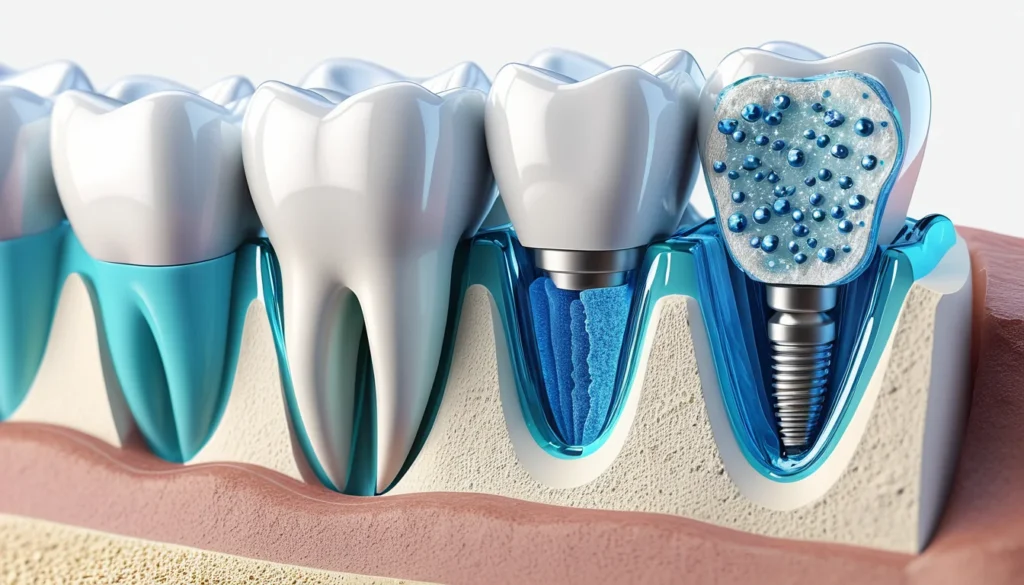
Fluoride and cavity prevention go hand in hand. Fluoride is one of the most studied and trusted tools in dentistry for protecting teeth against decay. Whether it comes from your tap water, toothpaste, or a treatment at your dentist’s office, fluoride works quietly every day to keep your teeth strong. This article explains how fluoride works, how much is safe, and what Canadians can do to get the most benefit for their families.
How Fluoride Helps Prevent Cavities
Every day, the bacteria in your mouth feed on sugars and produce acids. These acids attack the outer layer of your teeth, called enamel. Over time, this process — called demineralisation — weakens enamel and leads to cavities.
Fluoride helps reverse this process. It encourages remineralisation, which means it helps rebuild weakened enamel before a cavity has a chance to fully form. Think of it as patching small cracks in a road before they become potholes.
Fluoride also makes the newly rebuilt enamel harder and more resistant to future acid attacks. Furthermore, it can slow down the bacteria themselves by reducing how much acid they produce in dental plaque. As a result, your teeth become better at defending themselves over time.
It is worth noting that fluoride works best on smooth tooth surfaces. It is less effective in the deep grooves and pits of your back teeth, which is why dental sealants are often recommended alongside fluoride treatments for children.
Fluoride and Cavity Prevention: Systemic vs. Local Sources
Fluoride reaches your teeth in two main ways: systemically (through what you swallow) and locally (through direct contact with your teeth). Both approaches support fluoride and cavity prevention, and they often work together.
Systemic Sources of Fluoride
Systemic fluoride enters the body through food, drink, and supplements. It plays a larger role during childhood, when teeth are still developing beneath the gums. Sources include:
Fluoridated water: Many Canadian municipalities add fluoride to the public water supply at a concentration of about 0.7 milligrams per litre. Health Canada recommends this level as safe and effective for reducing tooth decay across all age groups.
Fluoride tablets or drops: A dentist or family doctor may recommend these for children who do not have access to fluoridated water.
Fluoridated salt and milk: These are used in some countries and communities as alternative delivery methods, though they are less common in Canada.
If your home uses a well or a private water source, it is a good idea to have your water tested. Your local public health unit can often help with this. If fluoride levels are low, your family doctor or dentist may suggest a supplement.
Local Sources of Fluoride
Local fluoride works by coming into direct contact with the surface of your teeth. This is considered the most important route for cavity prevention in adults and older children. Common local sources include:
Fluoride toothpaste: This is the single most important fluoride source for most Canadians. Toothpaste delivers fluoride directly to the enamel while you brush. It also helps clean and polish teeth. Most toothpastes contain sodium monofluorophosphate or sodium fluoride as the active ingredient.
Fluoride mouth rinse: These rinses are available over the counter and are suitable for children aged seven and older. Rinses used daily typically contain 0.05% fluoride, while weekly rinses contain 0.2%.
Professional fluoride treatments: Your dentist can apply concentrated fluoride gels, foams, or varnishes directly to your teeth. These treatments are especially useful for people who are at higher risk of cavities.
For most people, the combination of fluoridated water and fluoride toothpaste provides excellent protection. However, your dentist may recommend additional local fluoride if you have a history of frequent cavities or certain health conditions.
Is Fluoride Safe? Understanding the Facts
Fluoride is safe when used at recommended levels. Like many substances — including vitamins and minerals — it can cause harm only when consumed in very large amounts over a long period of time. At the concentrations found in Canadian tap water and toothpaste, fluoride poses no health risk to the general public.
The World Health Organization confirms that fluoride is safe and effective at the levels used in community water fluoridation programmes worldwide.
What Is Dental Fluorosis?
One possible side effect of too much fluoride during childhood is called dental fluorosis. This happens when children are exposed to excess fluoride while their adult teeth are still forming under the gums, usually before age eight.
Mild fluorosis looks like faint white spots or streaks on the teeth. In more severe cases — which are rare in Canada — it can cause pitting or brown discolouration. Severe fluorosis is most often seen in areas where naturally occurring fluoride in well water is very high.
To reduce the risk of fluorosis in young children, keep these tips in mind:
Use only a rice-grain-sized amount of fluoride toothpaste for children under three.
Use a pea-sized amount for children aged three to six.
Teach children to spit out toothpaste rather than swallow it.
Do not give fluoride supplements if your water supply is already fluoridated.
Fluoride Toxicity: A Rare but Real Concern
Acute fluoride poisoning is extremely rare in everyday life. It would require swallowing a very large amount of fluoride at once — far more than you would ever encounter in toothpaste or drinking water.
If you ever suspect someone has swallowed a large amount of fluoride — for example, from an industrial product — call Poison Control Canada at 1-800-268-9017 immediately. Do not wait for symptoms to appear. Drinking milk can help in mild cases because calcium binds to fluoride in the stomach. Severe cases require emergency medical attention.
Fluoride Toothpaste: Getting the Most Out of Every Brush
Fluoride toothpaste is the cornerstone of fluoride and cavity prevention for Canadians of all ages. It is affordable, widely available, and easy to use correctly.
Modern toothpastes contain more than just fluoride. They also include mild abrasives to remove plaque and surface stains, detergents to create foam and lift debris, humectants to keep the paste from drying out, and flavouring to make brushing more pleasant. Some toothpastes also contain added ingredients such as:
Pyrophosphate: Helps reduce tartar buildup.
Potassium nitrate or strontium chloride: Reduces sensitivity in people with sensitive teeth.
Triclosan or stannous fluoride: Provides additional antibacterial action to help control plaque.
Stannous fluoride, in particular, has attracted growing interest among dental researchers. In addition to preventing cavities, it may have a stronger effect on reducing plaque than sodium fluoride. Ask your dentist whether a stannous fluoride toothpaste might be right for you.
For best results, brush twice a day and avoid rinsing your mouth with water immediately after brushing. Leaving a thin layer of toothpaste on your teeth allows fluoride to continue working after you put the brush down.
Fluoride for Children: Special Considerations
Children benefit greatly from fluoride, but the approach changes as they grow. During the years when adult teeth are forming, systemic fluoride helps build stronger enamel from the inside out. Once those teeth have erupted, local fluoride becomes the priority.
In areas where the water supply contains less than 0.7 ppm of fluoride, dentists or family doctors may recommend fluoride supplements until a child begins regularly using fluoride toothpaste. However, once a child is brushing consistently with fluoride toothpaste, additional systemic supplementation is usually not needed.
Children who are prone to cavities — or who have other health conditions that affect their teeth or saliva — may benefit from extra fluoride protection. In these cases, the advantages of additional fluoride clearly outweigh the small risk of mild fluorosis.
If your water supply contains more than 0.7 ppm of fluoride naturally, do not give children additional fluoride supplements. Your dentist or public health unit can tell you the fluoride level in your local water.
When to See a Doctor or Dentist
Most Canadians can manage their fluoride intake safely at home through toothpaste and fluoridated tap water. However, there are times when it makes sense to speak with a professional.
Visit your family doctor or walk-in clinic if you are concerned about fluoride levels in your well water, or if you want advice about supplements for a young child. Your family doctor can refer you to a dentist or public health nurse who specialises in children’s oral health.
See your dentist if you notice white spots forming on your child’s teeth, if you or a family member seems to be getting cavities frequently despite good brushing habits, or if you want a professional fluoride treatment. Many provincial health plans cover regular dental check-ups and fluoride treatments for children — check with your province’s health programme to find out what is included in your coverage.
As a general rule, adults should see a dentist at least once a year, and children every six months. The Mayo Clinic recommends regular dental visits as part of a complete approach to oral health. Always consult your dentist or healthcare provider before starting any new dental supplement or treatment.
Frequently Asked Questions About Fluoride and Cavity Prevention
Does fluoride actually prevent cavities?
Yes. Fluoride and cavity prevention are strongly linked by decades of research. Fluoride strengthens tooth enamel, helps repair early decay through remineralisation, and reduces the ability of bacteria to produce acids in the mouth. Community water fluoridation alone has been shown to reduce cavities by up to 50%.
Is fluoride in drinking water safe for my family?
Yes. Health Canada and the World Health Organization both confirm that fluoride at 0.7 mg per litre — the level used in Canadian municipal water — is safe for people of all ages. This concentration is carefully monitored and poses no known health risk when consumed as part of a normal diet.
How much fluoride toothpaste should my child use?
For children under three, use a rice-grain-sized smear of fluoride toothpaste. For children aged three to six, use a pea-sized amount. Always supervise young children while brushing and teach them to spit out the toothpaste rather than swallow it to minimise fluoride intake.
What is dental fluorosis and should I be worried?
Dental fluorosis is a cosmetic condition caused by too much fluoride exposure during early childhood, while adult teeth are still forming. In Canada, it most commonly appears as faint white spots and is considered mild. Severe fluorosis is rare and is typically associated with areas that have very high natural fluoride levels in well water.
Should my child take fluoride supplements?
Fluoride supplements may be recommended for children who do not have access to fluoridated tap water and who are at higher risk of cavities. However, supplements are not needed if your water supply is already fluoridated at 0.7 ppm or higher. Always check with your family doctor or dentist before giving your child a fluoride supplement.
Is fluoride mouth rinse safe for kids?
Fluoride mouth rinse is generally safe for children aged seven and older, as they are old enough to spit it out reliably without swallowing. It is not recommended for younger children. For children with a high cavity rate, a daily 0.05% fluoride rinse used alongside fluoride toothpaste can provide meaningful extra protection.
Key Takeaways
Fluoride and cavity prevention are directly connected. Fluoride rebuilds weakened enamel and makes teeth more resistant to acid attacks.
Fluoride works both systemically (through water and supplements) and locally (through toothpaste, rinses, and professional treatments).
Fluoridated tap water at 0.7 mg per litre is safe and effective. It remains the most efficient and equitable method of delivering fluoride to Canadians.
Fluoride toothpaste is the most important daily tool for cavity prevention. Use the right amount for your child’s age and teach them to spit, not swallow.
Dental fluorosis is usually mild and cosmetic. You can reduce the risk by using the correct amount of toothpaste and not giving supplements when tap water is already fluoridated.
If you have concerns about fluoride for yourself or your child, speak with your family doctor, walk-in clinic, or dentist. Many provincial health programmes cover dental check-ups and fluoride treatments for children.
Always consult a qualified healthcare provider before making changes to your family’s dental health routine.