Getting your first period is one of the biggest changes in a young girl’s life. It usually happens around age 12, but it can start as early as age 9. This guide explains what to expect, how to manage symptoms, and how your menstrual cycle works. If you ever have questions or concerns, your family doctor or a walk-in clinic is always a great place to start.
What Is Your First Period?
Your first period is called menarche (say: MEN-ar-kee). It marks the beginning of your reproductive years. It is a normal and healthy part of growing up.
Around the same time as your first period, your body goes through other changes too. Your breasts develop, pubic and underarm hair grows, and your hips widen. These are all signs that your body is maturing.
It is important to know that once your first period begins, pregnancy becomes possible. In fact, pregnancy can occur even in the month before your first period arrives, because ovulation happens first. Talking openly with a trusted adult about sexual health is an important step at this stage.
Signs Your First Period Is Coming
In the days before your first period, you may notice several changes in your body. These early signs can help you feel more prepared.
Common signs include:
Bloating or a feeling of fullness in your belly
Emotional ups and downs, such as feeling irritable or anxious
Tender or sore breasts
Mild acne breakouts
Lower back pain or cramps in your belly or legs
These symptoms are caused by hormonal shifts in your body. They are completely normal and usually ease once bleeding begins.
What Does the Bleeding Look Like?
At first, you may notice a small spot of blood on your underwear or when you use the washroom. The colour of the blood can be brown at the start. It may then turn bright red as the flow increases.
The flow is usually light at the beginning, gets heavier in the middle, and then lightens again toward the end. A typical period lasts between 3 and 7 days.
How to Manage Your Period
There are several products available to help you manage your first period and all the ones that follow. Choosing the right product is a personal decision, and it may take some trial and error to find what works best for you.
Period Products to Know About
Pads (also called external pads or sanitary napkins) stick to the inside of your underwear and absorb blood. They are a popular choice for beginners and come in different sizes and absorbencies.
Tampons are inserted into the vagina and are helpful during swimming or other physical activities. Many young people start with pads and try tampons once they feel more comfortable.
Period underwear and menstrual cups are also available in most Canadian pharmacies. These are reusable options that are more eco-friendly. Talk to your mum, an older sister, a school nurse, or your family doctor if you need help choosing.
No matter which product you use, change it regularly to stay comfortable and prevent odour. Always follow the product instructions for how long to wear it safely.
Dealing With Cramps
Period cramps are very common and can range from mild to quite uncomfortable. However, there are many ways to find relief.
Try these approaches:
Apply a warm heating pad or hot water bottle to your lower belly
Take a warm bath
Do gentle exercise, like walking or stretching
Take an over-the-counter anti-inflammatory medicine, such as ibuprofen (Advil) or naproxen (Aleve)
Important: Do not give aspirin to anyone under 20 years old. Aspirin is linked to a rare but serious condition called Reye’s syndrome, which affects the brain and liver. If cramps are very painful and do not respond to these methods, speak with your family doctor about other options.
Understanding Your Menstrual Cycle
Your menstrual cycle is counted from the first day of one period to the first day of the next. A normal cycle is anywhere from 21 to 35 days long. Most commonly, it falls between 25 and 30 days.
In the first one to two years after your first period, your cycle may be irregular. This means your period might come early, late, or sometimes skip a month entirely. This is very normal while your hormones are still settling.
According to Health Canada’s guidance on adolescent development, irregular cycles are especially common in the first year or two after menarche.
What Affects Your Cycle?
Several factors can make your cycle harder to predict. These include:
Being underweight due to strict dieting or heavy exercise
Being overweight
High levels of stress
Illness
If your period is consistently missing or very irregular after two years, talk to your family doctor. There may be an underlying reason worth checking out.
Ovulation and How It Works
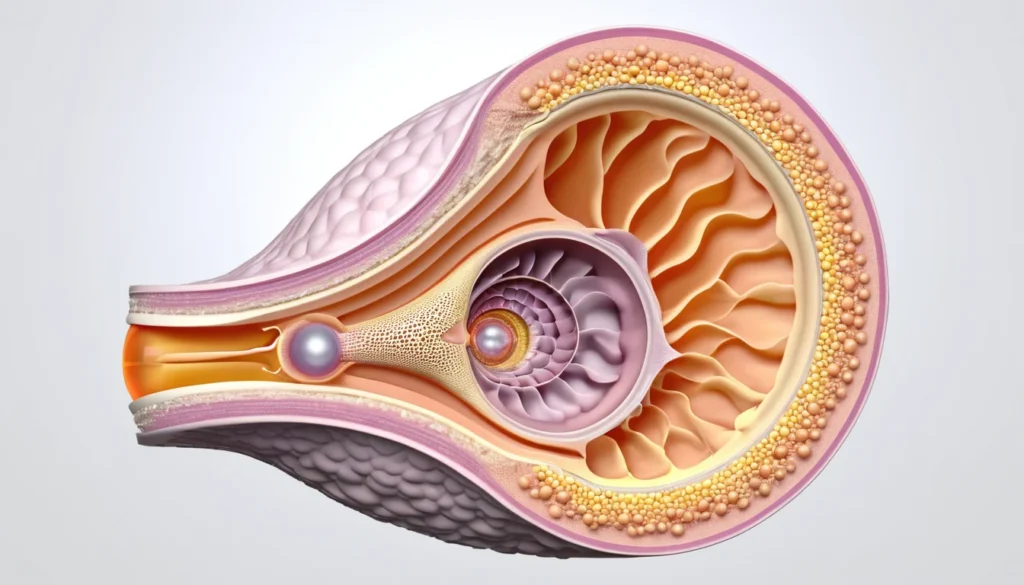
About halfway through your cycle, your body releases an egg from one of your ovaries. This is called ovulation. Around this time, you may notice a small amount of clear or whitish discharge, or even a tiny spot of blood in your underwear.
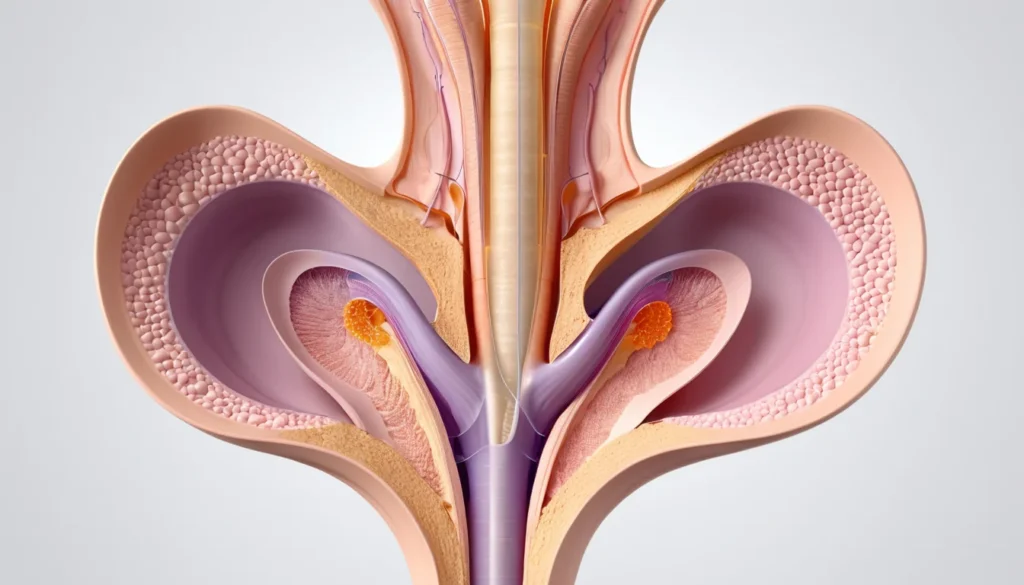
The egg can be fertilised by sperm during a window of about six days — the five days before ovulation and the day of ovulation itself. If fertilised, the egg travels to the uterus (a pear-shaped organ in your lower belly) and attaches to its lining. If the egg is not fertilised, the uterine lining sheds. That shedding is your period.
For more detail on how the menstrual cycle works, the Mayo Clinic’s guide to the menstrual cycle is an excellent resource.
Pregnancy: Facts Every Young Person Should Know
Once your first period has arrived, pregnancy is possible whenever you have unprotected sex. This is true regardless of your age, the position you are in, or what time of the month it is — though the risk is higher around ovulation.
It can be hard to predict your exact day of ovulation, especially if your cycle is irregular. For this reason, relying on timing alone to avoid pregnancy is not a reliable method.
Common Myths About Sex and Pregnancy
There is a lot of misinformation out there. Here are some myths — and the real facts:
Myth: You cannot get pregnant the first time you have sex. Fact: Pregnancy is possible from the very first time.
Myth: You cannot get pregnant if you are very young. Fact: Pregnancy can happen as soon as menarche occurs — or even just before.
Myth: Standing up during sex prevents pregnancy. Fact: Body position has no effect on the risk of pregnancy.
Myth: You cannot get pregnant during your period. Fact: It is unlikely, but possible — especially if your cycle is shorter than 28 days.
Myth: Having sex in a hot tub prevents pregnancy. Fact: Water temperature does not affect whether sperm can fertilise an egg.
Do not rely on friends for information about pregnancy and sexual health. Speak with your family doctor, a nurse practitioner, or a gynaecologist. They can explain your options for preventing unwanted pregnancy and sexually transmitted infections (STIs) without judgement.
The World Health Organization’s fact sheet on adolescent pregnancy also has helpful information for young people and their families.
Tracking Your Period
Keeping a simple period diary is one of the most useful habits you can build. Write down the date your period starts each month. Over time, this helps you predict when your next period will arrive.
Many free apps are available on Canadian phones that can do this tracking for you. However, a small notebook works just as well. Bring this information with you when you visit your family doctor — it gives them a clearer picture of your health.
When to See a Doctor
Most experiences with your first period are completely normal. However, there are times when it is a good idea to check in with a healthcare provider. In Canada, your family doctor, a walk-in clinic, or a nurse practitioner are all great options.
See a doctor if you experience any of the following:
No period by age 15
Periods that are still very irregular after two years
Very heavy bleeding (soaking through a pad or tampon every hour for several hours)
Severe cramps that do not improve with over-the-counter medication
Periods that last longer than 7 days
Sudden stopping of periods after they have been regular
Signs of pregnancy, such as a missed period after sexual activity
You do not need a referral to visit a walk-in clinic in most provinces. Many provincial health plans also cover visits to your family doctor for these concerns at no cost. Do not hesitate to reach out — there is no such thing as a silly question when it comes to your health.
Frequently Asked Questions About Your First Period
What is the average age for a first period in Canada?
The average age for a first period in Canada is around 12 years old. However, it is completely normal for it to start anywhere between ages 9 and 15. If your period has not started by age 15, talk to your family doctor.
How long does a first period last?
A first period typically lasts between 3 and 7 days. The flow may be very light at first, which is normal. Future periods may be slightly different in length and flow as your body settles into a regular cycle.
Is it normal to have irregular periods after your first period?
Yes, irregular periods are very common in the first one to two years after your first period. Your hormones are still adjusting, so your cycle may vary quite a bit. If irregularity continues beyond two years, speak with your family doctor.
Can you get pregnant right after your first period?
Yes, pregnancy is possible shortly after — or even just before — your first period, because ovulation happens before menstruation begins. Once menarche occurs, unprotected sex can lead to pregnancy. Talk to a doctor or nurse practitioner about contraception options if needed.
What helps with period cramps for the first time?
For a painful first period, try placing a warm heating pad on your lower belly, taking a warm bath, or doing light exercise. Over-the-counter medicines like ibuprofen or naproxen can also help. Never give aspirin to anyone under 20 years old.
What period products are best for beginners?
Most beginners find pads (sanitary napkins) easiest to use when dealing with their first period. They are simple to apply and come in many sizes. As you become more comfortable, you may want to try tampons, a menstrual cup, or period underwear — all widely available at Canadian pharmacies.
Key Takeaways
Your first period, or menarche, usually arrives around age 12, but anywhere between 9 and 15 is normal.
Common symptoms include bloating, cramps, breast tenderness, and mood changes.
Periods last 3 to 7 days, and the menstrual cycle is typically 21 to 35 days long.
Irregular cycles are normal in the first one to two years after menarche.
Pregnancy is possible as soon as ovulation begins — even before your first period arrives.
Do not use aspirin for cramps if you are under 20. Use ibuprofen or naproxen instead.
Track your periods each month — this information is very helpful for your doctor.
Your family doctor, walk-in clinic, or nurse practitioner can answer any questions and provide personalised advice. Always consult a healthcare provider for concerns about your health.