Fibrosis is a condition where the body produces too much scar tissue, causing organs and other tissues to thicken and stiffen over time. It can affect almost any part of the body, including the lungs, liver, kidneys, and heart. For many Canadians, fibrosis develops slowly and may go unnoticed until symptoms become serious. This article explains what fibrosis is, what causes it, how it is diagnosed, and what treatment options are available through the Canadian healthcare system.
What Is Fibrosis?
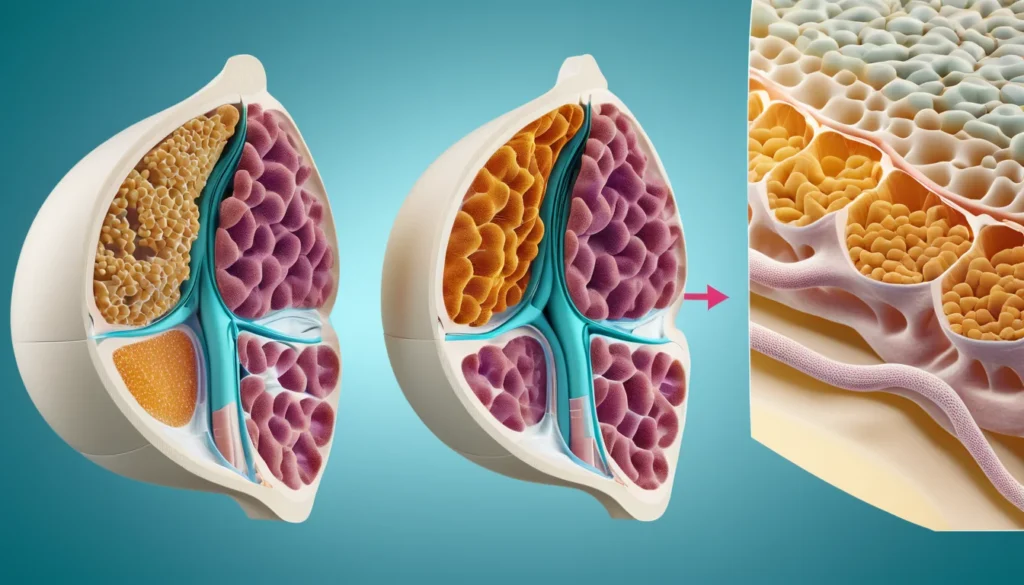
Fibrosis occurs when the body’s normal healing process goes into overdrive. When tissue is damaged — by injury, infection, or disease — the body responds by building connective tissue to repair the area. However, in fibrosis, this repair process does not stop when it should.
As a result, excess fibrous tissue builds up and replaces healthy tissue. Over time, this makes the affected area rigid and unable to function properly. Think of it like a scar that keeps growing even after a wound has healed.
Fibrosis is not a single disease. It is a process that can happen in many different organs. The most common forms include pulmonary fibrosis (lungs), liver fibrosis, cardiac fibrosis (heart), and renal fibrosis (kidneys). Each type has its own causes, symptoms, and treatment approaches.
Common Types of Fibrosis
Understanding the different types of fibrosis helps explain why this condition can look so different from person to person. Some forms progress quickly, while others develop over many years.
Pulmonary Fibrosis
Pulmonary fibrosis affects the lungs. Scar tissue builds up inside the lungs, making it harder to breathe. Mayo Clinic describes pulmonary fibrosis as a serious lung disease that worsens over time. Idiopathic pulmonary fibrosis (IPF) is the most common form, meaning doctors cannot identify a clear cause.
Liver Fibrosis
Liver fibrosis happens when scar tissue replaces healthy liver cells. It is often caused by long-term liver damage from alcohol use, hepatitis B or C, or non-alcoholic fatty liver disease. If left untreated, liver fibrosis can progress to cirrhosis, a more severe and potentially life-threatening condition.
Cardiac Fibrosis
Cardiac fibrosis affects the heart muscle. It can result from a heart attack, high blood pressure, or other forms of heart disease. As the heart muscle stiffens, the heart has to work harder to pump blood effectively. This increases the risk of heart failure over time.
Renal Fibrosis
Renal fibrosis affects the kidneys. It is a common result of chronic kidney disease and can lead to kidney failure if not managed carefully. Furthermore, diabetes and high blood pressure are leading causes of renal fibrosis in Canada.
Cystic Fibrosis
Cystic fibrosis is a genetic condition that affects the lungs and digestive system. It causes thick, sticky mucus to build up in the body. Unlike other forms of fibrosis, cystic fibrosis is inherited and is typically diagnosed in childhood. Health Canada supports ongoing research and programmes to help Canadians living with cystic fibrosis.
What Causes Fibrosis?
Fibrosis does not have a single cause. Instead, it results from repeated or long-term damage to tissues and organs. The body’s immune system plays a key role in this process.
When damage occurs, the body activates cells called fibroblasts. These cells produce collagen, a protein that forms the structure of connective tissue. In fibrosis, fibroblasts become overactive and produce far too much collagen. As a result, healthy tissue gets replaced by stiff, fibrous material.
Common triggers of fibrosis include:
Chronic infections, such as hepatitis B or C
Long-term exposure to toxins, such as cigarette smoke or industrial chemicals
Autoimmune diseases, where the immune system attacks the body’s own tissues
Repeated injury or inflammation in the same area
Certain medications taken over a long period
Genetic factors, particularly in cystic fibrosis
Lifestyle factors such as heavy alcohol use
In some cases, doctors cannot find a clear cause. This is known as idiopathic fibrosis, and it is particularly common in lung disease.
Recognising the Symptoms of Fibrosis
The symptoms of fibrosis depend on which organ is affected. In many cases, fibrosis develops slowly and quietly. People may not notice anything wrong until the condition has already progressed significantly.
However, there are some general warning signs that may suggest fibrosis is developing. Knowing these signs can help Canadians seek care earlier.
Symptoms of Pulmonary Fibrosis
Shortness of breath, especially during physical activity
A dry, persistent cough that does not go away
Fatigue and weakness
Unexplained weight loss
Aching muscles and joints
Clubbing of the fingertips (widening and rounding of the tips of the fingers)
Symptoms of Liver Fibrosis
Fatigue and low energy
Swelling in the abdomen
Yellowing of the skin or eyes (jaundice) in later stages
Easy bruising or bleeding
Loss of appetite
Symptoms of Cardiac Fibrosis
Shortness of breath during daily activities
Swelling in the legs or ankles
Irregular heartbeat
Fatigue and dizziness
In addition, many people with early fibrosis feel completely normal. This is why regular check-ups with your family doctor are so important. Early detection gives you the best chance of slowing the disease’s progress.
How Is Fibrosis Diagnosed?
Diagnosing fibrosis usually requires a combination of tests. Your family doctor will start by reviewing your medical history and performing a physical examination. They may then refer you to a specialist depending on which organ is involved.
Common diagnostic tools include:
Blood tests: These can reveal signs of liver damage, inflammation, or organ dysfunction.
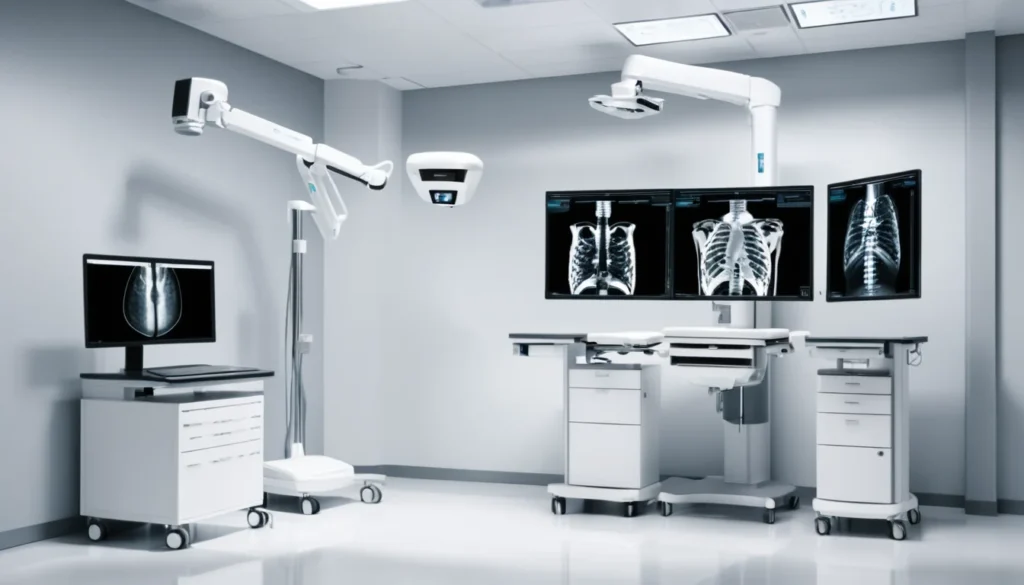
Imaging tests: X-rays, CT scans, and MRI scans help doctors see changes in organ structure and detect areas of scarring.
Pulmonary function tests: These breathing tests measure how well the lungs are working.
Biopsy: In some cases, a small sample of tissue is taken and examined under a microscope. This is the most definitive way to confirm fibrosis.
Echocardiogram: This ultrasound of the heart helps detect cardiac fibrosis.
Liver elastography: A special ultrasound that measures liver stiffness, which is a sign of fibrosis.
Therefore, early diagnosis is critical. The sooner fibrosis is identified, the more treatment options are available. If you have risk factors or ongoing symptoms, do not wait — speak to your family doctor or visit a walk-in clinic.
Treatment Options for Fibrosis in Canada
There is currently no cure for most forms of fibrosis. However, treatment can slow its progression, manage symptoms, and improve quality of life. The right treatment plan depends on the type and severity of fibrosis, as well as your overall health.
Medications
Several medications can help slow the progression of fibrosis. For pulmonary fibrosis, doctors may prescribe anti-fibrotic drugs such as pirfenidone or nintedanib. These are available in Canada and may be covered by provincial drug benefit programmes, depending on your province.
For liver fibrosis caused by hepatitis, antiviral medications can stop the infection and allow some liver healing. Corticosteroids and immunosuppressants are sometimes used when an autoimmune condition is the underlying cause.
Lifestyle Changes
Lifestyle changes play a powerful role in managing fibrosis. For example, quitting smoking is one of the most important steps for people with pulmonary fibrosis. Reducing alcohol intake is essential for those with liver fibrosis.
Regular, gentle exercise can help maintain lung and heart function. A healthy, balanced diet rich in fibre, fruits, and vegetables supports overall organ health. Your healthcare team can connect you with a registered dietitian or physiotherapist through your provincial health plan.
Oxygen Therapy
People with advanced pulmonary fibrosis may need supplemental oxygen to help them breathe comfortably. Oxygen therapy can be provided at home through equipment covered or subsidised by provincial health programmes in many parts of Canada.
Pulmonary Rehabilitation
Pulmonary rehabilitation is a structured programme that combines exercise training, education, and support for people with lung conditions. It can significantly improve quality of life for those living with pulmonary fibrosis. Ask your family doctor for a referral to a pulmonary rehabilitation centre near you.
Organ Transplant
In severe cases where organ function has declined significantly, a transplant may be considered. Lung and liver transplants are performed at major transplant centres across Canada. However, transplants are complex procedures and not suitable for everyone. Your specialist will discuss all available options with you.
The World Health Organization provides global guidance on chronic respiratory diseases, including fibrosis-related conditions, and supports research into better treatment options worldwide.
When to See a Doctor
You should speak to a healthcare provider if you notice any symptoms that could suggest fibrosis. Do not dismiss persistent breathlessness, unexplained fatigue, or changes in your skin colour as “just getting older.”
Visit your family doctor or a walk-in clinic if you experience:
A cough that lasts more than three weeks and is not linked to a cold
Increasing shortness of breath during everyday activities
Swelling in your abdomen, legs, or ankles
Unexplained weight loss
Fatigue that does not improve with rest
Jaundice (yellowing of the skin or whites of the eyes)
If you have a known risk factor — such as a family history of fibrosis, a chronic infection, or long-term exposure to lung irritants — talk to your doctor about regular monitoring. Catching fibrosis early makes a real difference.
As always, this article is for general information purposes only. Please consult your family doctor or a qualified healthcare professional for personalised medical advice, diagnosis, or treatment.
Frequently Asked Questions About Fibrosis
Is fibrosis a serious condition?
Yes, fibrosis can be a serious and progressive condition. Because fibrosis causes healthy tissue to be replaced by scar tissue, affected organs gradually lose their ability to function properly. However, with early diagnosis and the right treatment, many people are able to slow the progression of fibrosis and maintain a good quality of life.
Can fibrosis be reversed or cured?
In most cases, fibrosis cannot be fully reversed or cured. However, some early-stage liver fibrosis may improve if the underlying cause — such as alcohol use or a hepatitis infection — is effectively treated. For other types of fibrosis, current treatments focus on slowing progression and managing symptoms rather than reversing the damage.
What is the difference between fibrosis and cirrhosis?
Fibrosis and cirrhosis are related but different conditions. Liver fibrosis refers to the early buildup of scar tissue in the liver. Cirrhosis is an advanced stage of liver fibrosis, where extensive scarring has severely disrupted the liver’s normal structure and function. Cirrhosis is more difficult to manage and carries a higher risk of serious complications.
What triggers fibrosis in the body?
Fibrosis is triggered when the body’s repair response becomes overactive after repeated or long-term tissue damage. Common triggers include chronic infections, autoimmune diseases, long-term toxin exposure (such as cigarette smoke), and certain medications. In some people, fibrosis develops without a clear identifiable cause, which is known as idiopathic fibrosis.
Is fibrosis covered by provincial health plans in Canada?
Diagnosis and most medical treatments for fibrosis are covered under provincial health plans in Canada, though coverage details vary by province. Some anti-fibrotic medications and specialised programmes may require additional applications through provincial drug benefit programmes. Your family doctor or specialist can help you navigate the options available in your province.
How is pulmonary fibrosis different from cystic fibrosis?
Pulmonary fibrosis and cystic fibrosis are two very different conditions, even though both affect the lungs. Pulmonary fibrosis involves scarring of lung tissue, usually in adults, and can develop due to various environmental or unknown causes. Cystic fibrosis, on the other hand, is a genetic condition present from birth that causes thick mucus to build up in the lungs and digestive system.
Key Takeaways
Fibrosis is the abnormal buildup of scar tissue that replaces healthy tissue in organs throughout the body