A fever is one of the most common health concerns Canadians deal with at some point in their lives. It happens when your body temperature rises above its normal level — usually as a sign that your immune system is fighting something off. Understanding what a fever means, how to measure it properly, and when to seek help can make a real difference in how you respond.
What Is a Fever?
A fever is not a disease on its own. It is your body’s natural response to illness. When your immune system detects a threat — such as a bacterial or viral infection — it raises your internal temperature to help fight it off.
Your body normally keeps its temperature around 37°C. A fever occurs when that temperature climbs roughly 1–2°C above your body’s normal set point. This shift is controlled by a part of the brain called the hypothalamus.
It is important to know that a fever is different from hyperthermia. Hyperthermia happens when the body overheats due to outside factors — like heat exhaustion — rather than an immune response. With a true fever, the body is deliberately raising its own temperature.
Common Fever Symptoms
When a fever sets in, you may notice several changes in how you feel. These symptoms happen because your body is working hard to reach a new, higher temperature set point.
Common signs of a fever include:
Feeling cold or having chills, even as your temperature rises
Increased heart rate
Muscle tension or shivering
Fatigue and low energy
Poor appetite
Difficulty concentrating
Increased sensitivity to pain
Drowsiness or general feeling of being unwell
These symptoms are your body’s way of generating and holding in heat. As a result, shivering and goosebumps are actually your muscles and skin helping raise your temperature faster.
How to Measure Body Temperature Correctly
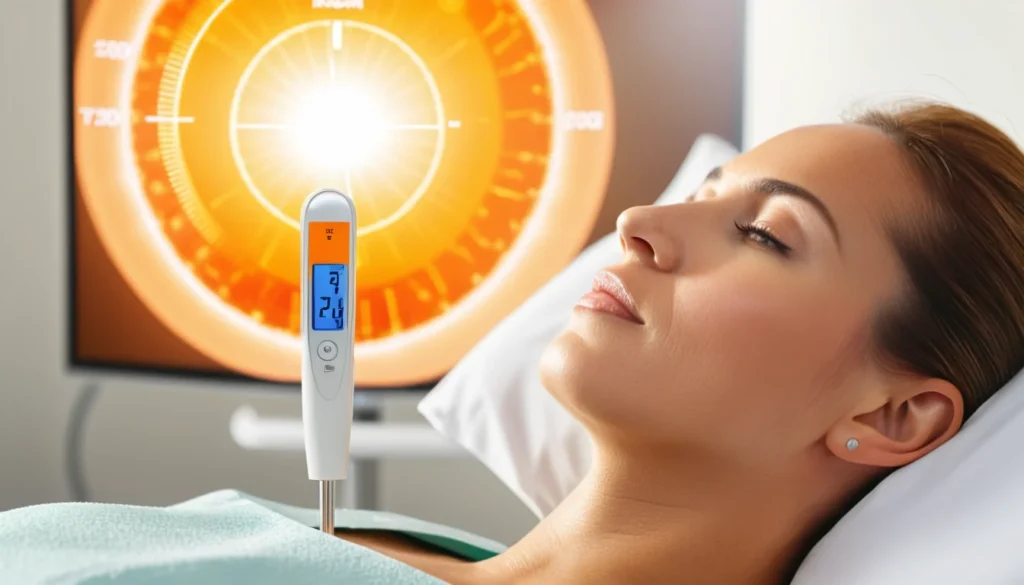
Measuring temperature accurately is important. The numbers that indicate a fever depend on where on the body you take the reading. Using the right method helps avoid false results.
A fever is generally present when:
Rectal temperature is above 37.8°C
Oral (mouth) temperature is above 37.5°C
Axillary (armpit) temperature is above 37.2°C
Ear (tympanic) temperature is above 37.2°C
For an oral reading to be accurate, you should not eat, drink, or smoke for at least 15–20 minutes beforehand. Ear thermometers are more convenient but can sometimes give less consistent results.
Normal Variations in Body Temperature
Body temperature is not a fixed number. It naturally shifts throughout the day. Your temperature is typically at its lowest around 4 a.m. and reaches its highest point around 6 p.m.
Because of this, a temperature of 37.2°C taken in the morning may indicate a fever, while the same reading in the evening may be completely normal. An oral temperature of 37.5°C in the afternoon is not usually considered a fever.
Furthermore, normal temperature can vary by up to 0.6°C from person to person. In women, temperature also shifts slightly depending on where they are in their menstrual cycle — rising slightly after ovulation. Eating a meal or experiencing strong emotions can also nudge your temperature up slightly.
Special Considerations for Children and Older Adults
Children often run warmer temperatures during active play. However, this is not a fever — their body’s set point has not changed. A true fever in a child means the hypothalamus has raised the target temperature in response to illness.
Older adults are a different story. As we age, our bodies may be less able to generate a strong fever response. Therefore, even a mildly elevated temperature in an older person can signal a serious underlying problem. If you are caring for an elderly family member with any fever, it is worth checking in with a healthcare provider promptly.
What Causes a Fever? Understanding Pyrogens
The biological trigger behind a fever is called a pyrogen. Pyrogens are substances that signal the brain to raise body temperature. They can come from inside your body or from outside it.
Exogenous pyrogens come from external sources, such as bacteria or viruses that have entered the body. For example, lipopolysaccharides — found in the outer wall of certain bacteria — are well-known fever triggers. Some bacteria, known as superantigens, can trigger a rapid and dangerously high fever.
Endogenous pyrogens are produced by your own immune cells in response to infection or inflammation. These substances travel through the bloodstream and act on the hypothalamus to raise the body’s temperature set point.
In practical terms, this means that colds, flu, urinary tract infections, and many other common illnesses can all cause a fever. Health Canada provides up-to-date information on common infections and how to manage them at home.
How the Body Produces and Controls Fever
Once pyrogens signal the hypothalamus, the brain releases a chemical called prostaglandin E2 (PGE2). This chemical resets the body’s internal thermostat to a higher level. The body then works to reach that new, higher temperature.
To generate heat quickly, your body uses several mechanisms:
Increased muscle tone and shivering
Release of hormones like epinephrine (adrenaline)
Narrowing of blood vessels near the skin (vasoconstriction) to reduce heat loss
Activation of brown fat tissue in infants to produce warmth
These responses also explain why a fever often raises blood pressure and heart rate. Your heart beats faster and blood vessels tighten — both of which help push heat through your body more efficiently.
According to the Mayo Clinic’s guide on fever, most fevers caused by common infections are self-limiting, meaning the body resolves them on its own without medical treatment.
Types of Fever by Temperature
Not all fevers are the same. Healthcare providers generally classify fever severity by the rectal (anal) temperature reading:
Low-grade fever: 38°C – 39°C
Moderate fever: 39°C – 40°C
High fever: 40°C – 41°C
Very high (hyperpyrexia): above 41°C — seek emergency care immediately
A low-grade fever in an otherwise healthy adult often does not require medication. However, a high or prolonged fever always warrants medical attention. The World Health Organization’s information on fever management is a useful resource for understanding global guidelines on fever care.
When to See a Doctor About a Fever
Most fevers in healthy adults will pass within a few days. However, some situations call for a visit to your family doctor or a walk-in clinic. Do not wait if you notice any of the following.
Seek medical care promptly if:
Your temperature is 39.4°C or higher
The fever has lasted more than three days
You have a severe headache, stiff neck, or sensitivity to light
You have trouble breathing
You develop a skin rash
You feel confused or disoriented
You have recently travelled outside Canada
You have a weakened immune system or a chronic health condition
For infants and young children, act faster:
Any fever in a baby under 3 months old — go to the emergency room
Fever above 38.9°C in children 3–6 months old
Fever that returns after going away, or a child who seems very unwell
Most provincial health plans in Canada cover visits to both family doctors and walk-in clinics. If you are unsure whether to go in, many provinces also offer a health line — such as Health811 in Ontario or 811 in British Columbia — where a registered nurse can help you decide. As always, when in doubt, speak with a qualified healthcare provider. This article is for general information only and is not a substitute for professional medical advice.
Frequently Asked Questions About Fever
What temperature is considered a fever in adults?
In adults, a fever is generally present when the oral temperature is above 37.5°C, the rectal temperature is above 37.8°C, or the armpit temperature is above 37.2°C. Keep in mind that body temperature naturally varies throughout the day, so the time of day and measurement method both matter.
Should I let a fever run its course or take medication?
A low-grade fever in a healthy adult often does not need medication, since it is part of your body’s natural immune response. However, if a fever is causing significant discomfort or is above 39°C, over-the-counter medicines like acetaminophen or ibuprofen can help. Always follow the dosage instructions and speak with your pharmacist or family doctor if you are unsure.
How long does a fever usually last?
Most fevers caused by common infections last between one and three days. A fever that persists beyond three days, or one that goes away and then comes back, is a sign that you should see your family doctor or visit a walk-in clinic. Prolonged fever can sometimes point to a more serious underlying condition.
Is a fever contagious?
A fever itself is not contagious, but the infection causing the fever often is. For example, if your fever is the result of a cold or flu virus, that virus can spread to others through droplets or contact. It is a good idea to stay home, wash your hands frequently, and avoid close contact with others until you feel better.
What is the most accurate way to take a temperature?
Rectal temperature measurement is considered the most accurate method, especially in infants and young children. Oral thermometers are a reliable and practical choice for older children and adults, as long as you wait 15–20 minutes after eating, drinking, or smoking. Ear thermometers are convenient but can sometimes give variable readings depending on technique.
Can a fever be dangerous?
Most fevers are not dangerous and resolve on their own. However, a very high fever — above 41°C — can be harmful and requires emergency medical care. Fever in newborns, older adults, and people with weakened immune systems also carries higher risk and should be assessed by a healthcare provider right away.
Key Takeaways
A fever is a rise in body temperature above normal levels, triggered by your immune system in response to infection or illness.
Normal body temperature is around 37°C, but it varies by individual, time of day, and measurement method.
Fever thresholds differ depending on where you measure — rectal, oral, ear, or armpit.
The brain’s hypothalamus controls fever by responding to pyrogens — substances released during infection.
Most fevers are self-limiting and do not require prescription treatment.
Children, older adults, and people with chronic conditions need closer monitoring when a fever appears.
If a fever is high, lasts more than three days, or comes with serious symptoms, visit your family doctor or a walk-in clinic covered by your provincial health plan.
This article provides general health information only. Always consult a qualified healthcare provider for advice specific to your situation.