Fecal incontinence — the inability to control bowel movements — is one of the most distressing health conditions a person can face. It can lead to social isolation, loss of self-confidence, and even depression. However, effective treatments exist, and help is available through your family doctor or a local walk-in clinic. You do not have to live with this condition in silence.
What Is Fecal Incontinence?
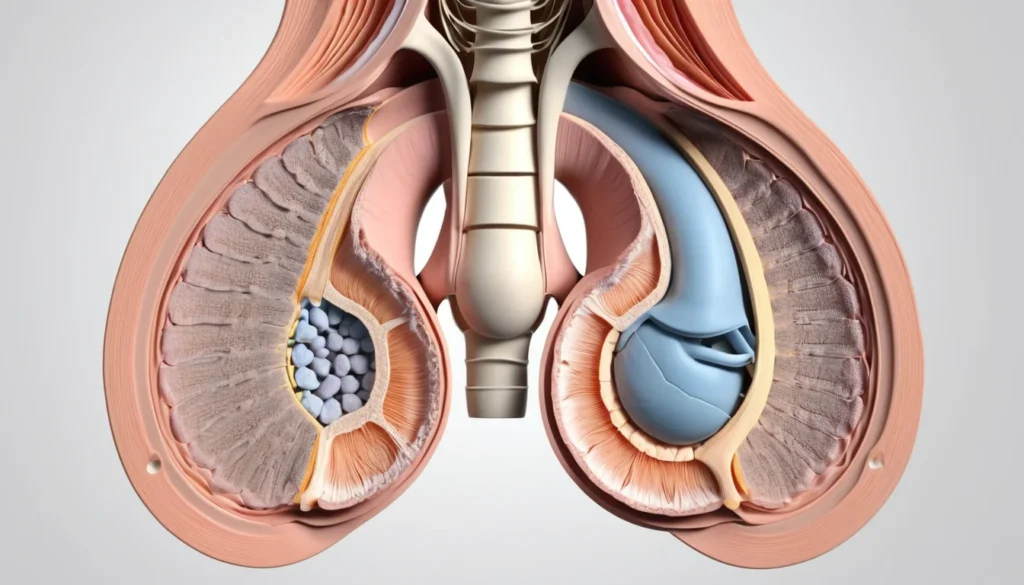
Fecal incontinence means losing voluntary control over when and where you pass stool. This can include leaking small amounts of liquid stool, passing solid stool unexpectedly, or being unable to control gas. Specialists consider true fecal incontinence to involve loss of control of the anal sphincter — the ring of muscle that keeps the rectum closed.
The condition ranges in severity. Partial incontinence involves leaking small amounts of soft or liquid stool. Complete incontinence means a full, uncontrolled bowel movement occurs. Both forms significantly affect a person’s quality of life.
According to Mayo Clinic’s overview of fecal incontinence, this condition affects people of all ages and both sexes. However, it is more common in women, largely due to pelvic floor injuries during childbirth. It is also more frequent in older adults, as muscle tone naturally decreases with age.
How Common Is Fecal Incontinence in Canada?
Many Canadians feel too embarrassed to report this condition to their doctor. As a result, the true number of people affected is likely much higher than official statistics suggest. General estimates place the rate at around 1–2% of the population.
However, among women who have given birth vaginally, the rate is significantly higher. Studies show that between 13% and 25% of new mothers experience some degree of fecal incontinence within three to six months of delivery. This is a very common post-partum issue, yet it is rarely discussed openly.
Older Canadians are also disproportionately affected. As the body ages, the anal sphincter gradually loses strength and tone, making it harder to maintain full bowel control.
Common Causes of Fecal Incontinence
Healthy bowel control relies on a complex system working together. This includes the brain and nervous system, the muscles around the anus, the anal sphincter itself, and the health of the colon. When any part of this system is disrupted, fecal incontinence can result.
Specialists have identified many causes. The most common include the following.
Childbirth Injury
Vaginal delivery can damage the muscles or nerves around the anal sphincter. This risk increases when forceps are used or when an episiotomy (a surgical cut to widen the birth canal) is performed. For many women, symptoms may not appear until years later, when age-related muscle weakening adds to the earlier damage.
Diarrhoea and Loose Stools
Liquid stool is much harder to control than solid stool. Even a healthy person can struggle during a sudden bout of food intolerance or stomach illness. Chronic conditions like irritable bowel syndrome (IBS) or Crohn’s disease cause recurring diarrhoea and can lead to ongoing fecal incontinence.
Constipation
Constipation is one of the most overlooked causes of fecal incontinence. When stool stays in the rectum too long, it becomes hard and impacted. The muscles stretch to accommodate it and eventually lose their tone. Over time, the rectum can no longer close tightly enough to prevent leakage of softer stool that builds up around the blockage.
Nerve or Muscle Damage
Damage to the nerves that control the anal sphincter can cause fecal incontinence. This may result from long-term diabetes, multiple sclerosis, a spinal cord injury, or a stroke. Physical disabilities that make it difficult to reach a bathroom in time also increase the risk.
Surgery and Medical Treatments
Surgery in the rectal area — for example, to treat haemorrhoids — can sometimes damage the sphincter muscle. Radiation therapy or chemotherapy targeting the pelvic region may also affect bowel control. Certain medications, including some anti-seizure drugs, list bowel control problems as a possible side effect.
Pelvic Floor Dysfunction
Conditions like rectal prolapse (when the rectum slips out of position) or rectocele (when the rectum bulges into the vaginal wall) can disrupt normal bowel function. Reduced sensation around the anal area is another contributing factor. These conditions are treatable, so speaking with your doctor is an important first step.
Other Contributing Factors
Additional causes include pelvic tumours, systemic diseases like diabetes or scleroderma, and a diet low in fibre. In people with advanced Alzheimer’s disease, fecal incontinence is often a sign of late-stage illness, where both dementia and nerve damage play a role.
For a broader look at bowel health conditions, see Healthline’s guide to fecal incontinence causes and treatment.
Risk Factors for Fecal Incontinence
Fecal incontinence can develop at any age. However, certain factors raise your risk considerably. Understanding these risk factors can help you and your doctor take action early.
Older age: Sphincter muscles weaken over time, making bowel control more difficult.
Female sex: Childbirth-related injuries make women more vulnerable, especially after vaginal delivery.
Nerve damage: Conditions like long-term diabetes or multiple sclerosis can impair the nerves that control the bowel.
Urinary incontinence: Many older adults experience both bladder and bowel control problems at the same time.
Alzheimer’s disease: Late-stage Alzheimer’s often involves loss of bowel control.
Physical disability: Difficulty moving quickly enough to reach the toilet in time increases the risk of accidents.
Chronic diarrhoea or constipation: Both conditions put ongoing stress on bowel control mechanisms.
It is worth noting that many of these risk factors are manageable with the right medical support. Your provincial health plan covers visits to your family doctor or a gastroenterologist, so reaching out is both affordable and worthwhile.
When to See a Doctor
Many Canadians wait far too long before seeking help for fecal incontinence. This is understandable — it is a deeply personal topic. However, it is important to know that doctors hear about this condition regularly. You will not shock or surprise them.
You should speak with your family doctor if you notice any of the following:
Unexplained leaking of stool or gas
Difficulty making it to the toilet in time
Stool staining your underwear
Any change in bowel habits that lasts more than a few weeks
Bowel control problems affecting your daily life or social activities
If you do not have a family doctor, a walk-in clinic is a good starting point. A doctor there can assess your symptoms and refer you to a specialist such as a gastroenterologist or colorectal surgeon. Most provincial health plans in Canada cover these referrals.
Do not rely on self-treatment alone. Home remedies may ease symptoms temporarily, but only a healthcare professional can identify the underlying cause and provide effective, lasting treatment. As Health Canada emphasises, timely medical care makes a significant difference in managing chronic health conditions.
Always consult your doctor or a qualified healthcare provider before starting any treatment for fecal incontinence or any other health concern.
Frequently Asked Questions About Fecal Incontinence
What is the most common cause of fecal incontinence?
The most common causes of fecal incontinence include muscle or nerve damage from childbirth, chronic diarrhoea, and long-term constipation. Constipation is particularly underrecognised — it causes the rectal muscles to overstretch and lose tone over time. Your doctor can help identify the specific cause in your case.
Can fecal incontinence be cured?
In many cases, fecal incontinence can be significantly improved or even resolved with the right treatment. Options include dietary changes, pelvic floor exercises, medication, and in some cases surgery. The best outcome depends on finding and treating the underlying cause, which is why seeing a doctor is so important.
Is fecal incontinence a normal part of aging?
Fecal incontinence is more common in older adults, but it is not a normal or inevitable part of aging. While sphincter muscles do weaken with age, effective treatments can restore a good level of bowel control. Older Canadians should feel encouraged to discuss this with their family doctor rather than accept it as unavoidable.
Can childbirth cause fecal incontinence?
Yes, vaginal childbirth is one of the leading risk factors for fecal incontinence in women. Injuries to the sphincter muscle or pelvic floor nerves during delivery — especially when forceps are used — can cause bowel control problems. Symptoms sometimes appear right after birth, but they can also develop years later.
What foods help with fecal incontinence?
A diet high in fibre helps regulate bowel movements and reduce episodes of fecal incontinence caused by loose stools or constipation. Drinking enough water each day is equally important. Your doctor or a registered dietitian can recommend a specific eating plan based on your symptoms and overall health.
Where can I get help for fecal incontinence in Canada?
Start by speaking with your family doctor or visiting a walk-in clinic if you do not have one. They can assess your symptoms and refer you to a gastroenterologist or colorectal specialist. Most provincial health plans cover these consultations, so cost should not be a barrier to getting the help you need.
Key Takeaways
Fecal incontinence is the loss of voluntary control over bowel movements, including stool and gas.
It affects people of all ages but is more common in older adults and women who have given birth vaginally.
Common causes include childbirth injuries, chronic diarrhoea, constipation, nerve damage, and pelvic floor dysfunction.
Risk factors include older age, diabetes, multiple sclerosis, Alzheimer’s disease, and physical disability.
Effective treatments are available — including dietary changes, pelvic floor therapy, medication, and surgery.
You do not have to manage this alone. Your family doctor or a walk-in clinic is a safe and confidential place to start.
Most provincial health plans in Canada cover the specialist referrals you may need.
Always speak with a qualified healthcare provider before beginning any treatment programme.