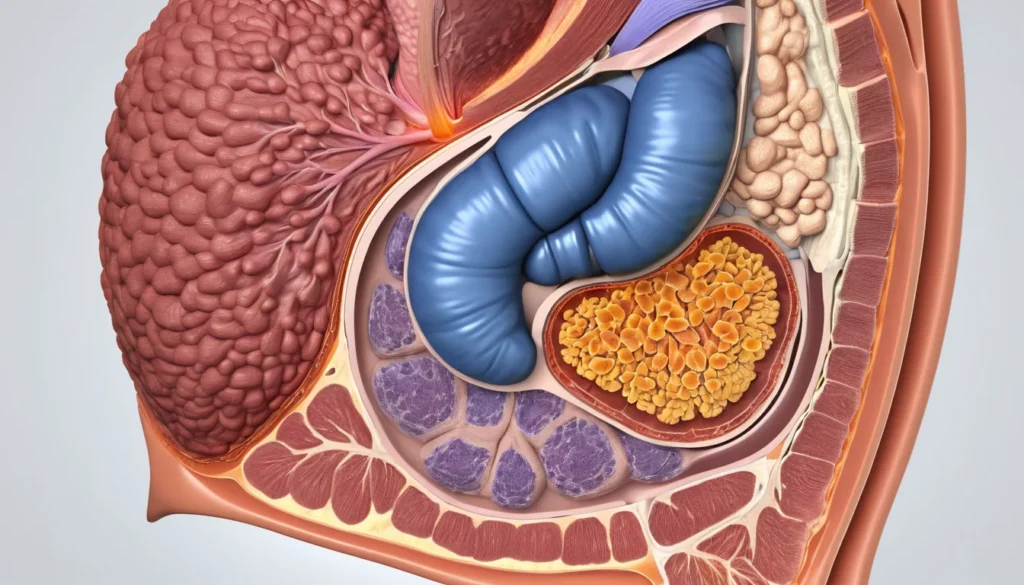
Fatty stool, known medically as steatorrhoea, happens when your digestive system cannot properly absorb fat from the food you eat. Instead of being absorbed, that fat passes through your gut and ends up in your stool. The result is pale, oily, foul-smelling bowel movements that are often larger than normal. In this article, we explain what causes fatty stool, what symptoms to watch for, and when it is time to speak with a healthcare provider.
What Is Fatty Stool (Steatorrhoea)?
Steatorrhoea is the medical term for having too much fat in your stool. A small amount of fat in stool is normal. However, when your digestive system fails to absorb fat properly, the excess fat gets excreted in your bowel movements.
Temporary fatty stool can happen after eating a very high-fat meal or during a stomach bug. However, fatty stool that lasts more than a few weeks may point to an underlying health condition that needs attention. It is one of the key signs of a condition called malabsorption — where your gut does not take in nutrients the way it should.
Symptoms of Fatty Stool
The most obvious sign is a change in your bowel movements. Most people notice the difference right away. Here is what fatty stool typically looks and smells like:
Oily or greasy appearance
Pale, grey, or light-coloured stool
Unusually foul odour
Larger-than-normal volume
Stool that floats or is hard to flush
Beyond changes in your stool, you may also notice other symptoms. These include unintentional weight loss, fatigue, and general weakness. This happens because your body is not absorbing the nutrients it needs from food. In addition, some people experience bloating and stomach discomfort.
It is important to note that fatty stool affects your bowel movements only — not your urine. Furthermore, despite absorbing fewer calories, most people with steatorrhoea actually lose weight rather than gain it. This is because the body is not taking in enough nutrients overall.
Common Causes of Fatty Stool
Several conditions and factors can lead to fatty stool. Understanding the cause is the first step toward getting the right treatment.
Bile Acid Deficiency
Bile is a fluid made by your liver and stored in your gallbladder. It helps your body break down and absorb fat. When bile is missing or blocked — for example, after gallbladder removal surgery or due to liver disease — fat cannot be digested properly. As a result, stool becomes pale, greasy, and difficult to pass.
Pancreatic Enzyme Deficiency
Your pancreas produces enzymes called lipases. These enzymes break down fat in your small intestine. If your pancreas is not making enough of these enzymes, fat passes through undigested. This can happen due to chronic pancreatitis, heavy long-term alcohol use, or other pancreatic conditions. Over time, excessive alcohol damages pancreatic tissue and can cause scarring, which reduces enzyme production.
Damage to the Intestinal Lining
Your small intestine is lined with tiny cells that absorb nutrients. When that lining becomes inflamed or damaged, it cannot absorb fat effectively. Conditions like Crohn’s disease, ulcerative colitis, and celiac disease all cause this kind of damage. In addition, surgical removal of part of the intestine can also reduce your body’s ability to absorb fat.
Certain Medications
Some medications are designed to block fat absorption — for example, the weight-loss drug orlistat. These medications prevent digestive enzymes from breaking down fat, so it passes through your gut unabsorbed. A well-known side effect is oily or greasy stool and, in some cases, oily anal leakage. Always read the information leaflet that comes with your medication.
High-Fat Diet
Eating large amounts of hard-to-digest fats or oils can temporarily overwhelm your digestive system. This type of fatty stool is usually short-lived and resolves on its own once your diet returns to normal.
Fatty Stool and Specific Health Conditions
Celiac Disease
Celiac disease is an autoimmune condition where eating gluten — a protein found in wheat, barley, and rye — triggers an immune response that damages the lining of the small intestine. This damage prevents proper fat absorption. Fatty stool is one of the most common digestive symptoms of celiac disease, particularly in children. According to the Mayo Clinic’s overview of celiac disease, other symptoms include diarrhoea, bloating, and significant weight loss.
Celiac disease is more common than many people think. In Canada, it affects roughly one in 100 people. A strict gluten-free diet is the primary treatment and can reverse intestinal damage over time.
Cystic Fibrosis
Cystic fibrosis is a genetic condition that affects several organs, including the pancreas. In people with cystic fibrosis, thick mucus blocks the ducts that carry digestive enzymes from the pancreas to the small intestine. Without these enzymes, fat cannot be broken down. As a result, fatty stool is very common in people diagnosed with cystic fibrosis.
Pancreatic Cancer
In some cases, fatty stool can be linked to pancreatic cancer. A tumour in the pancreas can block the release of digestive enzymes or bile, making it impossible for fat to be absorbed normally. While fatty stool alone does not mean you have pancreatic cancer, it is worth discussing with your doctor — especially if combined with other symptoms like jaundice, unexplained weight loss, or upper abdominal pain.
For a broader look at how digestive health connects to serious illness, Health Canada’s digestive health resources offer reliable, Canadian-specific guidance.
How Is Fatty Stool Diagnosed?
Your doctor will start by asking about your symptoms, diet, and medical history. From there, they will likely order some tests to find the underlying cause.
One of the most direct tests is a stool fat test. You collect a stool sample over 72 hours while eating a measured amount of fat each day. The lab then measures how much fat is in your stool compared to how much you ate. This test gives a clear picture of whether fat malabsorption is occurring.
Other common tests include:
Complete blood count (CBC) to check for anaemia and infection
Blood tests to assess liver and pancreatic function
Urine analysis
Imaging tests such as ultrasound or CT scan
Endoscopy or colonoscopy if inflammatory bowel disease is suspected
In Canada, your family doctor or a gastroenterologist will guide you through the diagnostic process. Depending on your province, some of these tests are covered under your provincial health plan. Check with your provincial health authority or your family doctor to understand your coverage.
Treatment Options for Fatty Stool
Treating fatty stool means treating whatever is causing it. There is no single cure — the right approach depends entirely on the underlying condition.
Pancreatic Enzyme Supplements
If your pancreas is not producing enough enzymes, your doctor may prescribe pancreatic enzyme replacement therapy (PERT). These are capsules you take with meals. They contain the enzymes your pancreas should be making. Once the enzymes reach your small intestine, they get to work breaking down fat, protein, and carbohydrates. Most people notice improvement within days.
Dietary Changes
Reducing fat intake can help manage symptoms while the underlying cause is being treated. Your doctor or a registered dietitian may suggest a low-fat diet, particularly if bile flow is impaired. For those with celiac disease, switching to a strict gluten-free diet is essential and often resolves fatty stool over time.
Treating the Underlying Condition
For conditions like Crohn’s disease or ulcerative colitis, medication to reduce intestinal inflammation can restore normal fat absorption. If a bile duct blockage is the cause, surgery or a procedure to clear the blockage may be needed. For liver disease, managing the liver condition itself is the focus. According to Healthline’s guide to steatorrhoea, addressing the root cause is always the most effective long-term strategy.
When to See a Doctor
Occasional changes in your stool are usually nothing to worry about. However, there are times when fatty stool needs prompt medical attention. You should see your family doctor or visit a walk-in clinic if:
Fatty or greasy stool lasts more than a few weeks
You are losing weight without trying
You feel constantly tired or weak
Your stool is very pale, grey, or white
You have ongoing bloating, cramping, or abdominal pain
Go to an emergency room or call 911 if your stool contains blood, is very dark (almost black), or if you have severe abdominal pain, a high fever, or signs of dehydration. These could indicate a serious medical emergency.
In Canada, if you do not have a family doctor, a walk-in clinic is a good first step. Many provinces also offer telehealth services where you can speak with a nurse or doctor over the phone or online. Your provincial health plan typically covers these visits at no cost to you.
As always, this article is for general information only. Please speak with a qualified healthcare professional for advice specific to your situation.
Frequently Asked Questions About Fatty Stool
What does fatty stool look like?
Fatty stool is typically pale, greasy, or oily in appearance, and it often has a very foul smell. It tends to be larger in volume than normal stool and may float or be difficult to flush. If you regularly notice these signs, it is worth speaking with your family doctor.
What causes fatty stool in adults?
In adults, fatty stool is most commonly caused by conditions that affect fat digestion or absorption — such as pancreatic insufficiency, celiac disease, Crohn’s disease, or bile duct problems. Long-term heavy alcohol use can also damage the pancreas and lead to fatty stool. A doctor can run tests to find the specific cause.
Is fatty stool a sign of something serious?
Occasional fatty stool after a very rich meal is usually harmless. However, persistent fatty stool lasting more than a few weeks can signal a serious underlying condition, such as pancreatic disease, celiac disease, or even pancreatic cancer. It is important to see a healthcare provider if it does not resolve on its own.
Can diet cause fatty stool?
Yes, eating very large amounts of high-fat or hard-to-digest foods can temporarily cause fatty stool. This type is usually short-lived and goes away once you return to your normal diet. However, if fatty stool continues despite eating a balanced diet, an underlying digestive condition may be responsible.
How is fatty stool treated?
Treatment for fatty stool depends on the root cause. Common approaches include pancreatic enzyme replacement supplements, dietary changes such as reducing fat or eliminating gluten, and medication to treat inflammation in the gut. Your doctor will recommend a plan based on your specific diagnosis.
Can celiac disease cause fatty stool in children?
Yes, celiac disease is one of the most common causes of fatty stool in children. When a child with celiac disease eats gluten, it damages the lining of the small intestine and prevents fat from being absorbed. Following a strict gluten-free diet usually resolves the symptoms over time.
Key Takeaways
Fatty stool (steatorrhoea) means too much fat is passing through your digestive system unabsorbed.
Common signs include pale, greasy, foul-smelling, and bulky bowel movements.
Causes range from bile problems and pancreatic enzyme deficiency to celiac disease, Crohn’s disease, and cystic fibrosis.
Short-term fatty stool after a rich meal is usually harmless. Persistent fatty stool needs medical evaluation.
Treatment depends on the cause and may include enzyme supplements, dietary changes, or medication.
If symptoms last more than a few weeks or are accompanied by weight loss, fatigue, or pain, see your family doctor or visit a walk-in clinic.
Most Canadians can access testing and treatment through their provincial health plan.