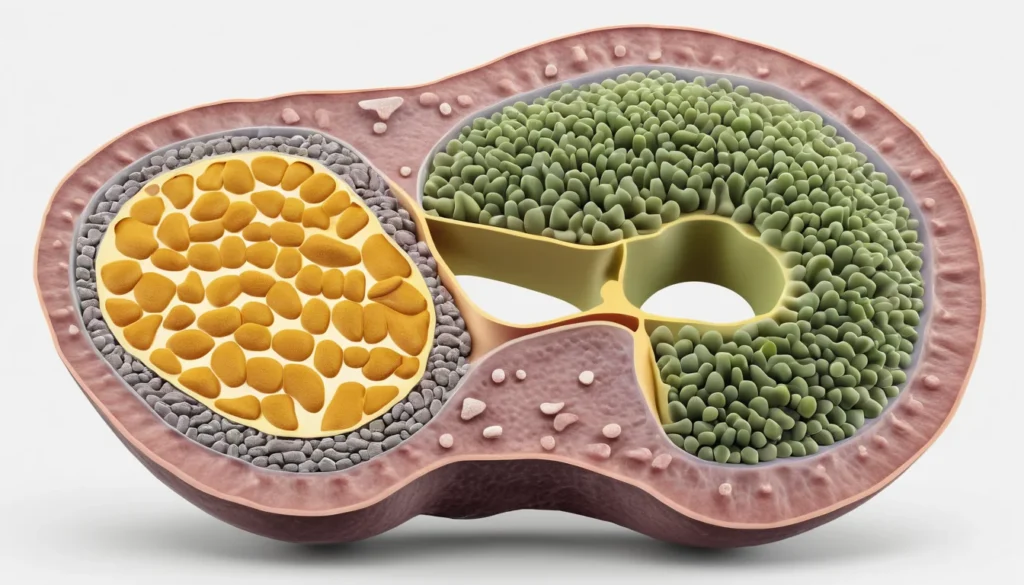
Fatty liver disease is one of the most common liver conditions in Canada, affecting roughly one in four adults at some point in their lives. It happens when too much fat builds up inside liver cells. The good news is that with the right lifestyle changes — and some support from natural remedies — the liver has a remarkable ability to heal itself. This article explains what fatty liver disease is, what causes it, how to recognize it, and what steps you can take to protect your liver health.
What Is Fatty Liver Disease?
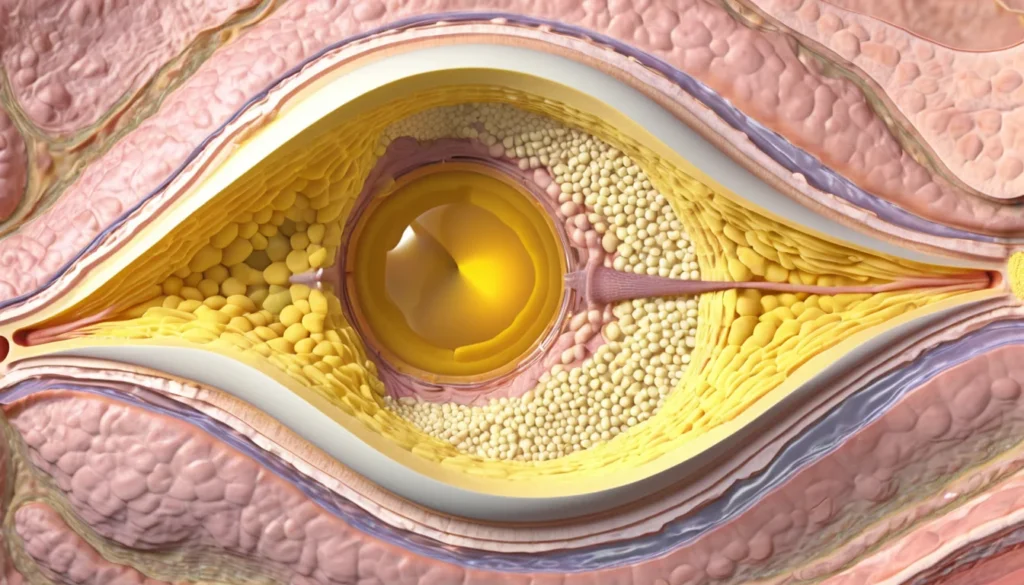
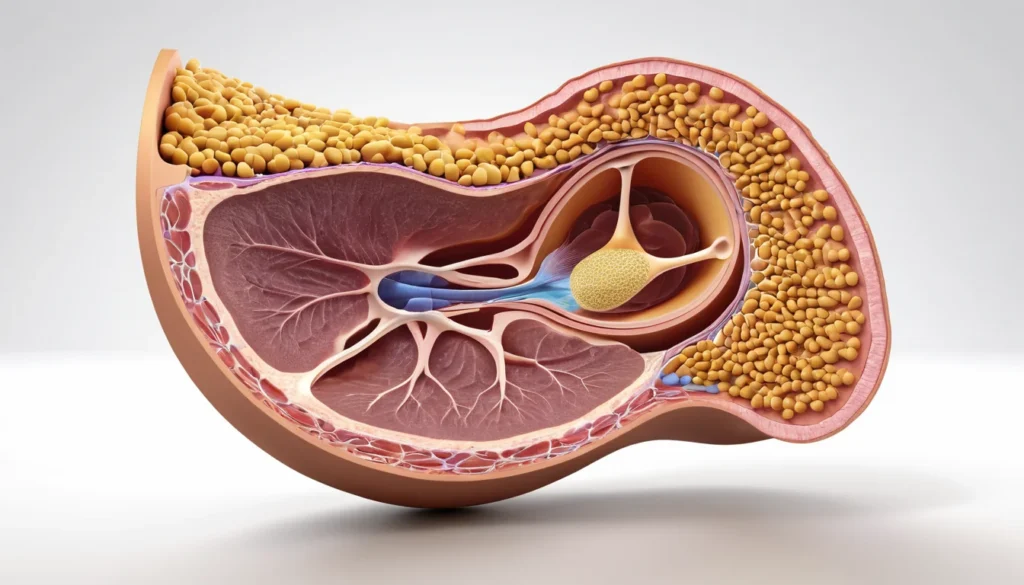
Fatty liver disease — known medically as hepatic steatosis — is a condition where fat, mainly in the form of triglycerides, builds up inside liver cells. A small amount of fat in the liver is normal. However, when fat makes up more than five to ten percent of the liver’s weight, it becomes a problem.
In more advanced cases, the fat build-up can trigger inflammation. When this happens, the condition is called steatohepatitis. This is a more serious stage that can damage liver tissue over time.
Unfortunately, around 20% of people with steatohepatitis eventually develop cirrhosis or liver cancer. For this reason, catching and treating fatty liver disease early is very important. The Mayo Clinic offers a detailed overview of nonalcoholic fatty liver disease and its stages.
How to Recognize Fatty Liver Disease
One of the tricky things about fatty liver disease is that it often has no obvious symptoms in the early stages. Many Canadians live with it for years without knowing. In fact, it is often discovered by accident during a routine blood test or ultrasound done for another reason.
Common Symptoms to Watch For
When symptoms do appear, they can be easy to dismiss. Common signs include a dull ache or feeling of pressure in the upper right side of the abdomen, where the liver sits. Some people also feel unexplained tiredness, mild nausea, or a general lack of energy.
As the condition progresses, a doctor may order an abdominal ultrasound or blood tests. Elevated levels of liver enzymes — called transaminases (AST and ALT) — and Gamma-GT are key markers that suggest the liver is under stress. These are standard tests available through your provincial health plan when ordered by your family doctor.
What Causes Fatty Liver Disease?
There are two main types of fatty liver disease, and each has different causes. Understanding which type you have helps your doctor choose the right treatment path.
Alcoholic Fatty Liver Disease
Alcohol is the leading cause of fatty liver disease. Research shows that drinking more than two standard drinks per day for women, or more than three per day for men, is enough to trigger the condition. The first step in treating alcoholic fatty liver is to reduce or stop alcohol consumption entirely.
Even cutting back significantly can allow the liver to begin repairing itself. This is one area where the liver truly does show its resilience.
Non-Alcoholic Fatty Liver Disease
Non-alcoholic fatty liver disease (NAFLD) develops without heavy drinking. It is closely linked to several common health conditions and lifestyle factors, including:
Being overweight or obese
Type 2 diabetes or pre-diabetes
A diet high in processed foods, sugar, and unhealthy fats
Rapid weight loss
Certain medications that are hard on the liver
High cholesterol or high triglyceride levels
Interestingly, people who lose weight too quickly can also develop fatty liver disease. Therefore, any weight loss plan should be gradual and ideally guided by a healthcare provider. Health Canada’s healthy eating guidelines can help you build a balanced, liver-friendly diet.
Lifestyle Changes That Support Liver Health
The most powerful medicine for fatty liver disease is a healthy lifestyle. No supplement or natural remedy can replace the basics. However, natural support can work alongside good habits to help the liver heal more effectively.
Diet and Nutrition
A liver-friendly diet focuses on whole, unprocessed foods. Think colourful vegetables, leafy greens, lean proteins, legumes, and whole grains rich in fibre. Cutting back on sugar, refined carbohydrates, and saturated fats makes a real difference to liver health.
Adding foods like oats, broccoli, garlic, and berries can actively support liver function. On the other hand, fried foods, sugary drinks, and highly processed snacks should be reduced as much as possible.
Physical Activity and Rest
Regular, moderate exercise helps the body burn excess fat — including fat stored in the liver. Aim for at least 150 minutes of moderate activity per week, as recommended by Canadian physical activity guidelines. Even daily walks make a meaningful difference.
Adequate sleep is also important. Poor sleep is linked to metabolic problems that can worsen fatty liver disease. Most adults need seven to nine hours of quality rest each night.
Managing Your Weight Safely
Losing even five to ten percent of your body weight can significantly reduce liver fat. However, the pace matters. Losing weight too rapidly can actually stress the liver further. A steady, sustainable approach — ideally supported by your family doctor or a registered dietitian — is the safest path.
Natural Remedies and Apitherapy for Liver Health
Alongside lifestyle changes, certain natural remedies have shown promising results in supporting liver health. Apitherapy — the therapeutic use of bee products — is one area that has attracted growing interest. In addition, several plant-based extracts have a long history of use in liver support.
Honey and Royal Jelly
Raw honey contains antioxidants and anti-inflammatory compounds that may help protect liver cells from damage. Royal jelly, produced by worker bees, contains proteins and fatty acids that some researchers believe may support liver cell regeneration. It is important to note that most studies are still preliminary, and more research is needed.
However, these products are generally safe for most people and can be a pleasant addition to a liver-supportive diet. Those with diabetes should be mindful of honey’s sugar content and speak with their doctor before using it regularly.
Milk Thistle (Silymarin)
Milk thistle is one of the most well-studied herbal remedies for liver health. Its active ingredient, silymarin, acts as an antioxidant and may help reduce liver inflammation. It is widely available in Canadian health food stores and pharmacies.
Some studies suggest that milk thistle can help lower elevated liver enzyme levels and may slow the progression of liver damage. As a result, it is often recommended as a complementary support — not a replacement — for medical treatment. Healthline provides a thorough review of milk thistle’s evidence-based benefits for liver health.
Turmeric Root
Turmeric, particularly its active compound curcumin, has powerful anti-inflammatory and antioxidant properties. Research suggests it may help reduce fat accumulation in liver cells and lower inflammation markers. Adding turmeric to cooking or taking a standardized supplement are both practical options.
Chamomile
Chamomile is best known as a calming tea, but it also has mild liver-protective properties. Its flavonoid compounds may help reduce oxidative stress in liver tissue. It is a gentle, accessible option that pairs well with other liver-supportive habits.
When to See a Doctor About Fatty Liver Disease
If you notice any symptoms that might suggest fatty liver disease — such as persistent fatigue, abdominal discomfort on the right side, or unexplained nausea — it is important to get checked out. Do not wait for symptoms to become severe.
Your family doctor is the best first point of contact. They can order blood tests and an ultrasound through your provincial health plan. If you do not have a family doctor, a walk-in clinic can provide an initial assessment and refer you for further testing if needed.
If your blood tests show elevated liver enzymes, your doctor may refer you to a gastroenterologist or hepatologist for more specialized care. Early detection makes a significant difference in outcomes for fatty liver disease. Always speak with a qualified healthcare provider before starting any new supplement or natural health programme, especially if you are managing other conditions or taking prescription medications.
Frequently Asked Questions About Fatty Liver Disease
Can fatty liver disease be reversed?
Yes, in many cases fatty liver disease can be reversed, especially when caught early. Lifestyle changes such as a healthier diet, regular exercise, and reducing alcohol intake can allow the liver to heal over time. However, more advanced stages involving scarring (fibrosis) may not be fully reversible, which is why early action matters.
What are the first signs of fatty liver disease?
In the early stages, fatty liver disease often causes no obvious symptoms at all. When signs do appear, they may include mild fatigue, a feeling of pressure or discomfort in the upper right abdomen, and occasional nausea. Many people are first diagnosed through routine blood tests that show elevated liver enzymes.
What foods should I avoid if I have fatty liver disease?
People with fatty liver disease should limit sugary drinks, refined carbohydrates like white bread and pastries, fried foods, and processed snacks. Alcohol should be reduced or eliminated, as it directly contributes to liver fat build-up. A diet rich in vegetables, fibre, and lean proteins is strongly recommended instead.
Is milk thistle good for fatty liver disease?
Milk thistle is one of the most researched herbal supplements for liver health and may offer some benefit for people with fatty liver disease. Its active compound, silymarin, has antioxidant and anti-inflammatory properties that could help protect liver cells. Always speak with your doctor before adding any new supplement to your routine.
How is fatty liver disease diagnosed in Canada?
Fatty liver disease is typically diagnosed through a combination of blood tests and an abdominal ultrasound. Your family doctor can order these tests, and they are generally covered under your provincial health plan. If results suggest a more serious condition, you may be referred to a liver specialist for further evaluation.
Can you have fatty liver disease without drinking alcohol?
Absolutely — this is called non-alcoholic fatty liver disease (NAFLD), and it is actually the most common form of fatty liver disease in Canada. It is strongly linked to obesity, type 2 diabetes, high cholesterol, and a diet high in sugar and processed foods. You do not need to drink alcohol at all for the condition to develop.
Key Takeaways
Fatty liver disease affects approximately one in four Canadian adults and is often silent in its early stages.
It is caused by excess fat building up in liver cells, and can be triggered by alcohol, poor diet, obesity, diabetes, or certain medications.
Common symptoms include fatigue, right-side abdominal discomfort, and elevated liver enzymes found in blood tests.
Lifestyle changes — including a fibre-rich diet, moderate exercise, and reducing alcohol — are the most effective treatment.
Natural remedies such as milk thistle, turmeric, honey, and royal jelly may support liver health as part of a broader wellness programme.
Always consult your family doctor or visit a walk-in clinic if you suspect liver issues. Tests are covered under most provincial health plans.
Early detection and treatment significantly improve outcomes for fatty liver disease.