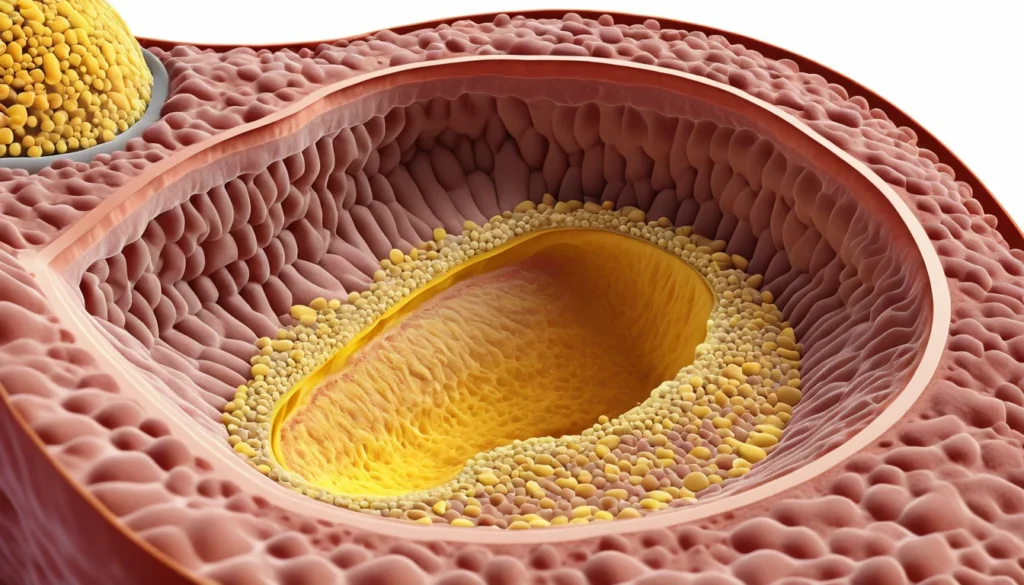
Fatty liver disease is a common condition where excess fat builds up inside the liver. It affects millions of Canadians and often causes no symptoms until it becomes serious. The good news is that, when caught early, fatty liver disease is often reversible. This guide explains what it is, what causes it, what to watch for, and how it is treated.
What Is Fatty Liver Disease?
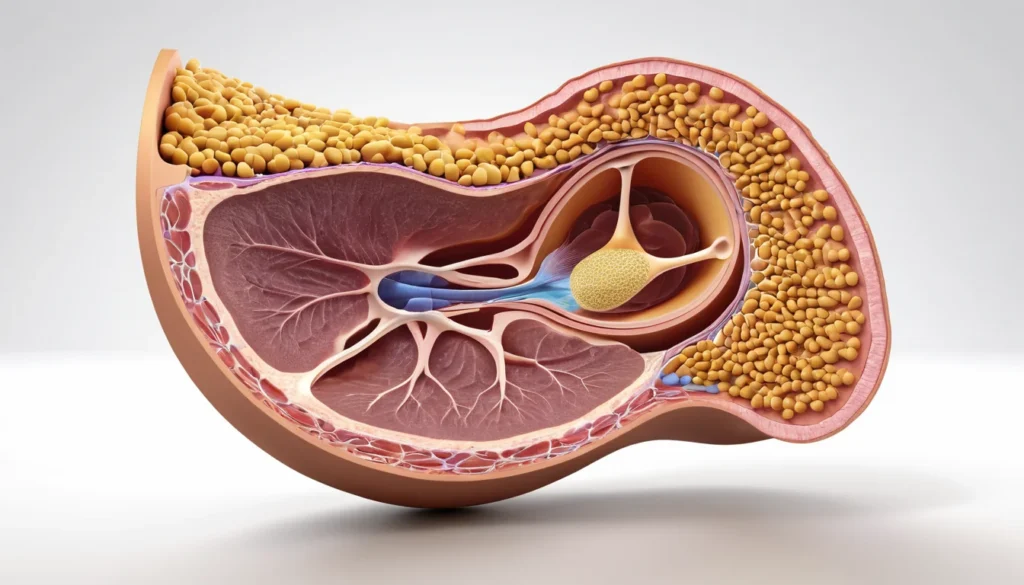
Your liver is one of the hardest-working organs in your body. It produces, stores, and processes fats to keep you healthy. However, when too much fat builds up inside liver cells, the result is fatty liver disease — also called hepatic steatosis.
In a healthy liver, a small amount of fat is normal. Problems begin when fat makes up more than five to ten percent of the liver’s total weight. At that point, the liver may start to struggle with its normal functions.
Fatty liver disease can be temporary or long-lasting. In many cases, it causes no pain at all. In fact, most people do not even know they have it until a routine blood test or physical exam reveals a problem.
The Two Main Types
Doctors divide fatty liver disease into two main categories based on alcohol use.
Alcoholic fatty liver disease (AFLD): Caused by heavy or long-term alcohol use. The liver struggles to break down fats when it is busy processing alcohol.
Non-alcoholic fatty liver disease (NAFLD): Occurs in people who drink little or no alcohol. It is closely linked to obesity, diabetes, and high triglyceride levels. Health Canada recognizes NAFLD as one of the most common liver conditions in the country.
Both types can progress to a more serious form called steatohepatitis, where the liver becomes inflamed. Over time, this inflammation can lead to scarring (cirrhosis) or liver failure.
Causes and Risk Factors of Fatty Liver Disease
Fatty liver disease does not have a single cause. Instead, several health conditions and lifestyle factors can trigger fat to build up in the liver.
Metabolic Syndrome
The most common underlying cause is metabolic syndrome — a cluster of conditions that occur together. These include type 2 diabetes, high blood pressure, obesity, and high triglyceride levels. When these conditions combine, the liver has a much harder time processing fats efficiently.
Insulin resistance plays a key role here. When your body’s cells stop responding well to insulin, the liver compensates by producing more fat. This extra fat then gets stored in liver cells rather than being used for energy.
Alcohol Use
Heavy or regular alcohol consumption is a leading cause of fatty liver disease. Alcohol interferes with the normal way the liver breaks down and removes fats. Furthermore, people who drink heavily often have poor diets, which adds to the problem through malnutrition.
Other Contributing Causes
In addition to metabolic syndrome and alcohol, other factors can lead to fatty liver disease. These include:
Overweight or obesity
Malnutrition or rapid weight loss
Certain medications, such as corticosteroids, tamoxifen, or methotrexate
Chemical or toxin exposure
Cushing’s syndrome (a hormonal disorder)
Excess iron stored in the liver
Reye’s syndrome (rare, occurs in children)
Pregnancy (a rare but serious form called acute fatty liver of pregnancy)
Even a minor hormonal imbalance or a bacterial infection can sometimes affect how the liver processes fat. Therefore, it is always worth talking to your family doctor if you have concerns about your liver health.
Symptoms of Fatty Liver Disease
One of the biggest challenges with fatty liver disease is that it is often a “silent” condition. In the early stages, most people feel completely normal. Symptoms, when they do appear, tend to be vague and easy to overlook.
Early-Stage Symptoms
In the beginning, you may experience mild or non-specific symptoms such as:
Fatigue or low energy
Mild discomfort or aching in the upper right side of the abdomen
A low-grade fever
These symptoms are easy to confuse with other common health issues. As a result, many people do not seek medical attention until the disease has already progressed.
Advanced-Stage Symptoms
In severe cases, the liver can swell to up to three times its normal size. At this point, fatty liver disease becomes much more noticeable. Advanced symptoms may include:
Jaundice (yellowing of the skin and eyes)
Significant fatigue and muscle weakness
Fluid build-up in the abdomen (ascites)
Itching on the hands and feet, and eventually the whole body
Loss of appetite and unexplained weight loss
Swelling in the legs and ankles
Gastrointestinal bleeding
Signs of liver failure
Symptoms During Pregnancy
Acute fatty liver of pregnancy is rare but extremely serious. It typically appears in the third trimester. Symptoms include nausea, vomiting, abdominal pain, and loss of appetite. This condition is a medical emergency and requires immediate hospital care. It is also associated with serious complications like preeclampsia and eclampsia, which involve dangerously high blood pressure and, in some cases, seizures.
How Fatty Liver Disease Is Diagnosed
Because fatty liver disease causes few early symptoms, it is most often discovered by accident. A routine blood test or a physical exam during a regular check-up may be the first sign something is wrong.
Physical Examination
During a physical exam, your doctor may press gently on your abdomen. If your liver is enlarged, they can often feel it. This alone is a strong signal that further testing is needed.
Blood Tests
Blood tests check how well your liver is functioning. Doctors look at liver enzyme levels, including ALT (alanine transaminase) and AST (aspartate transaminase). Elevated levels suggest the liver is under stress. In most cases, elevated alkaline phosphatase levels are also found, often linked to fat infiltration in the liver.
Imaging Tests
Several imaging tools help doctors get a clearer picture of the liver. These include:
Ultrasound: A non-invasive test that uses sound waves to create an image of the liver. It is usually the first imaging test ordered.
CT scan (computed tomography): Uses X-rays to produce cross-sectional images of the liver, giving more detail than an ultrasound.
MRI (magnetic resonance imaging): Produces detailed images using a magnetic field and sound waves. A contrast dye may be used to improve the image quality.
Liver Biopsy
In some cases, your doctor may recommend a liver biopsy. A small sample of liver tissue is removed through a tiny incision and examined under a microscope. This is the most accurate way to confirm a fatty liver disease diagnosis and to check for inflammation or scarring. According to the Mayo Clinic’s guide on non-alcoholic fatty liver disease, biopsy remains the gold standard for staging the condition.
Treatment for Fatty Liver Disease
The treatment for fatty liver disease depends on what is causing it. Importantly, if the condition has not yet led to serious complications, medication is often not required. Instead, lifestyle changes are the most powerful tool.
Lifestyle Changes
For most Canadians with fatty liver disease, the first line of treatment involves changes to daily habits. Your doctor or a registered dietitian may recommend:
Losing weight gradually: Even a five to ten percent reduction in body weight can meaningfully reduce liver fat.
Eating a balanced diet: Focus on fibre-rich foods like vegetables, legumes, and whole grains. Limit saturated fats, refined sugars, and processed foods.
Regular physical activity: Aim for at least 150 minutes of moderate exercise per week, as recommended by Canadian physical activity guidelines.
Reducing alcohol intake: If alcohol is a factor, cutting back — or stopping completely — is essential.
Limiting added sugar: High sugar intake, especially from sugary drinks and snacks, contributes to fat build-up in the liver.
Nutritional Support
In some cases, especially when malnutrition plays a role, vitamin and mineral supplementation may be recommended. Your doctor will guide you on which supplements, if any, are appropriate for your situation.
Managing Underlying Conditions
If metabolic syndrome, diabetes, or high cholesterol is contributing to your fatty liver disease, managing those conditions is a critical part of treatment. This may involve medication prescribed by your doctor, along with dietary and lifestyle changes.
In Pregnancy
Acute fatty liver of pregnancy is a medical emergency. It puts both the mother and the baby at serious risk. Prompt hospital care and, in most cases, early delivery are required to protect both lives.
The World Health Organization’s overview of obesity and metabolic health highlights how closely linked weight management is to conditions like fatty liver disease — reinforcing the importance of long-term lifestyle support.
When to See a Doctor
You should speak to your family doctor if you notice any unexplained fatigue, abdominal discomfort, or yellowing of your skin or eyes. Even if you feel fine, ask about liver health at your next routine check-up — especially if you have risk factors like obesity, diabetes, or a history of heavy drinking.
If you do not have a family doctor, a walk-in clinic can order initial blood tests and refer you to a specialist if needed. Early detection makes a significant difference. Fatty liver disease caught in the early stages is often fully reversible with the right changes.
If you are pregnant and experience nausea, vomiting, or upper abdominal pain in your third trimester, seek emergency care immediately. Do not wait for a scheduled appointment.
Always speak with a qualified healthcare provider before making significant changes to your diet, exercise routine, or medications. This article is for general information only and does not replace professional medical advice.
Frequently Asked Questions About Fatty Liver Disease
Can fatty liver disease be reversed?
Yes, fatty liver disease is often reversible when caught early. With the right lifestyle changes — such as gradual weight loss, a healthier diet, and reduced alcohol intake — the liver can heal itself over time. However, if the disease has progressed to significant scarring (cirrhosis), reversal becomes much more difficult.
What are the first signs of fatty liver disease?
In most cases, fatty liver disease causes no noticeable symptoms in its early stages. When symptoms do appear, they are often vague — such as mild fatigue, a dull ache in the upper right abdomen, or a low-grade fever. Because signs can be so subtle, many people discover the condition only through a routine blood test.
What foods should you avoid if you have fatty liver disease?
People with fatty liver disease are generally advised to avoid alcohol, sugary drinks, refined carbohydrates (like white bread and pastries), fried foods, and foods high in saturated fat. Instead, focus on a diet rich in vegetables, whole grains, lean protein, and healthy fats. A registered dietitian can help you build a meal plan that suits your specific needs.
Is fatty liver disease the same as cirrhosis?
No, fatty liver disease and cirrhosis are not the same thing, but one can lead to the other. Fatty liver disease is an early-stage condition where excess fat builds up in the liver. If left untreated and inflammation develops, it can eventually cause permanent scarring known as cirrhosis, which is a much more serious and harder-to-treat condition.
Can you have fatty liver disease if you don’t drink alcohol?
Absolutely. Non-alcoholic fatty liver disease (NAFLD) is one of the most common forms of this condition and occurs in people who drink little or no alcohol. It is strongly linked to obesity, type 2 diabetes, high triglycerides, and insulin resistance. In fact, NAFLD is increasingly common in Canada due to rising rates of these metabolic conditions.
How is fatty liver disease diagnosed in Canada?
In Canada, fatty liver disease is typically diagnosed through a combination of blood tests, a physical exam, and imaging tests such as an ultrasound or CT scan. These tests are covered under most provincial health plans when ordered by a family doctor or specialist. In some cases, a liver biopsy may be recommended for a more definitive diagnosis.
Key Takeaways
Fatty liver disease occurs when too much fat builds up inside liver cells, affecting liver function. There are two main types: alcoholic and non-alcoholic fatty liver disease. Both can progress to serious complications if untreated. The condition is often silent in its early stages — routine blood tests and physical exams are key to early detection. The most common risk factors include obesity, type 2 diabetes, high triglycerides, and heavy alcohol use. When caught early, fatty liver disease is often fully reversible through lifestyle changes such as weight loss, a healthier diet