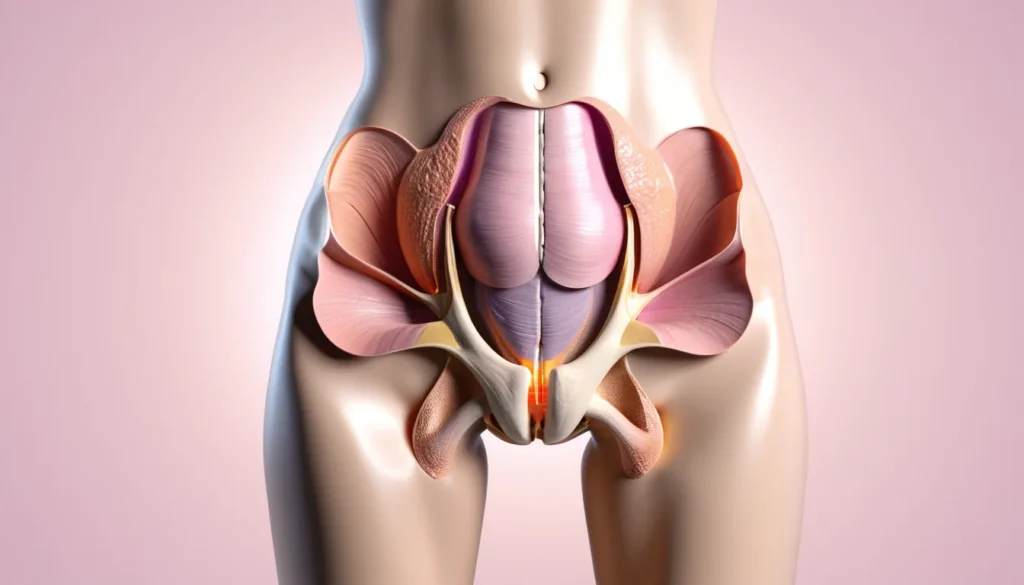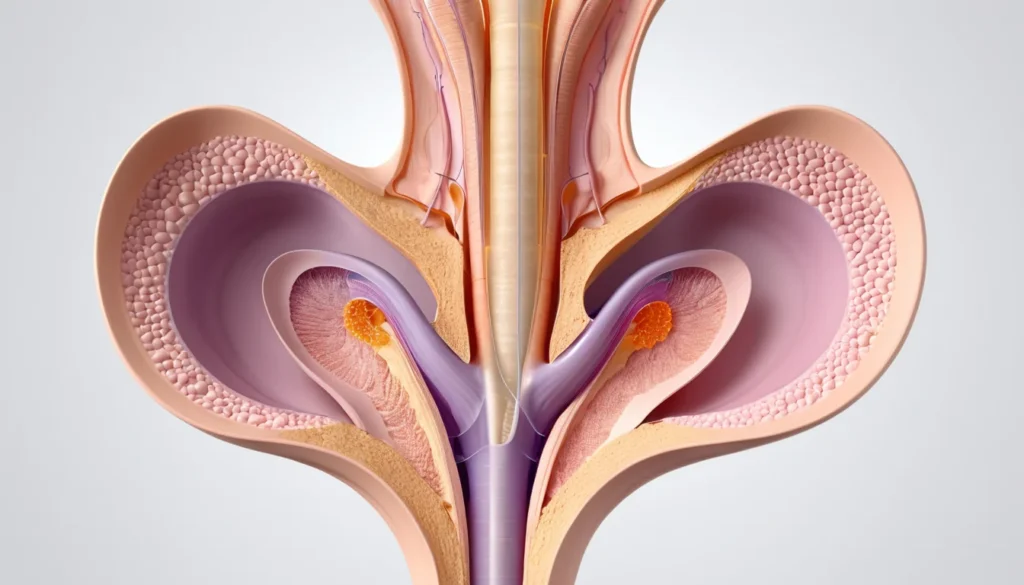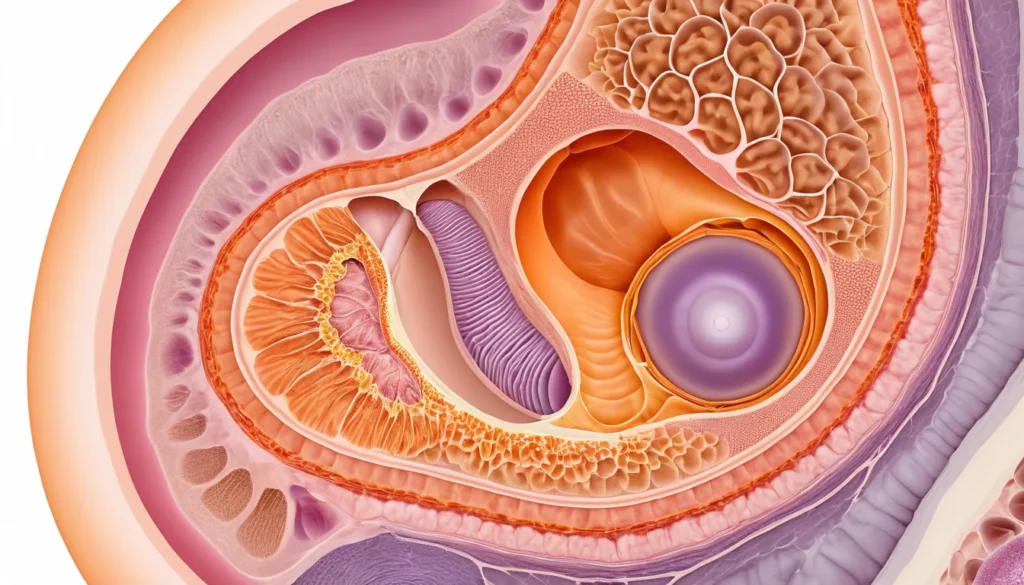
A fallopian tube infection, also called salpingitis, is a serious condition that affects the female reproductive system. It happens when bacteria travel into the fallopian tubes and cause inflammation and infection. Without early treatment, it can lead to lasting damage and affect your ability to get pregnant. This article explains what a fallopian tube infection is, how to recognize it, and what your treatment options are through the Canadian healthcare system.
What Are the Fallopian Tubes?
The fallopian tubes are two small, narrow tubes that connect the ovaries to the uterus. Each month, a mature egg travels from one of your ovaries through a fallopian tube toward the uterus. If a sperm fertilizes the egg along the way, the fertilized egg continues into the uterus, where a pregnancy can develop.
Because of this important role, healthy fallopian tubes are essential for natural conception. Any damage or blockage in these tubes can make it harder — or sometimes impossible — to get pregnant without medical help.
What Is a Fallopian Tube Infection (Salpingitis)?
Salpingitis is a type of Pelvic Inflammatory Disease (PID), as described by Health Canada. PID refers to infections that affect the reproductive organs, including the uterus, ovaries, and fallopian tubes. Salpingitis specifically targets the fallopian tubes.
The infection usually starts in one tube. However, it spreads easily to the other tube. As a result, both fallopian tubes are typically affected by the time a diagnosis is made. This is why early detection matters so much.
Acute vs. Chronic Salpingitis
A fallopian tube infection can be either acute or chronic. Acute salpingitis comes on suddenly with severe symptoms. Chronic salpingitis develops slowly over time, often with mild or no symptoms at all.
The chronic form is especially tricky. Many women do not realize they have it until complications appear. Unfortunately, a lack of symptoms does not mean the infection has gone away on its own.
Common Symptoms of a Fallopian Tube Infection
Not every woman with salpingitis will notice clear symptoms. This makes the condition easy to overlook. However, when symptoms do appear, they can range from mild to severe.
Common symptoms include:
Unusual vaginal discharge with a strong odour
Yellow or green vaginal discharge
Pain during ovulation, your period, or sexual intercourse
Bleeding between periods
Lower back pain
Pain in the lower abdomen or pelvis
Nausea or vomiting
Fever or chills
Frequent or painful urination
It is important to know that symptoms can disappear on their own for a short time. This does not mean the infection is gone. If you leave a fallopian tube infection untreated, the bacteria remain active and complications can develop.
Causes and Risk Factors
The main cause of a fallopian tube infection is a bacterial infection. In most cases, the bacteria travel up through the vagina and cervix during sexual activity. The two most common bacteria responsible are Chlamydia trachomatis (which causes chlamydia) and Neisseria gonorrhoeae (which causes gonorrhoea). Both are sexually transmitted infections (STIs).
According to Mayo Clinic’s overview of pelvic inflammatory disease, salpingitis is one of the most common serious infections among sexually active women. Roughly 2% of sexually active women receive a salpingitis diagnosis each year.
Who Is at Higher Risk?
Certain factors can increase your chances of developing a fallopian tube infection. You may be at higher risk if you:
Have had an STI in the past
Have unprotected sex
Have multiple sexual partners
Have a partner who has had multiple sexual partners
In rare cases, a fallopian tube infection can also develop as a complication of another abdominal infection, such as appendicitis. However, sexual transmission is by far the most common cause.
How Is a Fallopian Tube Infection Diagnosed?
Your doctor will start by reviewing your symptoms and your personal health history. After that, they will perform a physical examination to check for tenderness, swelling, or rigidity around the pelvic area. Early and accurate diagnosis is key to preventing serious complications.
In most cases, your doctor will also order one or more of the following tests:
Blood and urine tests: These look for signs of infection and inflammation in the body.
Swab test: Your doctor will gently swab the inside of your vagina and cervix. The sample is sent to a lab to identify the bacteria causing the infection.
Transvaginal or abdominal ultrasound: This imaging test lets your doctor view the fallopian tubes and surrounding reproductive organs.
Hysterosalpingography (HSG): This is a special X-ray that uses a contrast dye injected through the cervix. It helps the doctor see any blockages or abnormalities inside the fallopian tubes.
Laparoscopy: In some cases, a minor surgical procedure is used to directly view the fallopian tubes. This gives the clearest picture of the extent of the infection.
Getting a confirmed diagnosis is essential before starting treatment. Do not wait to seek care if you notice any of the symptoms listed above.
Treatment Options for Fallopian Tube Infections
The good news is that a fallopian tube infection is treatable, especially when it is caught early. Your doctor will tailor a treatment plan based on the severity of your infection and which bacteria are responsible.
Antibiotic Treatment
Antibiotics are the first-line treatment for salpingitis. Your doctor may prescribe oral antibiotics taken at home, or intravenous (IV) antibiotics given in a hospital setting for more severe cases. It is very important to complete the full course of antibiotics, even if you start feeling better before the prescription runs out.
Your sexual partner or partners will also need antibiotic treatment. This step is critical. If you complete your treatment but your partner does not, you can become re-infected after resuming sexual activity. Both partners must be treated at the same time.
Surgical Treatment
Surgery is not the first choice. However, it may be necessary in certain situations. For example, a surgeon may remove damaged or dead tissue caused by a severe infection. Surgery is also used to drain fluid that has built up inside the fallopian tubes.
Furthermore, surgery may be recommended for women who plan to become pregnant and have significant tube damage. Your doctor will discuss whether surgical intervention makes sense for your specific situation.
Complications of an Untreated Fallopian Tube Infection
Leaving a fallopian tube infection untreated is dangerous. The infection can spread beyond the fallopian tubes to the uterus, ovaries, and even other parts of the body. The complications can be serious and long-lasting.
Possible complications include:
Spread of infection to the uterus and ovaries
Chronic pelvic pain that lasts for months or years
Scarring and blockages inside the fallopian tubes
Abscess formation (a painful pocket of pus) in the pelvis
Ectopic pregnancy — a life-threatening condition where a fertilized egg implants inside the fallopian tube instead of the uterus
Infertility or difficulty conceiving
As outlined by the World Health Organization’s guide to sexually transmitted infections, untreated STIs and related complications like salpingitis are a leading cause of preventable infertility worldwide. Therefore, acting quickly when symptoms appear is essential.
Fallopian Tube Infections and Fertility
Many women worry about what a fallopian tube infection means for their ability to have children. The good news is that a prompt diagnosis and a complete course of treatment greatly reduce the risk of fertility problems.
If you receive treatment early and finish it completely, your fallopian tubes can often heal without permanent damage. Most women go on to have healthy pregnancies after a treated fallopian tube infection.
However, delayed treatment or incomplete treatment can cause scarring and blockages in the tubes. These changes can make it harder to conceive naturally and increase the risk of an ectopic pregnancy. If you are planning a pregnancy and have a history of salpingitis, talk to your doctor so they can monitor your reproductive health closely.
When to See a Doctor
If you notice any of the symptoms described in this article, do not wait. A fallopian tube infection can worsen quickly and cause permanent damage if left alone. Reaching out to your healthcare provider early makes a significant difference in your outcome.
In Canada, you have several options for getting care:
Your family doctor: This is your best first contact. They know your health history and can order the right tests and referrals.
A walk-in clinic: If you cannot get a same-day appointment with your family doctor, a walk-in clinic can assess you and start the diagnostic process.
Sexual health clinics: Many Canadian provinces offer free or low-cost sexual health clinics that provide confidential STI testing and treatment. These services are typically covered under your provincial health plan.
Emergency department: If you have severe abdominal pain, a high fever, or you feel very unwell, go to your nearest emergency department right away.
Always speak with a qualified healthcare professional before starting any treatment. Only a doctor can give you an accurate diagnosis and a safe, effective treatment plan suited to your needs.
Frequently Asked Questions About Fallopian Tube Infections
What are the first signs of a fallopian tube infection?
The first signs of a fallopian tube infection often include unusual vaginal discharge, pelvic or lower abdominal pain, and discomfort during sex. Some women also notice a mild fever or pain during their period. However, symptoms can be subtle or even absent in chronic cases, which is why regular sexual health check-ups are important.
Can a fallopian tube infection go away on its own?
A fallopian tube infection does not reliably go away on its own. Symptoms may ease temporarily, giving the false impression that the infection has cleared. Without proper antibiotic treatment, the bacteria remain active and can cause serious complications, including scarring, abscess formation, and infertility.
Can I get pregnant after a fallopian tube infection?
Yes, many women successfully get pregnant after a fallopian tube infection, especially if it was diagnosed and treated early. Delayed or incomplete treatment can cause scarring that blocks the tubes and makes natural conception harder. If you have a history of salpingitis, discuss your fertility plans with your family doctor or a specialist.
How is a fallopian tube infection treated in Canada?
In Canada, a fallopian tube infection is treated primarily with antibiotics, which are prescribed by your family doctor, walk-in clinic, or a sexual health clinic. The type and duration of antibiotics depend on which bacteria caused the infection. Treatment costs for medically necessary care are generally covered under provincial health plans, though prescription costs may vary by province.
Does my partner need to be treated for a fallopian tube infection?
Yes, your sexual partner must also receive antibiotic treatment when you are diagnosed with a fallopian tube infection caused by an STI. If your partner is not treated, you can become re-infected after resuming sexual activity, even if you completed your own course of antibiotics. Both partners should finish their full course of treatment before having sex again.
What is the difference between salpingitis and pelvic inflammatory disease (PID)?
Salpingitis is a specific type of pelvic inflammatory disease (PID) that affects the fallopian tubes. PID is a broader term that covers bacterial infections of the female reproductive organs, including the uterus and ovaries. A fallopian tube infection is one of the most common forms of PID and is often the starting point from which infection can spread to other organs.
Key Takeaways
A fallopian tube infection (salpingitis) is a bacterial infection of the tubes that connect your ovaries to your uterus. It is most commonly caused by sexually transmitted bacteria, including chlamydia and gonorrhoea. Symptoms include pelvic pain, unusual discharge, fever, and painful sex — but some women have no symptoms at all. Early diagnosis and a complete course of antibiotics are the most effective way to treat the infection and protect your fertility. Both you and your sexual partner need treatment to prevent re-infection. Leaving the infection untreated can cause serious complications, including chronic pain, ectopic pregnancy, and infertility. In Canada, you can access care through your family doctor, a walk-in clinic, or a provincial sexual health clinic — all covered under most provincial health