Fainting is a sudden, brief loss of consciousness that happens when your brain doesn’t get enough blood — and enough oxygen. It can be alarming, but in most cases, fainting is harmless and lasts only a few seconds to a minute. This article explains what causes fainting, what warning signs to watch for, how to help someone who has fainted, and when it’s time to talk to a family doctor or visit a walk-in clinic.
What Is Fainting?
Fainting — also called syncope (pronounced SIN-koh-pee) — is a temporary loss of consciousness. Unlike a seizure or a cardiac arrest, the heart keeps beating and breathing continues normally. Most people recover fully within a few minutes.
Before losing consciousness completely, many people experience a milder warning phase. Doctors sometimes call this a near-faint or pre-syncope. During this phase, you feel like you are about to pass out, but you may not fully lose consciousness.
According to Mayo Clinic’s overview of syncope, fainting is very common and affects people of all ages. However, recurring episodes always deserve medical attention.
Common Causes of Fainting
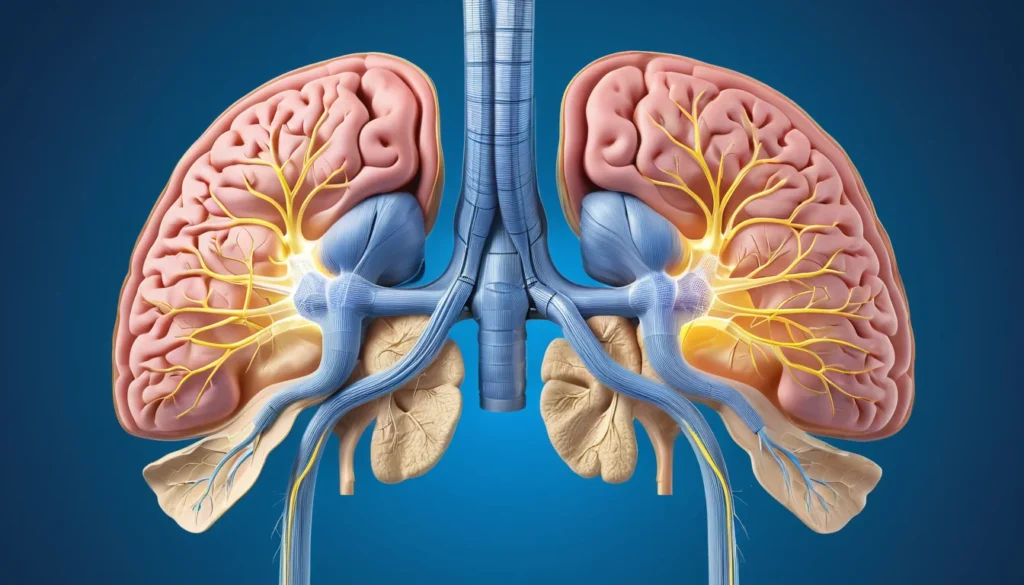
Fainting happens when blood flow to the brain drops suddenly. There are several reasons this can occur. Understanding the cause helps you — and your doctor — decide whether any treatment is needed.
Emotional or Physical Triggers
A sudden shock, intense fear, or the sight of blood can trigger fainting. This type is called vasovagal syncope, and it is the most common kind. Your nervous system overreacts, your heart rate slows, and blood pressure drops quickly.
Heavy physical effort, especially in a hot or poorly ventilated space, can also lead to fainting. For example, standing for long periods in a crowded or warm room is a well-known trigger. In addition, eating a very large meal in a stuffy environment can cause blood to pool in the digestive system, reducing flow to the brain.
Pressure on the Carotid Sinus
The carotid sinus is a small area on each side of your neck. It contains sensors called baroreceptors that help regulate blood pressure. When this area is compressed — for example, by a tight collar or turning your head sharply — it can trigger a sudden drop in blood pressure and cause fainting.
This type of fainting is called carotid sinus syndrome. It is more common in older adults. However, it can affect people of any age.
Medical Procedures and Situations
Having blood drawn, receiving a vaccination, or undergoing a minor medical procedure can trigger fainting in some people. The anticipation of pain or the sight of a needle is often enough to set off the vasovagal response.
Furthermore, certain medications — including those for high blood pressure — can cause fainting as a side effect. If you suspect your medication is causing dizziness or near-fainting episodes, speak with your pharmacist or family doctor before making any changes.
Warning Signs Before Fainting
Fainting rarely happens without any warning at all. Most people experience a cluster of symptoms in the moments before they lose consciousness. Recognising these signs gives you time to sit or lie down safely.
Physical Warning Signs
Common warning signs include a feeling of lightheadedness or an “empty head” sensation. You may notice your vision blurring or tunnelling, as though you are looking through a narrow tube. Pale skin, sweating, and nausea are also very common.
Your legs may feel weak or heavy, and you might feel an urgent need to lie down. Some people hear ringing in their ears or feel their heart racing just before they faint. These symptoms typically last only a few seconds to a minute before consciousness is lost — or before the episode passes without a full faint.
What Happens During a Faint
During a fainting episode, the person goes limp and falls to the ground. Their skin often looks pale or greyish. Breathing and a pulse are still present — this is an important difference from cardiac arrest.
The loss of consciousness usually lasts less than a minute. As soon as the person is horizontal, blood flow to the brain improves and they begin to recover. After waking, they may feel tired, confused, or slightly disoriented for a few minutes.
For a helpful overview of what syncope looks like and how it differs from other conditions, visit Healthline’s guide to syncope.
How to Help Someone Who Has Fainted
If someone near you faints, staying calm and acting quickly can help them recover safely. The steps are straightforward and do not require any medical training.
Immediate First Aid Steps
First, help the person lie flat on their back. Do not prop them up in a seated position — this can slow recovery. If possible, raise their legs about 30 centimetres (roughly 12 inches) off the ground to encourage blood flow back to the brain.
Loosen any tight clothing around the neck, chest, or waist. Move them away from the situation that triggered the faint, if it is safe to do so. For example, if they fainted from heat, move them to a cooler area with fresh air.
What Not to Do
Do not give the person anything to eat or drink until they are fully conscious and alert. In particular, do not offer alcohol — it can make the situation worse by further lowering blood pressure. Do not try to sit them up too quickly after they regain consciousness.
Most people recover fully within a few minutes. However, if the person does not regain consciousness within one to two minutes, or if they seem confused, injured, or are breathing abnormally, call 911 immediately.
After the Episode
Once the person is awake and feeling steadier, encourage them to rest before standing up. Help them rise slowly — first to sitting, then to standing — to avoid another episode. It is normal to feel tired or slightly weak for a short time after fainting.
Offer water if they feel thirsty and are fully alert. A calm environment and a few minutes of rest are usually enough for a full recovery from a simple fainting episode.
Who Is at Risk of Fainting?
Fainting can affect anyone, but certain groups of people are more prone to it. Knowing your risk factors helps you take simple steps to prevent episodes before they happen.
Age and Lifestyle Factors
Teenagers and young adults faint more often than other age groups, partly because of rapid growth and hormonal changes. Older adults are also at higher risk, especially if they take blood pressure medications or have heart conditions.
Dehydration is a major risk factor at any age. Not drinking enough water — particularly in hot weather or after exercise — reduces blood volume and makes fainting more likely. Furthermore, skipping meals or fasting can lower blood sugar, which may also trigger an episode.
Underlying Health Conditions
Certain health conditions increase the risk of fainting. These include low blood pressure (hypotension), anaemia, diabetes, and heart rhythm problems (arrhythmias). Anxiety disorders can also play a role, since intense anxiety can trigger the vasovagal response.
Pregnancy is another common cause of fainting, particularly in the first and second trimesters. If you are pregnant and experiencing fainting or near-fainting episodes, speak with your midwife or obstetrician right away.
The Health Canada website offers a range of resources to help Canadians understand cardiovascular and circulatory health conditions that may contribute to fainting.
How to Prevent Fainting
Many cases of fainting are preventable once you identify your personal triggers. Simple lifestyle changes can significantly reduce how often episodes occur.
Stay Hydrated and Eat Regularly
Drink enough water throughout the day, especially during warm weather or physical activity. Most adults need at least six to eight glasses of water daily. Eating regular meals helps keep your blood sugar stable and reduces the risk of fainting from low glucose.
Avoid large, heavy meals in warm or poorly ventilated spaces. If you know you tend to faint after eating, try smaller meals more frequently throughout the day instead.
Manage Known Triggers
If you have a history of fainting at the sight of blood or during medical procedures, tell your healthcare provider before your appointment. They can take steps to keep you comfortable — such as having you lie down during a blood draw rather than sitting up.
When you feel warning signs coming on, act quickly. Sit or lie down immediately. Crossing your legs and tensing your muscles can also help push blood back toward the brain and prevent a full faint. This technique is called applied muscle tension and some people find it very effective.
Review Your Medications
Some medications cause dizziness or a drop in blood pressure, especially when you stand up quickly. This is called orthostatic hypotension. If you notice this pattern, your family doctor may be able to adjust your dose or switch you to a different medication.
Never stop or adjust prescription medication on your own. Always consult your doctor or pharmacist first.
When to See a Doctor
Most single episodes of fainting in otherwise healthy people are not a cause for serious concern. However, some situations call for a visit to your family doctor or a local walk-in clinic — and some require emergency care right away.
Visit a Walk-In Clinic or Family Doctor If:
You have fainted more than once, even if you felt fine afterward.
You fainted without any clear trigger or warning signs.
You fainted during or immediately after exercise.
You have a known heart condition, diabetes, or are taking blood pressure medication.
You are pregnant and experiencing near-fainting episodes.
A family member has a history of sudden cardiac problems.
Your doctor will likely ask about your symptoms, your medical history, and any medications you take. They may recommend an electrocardiogram (ECG), blood tests, or a referral to a specialist depending on what they find. Most provincial health plans in Canada cover these assessments when ordered by your family doctor.
Call 911 Immediately If:
The person does not regain consciousness within one to two minutes.
They hit their head during the fall and may be injured.
They are breathing abnormally or are not breathing at all.
They have chest pain, a very irregular heartbeat, or difficulty speaking after waking.
They have a seizure during or after the episode.
These symptoms may point to a more serious underlying cause that needs immediate medical attention. Do not wait to see if they improve on their own.
Frequently Asked Questions About Fainting
What is the most common cause of fainting?
The most common cause of fainting is vasovagal syncope, which happens when your nervous system overreacts to a trigger such as emotional stress, pain, or the sight of blood. This reaction causes your heart rate and blood pressure to drop suddenly, reducing blood flow to the brain. Fainting from this cause is usually harmless and resolves quickly when you lie down.
How long does a fainting episode usually last?
Most fainting episodes last less than one minute. Once the person is lying flat, blood flow to the brain is restored quickly and they begin to wake up. If someone remains unconscious for longer than one to two minutes after fainting, call 911 right away.
Is fainting dangerous?
In most cases, a single episode of fainting is not dangerous and has a benign cause. However, fainting can be risky if the person falls and injures themselves, or if it signals an underlying heart or neurological condition. Recurring fainting episodes should always be assessed by a doctor.
Can dehydration cause fainting?
Yes, dehydration is a well-known trigger for fainting. When your body lacks enough fluids, blood volume drops and your blood pressure can fall too low to maintain proper circulation to the brain. Staying well hydrated — especially in hot weather or during exercise — is one of the easiest ways to reduce your risk of fainting.
Should I go to the hospital after fainting?
If you fainted once and recovered fully with no injury, you do not necessarily need to go to the emergency room. However, you should visit your family doctor or a walk-in clinic to discuss the episode, especially if you have no obvious explanation for it. Go to the emergency room or call 911 if you lost consciousness for more than a minute, hit your head, have chest pain, or have a known heart condition.
What is the difference between fainting and a seizure?
Fainting and a seizure can look similar, but they are very different. During fainting, the person goes limp, is pale or grey, and recovers quickly once lying flat. During a seizure, the person may have uncontrolled muscle movements, may turn blue, and recovery often takes longer with a period of confusion afterward. If you are not sure which one occurred, seek medical attention promptly.
Key Takeaways
Fainting is a brief, sudden loss of consciousness caused by reduced blood flow to the brain.
Common triggers include emotional stress, pain, dehydration, heat, and pressure on the neck.
Warning signs include lightheadedness, blurred vision, pale skin, and sweating.
First aid involves laying the person flat and raising their legs — never give alcohol or prop them up.
Most episodes are harmless and resolve within minutes, but recurring fainting always needs medical review.
Visit a walk-in clinic or your family doctor if fainting keeps happening or has no clear cause.
Call 911 if the person does not wake up within one to two minutes, or shows signs of serious injury.
Most assessments for fainting — including ECGs and blood tests — are covered by provincial health plans when referred by a family doctor.
This article