A face transplant is one of the most complex and demanding surgeries in modern medicine. It replaces a severely damaged or disfigured face with tissue from a deceased donor. This procedure can restore a person’s ability to eat, speak, breathe, and engage with the world around them. In this article, we explain how face transplants work, who qualifies, what the surgery involves, and what risks patients should understand.
What Is a Face Transplant?
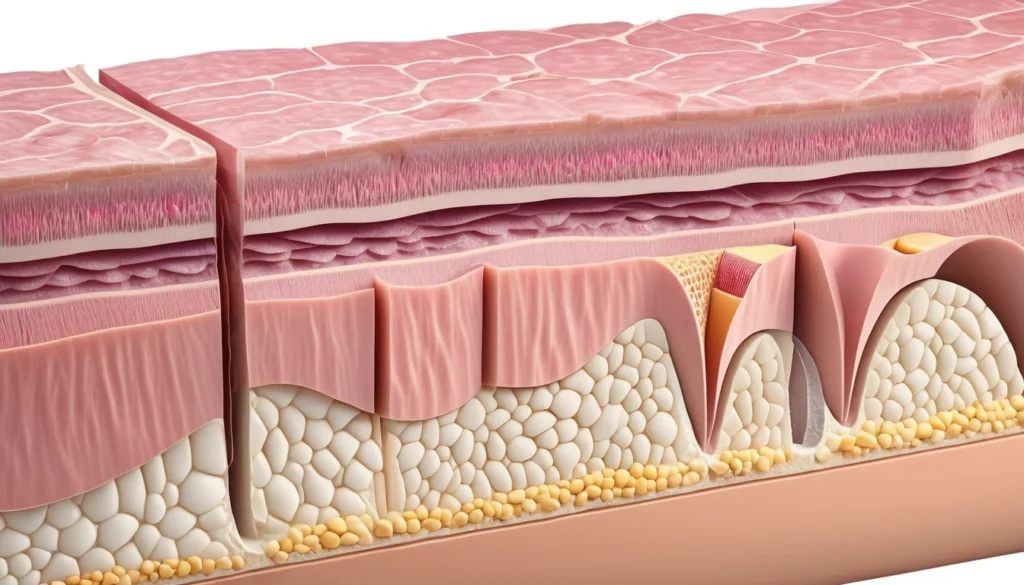
A face transplant is a surgical procedure that replaces all or part of a person’s face using donated tissue. Surgeons transplant skin, muscle, nerves, cartilage, and sometimes bone from a donor to the recipient. The goal is to restore both appearance and function to someone with severe facial disfigurement.
The world’s first face transplant took place in France in 2005. Since then, France, Turkey, Spain, and the United States have led research and surgical advances in this field. Today, this procedure remains rare but life-changing for those who receive it.
Disfigurement can result from many causes. These include severe burns, traumatic injuries, facial tumours, or genetic conditions that cause significant malformation. Beyond physical function, a face transplant can also help patients reconnect socially. Many people with severe facial injuries withdraw from daily life due to the emotional impact of their appearance.
Who Qualifies for a Face Transplant?
Not everyone with facial injuries is a candidate for a face transplant. The procedure is expensive, technically demanding, and carries serious risks. Medical teams use strict criteria to identify suitable candidates.
General Eligibility Criteria
Candidates are typically evaluated against the following requirements:
Age between 18 and 60 years
Significant facial trauma or disfigurement
No history of HIV infection or hepatitis
Willingness to take long-term immunosuppressant medications
No history of cancer within the past five years
Commitment to avoiding pregnancy for at least one year after surgery
These criteria exist to protect the patient’s safety and improve the chance of a successful outcome. Long-term medication compliance is especially critical. Without it, the body is far more likely to reject the new face.
Psychological Screening
Mental health is just as important as physical health in this process. Candidates go through a thorough psychological evaluation before being approved. Surgeons and psychologists assess how well the patient understands the procedure, the recovery, and the lifelong commitment involved.
Family members are also interviewed as part of this screening. The support system around the patient plays a major role in recovery. Teams want to ensure both the patient and their loved ones are prepared for what lies ahead.
The Screening and Matching Process
Before surgery can happen, a detailed screening process takes place. The transplant team — made up of surgeons, neurologists, and other specialists — assesses the extent of facial damage. They evaluate the health of remaining muscles, nerves, and bones.
Nerve regeneration is a key factor in long-term success. Surgeons estimate the nerves’ ability to regrow and function before approving a candidate. This helps predict how well the patient will regain movement and sensation after the transplant.
Donor Matching
Face donation is separate from standard organ donation registration. It is not considered a vital organ in the traditional sense, so it requires a separate and very specific consent process. Donors and their families must give informed, thoughtful consent.
Matching goes well beyond blood type. The transplant team also considers skin tone, hair colour, sex, ethnicity, and the size and shape of the face and head. Finding a close match is essential for both aesthetic and functional results.
Once approved, candidates are placed on a waiting list. The wait can range from a few weeks to several months, depending on donor availability. According to Health Canada, organ and tissue donation programs continue to evolve to meet patient needs across the country.
What Happens During a Face Transplant?
Candidates must be ready to go to hospital at any time, day or night. Once a matching donor becomes available, the surgical team contacts the recipient immediately. The patient is admitted, assessed, and prepared for the operating room.
Before surgery begins, imaging tests help surgeons map the exact anatomy of the patient’s face. These scans guide the surgical plan and reduce risk during the operation.
Two Teams, One Operation
As soon as the donor is available, two separate surgical teams begin working at the same time. One team prepares the recipient’s face for the new tissue. The other team works with the donor to retrieve the facial tissue carefully and safely.
Surgeons then connect the donor face to the recipient’s remaining bone and muscle structure. They use a surgical microscope for microsurgery, carefully joining arteries, veins, and nerves one by one. This level of precision is what makes the surgery so technically demanding.
Once blood flow is confirmed through the transplanted face, surgeons connect the soft tissues and close the skin with sutures. The entire procedure takes at least 16 hours, and often longer, depending on the complexity of each case. For more on complex surgical procedures, Mayo Clinic provides detailed surgical procedure guides for patients and families.
After Surgery: Recovery in Hospital
After the operation, the patient moves to an intensive care unit (ICU). Most patients spend about one week in the ICU. The team monitors closely for early signs of rejection or complications.
From the ICU, the patient transfers to a specialised transplant unit. Here, they receive medications and begin early rehabilitation. The total hospital stay can range from two to four weeks, depending on recovery progress and available home support.
Every case is different. Factors such as complications, home care support, and overall health all affect how long a patient stays in hospital. In all cases, face transplant recovery is more demanding than most other types of transplant surgery.
Risks of a Face Transplant
Like all major surgeries, a face transplant carries significant risks. Patients must fully understand these risks before giving consent. Informed decision-making is a cornerstone of ethical surgical care.
Surgical and Anaesthetic Risks
Because the surgery lasts so many hours, complications can be life-threatening. Heavy bleeding, blood clots (thrombosis), and serious infection are all possible. Anaesthesia over such a long period also carries its own risks. Some patients experience complications when waking from a 16-hour procedure.
Transplant Rejection
Rejection is the body’s immune response to foreign tissue. In a face transplant, rejection means the immune system attacks the donor face. Unfortunately, rejection cannot be fully prevented — only managed.
Immunosuppressant medications reduce the risk of rejection significantly. However, these drugs must be taken for life, and they come with their own side effects. These can include a higher risk of infection and certain cancers over time. Healthline explains the long-term medication requirements after a face transplant in further detail.
Furthermore, even with the best medical care, the body may ultimately reject the new face. This is one reason why psychological preparation and realistic expectations are so important before surgery.
When to Talk to a Doctor
A face transplant is not a first-line treatment. Before reaching this stage, patients typically explore many other reconstructive options. If you or someone you love has experienced severe facial disfigurement, start by speaking with your family doctor or visiting a walk-in clinic.
Your family doctor can refer you to a specialist in reconstructive or plastic surgery. Provincial health plans across Canada may cover some reconstructive procedures, depending on the province and the clinical need. It is important to discuss all available options with a qualified medical team before considering a procedure as significant as a face transplant.
Always consult a licensed healthcare provider before making any decisions about surgery or transplantation. Every person’s situation is unique, and only a medical professional can assess what is right for you.
Frequently Asked Questions About Face Transplants
How long does a face transplant surgery take?
A face transplant typically takes at least 16 hours to complete. The exact duration depends on the complexity of the case and the anatomy of both the donor and recipient. Two surgical teams work simultaneously to reduce overall time and protect tissue health.
Can the body reject a face transplant?
Yes, transplant rejection is a real and serious risk after a face transplant. The immune system may recognise the donor tissue as foreign and attack it. Patients must take immunosuppressant medications for life to reduce this risk, though rejection can still occur.
Who is eligible for a face transplant in Canada?
Candidates for a face transplant are generally between 18 and 60 years old and have severe facial disfigurement from burns, trauma, or disease. They must also be in good general health, have no recent cancer history, and commit to lifelong medication. Speak with your family doctor or a reconstructive surgery specialist to explore your options.
How long is the recovery after a face transplant?
Hospital stays after a face transplant typically last between two and four weeks. Patients spend the first week in intensive care, followed by time in a specialised transplant unit. Full recovery, including nerve regeneration and rehabilitation, can take months to years.
Does a face transplant change how a person looks?
After a face transplant, the recipient does not look exactly like the donor or like their former self. The result is a blend influenced by the recipient’s underlying bone structure and the donor’s soft tissue. The primary goal is restored function and a significant improvement in appearance.
Is a face transplant covered by provincial health plans in Canada?
Face transplants are extremely rare and are not routinely covered by provincial health plans in Canada. Coverage for reconstructive procedures varies by province and clinical need. Your family doctor can help you understand what options may be available through your provincial health system.
Key Takeaways
A face transplant replaces severely damaged facial tissue with skin, muscle, nerves, and bone from a deceased donor.
Candidates must meet strict medical and psychological criteria, including a commitment to lifelong immunosuppressant medication.
The surgery takes at least 16 hours and involves two surgical teams working simultaneously.
Recovery requires up to four weeks in hospital, followed by ongoing rehabilitation and monitoring.
Transplant rejection is a serious risk that cannot be fully prevented, only managed with medication.
If you are dealing with severe facial disfigurement, speak with your family doctor or visit a walk-in clinic to explore your reconstructive options.
Always consult a qualified healthcare professional before making any decisions about complex surgical procedures.