An eye pressure test, known medically as tonometry, is a quick and painless procedure that measures the pressure inside your eyes. It is one of the most important tools doctors use to detect glaucoma early — a condition that can quietly steal your vision if left untreated. In this article, we explain what the test involves, who should get one, and what your results might mean for your eye health.
What Is an Eye Pressure Test (Tonometry)?
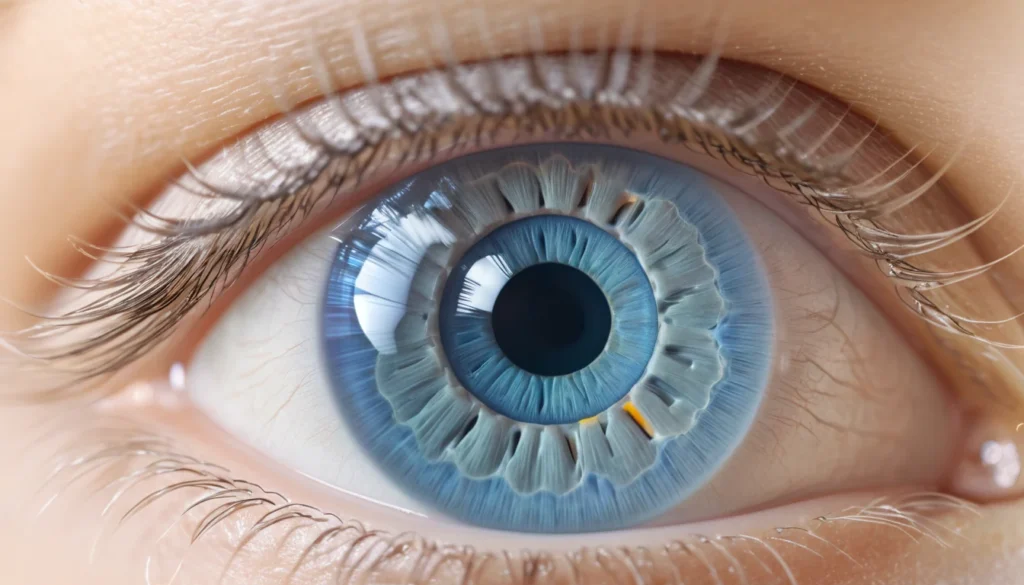
Tonometry measures the intraocular pressure (IOP) inside your eye. “Intraocular” simply means “within the eye.” Your eye constantly produces a fluid called aqueous humour, which flows in and drains out to keep a healthy pressure balance.
When that drainage slows or stops, pressure builds up. High eye pressure can damage the optic nerve over time. This nerve connects your eye to your brain, and damage to it can cause permanent vision loss.
Therefore, an eye pressure test is not just a routine check — it is a potentially vision-saving measurement. According to the World Health Organization, glaucoma is one of the leading causes of irreversible blindness worldwide.
Why Is the Eye Pressure Test Important for Canadians?
Glaucoma affects more than 750,000 Canadians, and many people do not know they have it. The condition rarely causes pain or noticeable symptoms in its early stages. By the time vision changes become obvious, significant damage may already have occurred.
Regular eye pressure testing is one of the only ways to catch glaucoma before it progresses. Your provincial health plan may cover routine eye exams for certain age groups. For example, many provinces cover annual eye exams for children and seniors. Check with your provincial health authority to understand what is covered in your area.
In addition, people with a family history of glaucoma, diabetes, or high blood pressure face a higher risk. For these individuals, routine tonometry is especially important.
Who Is at Higher Risk?
Certain groups of people benefit most from regular eye pressure testing. These include:
Adults over the age of 40
People with a family history of glaucoma
Individuals with diabetes or high blood pressure
Those who have had a previous eye injury
People of African, Hispanic, or Asian descent, who face a statistically higher risk
Long-term users of corticosteroid medications
If you fall into any of these categories, speak with your family doctor or optometrist about how often you should have your eye pressure checked.
How Is an Eye Pressure Test Performed?
The most precise form of tonometry is called applanation tonometry. This is the gold standard used in most optometry and ophthalmology offices across Canada. However, there are several methods your provider might use depending on the situation.
Applanation Tonometry: Step by Step
This method uses a slit-lamp biomicroscope — a large, specialized microscope your eye doctor looks through while you sit in front of it. The process is straightforward and takes only a few minutes.
First, your eye care provider places a drop of anaesthetic eye solution in each eye. This numbs the surface of your eye so you feel nothing during the test. The drops also contain a dye called fluorescein, which glows under a blue light to help the doctor take an accurate reading.
Next, a small probe gently touches the surface of your cornea — the clear, dome-shaped front of your eye. You may feel very slight pressure, but it should not hurt. The device measures exactly how much force is needed to flatten a tiny area of the cornea, which directly corresponds to the pressure inside your eye.
It is important to keep your eyes open and avoid blinking during the brief moment of measurement. Most people find this easier than they expect, especially because the anaesthetic drops reduce any urge to blink.
Non-Contact Tonometry (The “Air Puff” Test)
You may have experienced the air puff test at a routine eye exam. This method uses a quick burst of air directed at your eye to measure pressure without any physical contact. It does not require anaesthetic drops.
The air puff test is commonly used for initial screening because it is fast and non-invasive. However, it is generally considered less precise than applanation tonometry. If your air puff result is higher than normal, your eye doctor will likely follow up with a more detailed measurement.
Other Types of Tonometry
There are additional methods used in specific situations, including:
Goldmann applanation tonometry: The most accurate method, used in specialist offices.
Rebound tonometry: Uses a small probe that briefly bounces off the eye’s surface. Often used for children or patients who cannot tolerate other methods.
Pneumotonometry: Uses a small air jet but with a soft tip. More precise than standard non-contact tonometry.
Your optometrist or ophthalmologist will choose the most appropriate method based on your age, eye health history, and comfort level.
What Do the Results Mean?
Normal eye pressure typically falls between 10 and 21 mmHg (millimetres of mercury). A reading above 21 mmHg may indicate elevated intraocular pressure, which your doctor will want to monitor closely.
However, it is important to understand that high eye pressure alone does not automatically mean you have glaucoma. Some people have naturally higher pressure without any optic nerve damage. This condition is called ocular hypertension. Conversely, some people develop glaucoma even with normal pressure levels — a condition called normal-tension glaucoma.
Therefore, your eye care provider will interpret your eye pressure test results alongside other findings, such as:
The appearance of your optic nerve
Your visual field test results
The thickness of your cornea
Your overall medical history
A single high reading does not necessarily lead to a diagnosis. Your doctor may repeat the test on a different day or refer you to an ophthalmologist (an eye specialist) for further evaluation. Learn more about how glaucoma is diagnosed and treated at Mayo Clinic.
Are There Any Risks or Contraindications?
Tonometry is considered a very safe procedure. Serious complications are rare. However, there are a few situations where the test may not be appropriate or requires extra care.
When Tonometry May Be Postponed
Your eye care provider will generally avoid performing applanation tonometry if you have an active eye infection. Conditions such as conjunctivitis (commonly called pink eye) or keratitis (an infection or inflammation of the cornea) can spread through direct contact with instruments. In these cases, it is safer to wait until the infection has fully cleared before testing.
Furthermore, if you wear contact lenses, you will need to remove them before the test. The anaesthetic drops and fluorescein dye can temporarily stain soft contact lenses.
What to Expect After the Test
After applanation tonometry, the anaesthetic drops wear off within about 20 to 30 minutes. During this time, avoid rubbing your eyes, as the numbness may mask discomfort or accidental irritation. Your vision may also be slightly blurred immediately after the test due to the dye.
Most people return to normal activities right away. If you experience persistent redness, pain, or vision changes after the test, contact your eye care provider promptly.
How Often Should You Get an Eye Pressure Test?
The recommended frequency of eye pressure testing depends on your age, risk factors, and overall eye health. As a general guide:
Adults under 40 with no risk factors: Every 5 to 10 years as part of a routine comprehensive eye exam.
Adults aged 40 to 54: Every 2 to 4 years.
Adults aged 55 to 64: Every 1 to 3 years.
Adults 65 and older: Every 1 to 2 years.
High-risk individuals of any age: As recommended by your eye care provider, often annually or more frequently.
These are general recommendations. Your optometrist or family doctor may suggest a different schedule based on your individual health needs. You can also find helpful guidance through Health Canada’s official health resources.
When to See a Doctor About Your Eye Health
You should speak with your family doctor or optometrist if you notice any changes in your vision. These changes might include blurry vision, halos around lights, loss of side (peripheral) vision, or eye pain. These symptoms do not always mean you have glaucoma, but they do deserve prompt attention.
If you do not have a regular optometrist, your family doctor can refer you to one. Alternatively, many walk-in clinics can assess basic eye concerns and help you get a referral to a specialist if needed. Do not wait for symptoms to become severe before seeking help.
Remember, glaucoma often causes no symptoms in its early stages. That is exactly why routine eye pressure testing matters so much — it can detect a problem before you even notice anything is wrong.
As always, please consult your family doctor, optometrist, or another qualified healthcare provider before making any decisions about your eye health or treatment. The information in this article is for general educational purposes only.
Frequently Asked Questions About Eye Pressure Tests
Is an eye pressure test painful?
No, an eye pressure test is generally painless. For applanation tonometry, anaesthetic drops numb the surface of your eye before the probe makes contact. Most people feel only a very brief, mild sensation of pressure.
How long does a tonometry test take?
The actual measurement takes only a few seconds per eye. However, with preparation — including applying anaesthetic drops and allowing them to take effect — the full process typically takes about five to ten minutes. It is often performed as part of a broader comprehensive eye exam.
What is a normal result on an eye pressure test?
A normal eye pressure test result is typically between 10 and 21 mmHg. A reading above 21 mmHg may suggest elevated pressure that requires monitoring. However, your eye doctor will consider many other factors before making any diagnosis.
Is tonometry covered by provincial health plans in Canada?
Coverage varies by province. Many provincial health plans cover comprehensive eye exams — which include tonometry — for children, seniors, and individuals with certain medical conditions. It is best to check directly with your provincial health authority or insurance provider to confirm what is included in your coverage.
Can I drive after an eye pressure test?
If your appointment involves only tonometry without dilation of your pupils, you can usually drive afterward once the brief blurring from the dye clears. However, if your eye care provider also dilates your pupils during the same visit, you should arrange for someone else to drive you home, as your vision may be sensitive to light and temporarily blurred.
Can an eye pressure test detect glaucoma on its own?
An eye pressure test is an important screening tool for glaucoma, but it cannot diagnose the condition on its own. A complete glaucoma assessment also includes examining the optic nerve, testing your visual field, and measuring corneal thickness. Your eye care provider will combine all of these results to form an accurate picture of your eye health.
Key Takeaways
An eye pressure test (tonometry) measures the pressure inside your eye to help detect glaucoma early.
The test is quick, safe, and generally painless, especially when anaesthetic drops are used.
Normal eye pressure ranges from 10 to 21 mmHg. Readings outside this range require further evaluation.
The test is not performed during active eye infections such as conjunctivitis or keratitis.
Canadians over 40, and those with risk factors like a family history of glaucoma or diabetes, should be tested regularly.
Coverage for eye exams varies by province — check with your provincial health plan.
Talk to your family doctor, optometrist, or a walk-in clinic if you have concerns about your eye pressure or vision changes.