The eye lens is a small but vital part of your eye. It sits just behind the pupil and helps focus light onto the back of your eye so you can see clearly. Without a healthy eye lens, everyday tasks like reading, driving, and recognizing faces become difficult. This article explains how the eye lens works, what can go wrong, and how Canadians can protect their vision.
What Is the Eye Lens?
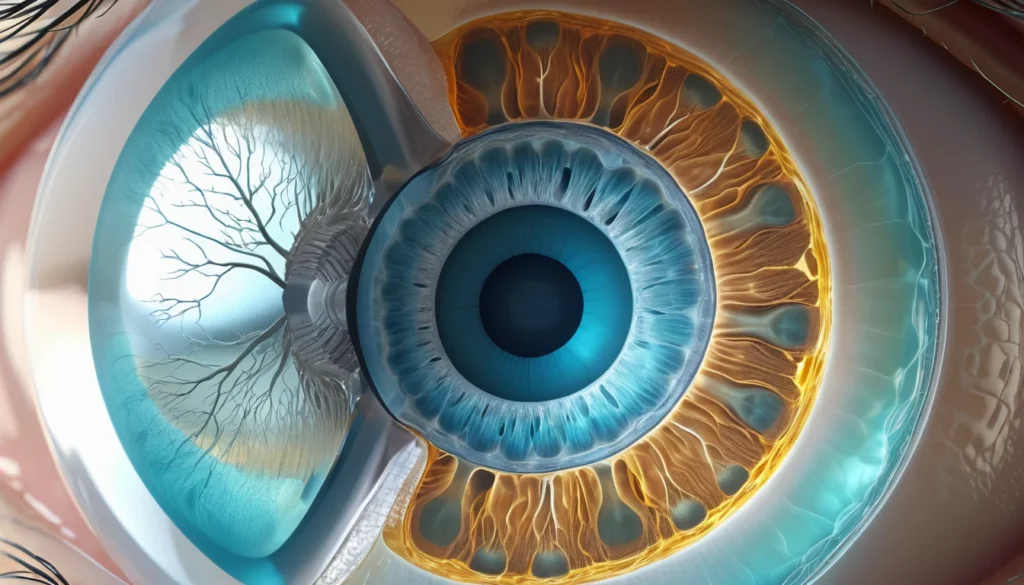
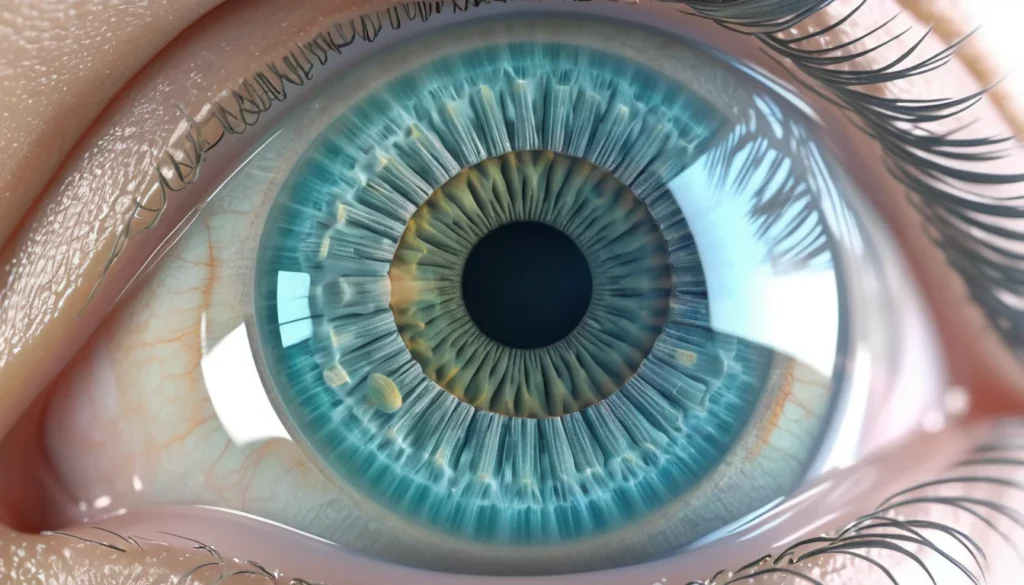
The eye lens — also called the crystalline lens — is a clear, flexible structure inside your eye. It is shaped like a small oval and sits directly behind the iris, the coloured part of your eye.
The lens works together with the cornea to bend incoming light. This bending process is called refraction. It directs light precisely onto the retina at the back of your eye, which then sends signals to your brain so you can see images.
Unlike most tissues in the body, the eye lens has no blood vessels. Instead, it gets nutrients from the fluid that surrounds it, called the aqueous humour. This makes it somewhat fragile to changes in the body over time.
How the Eye Lens Works
The eye lens can change shape to focus on objects at different distances. This process is called accommodation. When you look at something nearby, the lens becomes rounder. When you look at something far away, it flattens.
Tiny muscles called the ciliary muscles control this shape change. These muscles surround the lens and are attached to it through small fibres called zonules. When the muscles contract or relax, the lens adjusts accordingly.
This system works remarkably well in younger people. However, as we age, the lens gradually loses flexibility. As a result, focusing on close objects becomes harder. This age-related change is called presbyopia, and it is very common in adults over 40.
The Role of the Lens in Clear Vision
Clear vision depends on the lens being both transparent and properly shaped. If the lens becomes cloudy, discoloured, or misshapen, your vision changes. You may notice blurring, halos around lights, or difficulty seeing in low light.
The lens must also sit in the correct position inside the eye. If it shifts out of place — a condition called lens dislocation — vision problems can occur quickly and may need urgent care.
Common Eye Lens Conditions
Several health conditions can affect the eye lens. Some develop slowly over many years. Others can appear more suddenly. Knowing the signs early can help protect your vision.
Cataracts
A cataract forms when the proteins inside the eye lens clump together, making the lens cloudy. This is the most common eye lens condition in Canada. In fact, cataracts are the leading cause of reversible vision loss worldwide, according to the World Health Organization.
Cataracts develop slowly, usually over several years. Common symptoms include blurry or foggy vision, increased sensitivity to glare, faded colours, and difficulty seeing at night. Many people first notice trouble reading fine print or driving after dark.
Risk factors for cataracts include aging, diabetes, prolonged sun exposure, smoking, and long-term use of certain medications like corticosteroids. The good news is that cataract surgery is one of the most successful surgeries performed in Canada today. It involves removing the cloudy lens and replacing it with a clear artificial one.
Presbyopia
Presbyopia is not a disease — it is a natural part of aging. As the eye lens stiffens with age, it loses the ability to switch focus between near and far objects. Most Canadians begin to notice this in their early to mid-40s.
The most obvious sign is needing to hold reading material farther away to see it clearly. Reading glasses or progressive lenses are the most common solution. Your optometrist or family doctor can refer you to an eye specialist for a full assessment.
Lens Dislocation (Ectopia Lentis)
Sometimes the eye lens can shift from its normal position. This is called lens dislocation or ectopia lentis. It can happen due to injury, or it can be linked to genetic conditions such as Marfan syndrome.
Symptoms may include sudden blurring, double vision, or a visible shift in the pupil’s appearance. This condition requires prompt medical attention. If you experience sudden changes in vision, visit a walk-in clinic or emergency department right away.
Myopia and Hyperopia
Both nearsightedness (myopia) and farsightedness (hyperopia) involve how the eye lens focuses light. In myopia, light focuses in front of the retina instead of on it. In hyperopia, it focuses behind the retina.
These are very common refractive errors that affect millions of Canadians. They are typically corrected with glasses, contact lenses, or laser eye surgery. Regular eye exams help detect and manage these conditions early. Health Canada offers guidance on maintaining good eye health throughout your life.
What Affects Eye Lens Health?
Several lifestyle and medical factors influence how well your eye lens holds up over time. Understanding these factors can help you make choices that protect your vision.
Age
Age is the single biggest factor in eye lens changes. As you get older, the lens becomes denser and less flexible. Proteins inside the lens can break down, leading to cloudiness. This is why eye exams become more important as you age.
Diet and Nutrition
A diet rich in antioxidants may help protect the eye lens. Nutrients like vitamin C, vitamin E, lutein, and zeaxanthin are especially beneficial. These are found in leafy green vegetables, colourful fruits, eggs, and nuts.
Some research suggests that a diet high in processed foods and sugar may increase the risk of cataracts. Therefore, eating a balanced diet is one of the simplest ways to support your eye health.
Sun Exposure
Ultraviolet (UV) radiation from the sun can damage the proteins in the eye lens over time. Wearing sunglasses that block 100% of UVA and UVB rays is an easy and effective protective measure.
Wide-brimmed hats also help reduce overall UV exposure to the eyes. This is especially important in Canada during summer months, when UV levels can be surprisingly high even on overcast days.
Smoking and Alcohol
Smoking significantly increases the risk of cataracts and other eye conditions. It reduces blood flow and exposes the eyes to harmful free radicals. If you smoke and want support quitting, your family doctor can connect you with cessation programmes available through your provincial health plan.
Heavy alcohol use has also been linked to a higher risk of cataracts. Limiting alcohol consumption is therefore good for both your overall health and your eye health.
Chronic Health Conditions
Diabetes is a major risk factor for eye lens problems, including cataracts and diabetic lens changes. High blood sugar can alter the fluid balance inside the lens, causing swelling and vision changes. Managing diabetes well is one of the most important steps you can take for your eye health.
Other conditions, including high blood pressure and autoimmune disorders, can also affect the eyes over time. Regular check-ups with your family doctor help monitor these risks.
Protecting Your Eye Lens Health
The good news is that many of the risk factors for eye lens conditions are within your control. Making a few smart habits part of your daily routine can make a big difference over the long term.
Get regular eye exams. Adults should have a comprehensive eye exam every one to two years, or as recommended by their eye care provider.
Wear UV-protective sunglasses. Choose glasses that block 100% of UV radiation, even on cloudy days.
Eat a colourful diet. Focus on leafy greens, fruits, and foods rich in antioxidants to support eye health.
Quit smoking. Talk to your family doctor about smoking cessation programmes covered under your provincial health plan.
Manage chronic conditions. Keep diabetes and blood pressure under control with the help of your healthcare team.
Protect your eyes from injury. Wear safety glasses during sports or work that could put your eyes at risk.
Stay hydrated. Drinking enough water supports the fluid balance inside the eye, including around the lens.
Furthermore, limiting screen time and taking regular breaks using the 20-20-20 rule (every 20 minutes, look at something 20 feet away for 20 seconds) can ease eye strain, though it does not directly prevent lens conditions.
When to See a Doctor
Many eye lens changes happen gradually and may not cause obvious symptoms at first. However, some warning signs need prompt attention. You should contact your family doctor, visit a walk-in clinic, or see an optometrist if you notice any of the following:
Sudden or rapid changes in vision
Blurry or foggy vision that does not improve with your current glasses
Seeing halos or starbursts around lights, especially at night
Double vision in one eye
Colours appearing faded or yellowed
Increased sensitivity to glare or bright light
Difficulty reading fine print, even with reading glasses
In Canada, most provincial health plans cover visits to your family doctor for eye-related concerns. Your family doctor can perform initial assessments and refer you to an ophthalmologist (a medical eye doctor) or an optometrist as needed. If you experience sudden vision loss or eye pain, go to your nearest emergency department immediately. Do not wait for an appointment.
It is always a good idea to speak with a healthcare professional before drawing conclusions about any vision changes you experience. Only a qualified eye care provider can give you an accurate diagnosis and the right treatment plan for your specific situation.
For more detailed information on eye health and the structures of the eye, you can visit Mayo Clinic’s guide to cataracts and lens health.
Frequently Asked Questions
What does the eye lens do?
The eye lens focuses light onto the retina so your brain can form clear images. It works with the cornea to bend light accurately and can change shape to help you see objects at different distances. Without a healthy eye lens, vision becomes blurry or distorted.
What are the most common eye lens conditions?
The most common eye lens condition in Canada is a cataract, where the lens becomes cloudy over time. Presbyopia — age-related stiffening of the eye lens — is also very common in adults over 40. Other conditions include lens dislocation and refractive errors like myopia and hyperopia.
Can you replace the eye lens?
Yes, the eye lens can be surgically replaced, most commonly during cataract surgery. Surgeons remove the cloudy lens and insert a clear artificial intraocular lens (IOL) in its place. This procedure is highly effective and is one of the most commonly performed surgeries in Canada.
At what age does the eye lens start to change?
The eye lens begins to stiffen gradually after the age of 40, leading to presbyopia. Cataract-related changes often start developing in the 50s and 60s, though they can occur earlier in people with diabetes or those with significant UV exposure. Regular eye exams help track these changes.
How can I keep my eye lens healthy?
You can protect your eye lens by wearing UV-blocking sunglasses, eating a diet rich in antioxidants, not smoking, and managing health conditions like diabetes. Regular eye exams are also essential for catching any changes early. Talk to your family doctor or optometrist about the best eye care routine for your age and health history.
Is eye lens surgery covered by provincial health plans in Canada?
Cataract surgery to replace a damaged eye lens is generally covered by provincial health plans across Canada when it is deemed medically necessary. However, premium lens options or elective refractive procedures may involve out-of-pocket costs. Check with your provincial health authority or family doctor for details specific to your province.
Key Takeaways
The eye lens is a clear, flexible structure that focuses light onto the retina so you can see clearly.
The lens changes shape through a process called accommodation, allowing you to see objects at different distances.
Common eye lens conditions include cataracts, presbyopia, lens dislocation, and refractive errors like myopia.
Age, smoking, sun exposure, poor diet, and chronic conditions like diabetes all increase the risk of eye lens problems.
Wearing UV-protective sunglasses, eating well, quitting smoking, and managing chronic conditions are practical ways to protect your lens health.
Regular eye exams — recommended every one to two years for most adults — are the best way to catch changes early.
If you notice sudden or significant changes in your vision, contact your family doctor, visit a walk-in clinic, or see an optometrist promptly.
Always consult a qualified healthcare professional for any concerns about your eye health. Only they can provide an accurate diagnosis and appropriate treatment.