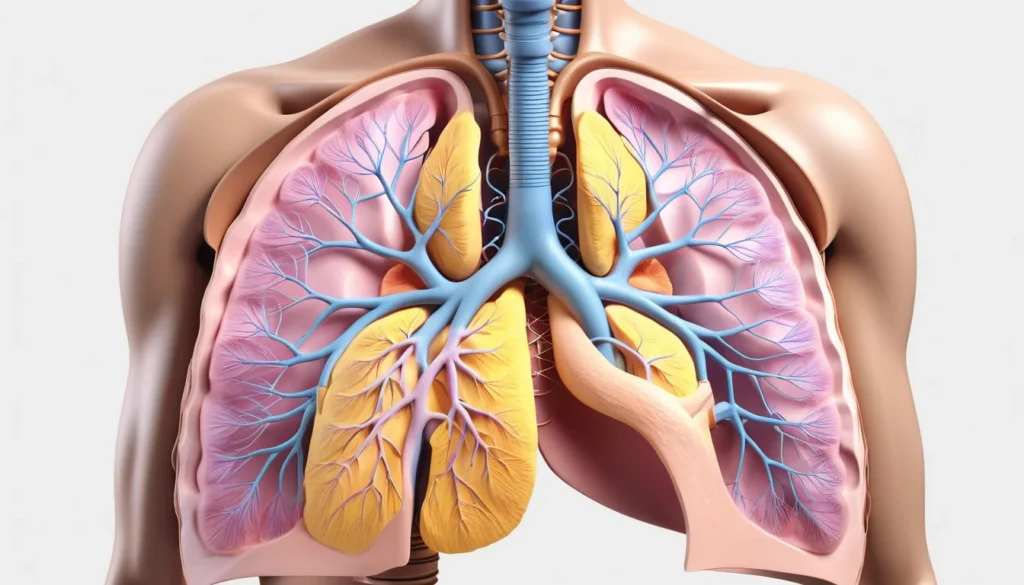
Expectorants are medicines that help loosen and clear mucus from your airways. They make it easier to cough up the thick secretions that build up in your trachea, bronchial tubes, and lungs. In Canada, expectorants are widely available over the counter and are commonly used to treat chest congestion from conditions like bronchitis. This article explains how expectorants work, when they help, and when you should speak with your family doctor or visit a walk-in clinic.
What Are Expectorants?
Expectorants are a type of cough medicine. They work by thinning and loosening mucus in your lower airways. This makes it easier for your body to cough the mucus up and out.
The most common expectorant ingredient in Canada is guaifenesin. You will find it in many over-the-counter products at your local pharmacy. Brand names differ, but the active ingredient is usually the same.
Expectorants are different from cough suppressants. A cough suppressant stops your urge to cough. An expectorant, however, helps you cough more effectively. Using both types together is generally not recommended, as we will explain later.
How Expectorants Work in Your Body
Your airways naturally produce mucus. Mucus traps dust, bacteria, and other particles before they reach your lungs. This is a healthy process.
However, when you are sick, your body often produces too much mucus. That mucus can become thick and sticky. As a result, it is hard to cough up and can block your airways.
Expectorants increase the water content of the mucus in your airways. Thinner mucus moves more easily. Therefore, your cough becomes more productive — meaning you actually clear mucus from your chest with each cough.
According to Healthline’s overview of expectorants, guaifenesin works by irritating the gastric mucosa, which then triggers glands in the airway to produce a more watery mucus. This chain reaction helps your lungs do their job more effectively.
When Are Expectorants Used?
Doctors and pharmacists often recommend expectorants as part of a broader treatment plan. They are not a cure on their own. Instead, they help manage symptoms while your body fights the underlying illness.
Acute and Chronic Bronchitis
Bronchitis causes the lining of your bronchial tubes to become inflamed. This leads to increased mucus production and a persistent cough. Expectorants can help ease chest congestion and make breathing more comfortable during a bronchitis episode.
Acute bronchitis usually clears up within a few weeks. Chronic bronchitis, however, is a long-term condition. People with chronic bronchitis may use expectorants regularly as part of their ongoing symptom management. Your family doctor can advise you on the best approach for your situation.
Cystic Fibrosis
Cystic fibrosis (also known as mucoviscidosis) is a genetic condition that causes the body to produce extremely thick, sticky mucus. This mucus builds up in the lungs and digestive tract. Expectorants may be used as a supportive therapy to help thin this mucus.
However, cystic fibrosis requires a full medical care team. Expectorants are only one small part of treatment. If you or your child has cystic fibrosis, always follow the guidance of your specialist. You can learn more from Health Canada’s resources on respiratory conditions.
Upper Respiratory Infections
The common cold and the flu can cause excess mucus in your chest. Expectorants can help relieve that congestion. Many Canadians reach for an expectorant-containing product when they feel that heavy, congested feeling in their chest.
In addition, sinus infections can drip mucus down into the airways. This is called post-nasal drip. Expectorants can help manage the mucus that settles in the chest as a result.
Important Warnings and Contraindications
Expectorants are generally safe for most adults. However, there are situations where you should not use them. It is important to know these contraindications before you start any new medicine.
Do Not Mix With Cough Suppressants
Using an expectorant and a cough suppressant at the same time works against your own body. Expectorants encourage coughing to clear mucus. Cough suppressants reduce your cough reflex. Taking both together defeats the purpose of each medicine.
Always check the labels on combination cold and flu products. Many contain multiple active ingredients. Furthermore, ask your pharmacist to help you choose the right product for your specific symptoms.
When Mucus Is Already Thin
If your mucus is already thin and watery, you likely do not need an expectorant. Using one in this situation will not help and is unnecessary. Save the medication for when mucus is truly thick and hard to clear.
People Who Cannot Cough Effectively
Some people are not able to cough up mucus on their own. This includes people with very weak respiratory muscles or those in a poor general state of health. For these individuals, expectorants can actually be harmful. Loosening mucus that cannot be coughed out may cause it to pool in the airways, which raises the risk of infection.
If you or a loved one has difficulty coughing due to a medical condition, speak with your doctor before using any expectorant.
Children Under 12
Health Canada advises caution when giving cough and cold medicines to young children. Many expectorant products are not recommended for children under 12. Always follow age guidelines on the packaging. When in doubt, call your family doctor or a pharmacist before giving any medicine to a child.
How to Use Expectorants Safely
Using expectorants correctly makes a real difference. Follow these simple guidelines for safe and effective use.
Stay Well Hydrated
Drinking plenty of water is one of the most important things you can do when taking an expectorant. Water helps the medicine do its job. Without enough fluids, expectorants are far less effective.
Aim for at least 8 glasses of water per day when you are congested. Warm fluids like herbal tea or broth can also help loosen mucus naturally.
Follow Dosage Instructions
Always read the label carefully. Do not take more than the recommended dose. Taking extra medicine does not make it work faster or better — it only increases your risk of side effects.
Common side effects of expectorants can include nausea, vomiting, dizziness, and headache. These are usually mild. However, if you experience any serious side effects, stop taking the medicine and contact your doctor.
Do Not Use for More Than 7 Days Without Medical Advice
If your symptoms do not improve after 7 days of using an expectorant, see a doctor. A lingering cough could signal something more serious than a common cold. Your family doctor or a walk-in clinic can help rule out more serious conditions.
According to the Mayo Clinic’s guide on when to see a doctor for a cough, a cough lasting more than 3 weeks warrants a medical evaluation.
Natural Alternatives and Complementary Approaches
Some Canadians prefer to try natural remedies alongside or instead of over-the-counter expectorants. While these approaches are not always supported by strong clinical evidence, many people find them helpful for mild congestion.
Steam Inhalation
Breathing in warm, moist steam can help loosen mucus in the airways. You can do this by leaning over a bowl of hot water with a towel over your head. Be careful to avoid burns. A hot shower can also help open up your airways and make breathing easier.
Honey and Warm Liquids
Honey has long been used as a traditional remedy for sore throats and coughs. Some research suggests it can help soothe the throat and reduce irritation. However, never give honey to children under one year of age, as it carries a risk of infant botulism.
Saline Nasal Rinses
Rinsing your nasal passages with saline solution can help flush out excess mucus and allergens. This reduces post-nasal drip, which in turn eases chest congestion. Saline rinse kits are widely available at Canadian pharmacies without a prescription.
When to See a Doctor
Expectorants can be helpful for managing mild to moderate chest congestion. However, some symptoms require proper medical attention. Do not rely solely on over-the-counter medicines if you notice any of the following warning signs.
See your family doctor or visit a walk-in clinic if you experience:
A cough that lasts more than 7–10 days without improvement
Coughing up blood or rust-coloured mucus
High fever (above 38.5°C) alongside chest congestion
Shortness of breath or wheezing
Chest pain when breathing or coughing
Symptoms that seem to get worse instead of better
In Canada, you have several options for accessing care. Your family doctor is always a great first contact. If your doctor is not available, a walk-in clinic can assess your symptoms quickly. In urgent situations, go to your nearest emergency department.
Remember, provincial health plans in most provinces cover visits to your family doctor and walk-in clinic. You should never hesitate to seek care when something does not feel right. Always consult a healthcare professional before starting or changing any medication, including over-the-counter expectorants.
Frequently Asked Questions About Expectorants
What is the best expectorant available in Canada?
The most widely used expectorant in Canada contains guaifenesin as its active ingredient. You can find it in several over-the-counter brand-name products at Canadian pharmacies. Ask your pharmacist to help you choose the right option for your symptoms and health history.
Can I take an expectorant every day?
Expectorants are generally intended for short-term use only. Most guidelines recommend not using them for more than 7 days without speaking to a doctor. If you find you need an expectorant regularly, this could be a sign of an underlying condition that needs medical attention.
Is it safe to take an expectorant while pregnant?
The safety of expectorants during pregnancy is not fully established. Many healthcare providers recommend avoiding guaifenesin during the first trimester in particular. Always speak with your family doctor or midwife before taking any over-the-counter medicine while pregnant.
Can children take expectorants?
Many expectorant products are not recommended for children under 12 years of age, as directed by Health Canada guidelines. Giving cough and cold medicines to young children carries risks and limited proven benefit. Always consult your child’s doctor or a pharmacist before giving any cough medicine to a child.
What is the difference between an expectorant and a decongestant?
An expectorant thins and loosens mucus in your lower airways, making it easier to cough up. A decongestant, on the other hand, reduces swelling in your nasal passages to relieve a stuffy nose. They work on different parts of your respiratory system and are sometimes used together in combination products.
How long does it take for an expectorant to work?
Most expectorants begin to work within 30 minutes to an hour after taking them. However, you may not notice a big difference in mucus clearance right away. Drinking plenty of water alongside the medicine helps expectorants work more effectively and speeds up relief.
Key Takeaways
Expectorants thin and loosen mucus in your airways, making it easier to cough up.
The most common expectorant ingredient in Canada is guaifenesin, available over the counter.
They are used to treat chest congestion from conditions like bronchitis, colds, flu, and cystic fibrosis.
Do not combine expectorants with cough suppressants — they work against each other.
Drink plenty of water while taking an expectorant to help it work effectively.
Do not use expectorants for more than 7 days without speaking to a healthcare provider.
Children under 12, pregnant individuals, and those with poor respiratory function should consult a doctor before use.
If symptoms worsen or do not improve, visit your family doctor or walk-in clinic — your provincial health plan covers it.
Always consult a healthcare professional before starting any new medication.