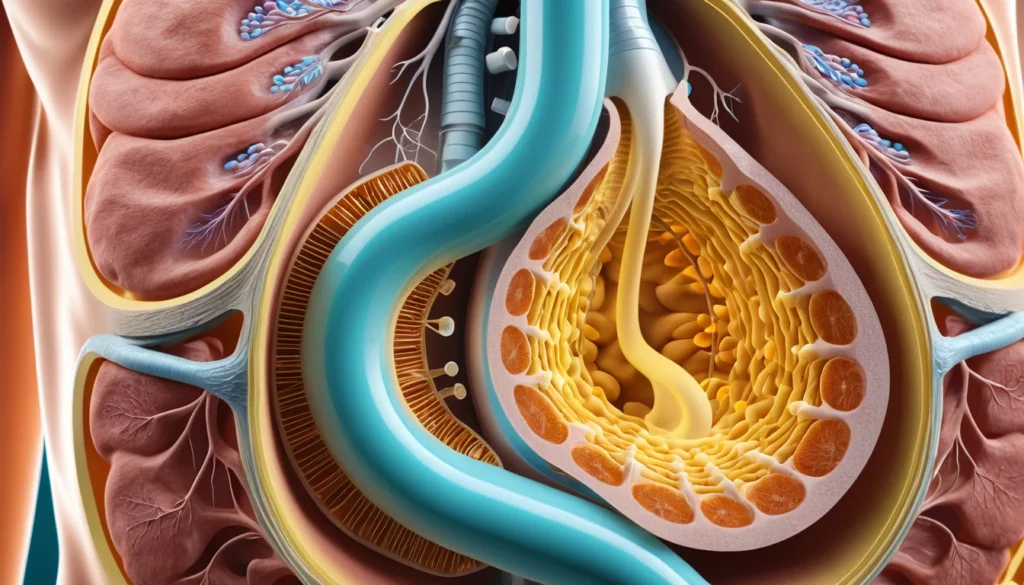
Excretion is the process your body uses to remove waste products and harmful substances. Every day, your organs work together to filter out what you don’t need and push it out of your body. Understanding excretion helps you recognize when something may be wrong — and when it’s time to call your family doctor.
What Is Excretion?
Excretion is the removal of metabolic waste from the body. These are substances your body has either made or processed and no longer needs. Some of these waste products can actually harm you if they build up.
It’s important not to confuse excretion with digestion. Digestion breaks food down and absorbs nutrients. Excretion, however, deals with waste that has already passed through your body’s cells and chemical processes.
Your body relies on several organs to carry out excretion. Each one handles a different type of waste. Together, they keep your internal environment clean and balanced.
The Main Organs Involved in Excretion
Your body has five main excretory organs. Each one plays a specific and important role. If any of these organs stops working well, waste can build up and cause serious health problems.
The Kidneys
Your kidneys are two bean-shaped organs located in your lower back. They filter your blood constantly — up to 200 litres per day. As a result, they remove nitrogen-based waste, excess mineral salts, and medications that your body no longer needs.
The waste filtered by your kidneys leaves the body as urine. Urine travels from the kidneys to the bladder, and then out of the body. Staying well hydrated helps your kidneys do this job effectively.
According to Health Canada, kidney health is closely linked to your overall lifestyle. Eating less sodium, staying active, and managing blood pressure all support healthy kidney function.
The Liver
Your liver is one of the hardest-working organs in your body. It processes toxins, old red blood cells, and other chemical waste. In addition, it produces bile — a greenish-yellow fluid that helps digest fats.
Bile carries waste products from the liver into the small intestine. From there, much of it moves into the large intestine and leaves the body in stool. This makes the liver a key player in excretion, even though many people think of it mainly as a digestive organ.
The Colon (Large Intestine)
The colon removes solid waste from your body in the form of feces. After your small intestine absorbs nutrients from food, the leftover material moves into the colon. The colon then absorbs water and compacts the remaining waste.
Regular bowel movements are a sign of a healthy colon. Diet plays a big role here. For example, eating enough fibre — found in vegetables, fruits, and whole grains — keeps things moving smoothly.
The Lungs
Your lungs are excretory organs too. Every time you breathe out, you release carbon dioxide — a waste gas produced when your cells use energy. Your lungs also expel water vapour with each breath.
Carbon dioxide is carried from your body’s cells to your lungs through your bloodstream. Your lungs then push it out when you exhale. This process happens automatically, thousands of times per day.
Healthy lungs are essential for proper excretion. Smoking, air pollution, and respiratory illness can all affect how well your lungs remove gaseous waste. The World Health Organization highlights clean air as a major factor in lung and overall health.
The Sweat Glands
Your skin contains millions of sweat glands. These glands release sweat, which contains water and dissolved salts. Sweating is your body’s way of cooling down, but it also plays a role in excretion.
Through sweat, your body removes small amounts of urea and other waste products. However, the kidneys do most of the heavy lifting when it comes to removing these substances. Sweat glands provide helpful support, especially during exercise or heat.
Why Excretion Matters for Your Health
Proper excretion keeps your body’s internal environment stable. This stability is called homeostasis. When waste products build up, they can throw off your body’s chemical balance and lead to illness.
For example, if your kidneys aren’t filtering properly, nitrogen-based waste called urea can accumulate in your blood. This condition, known as uremia, can cause fatigue, confusion, and in severe cases, organ failure. Therefore, keeping your excretory organs healthy is a top priority.
Similarly, if your liver isn’t clearing waste effectively, toxins can build up. This may cause jaundice — a yellowing of the skin and eyes — along with fatigue and nausea. Liver disease affects thousands of Canadians every year.
Good excretion also depends on your daily habits. Drinking enough water, eating a balanced diet rich in fibre, exercising regularly, and avoiding excessive alcohol all support your excretory system. These simple steps make a real difference over time.
Common Signs That Excretion May Be Affected
Your body often gives you signals when excretion isn’t working as it should. Knowing these signs can help you act quickly. Early action usually leads to better outcomes.
Signs of Kidney Problems
Swelling in your legs, ankles, or feet
Changes in how often you urinate, or changes in urine colour
Foamy or bloody urine
Persistent fatigue or difficulty concentrating
Lower back pain that doesn’t improve
Signs of Liver Problems
Yellowing of the skin or whites of the eyes (jaundice)
Dark urine or pale-coloured stool
Nausea, vomiting, or loss of appetite
Pain or swelling in the upper right abdomen
Unusual fatigue that lasts for weeks
Signs of Colon or Digestive Problems
Constipation lasting more than a few days
Diarrhea that doesn’t resolve
Blood in your stool
Persistent bloating or cramping
Unexplained weight loss
Signs of Lung Problems
Shortness of breath during normal activity
A cough that lasts more than three weeks
Coughing up blood or unusual mucus
Chest tightness or wheezing
Furthermore, if you notice your sweat has an unusual smell or colour, it may be worth mentioning to your doctor. This can sometimes point to underlying health conditions.
How to Support Your Excretory System
The good news is that everyday habits have a big impact on excretion. You don’t need complicated treatments or expensive supplements. Simple, consistent choices go a long way.
Stay Hydrated
Water is essential for kidney function and sweat production. Most Canadian adults should aim for about 2 to 3 litres of fluid per day, depending on activity level and climate. Water helps your kidneys flush out waste more efficiently.
Eat More Fibre
A diet high in fibre supports healthy bowel movements and colon function. Good sources include whole grains, legumes, fruits, and vegetables. Canada’s Food Guide recommends filling half your plate with vegetables and fruits at every meal.
Exercise Regularly
Physical activity supports your lungs, kidneys, and digestive system. Even a 30-minute walk most days of the week makes a difference. Exercise also promotes healthy sweating, which supports skin-based excretion.
Limit Alcohol and Processed Foods
Alcohol puts extra strain on your liver. Processed foods are often high in sodium, which burdens your kidneys. Reducing both helps all your excretory organs work with less effort.
Avoid Smoking
Smoking damages your lungs and reduces their ability to remove gaseous waste. It also affects kidney function and increases the risk of bladder cancer. Quitting smoking is one of the most effective things you can do for your excretory health. Mayo Clinic’s quit smoking resources offer practical strategies that many Canadians have found helpful.
When to See a Doctor
Many excretion-related problems are easy to overlook or dismiss as minor. However, some symptoms deserve prompt medical attention. Don’t wait too long if something feels off.
If you notice any of the warning signs listed above — especially blood in your urine or stool, persistent yellowing of the skin, or unexplained changes in urination — contact your family doctor as soon as possible. If you don’t have a family doctor, a walk-in clinic can help you get assessed quickly. Most provinces and territories in Canada have walk-in clinic networks that are covered under provincial health plans.
For non-urgent concerns, your family doctor is your best first stop. They can order simple blood and urine tests to check how well your kidneys and liver are working. These routine tests can catch problems early — often before you even feel sick.
If you’re experiencing a sudden, severe symptom — like intense back pain, difficulty breathing, or confusion — go to your nearest emergency department right away. These could be signs of a serious excretory system failure that needs immediate care.
Always speak with a qualified healthcare provider before making major changes to your diet or lifestyle, especially if you have an existing health condition. Your doctor knows your full medical history and can give you advice that fits your specific needs.
Frequently Asked Questions About Excretion
What is excretion in the human body?
Excretion is the process by which your body removes waste products and harmful substances. These wastes are produced by your cells during normal body functions. The main organs involved in excretion include the kidneys, liver, lungs, colon, and sweat glands.
What are the organs of excretion?
The five main excretory organs are the kidneys, liver, colon, lungs, and sweat glands. Each organ handles a different type of waste — for example, the kidneys remove urea and salts through urine, while the lungs remove carbon dioxide through breathing. Together, these organs keep your body’s internal environment clean and balanced.
What is the difference between excretion and egestion?
Excretion refers to the removal of waste produced by your body’s own cells and chemical processes. Egestion, on the other hand, is the removal of undigested food that was never actually absorbed into your body. Both processes involve eliminating material from the body, but they involve very different types of waste.
Can poor excretion make you sick?
Yes, when excretion doesn’t work properly, waste products can build up in your blood and tissues. This can lead to conditions like kidney failure, liver disease, or respiratory problems. If you notice symptoms like swelling, jaundice, or changes in urine, it’s important to speak with your family doctor or visit a walk-in clinic.
How can I improve my body’s excretion naturally?
You can support healthy excretion by drinking plenty of water, eating a diet rich in fibre, and exercising regularly. Avoiding smoking, limiting alcohol, and reducing processed food intake also help your excretory organs function well. These simple lifestyle habits are often the most effective tools for maintaining good excretory health.
Is sweating a form of excretion?
Yes, sweating is considered a minor form of excretion. Your sweat glands release water, salts, and small amounts of waste products like urea through the skin. However, the kidneys do most of the work when it comes to removing these types of waste from your body.
Key Takeaways
Excretion is how your body removes waste and harmful substances produced by normal body processes.
The five main excretory organs are the kidneys, liver, colon, lungs, and sweat glands.
Each organ removes a specific type of waste — from urea and salts (kidneys) to carbon dioxide (lungs) and bile (liver).
Poor excretion can lead to serious health conditions, including kidney disease, liver failure, and respiratory problems.
Simple daily habits — drinking water, eating fibre, exercising, and avoiding smoking — go a long way in supporting excretory health.
If you notice warning signs like blood in urine or stool, yellowing of the skin, or breathing difficulties, see your family doctor or visit a walk-in clinic covered by your provincial health plan.
Always consult a qualified healthcare provider for personalized medical advice.