The esophagus is a muscular tube that connects your throat to your stomach. It plays a key role every time you eat or drink. Understanding how it works — and what can go wrong — can help you catch problems early. This article covers the basics of esophagus anatomy, common conditions, symptoms to watch for, and when to visit your family doctor or a walk-in clinic.
What Is the Esophagus?
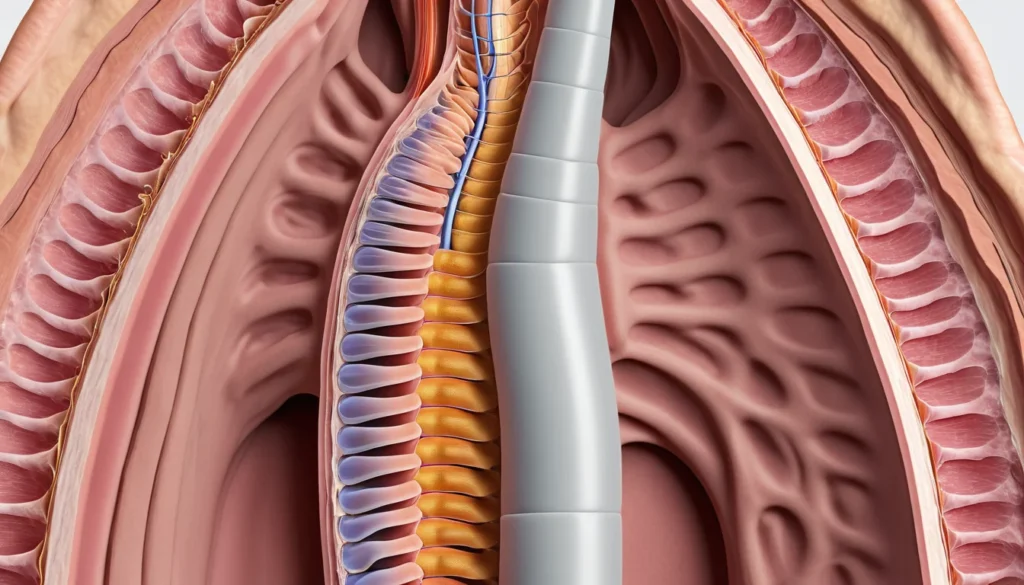
The esophagus is a hollow, flexible tube made of muscle and soft tissue. In adults, it measures about 25 centimetres long and 2.5 centimetres wide. It sits behind your windpipe and runs from the back of your throat down through your chest to your stomach.
Think of it as a living passage. It is not simply a passive pipe. Instead, it actively moves food and liquid downward using coordinated muscle contractions. This process is called peristalsis.
How the Esophagus Moves Food
When you swallow a mouthful of food mixed with saliva — called a bolus — the upper part of the esophagus opens. This opening is controlled by a ring of muscle called the upper esophageal sphincter. It relaxes quickly to let food in.
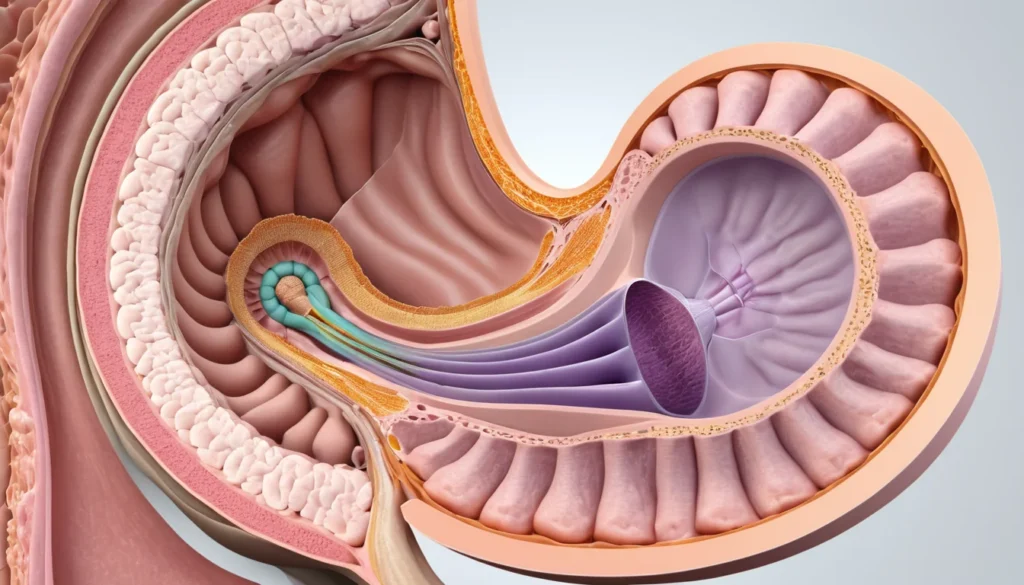
From there, wave-like muscle contractions push the bolus downward. These contractions are automatic. You do not have to think about them. Finally, the food reaches the lower end of the esophagus, where another ring of muscle — the lower esophageal sphincter, also called the cardia — opens to let food pass into the stomach.
This entire journey takes only a few seconds. However, when any part of this process breaks down, you may notice discomfort or difficulty swallowing. For more detail on how swallowing works, visit the Mayo Clinic’s guide on swallowing difficulties.
Common Esophagus Conditions
The esophagus can be affected by a number of conditions. Some are minor and easily treated. Others require prompt medical attention. Below are the most common conditions that affect this organ.
Esophagitis
Esophagitis is inflammation of the lining of the esophagus. It often causes painful or difficult swallowing. You may feel a burning sensation in your chest or throat. Acid reflux, infections, and certain medications are common causes.
In Canada, acid reflux — also known as gastroesophageal reflux disease (GERD) — is one of the most frequent triggers of esophagitis. If left untreated, ongoing inflammation can damage the lining of the esophagus over time. Therefore, it is important to speak with your family doctor if symptoms persist for more than two weeks.
Dysphagia (Difficulty Swallowing)
Dysphagia is the medical term for difficulty swallowing. It can feel like food is stuck in your chest or throat. Some people also experience pain when swallowing. This is sometimes called odynophagia.
Dysphagia can have many causes, including narrowing of the esophagus, inflammation, or nerve and muscle problems. It is never something to ignore. In addition to being uncomfortable, it can lead to poor nutrition, dehydration, or a risk of food entering the airway.
Esophageal Strictures (Narrowing)
A stricture is a narrowing of the esophagus. This narrowing can make it hard to swallow solid foods. In more severe cases, even liquids become difficult to get down.
Strictures can result from long-term acid reflux, inflammation (esophagitis), scar tissue from a previous injury, or tumours. For example, repeated exposure to stomach acid can slowly scar and narrow the esophagus. Treatment depends on the underlying cause and may include stretching procedures or medication.
Esophageal Diverticula
Diverticula are small pouches that form in the wall of the esophagus. Food and liquid can collect in these pouches. This can cause bad breath, regurgitation of undigested food, and discomfort.
The most common type is called a Zenker’s diverticulum, which forms near the top of the esophagus. It is more common in older adults. However, many people with small diverticula have no symptoms at all.
Achalasia
Achalasia is a condition where the lower esophageal sphincter does not relax properly. As a result, food has trouble passing into the stomach. People with achalasia often feel like food is backing up into the throat.
Symptoms usually develop slowly over months or years. They include difficulty swallowing both solids and liquids, chest pain, and unintentional weight loss. Achalasia is not common, but it does require treatment from a specialist. You can learn more about motility disorders from Healthline’s overview of achalasia.
Chemical Burns and Injuries
Swallowing a caustic liquid — such as a strong cleaning product — can severely burn the lining of the esophagus. This is a medical emergency. It can cause serious scarring that narrows the esophagus permanently.
In Canada, accidental ingestion of household chemicals is a real concern, especially in homes with young children. If this happens, call 9-1-1 or your local Poison Control Centre immediately. Do not wait to see if symptoms improve.
Congenital Conditions of the Esophagus
Some esophagus problems are present from birth. These are called congenital conditions. They are typically detected shortly after a baby is born and require surgical treatment.
Esophageal Atresia
Esophageal atresia occurs when a section of the esophagus does not form properly in the womb. The esophagus ends in a blind pouch instead of connecting to the stomach. Babies with this condition cannot swallow safely and require surgery very soon after birth.
This condition affects roughly 1 in 3,500 newborns in Canada. Most cases are diagnosed in the first hours of life. Outcomes are generally good with prompt surgical care.
Tracheoesophageal Fistula
A tracheoesophageal fistula is an abnormal connection between the esophagus and the windpipe (trachea). This allows food or liquid to enter the lungs, which can cause choking, coughing, and serious lung infections.
This condition is often found alongside esophageal atresia. Surgery is the standard treatment. Most children who receive timely surgical care go on to lead healthy lives.
Esophageal Tumours
Tumours of the esophagus can be either benign (non-cancerous) or malignant (cancerous). Unfortunately, esophageal tumours are often malignant and tend to be diagnosed at a later stage when symptoms become obvious.
Esophageal cancer is among the more serious cancers because it often causes few symptoms in its early stages. When symptoms do appear, they usually include progressive difficulty swallowing (starting with solids, then liquids), unexplained weight loss, and chest pain.
Risk factors include long-term acid reflux, smoking, heavy alcohol use, obesity, and a condition called Barrett’s esophagus — where the lining of the esophagus changes due to repeated acid exposure. Furthermore, men are diagnosed with esophageal cancer more often than women. For trusted information on esophageal cancer, visit Health Canada’s official health information portal.
If you have any of these risk factors or notice changes in your ability to swallow, speak with your family doctor without delay. Early detection significantly improves treatment outcomes.
Symptoms That Affect the Esophagus
Many esophagus conditions share similar symptoms. Knowing what to look for can help you decide when to seek care. Common symptoms include:
Difficulty swallowing (dysphagia) — food or liquid feels stuck
Painful swallowing (odynophagia) — sharp or burning pain when food goes down
Heartburn — a burning feeling in the chest, often after eating
Regurgitation — food or liquid coming back up into the throat
Chest pain — not related to heart problems, but caused by esophageal spasm or inflammation
Unexplained weight loss — often linked to difficulty eating enough
Hoarseness or chronic cough — sometimes caused by stomach acid reaching the throat
These symptoms can overlap with other conditions, including heart problems. Therefore, always let a healthcare provider evaluate persistent or worsening symptoms. Do not try to self-diagnose.
When to See a Doctor
Many Canadians experience occasional heartburn or mild discomfort after eating. This is usually nothing to worry about. However, some symptoms signal that you should seek medical care promptly.
See your family doctor or visit a walk-in clinic if you notice:
Swallowing problems that last more than a few days
Pain when swallowing that does not improve
Heartburn that occurs more than twice per week
Unexplained weight loss of more than 5 kg
Vomiting blood or passing dark, tarry stools
A feeling that food is consistently getting stuck in your chest or throat
If you are experiencing chest pain, call 9-1-1 right away. Chest pain can sometimes be a sign of a heart attack, not just an esophageal issue. It is always better to get checked.
Your family doctor can assess your symptoms, order tests such as an endoscopy or X-ray, and refer you to a gastroenterologist (a digestive system specialist) if needed. Most provincial health plans in Canada cover these referrals. However, wait times can vary, so it pays to bring up concerns early at your regular check-ups.
As always, this article is for general information only. Please speak with a qualified healthcare provider for advice specific to your personal health situation.
Frequently Asked Questions About the Esophagus
What does the esophagus do?
The esophagus is a muscular tube that carries food and liquid from your throat to your stomach. It uses coordinated muscle contractions called peristalsis to move food downward. Without a healthy esophagus, swallowing becomes difficult or painful.
What are the most common esophagus problems?
The most common esophagus conditions include acid reflux (GERD), esophagitis, strictures (narrowing), and achalasia. Esophageal cancer, while less common, is also a serious concern. Many of these conditions are treatable when caught early.
What does esophagus pain feel like?
Pain from an esophagus problem often feels like a burning or pressure sensation in the chest or throat. Some people feel pain specifically when swallowing. Because esophageal pain can be confused with heart pain, it is important to see a doctor for an accurate diagnosis.
Can esophagus problems be cured?
Many esophagus conditions respond well to treatment, especially when diagnosed early. Acid reflux and esophagitis can often be managed with medication and lifestyle changes. More serious conditions, such as strictures or cancer, may require procedures or surgery.
How is esophagus disease diagnosed in Canada?
Your family doctor can order tests to assess your esophagus, including an endoscopy, barium swallow X-ray, or pH monitoring. These tests are covered by most provincial health plans when referred by a physician. Early testing leads to earlier treatment and better outcomes.
What foods are hard on the esophagus?
Spicy foods, citrus, alcohol, caffeine, and fatty meals can irritate the esophagus, especially if you have acid reflux or esophagitis. Very hot drinks and processed meats have also been linked to a higher risk of esophageal cancer. Eating slowly and chewing food well can reduce strain on the esophagus.
Key Takeaways
The esophagus is a 25-centimetre muscular tube that carries food from your throat to your stomach. It uses coordinated muscle contractions (peristalsis) and two sphincters to move food safely downward. Common conditions include esophagitis, strictures, achalasia, diverticula, and esophageal cancer. Congenital conditions like esophageal atresia are present at birth and require early surgical treatment. Key warning signs include difficulty swallowing, chest pain, unexplained weight loss, and regurgitation. See your family doctor or visit a walk-in clinic if symptoms persist or worsen. Most provincial health plans in Canada cover diagnostic tests and specialist referrals for esophageal conditions. Early diagnosis leads to better outcomes for almost all esoph