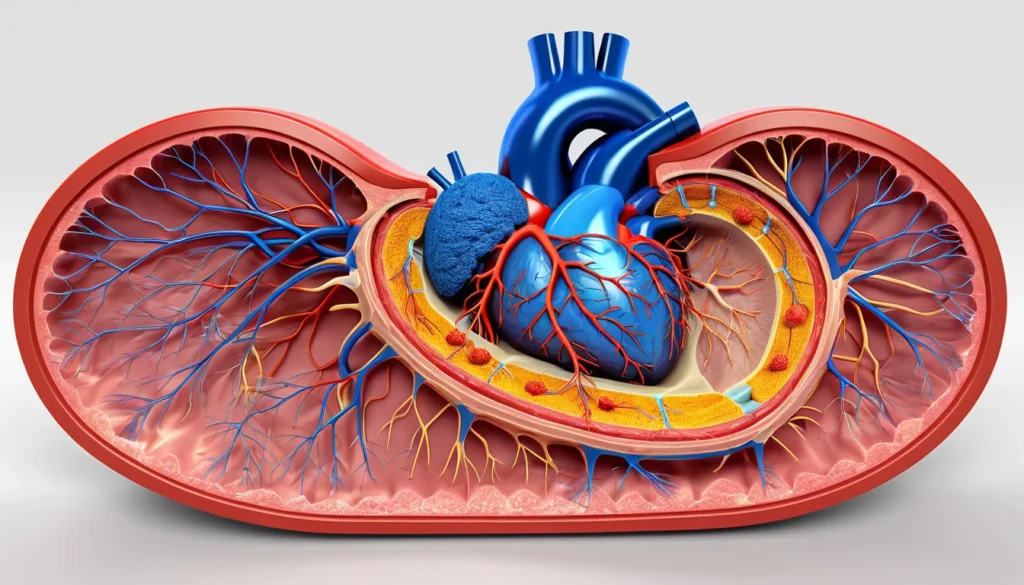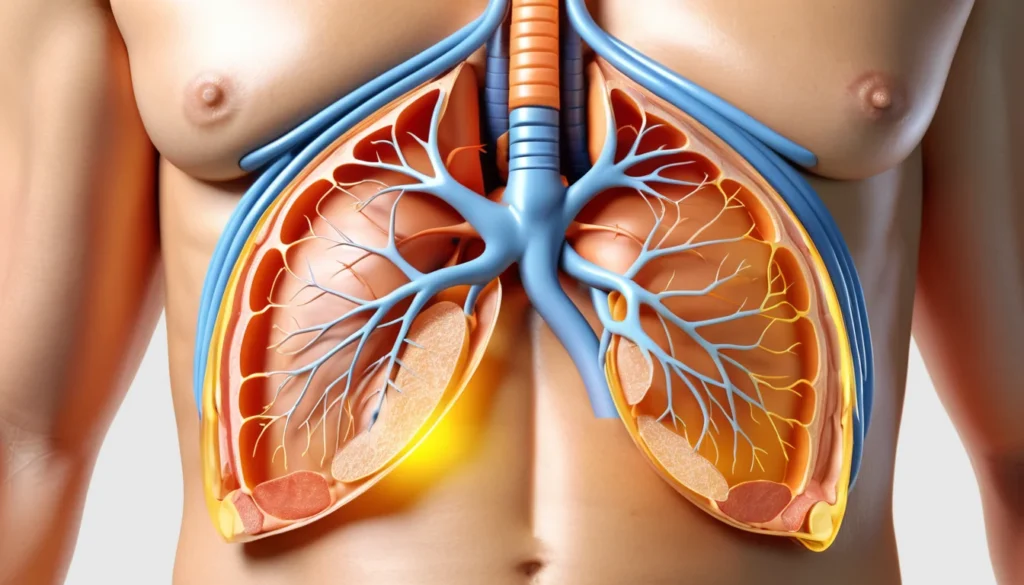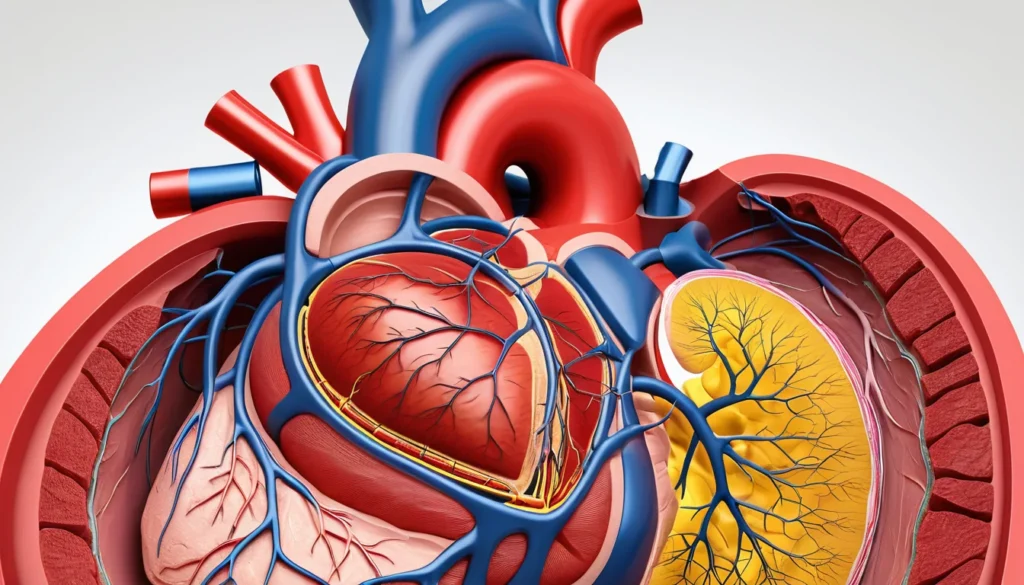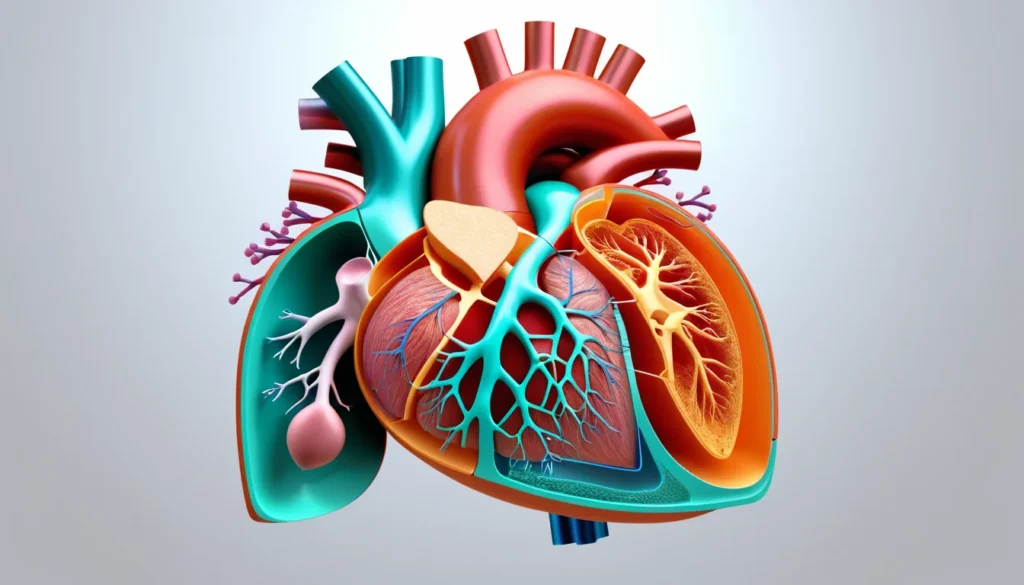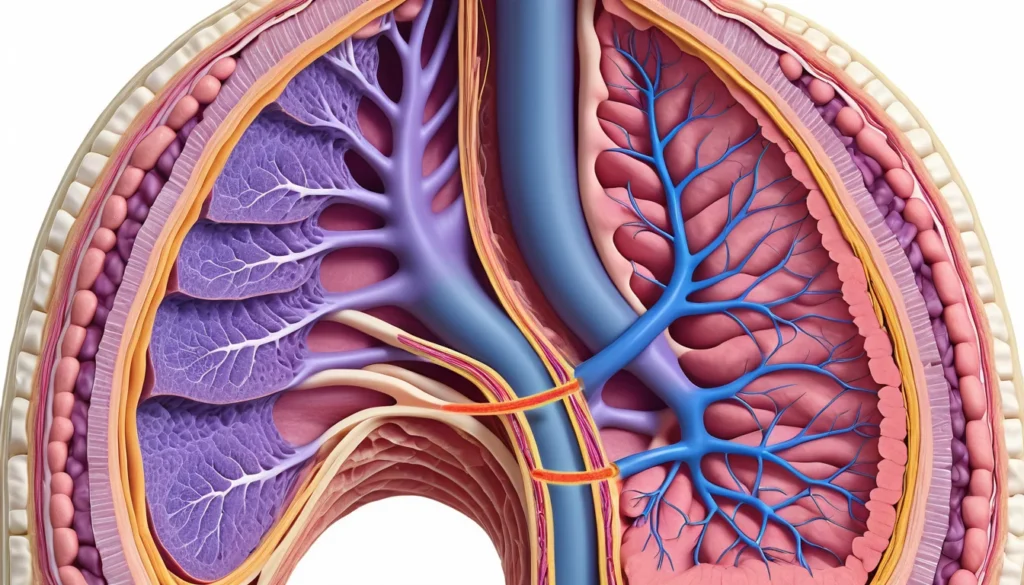
Esophageal varices are swollen, enlarged veins that form inside the esophagus — the tube that carries food from your mouth to your stomach. They develop when blood cannot flow normally through the liver. This can cause dangerous bleeding. Understanding the causes, symptoms, and treatment options can help Canadians get the right care before a serious complication occurs.
What Are Esophageal Varices?
Esophageal varices are similar to varicose veins, but they form deep inside the body. They develop when scar tissue in the liver blocks normal blood flow. As a result, pressure builds up in the nearby veins.
This increased pressure is called portal hypertension. The smaller veins around the esophagus and stomach swell to handle the extra blood flow. Over time, these veins become fragile and can rupture, causing life-threatening bleeding.
For more background on liver disease and vein health, visit Mayo Clinic’s overview of esophageal varices.
Common Causes of Esophageal Varices
Anything that raises pressure in the portal vein system can lead to esophageal varices. The portal vein carries blood from your digestive organs to the liver. When that pathway is blocked or strained, the blood finds other routes — including the thin veins of the esophagus.
Liver-Related Causes
Liver disease is the most common cause in Canada. These conditions include:
Cirrhosis — severe scarring of the liver, often from long-term alcohol use or chronic hepatitis
Chronic hepatitis — viral (hepatitis B or C) or autoimmune forms
Alcoholic hepatitis — liver inflammation caused by heavy alcohol use
Congenital hepatic fibrosis — a rare inherited condition
Schistosomiasis — a parasitic infection, more common in travellers
Vascular and Other Causes
Some causes involve the blood vessels directly. These include:
Portal vein thrombosis — a blood clot blocking the portal vein
Budd-Chiari syndrome — blockage of the veins draining the liver
Increased splenic blood flow — from certain blood disorders
Tumours pressing on surrounding veins
Constrictive pericarditis — a heart condition that raises pressure in the venous system
Idiopathic portal hypertension — high pressure with no clear identifiable cause
Recognising the Symptoms of Esophageal Varices
Esophageal varices often cause no symptoms until they bleed. However, when bleeding begins, it can be sudden and severe. Knowing the warning signs may save your life or the life of someone you love.
Signs of Active Bleeding
If the varices rupture, you may notice:
Vomiting blood — which may appear bright red or look like coffee grounds
Black, tarry, or bloody stools
Decreased urine output
Rapid heart rate
Low blood pressure
These are emergency symptoms. Call 911 or go to your nearest emergency department immediately if you notice any of these signs.
Signs of Underlying Liver Disease
You may also experience symptoms linked to the underlying liver condition, such as:
Excessive thirst
Pale skin or pallor
Confusion or difficulty thinking clearly
General fatigue and weakness
These symptoms suggest that your liver is under significant stress. Therefore, speak with your family doctor as soon as possible if you notice any of these changes.
How Are Esophageal Varices Diagnosed?
Your doctor will begin with a physical examination. They will look for signs of chronic liver disease, such as an enlarged abdomen, yellowing of the skin, or unusual bruising.
Tests and Procedures
Several tests help confirm the diagnosis and assess the severity of esophageal varices:
Esophagogastroduodenoscopy (EGD) — a thin, flexible tube with a camera is passed down the throat. This allows the doctor to directly see the varices and check for active bleeding.
Complete blood count (CBC) — checks haemoglobin levels, platelet counts, and other markers.
Coagulation tests — measure how well your blood clots.
Liver function tests — assess how well the liver is working.
Kidney function tests — bleeding can affect the kidneys as well.
Chest X-ray — used if a chest infection is suspected.
Paracentesis — a needle draws fluid from the abdomen if bacterial peritonitis is suspected.
A nasogastric tube may also be placed through the nose to locate and confirm active bleeding in the stomach or esophagus.
Treatment Options for Esophageal Varices
The main goal of treatment is to stop active bleeding as quickly as possible and to prevent future bleeds. Bleeding from esophageal varices is a medical emergency. Without rapid treatment, it can lead to shock or death.
Emergency Treatment
When severe bleeding occurs, the first priority is protecting the airway. Doctors may provide breathing support to prevent blood from entering the lungs.
Endoscopic therapy is the most common emergency approach. A doctor uses an endoscope — a lighted, flexible tube — to treat the bleeding veins directly. There are two main techniques:
Sclerotherapy — a clotting agent is injected directly into the varix to seal it off.
Variceal band ligation — small rubber bands are placed around the bleeding veins to cut off blood flow.
In some cases, a balloon tamponade is used. A tube is passed through the nose and into the stomach, then inflated to press against the bleeding veins and reduce blood flow.
Medications
Two medications help reduce blood flow through the portal system:
Vasopressin — narrows blood vessels to reduce portal pressure.
Octreotide — slows blood flow to the portal vein and reduces bleeding.
These are typically used alongside endoscopic procedures during an acute bleed.
Transjugular Intrahepatic Portosystemic Shunt (TIPS)
This procedure involves placing a small metal stent inside the liver. It connects the portal vein to a hepatic vein, creating a new pathway for blood flow. This lowers the pressure in the portal system and reduces the risk of future bleeding.
Emergency surgery is rarely needed. However, it may be considered if other treatments fail.
Prevention and Long-Term Management
If you have been diagnosed with cirrhosis, your doctor will recommend regular endoscopic screening for esophageal varices. Catching varices early gives you the best chance of preventing a serious bleed.
Endoscopic Screening Guidelines
All newly diagnosed cirrhosis patients should undergo endoscopic screening. The general approach is:
Large or medium varices — treated with beta-blockers as a first step. If beta-blockers are not suitable, band ligation or sclerotherapy may be used instead.
Small varices — follow-up endoscopy every 2 to 3 years is typically recommended.
Patients who survive a variceal bleed should receive ongoing treatment with beta-blockers and nitrates. In addition, regular endoscopic follow-up is essential to monitor the situation over time.
Reducing Portal Vein Pressure
Doctors aim to lower the pressure in the hepatic vein to below 12 mmHg. Achieving this target is associated with a significant reduction in mortality. This is measured using a hepatic venous pressure gradient (HVPG) reading.
For patients with very advanced liver disease, a liver transplant may be considered. This is the only treatment that addresses the root cause of esophageal varices in most cases. In Canada, liver transplant programmes are available at major academic health centres across the country. Your specialist can refer you through your provincial health plan.
Learn more about managing liver disease from Health Canada’s official health information portal.
When to See a Doctor
If you have known liver disease or cirrhosis, speak with your family doctor about getting screened for esophageal varices. Early detection can prevent a life-threatening bleed. Your doctor can refer you to a gastroenterologist or hepatologist through your provincial health plan.
If you do not have a regular family doctor, a walk-in clinic can help assess your symptoms and arrange a referral. Many provinces also offer telehealth services for initial consultations.
Seek emergency care immediately if you vomit blood, notice black or bloody stools, feel faint, or have a racing heart. These signs may indicate active bleeding and require urgent hospital treatment — do not wait.
Always consult a qualified healthcare provider before making any decisions about your health. This article is for informational purposes only and does not replace professional medical advice.
For additional guidance on digestive and vascular health, visit Healthline’s patient-friendly guide to esophageal varices.
Frequently Asked Questions About Esophageal Varices
What causes esophageal varices?
Esophageal varices are caused by increased pressure in the portal vein, a condition called portal hypertension. The most common cause is liver scarring (cirrhosis) from chronic alcohol use or hepatitis. Other causes include blood clots in the portal vein and certain inherited liver conditions.
Are esophageal varices dangerous?
Yes, esophageal varices can be very dangerous if they rupture and bleed. A large bleed can lead to shock or even death without immediate treatment. However, with proper screening and management, many patients can reduce their risk of bleeding significantly.
Can esophageal varices be cured?
Esophageal varices cannot always be permanently cured, but they can be managed effectively with medication, endoscopic treatment, and lifestyle changes. In cases of severe underlying liver disease, a liver transplant may offer the best long-term outcome. Talk to your specialist about which approach is right for your situation.
What are the symptoms of esophageal varices bleeding?
The most common signs of bleeding esophageal varices include vomiting blood, passing black or tarry stools, and feeling dizzy or faint. You may also notice a rapid heartbeat and a drop in blood pressure. These are emergency symptoms — call 911 or go to the nearest emergency department right away.
How are esophageal varices treated in Canada?
In Canada, esophageal varices are treated through a combination of endoscopic procedures, medications, and in some cases, procedures like TIPS to lower portal vein pressure. Most treatments are covered under provincial health plans when referred by a physician. Your family doctor or gastroenterologist can guide you through the appropriate care pathway.
How often should I be screened for esophageal varices?
If you have been diagnosed with cirrhosis, your doctor will likely recommend an initial endoscopic screening for esophageal varices right away. For small varices, a follow-up endoscopy is usually suggested every 2 to 3 years. Larger varices require more immediate treatment and closer monitoring.
Key Takeaways
Esophageal varices are swollen veins in the esophagus caused by high pressure in the liver’s blood vessels.
They most often develop as a complication of liver disease, particularly cirrhosis.
Many people have no symptoms until the varices bleed — which can be life-threatening.
Warning signs of bleeding include vomiting blood, black stools, and rapid heart rate. Call 911 immediately.
Treatment includes endoscopic banding or sclerotherapy, medications to lower portal pressure, and in serious cases, a TIPS procedure or liver transplant.
All Canadians with cirrhosis should ask their family doctor about endoscopic screening.
Regular follow-up through your provincial health plan is essential for long-term management.
Always speak with a qualified healthcare professional about your personal health situation.