Esophageal cancer is a serious disease in which malignant (cancerous) cells form in the tissue of the esophagus. The esophagus is the muscular tube that carries food and liquids from your mouth to your stomach. Understanding this condition — including its types, risk factors, and how doctors diagnose it — can help you take action early. Early detection gives you the best chance of successful treatment.
What Is Esophageal Cancer?
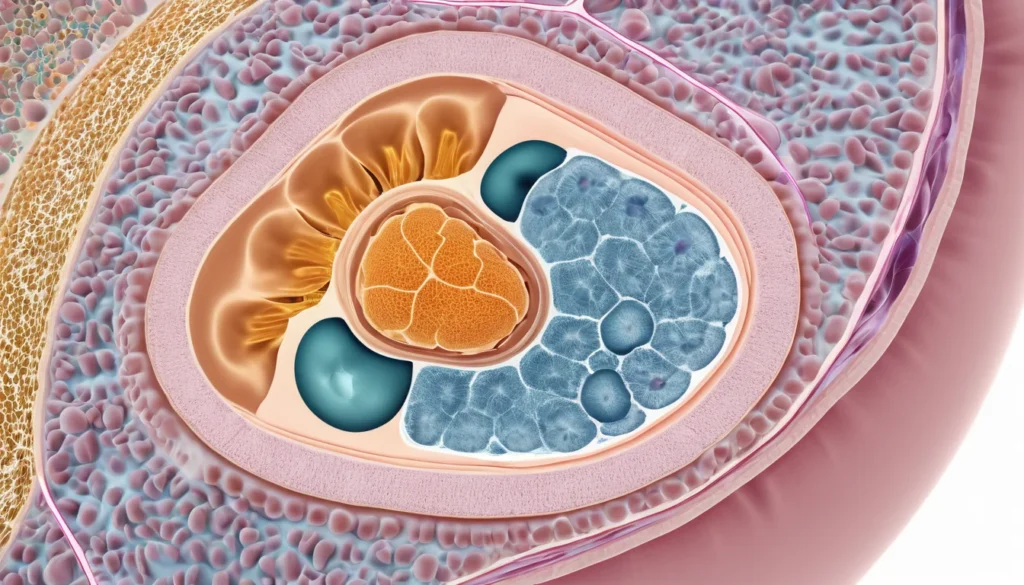
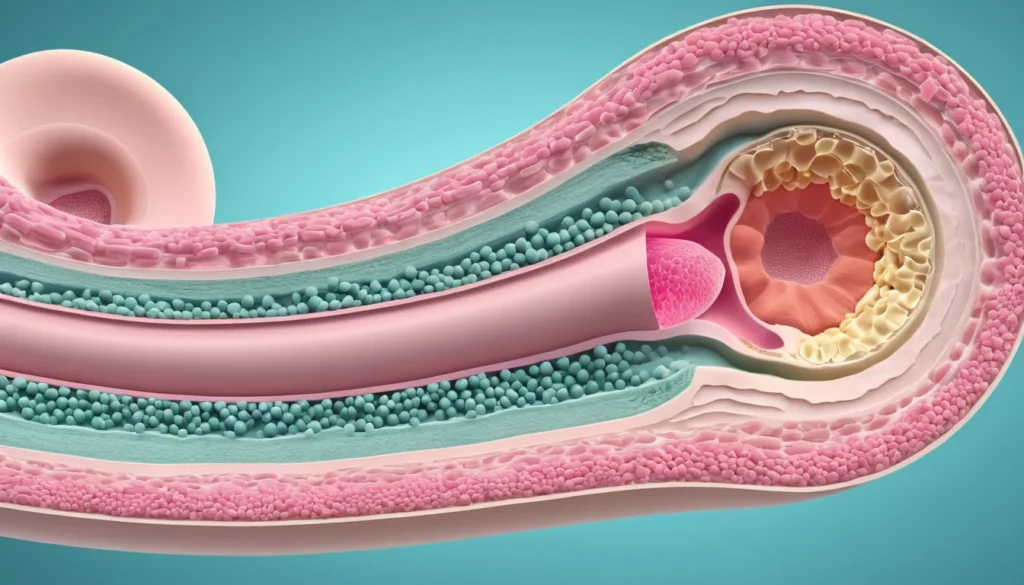
The wall of the esophagus is made up of several layers of tissue. These layers include the mucous membrane, muscle tissue, and connective tissue. Esophageal cancer typically begins in the innermost layer and grows outward through the deeper layers over time.
There are two main types of esophageal cancer. Each is named after the type of cell where the cancer starts.
Squamous Cell Carcinoma
This type of esophageal cancer begins in the squamous cells — the thin, flat cells that line the esophagus. It most often appears in the upper and middle parts of the esophagus. However, it can develop anywhere along its length. It is sometimes called epidermoid carcinoma.
Adenocarcinoma
Adenocarcinoma starts in the glandular cells that produce fluids such as mucus. It usually forms in the lower part of the esophagus, near the stomach. In Canada and other Western countries, the number of adenocarcinoma cases has been rising steadily in recent decades.
Who Is Most at Risk for Esophageal Cancer?
Esophageal cancer is more common in men than in women. In fact, men are about three times more likely to develop this disease. The risk also increases with age, making it more common in older adults.
According to Health Canada, understanding your personal risk factors is an important step in protecting your health. Anything that raises your chances of developing a disease is called a risk factor. Having a risk factor does not mean you will get the disease — but it is worth discussing with your doctor.
Risk Factors for Squamous Cell Carcinoma
Smoking: Tobacco use is one of the strongest risk factors for this type of esophageal cancer.
Heavy alcohol use: Drinking large amounts of alcohol significantly raises the risk.
Older age: The risk increases as you get older.
Being male: Men develop this cancer more often than women.
Race: Black men face a higher risk of squamous cell carcinoma compared to white men.
Risk Factors for Adenocarcinoma
Barrett’s esophagus: This is a condition where the cells lining the lower esophagus change and become abnormal. It is often caused by long-term acid reflux (when stomach acid flows back up into the esophagus). Over time, Barrett’s esophagus can lead to adenocarcinoma.
Chronic acid reflux (GERD): Ongoing gastroesophageal reflux disease irritates the esophagus and increases cancer risk.
Smoking and alcohol use also play a role in adenocarcinoma risk.
For a deeper look at risk factors, the Mayo Clinic’s overview of esophageal cancer provides helpful and reliable information.
Common Symptoms of Esophageal Cancer
In its early stages, esophageal cancer often causes no noticeable symptoms. As the tumour grows, symptoms begin to appear. The two most common symptoms are difficulty swallowing and unexplained weight loss.
Swallowing Difficulties
Dysphagia — the medical term for difficulty or pain when swallowing — is the most common warning sign. You may feel like food is getting stuck in your chest or throat. This sensation often starts with solid foods and may later occur with liquids as well.
Other Symptoms to Watch For
Unexplained weight loss
Pain or pressure behind the breastbone
Hoarseness or a persistent cough
Indigestion and heartburn that does not go away
It is important to note that these symptoms can also be caused by other, less serious conditions. Therefore, only a doctor can determine the true cause through proper testing.
When to See a Doctor
You should see a doctor if you experience any of the symptoms listed above — especially if they are new, persistent, or getting worse. Do not wait to see if they go away on their own.
In Canada, your first step is usually to contact your family doctor. If you do not have a family doctor, a walk-in clinic can assess your symptoms and refer you for further testing if needed. Most provincial health plans cover the diagnostic tests used to investigate esophageal cancer, so cost should not be a barrier to getting checked.
Early diagnosis of esophageal cancer greatly improves treatment outcomes. Furthermore, some conditions like Barrett’s esophagus can be monitored and managed before cancer even develops. Getting checked early is always the right choice.
How Is Esophageal Cancer Diagnosed?
Doctors use several tests to detect and diagnose esophageal cancer. Your doctor will choose the right tests based on your symptoms and health history.
Initial Diagnostic Tests
Chest X-ray: A basic imaging test that takes a picture of the organs and bones in your chest. X-rays use a form of energy that passes through the body and creates an image on film or a digital screen.
Barium swallow (upper GI series): You drink a liquid containing barium, a white metallic compound. The barium coats the esophagus and makes it clearly visible on X-ray. This helps doctors see the shape and structure of your esophagus.
Esophagoscopy: A doctor inserts a thin, lighted tube called an endoscope through your mouth or nose and down into the esophagus. This allows the doctor to look directly at the lining of the esophagus and check for abnormal areas.
Biopsy: During an esophagoscopy, the doctor may remove small samples of tissue. A specialist then examines these samples under a microscope to check for cancer cells. A biopsy is the most reliable way to confirm an esophageal cancer diagnosis.
Sometimes a biopsy may reveal abnormal changes in the esophagus that are not yet cancer but could become cancerous over time. As a result, regular monitoring may be recommended.
Staging Esophageal Cancer
Once esophageal cancer is diagnosed, doctors perform additional tests to find out how far the cancer has spread. This process is called staging. Staging helps your medical team plan the best treatment approach.
Tests Used for Staging
CT scan (computed tomography): A series of detailed X-ray images taken from different angles. A computer combines these images to create a clear picture of the inside of the body. A contrast dye may be injected or swallowed to make organs easier to see.
Endoscopic ultrasound (EUS): An endoscope is inserted into the body and uses high-energy sound waves to create images of nearby tissues and organs. This is also called endosonography and helps determine how deeply the tumour has grown into the esophageal wall.
Bronchoscopy: A thin, lighted tube is passed through the mouth or nose into the trachea and large airways. This helps doctors check whether the cancer has spread to the airways or lungs.
Laryngoscopy: The doctor examines the larynx (voice box) using a small mirror or a lighted scope to look for signs that cancer has spread.
Thoracoscopy: A surgical procedure where a small cut is made between the ribs. A thin scope is inserted to look at the organs inside the chest. Tissue samples and lymph nodes may be removed for biopsy.
Laparoscopy: A surgical procedure that allows the doctor to look inside the abdomen for signs of cancer spread. Small incisions are made and a thin camera is inserted.
For more information on cancer staging and treatment in Canada, the World Health Organization’s cancer fact sheet offers a helpful global perspective.
Frequently Asked Questions About Esophageal Cancer
What are the early warning signs of esophageal cancer?
The earliest and most common warning sign of esophageal cancer is difficulty swallowing, especially with solid foods. Unexplained weight loss and persistent heartburn or indigestion can also be early signs. If you notice any of these symptoms, speak with your family doctor or visit a walk-in clinic as soon as possible.
Is esophageal cancer curable if caught early?
When esophageal cancer is diagnosed at an early stage, treatment outcomes are significantly better. Early-stage tumours that have not spread beyond the esophagus have a higher chance of successful treatment. This is why it is so important to see a doctor promptly if you have any concerning symptoms.
What causes esophageal cancer?
Esophageal cancer develops when cells in the esophagus undergo abnormal changes and grow out of control. The most common risk factors include smoking, heavy alcohol use, chronic acid reflux, and Barrett’s esophagus. Age and sex also play a role, as esophageal cancer is more common in older men.
What is Barrett’s esophagus and how does it relate to esophageal cancer?
Barrett’s esophagus is a condition where the cells lining the lower esophagus change and become abnormal, usually due to long-term acid reflux. These abnormal cells can eventually become cancerous, leading to a type of esophageal cancer called adenocarcinoma. Regular monitoring by your doctor can catch changes early before they become cancer.
How is esophageal cancer diagnosed in Canada?
In Canada, esophageal cancer is typically diagnosed through a combination of imaging tests and a biopsy. Your family doctor will usually refer you for an esophagoscopy, where a specialist looks directly at the esophagus and takes tissue samples for analysis. Most provincial health plans cover these diagnostic procedures.
Can you prevent esophageal cancer?
While there is no guaranteed way to prevent esophageal cancer, you can significantly lower your risk by quitting smoking, reducing alcohol intake, and managing acid reflux with the help of your doctor. Maintaining a healthy weight and eating a diet rich in fruits and vegetables may also help reduce your risk. Talk to your family doctor about your personal risk factors and what steps you can take.
Key Takeaways
Esophageal cancer forms in the tissue of the esophagus — the tube that carries food from your mouth to your stomach.
The two main types are squamous cell carcinoma (upper and middle esophagus) and adenocarcinoma (lower esophagus).
Key risk factors include smoking, heavy alcohol use, Barrett’s esophagus, older age, and being male.
The most common symptoms are difficulty swallowing and unexplained weight loss.
See your family doctor or walk-in clinic promptly if you experience any warning symptoms.
Diagnosis involves tests such as a barium swallow, esophagoscopy, and biopsy. Staging uses CT scans, endoscopic ultrasound, and other procedures.
Early detection leads to better outcomes — do not delay seeking care.
This article is for informational purposes only and does not replace professional medical advice. Always consult your doctor or a qualified healthcare provider if you have concerns about your health.