Ergotamine for migraines is one of the longest-standing treatment options available for people who suffer from recurring migraine attacks. If you live with migraines, you know how debilitating they can be — affecting your work, your relationships, and your overall quality of life. This article explains what ergotamine is, how it works, who can use it safely, and what side effects to watch for. As always, speak with your family doctor or a walk-in clinic provider before starting or changing any migraine treatment.
What Are Migraines?
Migraines are recurring headaches that can affect one or both sides of the head. They are far more intense than a typical headache and often come with other symptoms that can be disabling.
Some people experience what is called an aura before or during a migraine. An aura includes neurological symptoms such as dizziness, ringing in the ears (tinnitus), visual disturbances like flashing lights or blind spots, and sensitivity to light. These symptoms can be so overwhelming that the only relief comes from lying down in a dark, cool, quiet room.
Migraines can also cause nausea, vomiting, and low blood pressure. According to the World Health Organization, headache disorders like migraines are among the most common nervous system conditions worldwide.
There is currently no cure for migraines. However, several medications can significantly reduce how often they occur and how severe they feel. If you have been diagnosed with migraines and have not found a treatment that works well for you, it is worth revisiting your options with your family doctor or a specialist.
Migraine Treatments: An Overview
Migraine treatments fall into two main categories. The first is acute treatment, which means medication taken during an attack to stop it. The second is preventive treatment, which means medication taken regularly to reduce the frequency and severity of attacks.
Your doctor will recommend a treatment strategy based on several factors. These include how often you get migraines, how severe they are, and whether you have other health conditions. Your daily functioning also plays an important role in this decision.
Common Types of Acute Migraine Medications
There are three main types of acute migraine medications available in Canada:
NSAIDs (non-steroidal anti-inflammatory drugs) — These include ibuprofen and aspirin. Some migraine-specific versions also contain caffeine to improve effectiveness.
Triptans — These are recommended for severe attacks. They help relieve nausea, vomiting, light sensitivity, and sound sensitivity that often come with a migraine.
Ergotamine — This is one of the most widely used medications for migraine relief. It is especially helpful for prolonged attacks lasting more than 48 hours.
What Is Ergotamine and How Does It Work?
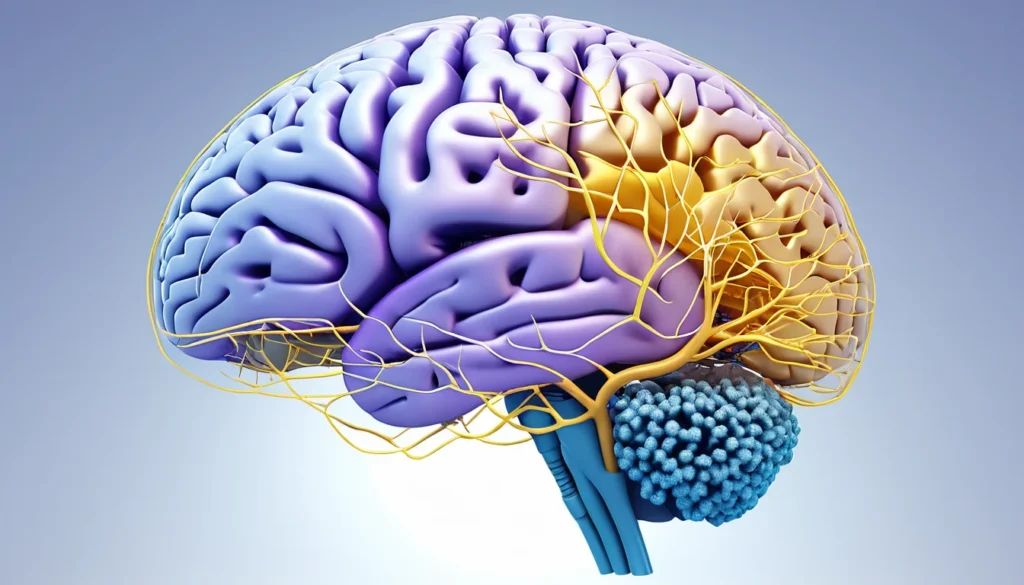
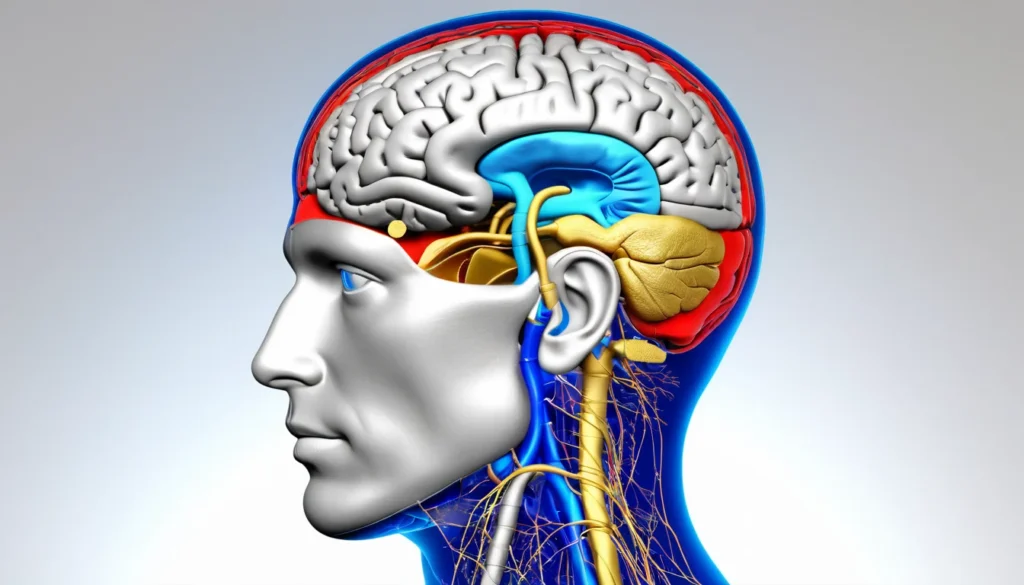
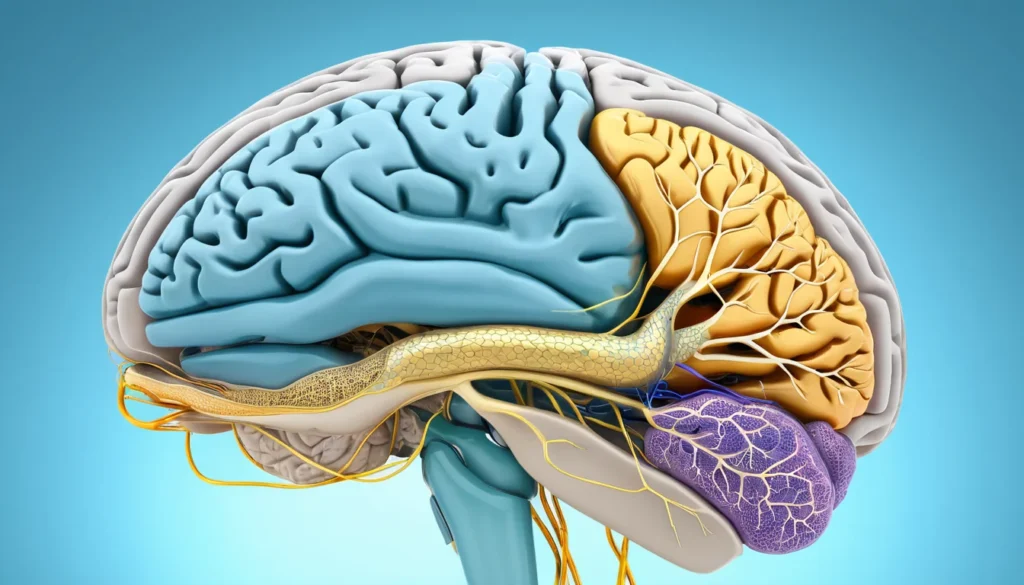
Ergotamine for migraines works by causing the blood vessels in the brain to narrow — a process called vasoconstriction. It does this by acting directly on the smooth muscle cells in the walls of blood vessels.
Many researchers believe migraines are triggered by the widening (dilation) of blood vessels in the brain. This dilation is thought to be caused by brain chemicals called neuropeptides, including serotonin and dopamine. These chemicals can also trigger inflammation, which then keeps blood vessels dilated. This creates a cycle that drives migraine symptoms.
Ergotamine interrupts this cycle. It helps narrow the blood vessels and blocks the effects of serotonin, which can reduce both pain and associated symptoms. You can read more about how migraine medications work at the Mayo Clinic’s migraine treatment guide.
Forms of Ergotamine Available
Ergotamine comes in several forms, which makes it easier to tailor treatment to individual needs:
Ergotamine tartrate tablets — Taken by mouth, these cause both peripheral and central blood vessel narrowing. They also block serotonin activity.
Dihydroergotamine (DHE) nasal spray — This form is very effective when used at the very first sign of a migraine attack.
Dihydroergotamine injections — Available as intramuscular or intravenous solutions, these are often used in clinical settings for fast relief.
Dihydroergotamine (DHE) is a close relative of ergotamine. It is generally considered to have fewer side effects and is often preferred for its rapid action when given early in an attack.
Who Can Use Ergotamine for Migraines?
Ergotamine is safe and effective for many people when used exactly as directed by a doctor. However, it is not suitable for everyone.
You should not use ergotamine if you have any of the following conditions:
Kidney or liver disease
Peripheral artery disease
Heart or cerebrovascular disease
High blood pressure (hypertension)
Peptic ulcers
In addition, dihydroergotamine is not recommended for people who have recently taken monoamine oxidase inhibitors (MAOIs) or sumatriptan. These combinations can cause dangerous interactions.
Ergotamine is also contraindicated during pregnancy. If you are pregnant or planning to become pregnant, tell your doctor before discussing any migraine treatment options.
Drug Interactions to Be Aware Of
Ergotamine tartrate can interact with other medications and increase their toxicity. Your doctor will want to be especially careful if you are also taking:
Nitroglycerin
Propranolol
Erythromycin or clarithromycin (common antibiotics)
People with angina, high blood pressure, or kidney or liver problems need close monitoring if ergotamine is prescribed. Always give your doctor or pharmacist a complete list of all medications and supplements you take. This is especially important if you receive care through different provincial health providers or walk-in clinics, where your full medication history may not be on file.
How Effective Is Ergotamine for Migraines?
Ergotamine is highly effective at relieving migraine headache pain and reducing associated symptoms like nausea and light sensitivity. Many people find significant relief, particularly with prolonged migraine attacks.
However, it is worth noting that ergotamine may be less effective than triptans for some patients. In a small number of cases, it may even worsen symptoms. This is why treatment must always be tailored to the individual.
According to Healthline’s overview of ergotamine, the medication works best when taken as early as possible during a migraine attack. Waiting too long can reduce its effectiveness significantly.
Furthermore, using ergotamine too frequently can lead to what is called a medication overuse headache (sometimes called a rebound headache). This is a cycle where taking pain medication too often actually causes more headaches over time. Your doctor can help you use ergotamine safely to avoid this risk.
Side Effects of Ergotamine
Side effects are more common at higher doses and with long-term use. Most side effects are manageable, but it is important to know what to watch for.
The most commonly reported side effects include:
Nausea and vomiting
Cold or pale hands and feet — caused by blood vessel narrowing in the extremities
Dizziness, tingling sensations (paraesthesia), and general anxiety or discomfort
Bitter taste in the mouth and throat — only with nasal sprays
Nasal irritation and inflammation — only with nasal spray forms
If you experience chest pain, severe leg cramps, significant numbness, or a sudden worsening of symptoms, stop taking the medication and seek medical attention right away. These could be signs of a serious vascular reaction.
When to See a Doctor About Migraines
If you are having migraines regularly, it is important to speak with your family doctor. Your doctor can assess your migraine pattern, rule out other causes, and build a treatment plan that fits your life and health history.
If you do not have a family doctor, a walk-in clinic is a good first step. Most walk-in clinics across Canada can assess migraine symptoms and provide a referral to a neurologist if needed. In some provinces, you may also be able to access migraine care through a headache specialist covered under your provincial health plan.
Seek emergency care if your headache is sudden and extremely severe (sometimes called a “thunderclap headache”), if it is accompanied by fever and a stiff neck, or if you experience confusion, vision changes, or weakness on one side of your body. These symptoms may point to a serious medical condition unrelated to migraines.
Do not adjust your ergotamine dose or frequency on your own. Always follow your doctor’s instructions. If your current migraine treatment is not working well, ask your doctor about reviewing your plan — there are more options available today than ever before.
Frequently Asked Questions About Ergotamine for Migraines
What is ergotamine used for?
Ergotamine is used to treat acute migraine attacks. It works by narrowing blood vessels in the brain and blocking certain brain chemicals that trigger migraine pain. It is particularly useful for prolonged migraines that last more than 48 hours.
Is ergotamine for migraines available in Canada?
Yes, ergotamine and its derivative dihydroergotamine (DHE) are available in Canada by prescription. Your family doctor or a neurologist can determine whether ergotamine is appropriate for your specific migraine pattern and overall health.
What is the difference between ergotamine and triptans?
Both ergotamine and triptans are used to treat migraine attacks, but they work in slightly different ways. Triptans are often preferred for moderate to severe migraines because they tend to have fewer side effects and are effective for most people. Ergotamine may be a better option for very prolonged attacks or for patients who do not respond well to triptans.
Can I take ergotamine if I am pregnant?
No. Ergotamine is contraindicated during pregnancy. If you are pregnant or trying to conceive and you suffer from migraines, speak with your doctor as soon as possible. There are safer alternatives that can be discussed with your healthcare provider.
How quickly does ergotamine work for a migraine?
Ergotamine works best when taken at the very first sign of a migraine. The nasal spray form of dihydroergotamine tends to act quickly, especially when used early in an attack. Waiting until the migraine is fully developed can reduce the medication’s effectiveness.
Can ergotamine cause rebound headaches?
Yes, using ergotamine too frequently can lead to medication overuse headaches, also called rebound headaches. This happens when the body becomes dependent on pain medication, causing more frequent headaches over time. Your doctor can help you use ergotamine safely and avoid this cycle.
Key Takeaways
Ergotamine for migraines works by narrowing blood vessels in the brain and blocking serotonin activity, helping to stop a migraine attack in progress.
It is most effective when taken at the very first sign of an attack, especially in prolonged migraines lasting more than 48 hours.
Dihydroergotamine (DHE) is a related medication available as a nasal spray or injection and may act faster than tablet forms.
Ergotamine is not safe for everyone — avoid it if you have heart disease, high blood pressure, kidney or liver problems, or if you are pregnant.
Watch for side effects like cold extremities, nausea, and dizziness. Report any chest pain or severe numbness to a doctor immediately.
Always use ergotamine under the supervision of your family doctor or a specialist. If you do not have a family doctor, start with a walk-in clinic.
Review your migraine treatment plan regularly with your healthcare provider. Better options may be available, and the right combination of medication and lifestyle changes can make a real difference in your daily life.